
Loading, please wait...
LOT 1287
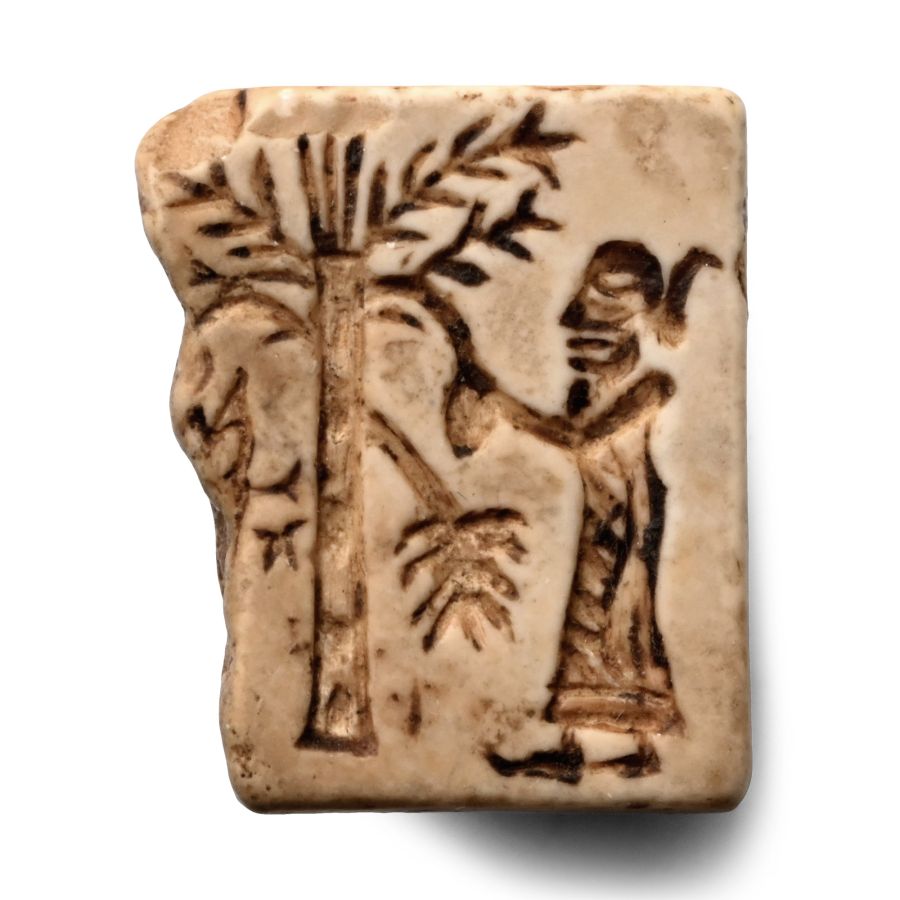
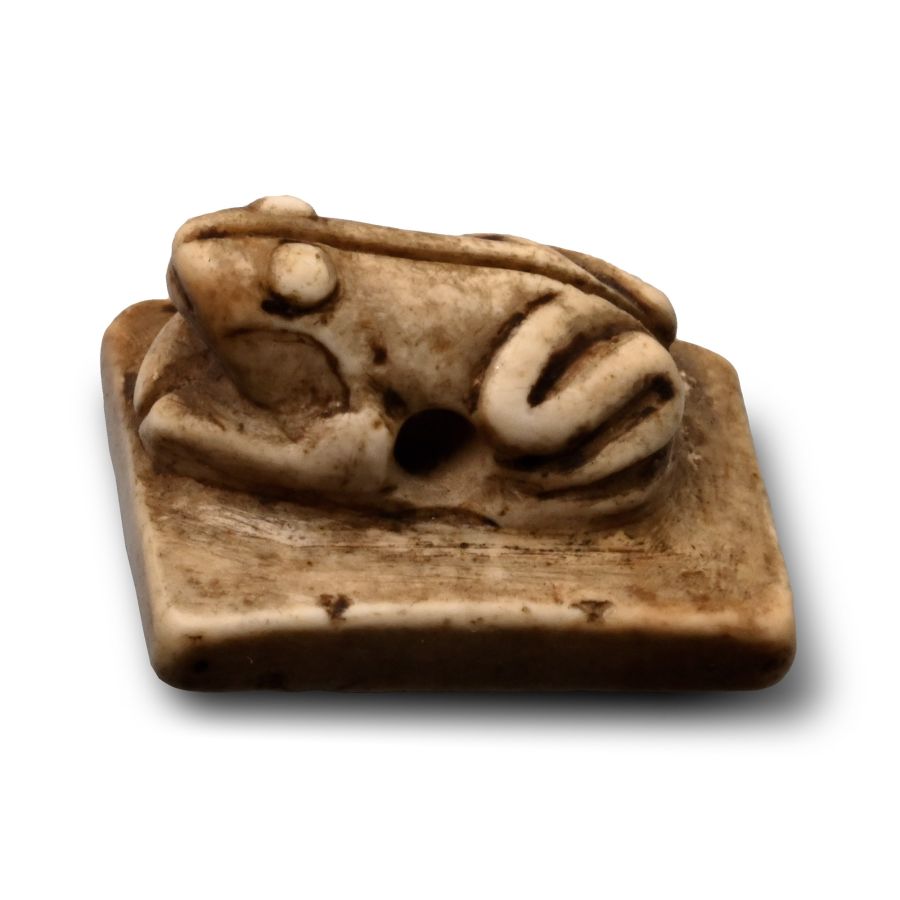
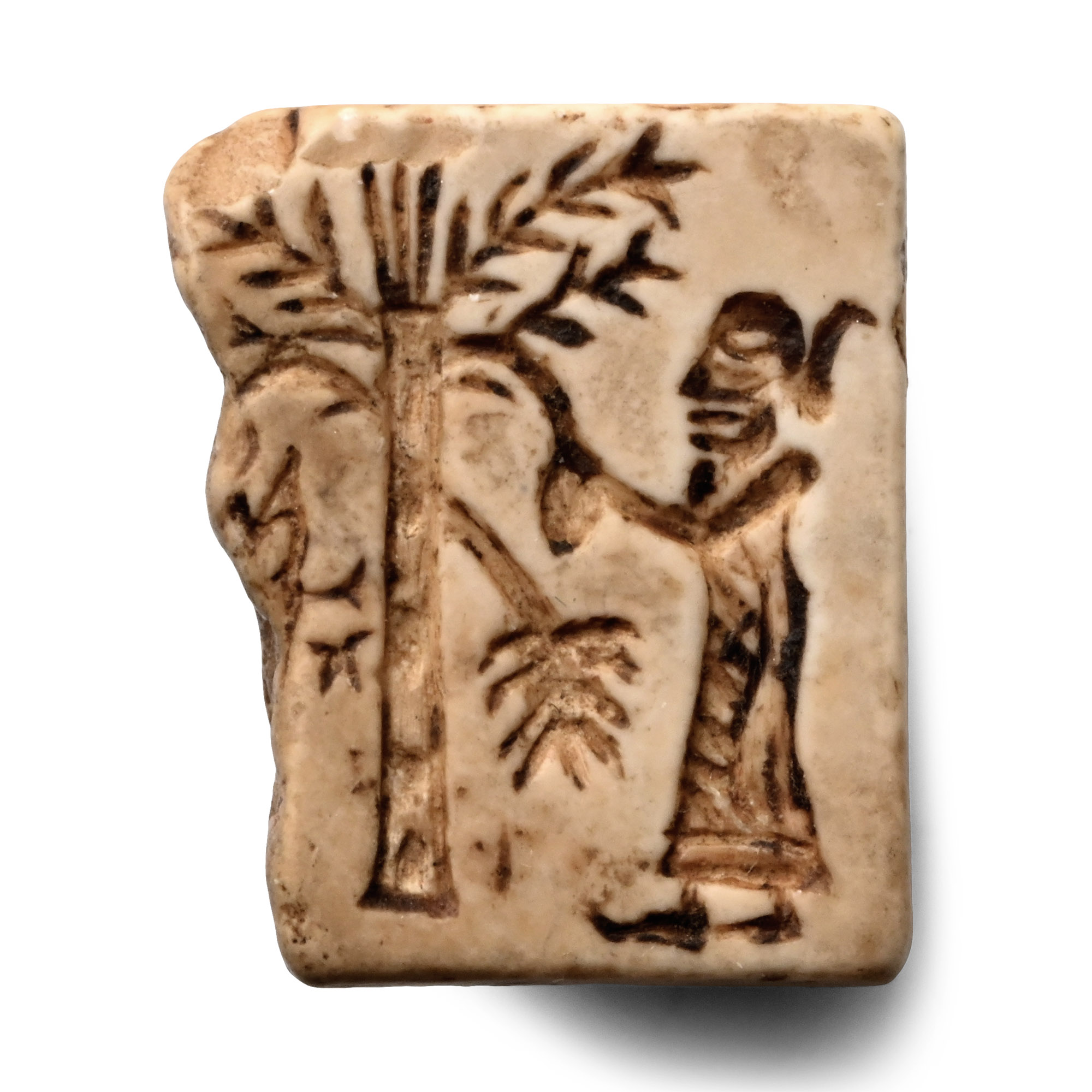
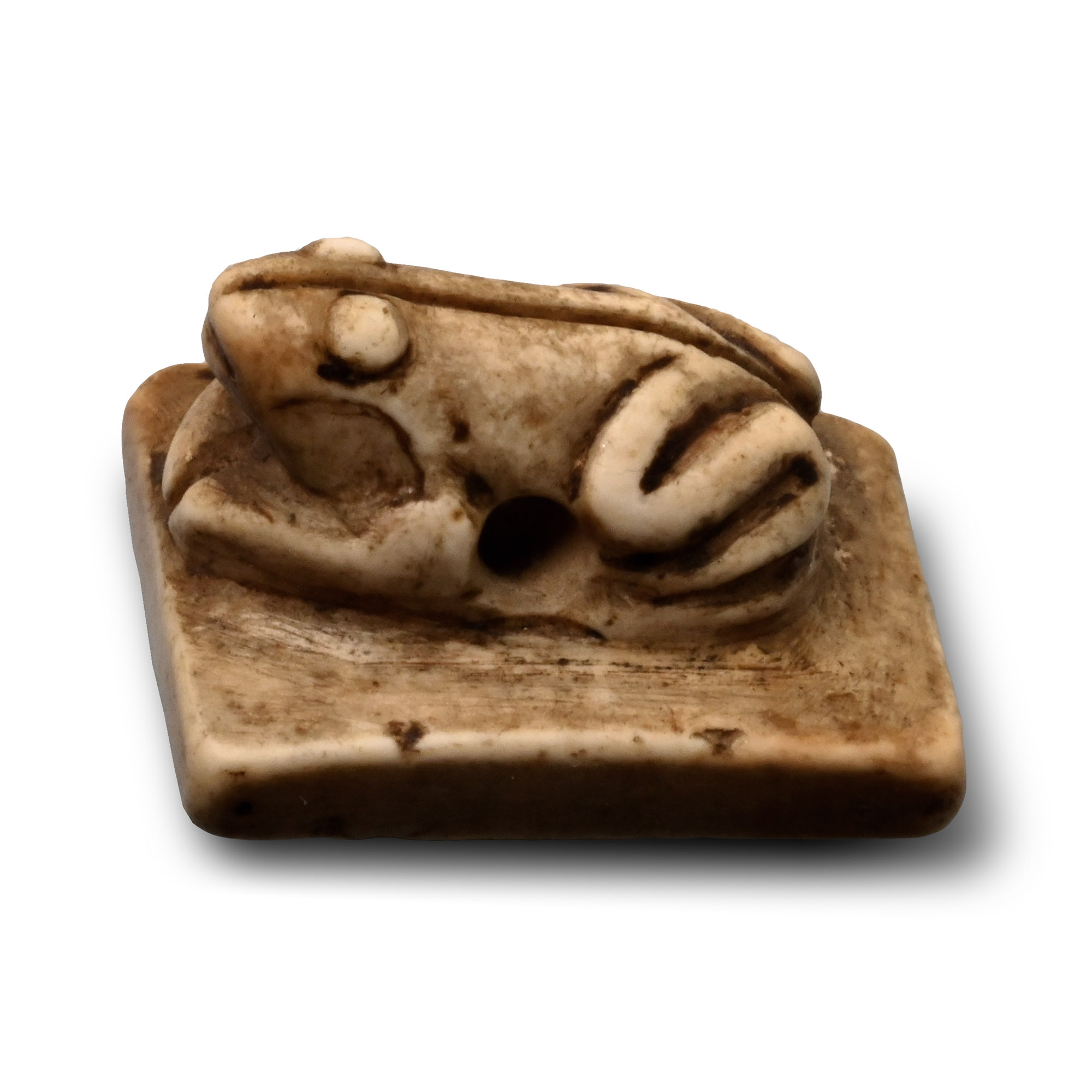
Babylonian Faience Frog Amulet
750-332 B.C.
5/8 in. (3.28 grams, 18 mm).
Modelled in the round on a rectangular plaque with incuse image to underside: figure in ankle-length robe plucking a fruit from a tree.
ProvenanceOld private French collection.
Anonymous Sale, Beaussant Lefevre, Paris, 2015.
Private European collection, acquired in 2015.
This lot has been cleared against the Art Loss Register database, and is accompanied by an illustrated lot declaration signed by the Head of the Antiquities Department, Dr Raffaele D'Amato.
TimeLine Auctions follows a vetting process to ensure the authenticity and legality of all items, reinforcing our commitment to integrity and responsible trading. Each antiquity, antique, and coin lot undergoes thorough examination by a vetting committee of at least ten external specialists, professional trade association members, scientists, and archaeologists: Our Vetting Process
AUCTIONS:
TimeLine is a leading auction house specialising in antiquities, ancient art, collectables, natural history, coins, medals, and books. Our auctions offer museums, collectors, historians, and enthusiasts the opportunity to acquire unique and historically significant pieces.
LOT 1287
Babylonian Faience Frog Amulet
Estimate £500 - 700€580 - 810 (for guidance only)$680 - 950 (for guidance only)
-
Mesopotamian Stone Vessel
1st millennium B.C.Estimate: £100 - 140 (+bp*)
Opening Bid: £50
Broad and squat in profile with carination to the equator, everted rim. 208 grams, 82 mm
From a collection formed before 1990. Ex Mayfair, London, UK, gallery, 2000s. This lot has been cleared against the Art Loss Register database, and is accompanied by an illustrated lot declaration signed by the Head of the Antiquities Department, Dr Raffaele D'Amato. -
.jpg)
Elamite Silver Staff Terminal with Interlaced Dragons
1st millennium B.C.Estimate: £1,500 - 2,000 (+bp*)
Opening Bid: £638
Hollow-formed with bulb finial, low-relief image of opposed dragons with detailed scale texture; circumferential band with incised guilloche below; mounted on a custom-made stand. 45 grams total, 20 cm including stand
London, UK gallery, 1971-early 2000s. This lot has been checked against the Interpol Database of stolen works of art and is accompanied by search certificate no.11966-210624. This lot has been cleared against the Art Loss Register database, and is accompanied by an illustrated lot declaration signed by the Head of the Antiquities Department, Dr Raffaele D'Amato. -
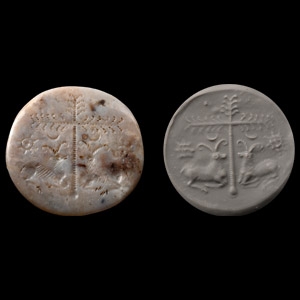
Early Dynastic Agate Stamp Seal with Recumbent Ibexes
2nd millennium B.C. or laterSold for (Inc. bp): £91
Plano-convex in profile with later intaglio central tree with three branches, on each side a recumbent ibex, crescent moon between antlers and sun behind; supplied with a museum-quality impression. 43.9 grams, 44 mm
Ex property of a London collector; acquired 1960s. Property of a North London, UK, lady. This lot has been cleared against the Art Loss Register database, and is accompanied by an illustrated lot declaration signed by the Head of the Antiquities Department, Dr Raffaele D'Amato.
