
Loading, please wait...
LOT 0989
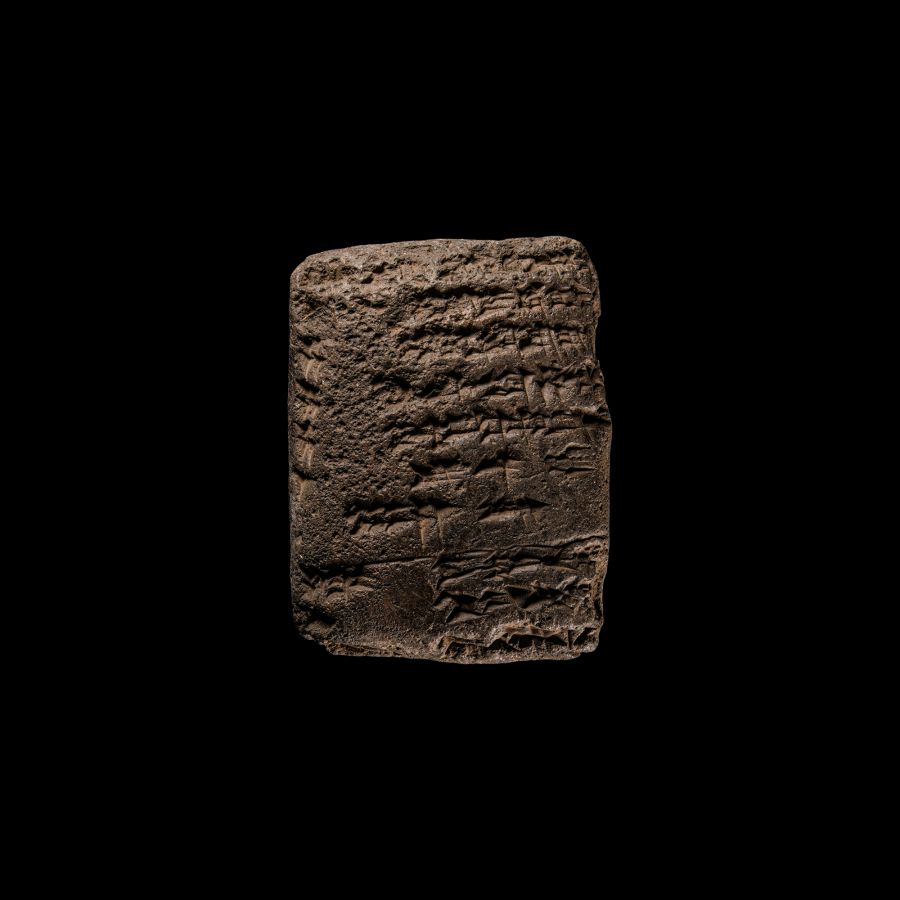
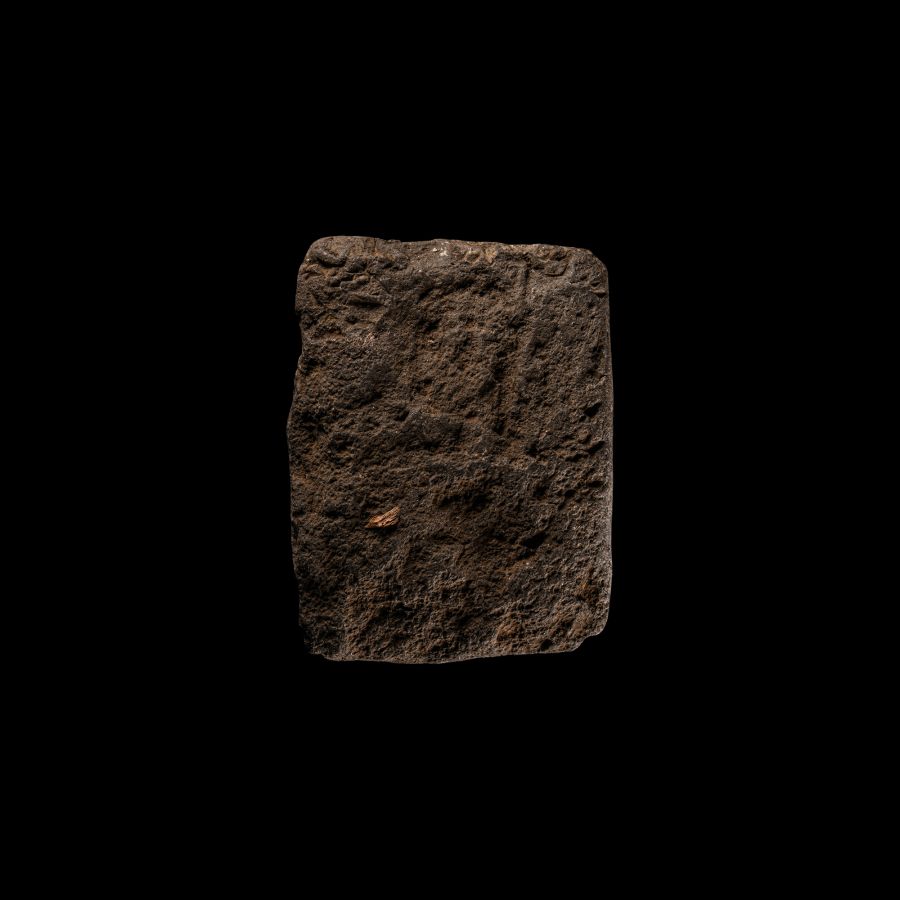
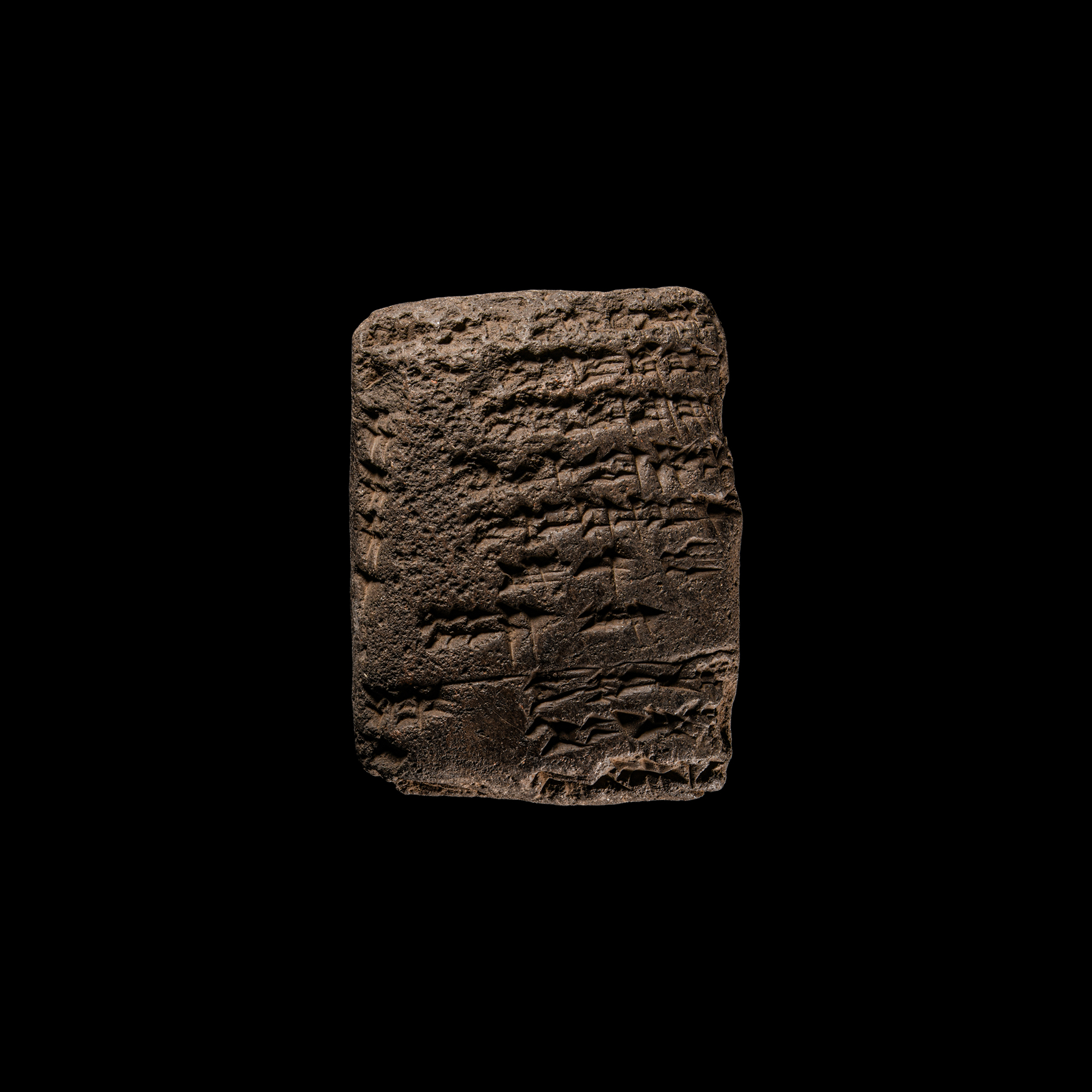
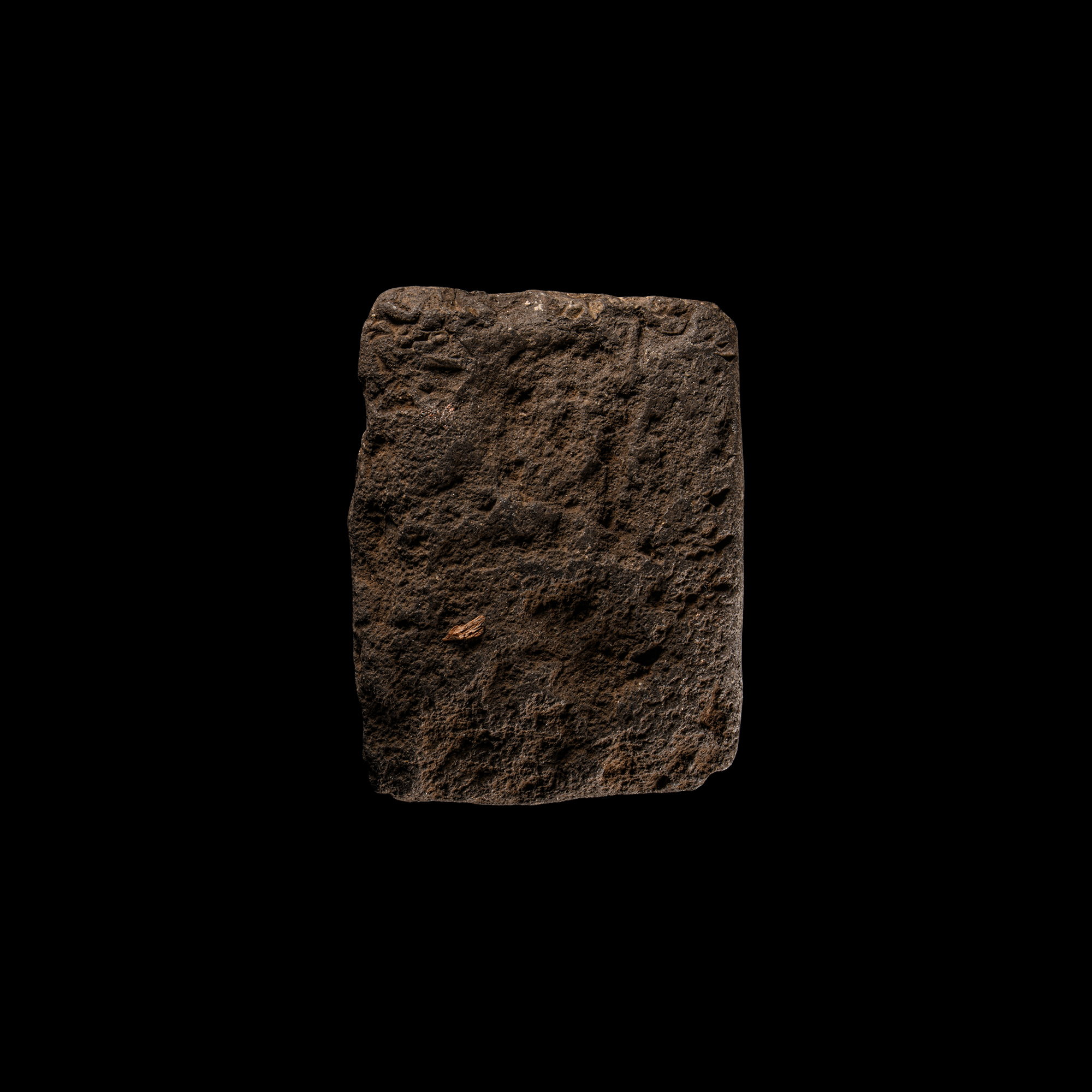
Babylonian Cuneiform Clay Tablet
CIRCA 2000 B.C.
2 1/4 in. (60 grams, 58 mm).
Pillow-shaped and bearing ten horizontal lines of cuneiform text to the principal face with one vertical line to the side. [No Reserve]
ProvenanceAcquired before 1990s/early 2000s.
From the family collection of Jack Lyttle (1944-2023), Kilmacolm, Scotland; thence by descent to his granddaughter.
Property of an East Sussex, UK, gentleman.
TimeLine Auctions follows a vetting process to ensure the authenticity and legality of all items, reinforcing our commitment to integrity and responsible trading. Each antiquity, antique, and coin lot undergoes thorough examination by a vetting committee of at least ten external specialists, professional trade association members, scientists, and archaeologists: Our Vetting Process
AUCTIONS:
TimeLine is a leading auction house specialising in antiquities, ancient art, collectables, natural history, coins, medals, and books. Our auctions offer museums, collectors, historians, and enthusiasts the opportunity to acquire unique and historically significant pieces.
-
Western Asiatic Gold Pendant with Turquoise
Late 1st millennium B.C. or laterSold for (Inc. bp): £85
Comprising a turquoise-coloured glass bead, encased inside a gold fitting with a suspension loop. 0.17 grams, 8.30 mm
From a late Japanese specialist collector, 1970-2000s.
A great number of turquoise jewellery was employed by the Kushans, as shown by the marvellous finds of Tillya Tepe. In grave I the remains of a noblewoman show complex garment decoration, making use of bracteates, including triangles of gold with a granulated finish, double lozenges in turquoise, lapis lazuli and pyrites, and a square bracteate with turquoise inlaid work. -
Western Asiatic Round Stone Stamp Seal
3rd millennium B.C.Sold for (Inc. bp): £234
Discoid plano-convex seal with raised lug to the reverse pierced for suspension; incised design of a regular grid. 17.5 grams, 35 mm wide
Collected from 1969-1999. From the collection of the late Mr S.M., London, UK. -
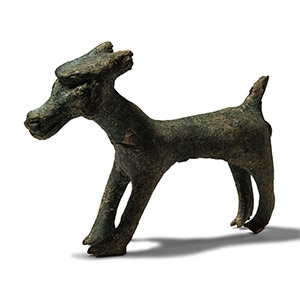
Urartu Bronze Stag Statuette
1st millenium B.C.Estimate: £1,000 - 1,400 (+bp*)
Opening Bid: £500
With deep brow-ridge and swept ears, narrow waist and short tail; hollow to the underside. 899 grams, 16 cm wide
Ex Paris collection. French gallery, Paris, 1990-2000s.
