
Loading, please wait...
LOT 0913
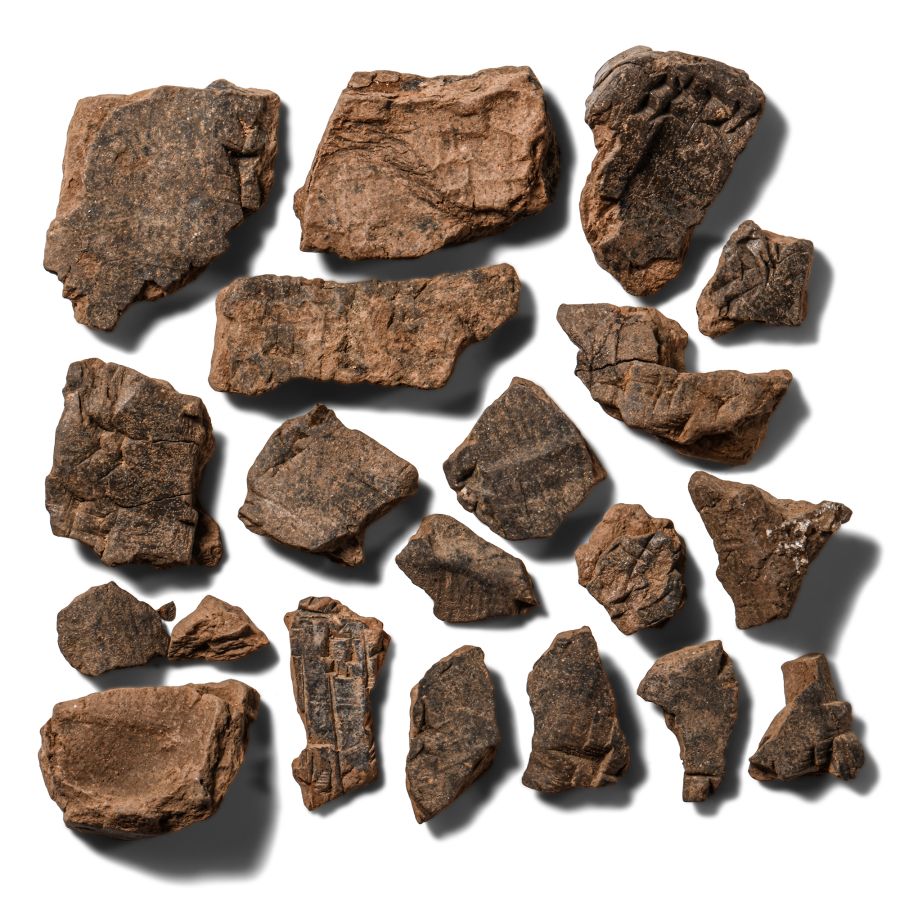
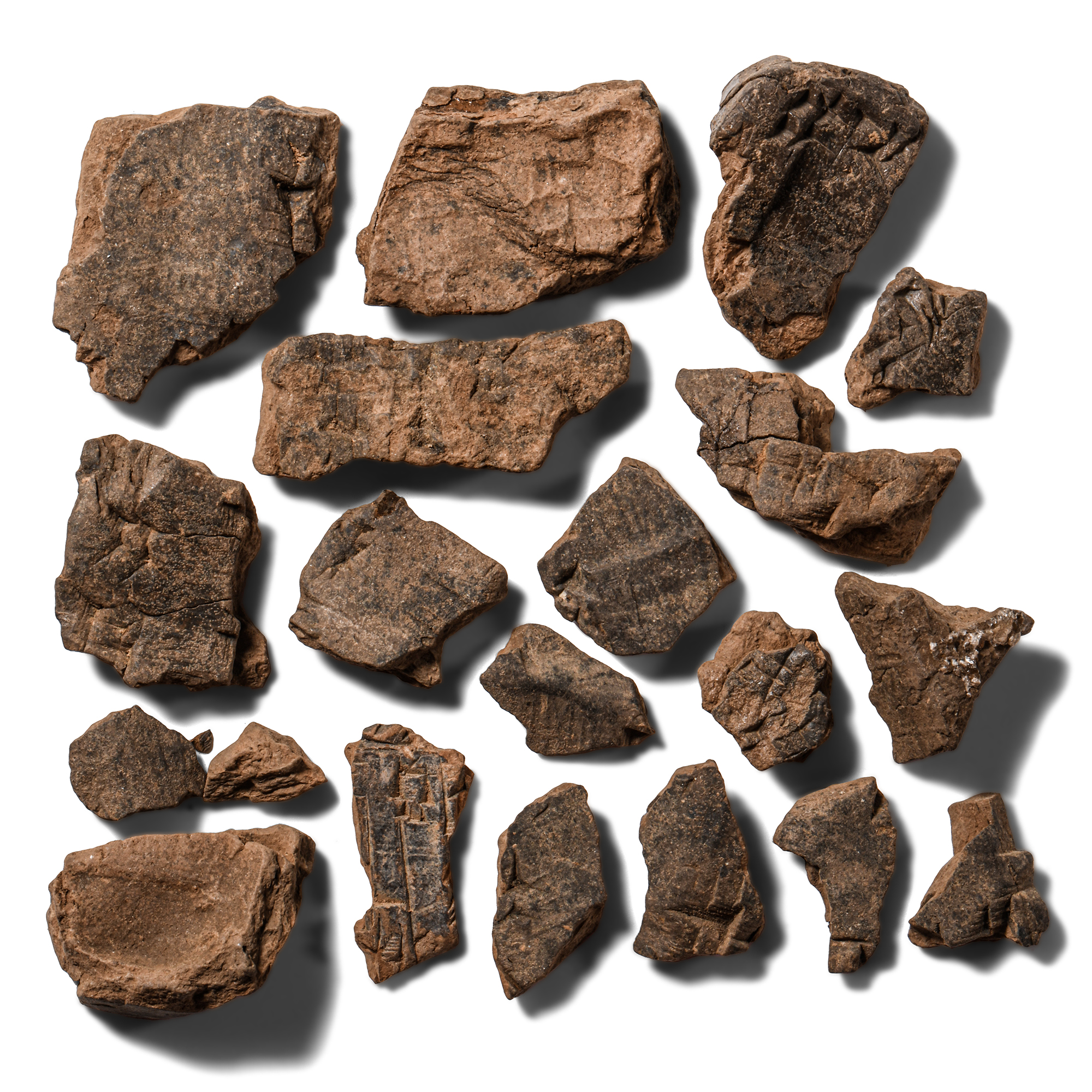
Babylonian Cuneiform Clay Tablet Fragment Group
4TH-3RD MILLENNIUM B.C.
3/8 - 1 1/8 in. (27.4 grams total, 10-30 mm).
Comprising a quantity of envelope fragments, including examples bearing cuneiform text or cylinder seal impressions. [No Reserve]
ProvenanceProperty of a UK gentleman, acquired in the 1970s.
Property of an East Sussex, UK, gentleman.
TimeLine Auctions follows a vetting process to ensure the authenticity and legality of all items, reinforcing our commitment to integrity and responsible trading. Each antiquity, antique, and coin lot undergoes thorough examination by a vetting committee of at least ten external specialists, professional trade association members, scientists, and archaeologists: Our Vetting Process
AUCTIONS:
TimeLine is a leading auction house specialising in antiquities, ancient art, collectables, natural history, coins, medals, and books. Our auctions offer museums, collectors, historians, and enthusiasts the opportunity to acquire unique and historically significant pieces.
-
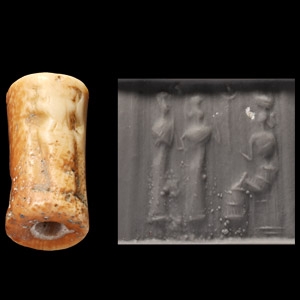
Western Asiatic Shell Cylinder Seal with Presentation Scene
2nd-1st millennium B.C.Sold for (Inc. bp): £85
With incised frieze of a seated figure in tiered garment facing a standing figure in floor-length garment, second figure behind with arms crossed at the chest, blank space to the rear to accept text. 4.1 grams, 21 mm
Acquired 1970s-1996. Property of a North American collector; ; collection no.067. London collection, 2016. -
.jpg)
Large Western Asiatic Stone Stamp Seal
4th millennium B.C.Sold for (Inc. bp): £468
Rectangular in plan with angled upper faces and transverse piercing; incuse design of three ibexes in procession, zigzag above; chlorite. 92 grams, 73 mm
Ex Paris collection. French gallery, Paris, 1990-2000s. -
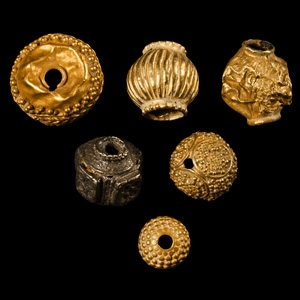
Ancient Gold Bead Collection
Circa 1st millennium B.C.Sold for (Inc. bp): £286
Mixed group comprising three granulated and three collared beads. 3.02 grams total, 5-9 mm
From an old London, UK, collection. Some formerly in the private London collection of the late Mr SM, 1979-1999; thence by descent.
