
Loading, please wait...
LOT 3179
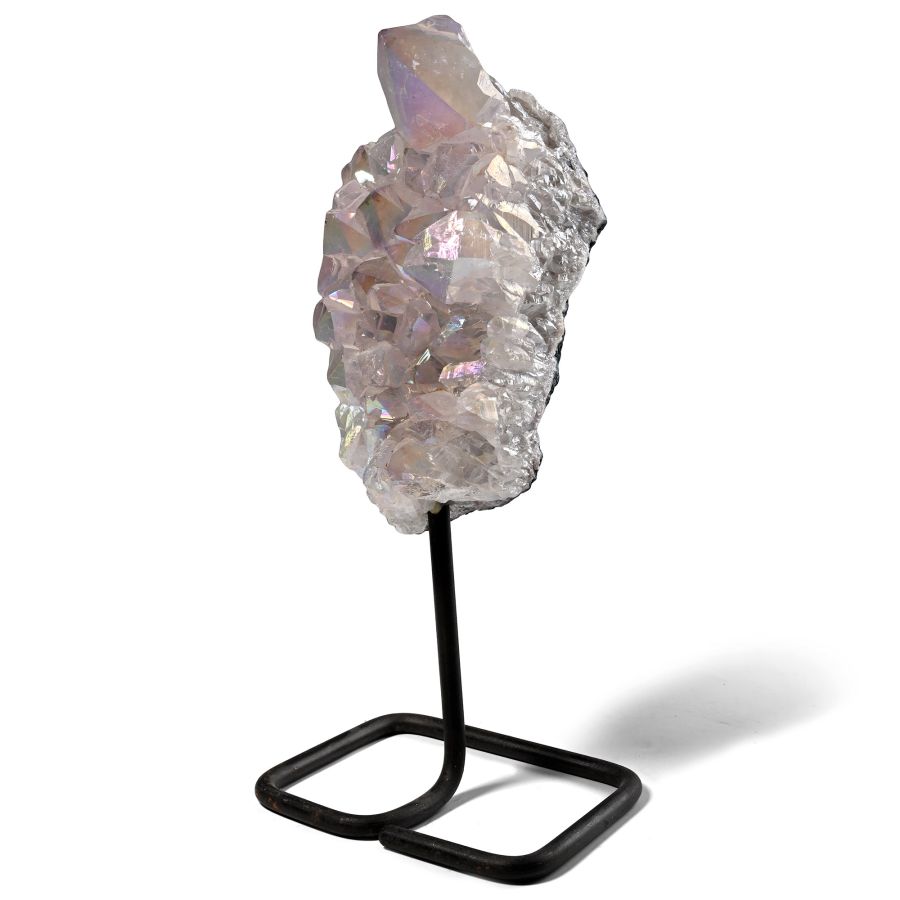
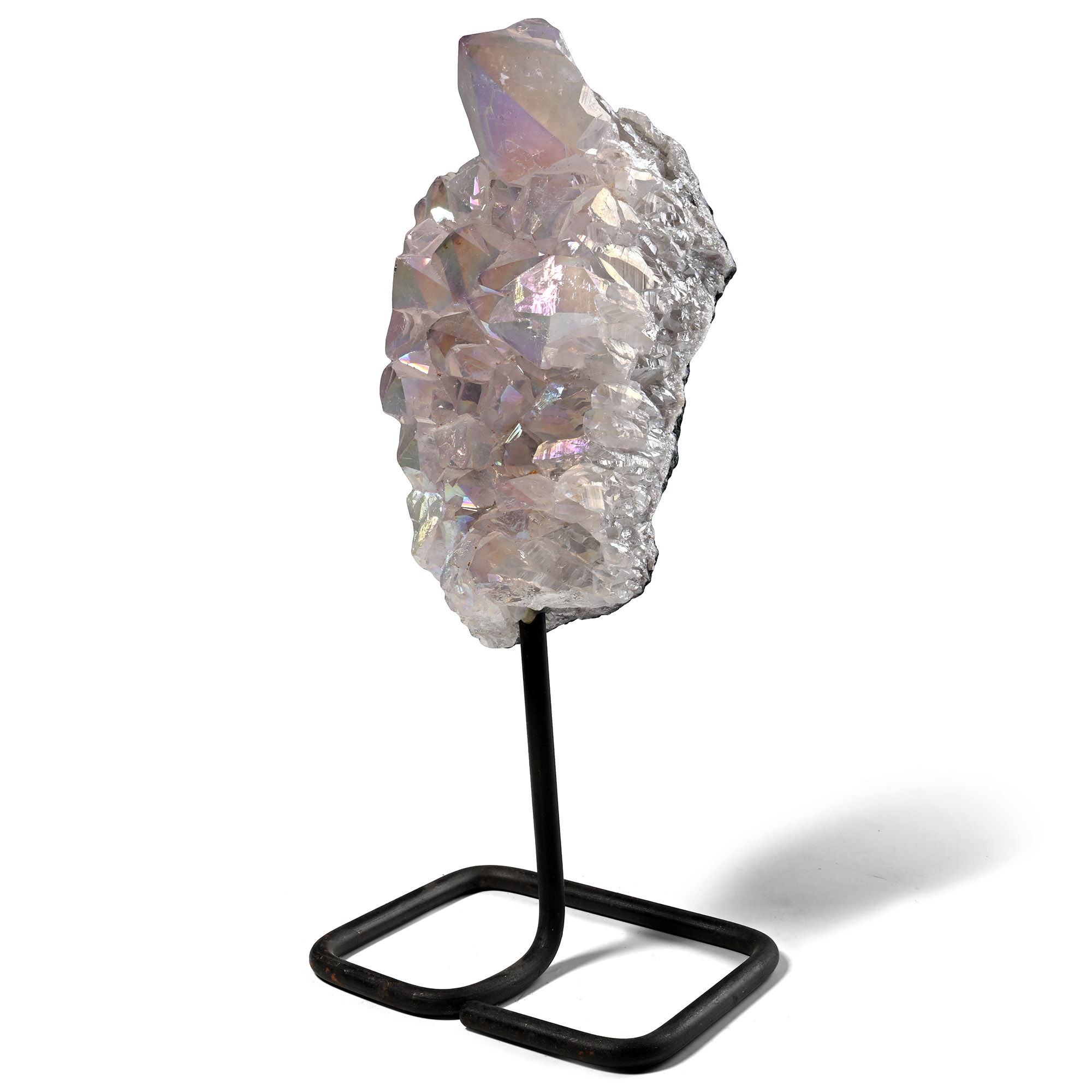
Aura Quartz Crystal Display on Stand
11 1/4 in. (1.81 kg total, 28.5 cm including stand).
Geode section with large prismatic quartz crystals bonded with a metallic coating displaying vibrant iridescence, accompanied by a custom-made display stand. [No Reserve]
ProvenanceFrom Brazil.
Property of a Bristol, UK, gentleman collector.
TimeLine Auctions follows a vetting process to ensure the authenticity and legality of all items, reinforcing our commitment to integrity and responsible trading. Each antiquity, antique, and coin lot undergoes thorough examination by a vetting committee of at least ten external specialists, professional trade association members, scientists, and archaeologists: Our Vetting Process
AUCTIONS:
TimeLine is a leading auction house specialising in antiquities, ancient art, collectables, natural history, coins, medals, and books. Our auctions offer museums, collectors, historians, and enthusiasts the opportunity to acquire unique and historically significant pieces.
LOT 3179
Aura Quartz Crystal Display on Stand
Estimate £80 - 100€93 - 116 (for guidance only)$108 - 135 (for guidance only)
Opening Bid
£5 (EUR 6; USD 7) +BP*
-
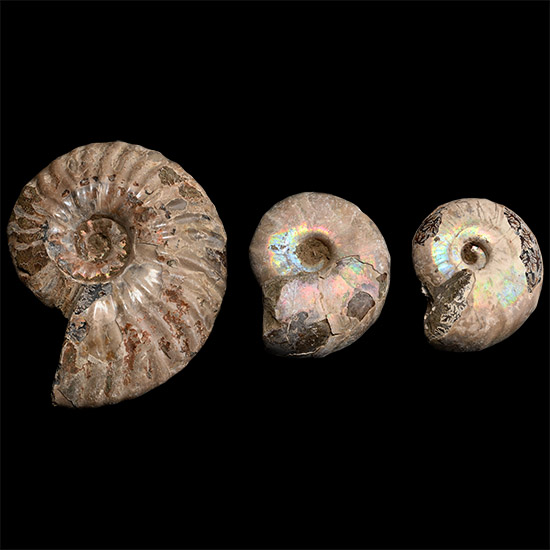
Iridescent Fossil Ammonite Collection
Jurassic Period, circa 199-145 million years B.P.Estimate: £30 - 40 (+bp*)
Opening Bid: £5
Comprising three fossilised ammonites showing areas of iridescence. 265 grams total, 47-78 mm
From a Lincolnshire, UK, collection. -
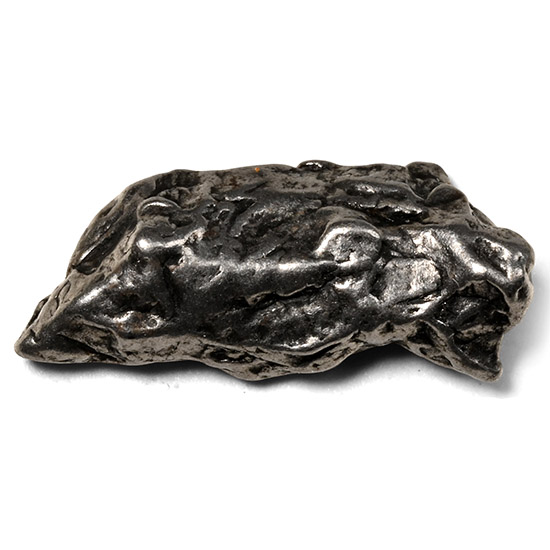
Campo Del Cielo Iron Meteorite
Fell 6000-5000 years B.P.Estimate: £30 - 40 (+bp*)
Opening Bid: £5
Comprising an elongated iron (IAB) meteorite. 1.67 grams, 15 mm
From Chaco Province, Argentina, the fall was discovered in 1576. Previously in a private collection formed in the 2000s. Acquired at auction in the UK. Property of a West Sussex, UK, gentleman.
A crater field of roughly 26 craters was found in the vicinity of this crater, which is estimated to date to 4-5 thousand years BP. The age of the meteorite itself is thought to be c.4.5 billion years, formed as part of the development of this solar system. The largest two fragments, the 30.8 ton Gancedo and 28.8 ton El Chaco, are among the heaviest meteorite masses ever recovered on Earth. In 1576, the governor of a province in Northern Argentina commissioned the military to search for a large mass of iron, which it was believed the local people claimed had fallen from the sky and which they used for their weapon production. The expedition discovered a large mass of metal which was assumed to be an iron mine and brought back a few samples, which were described as being of unusual purity. Following the legends, in 1774 Don Bartolomé Francisco de Maguna rediscovered the iron mass. He himself did not believe that the stone had fallen from the sky and assumed that it had formed by a volcanic eruption. However, he sent the samples to the Royal Society of London. In 1990, it became protected by law. -
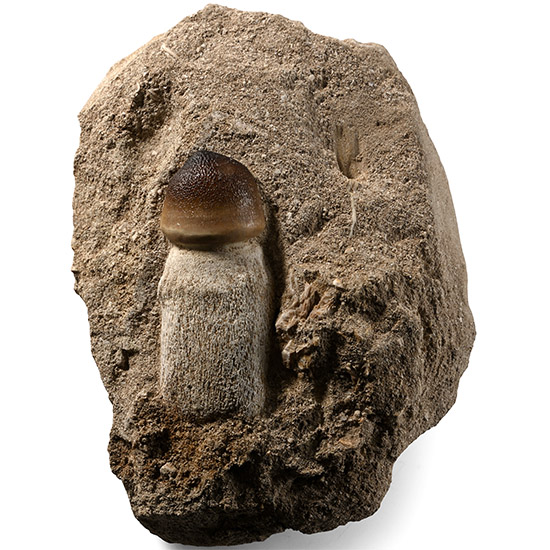
Mosasaur Globidens 'Marine Dinosaur' Fossil Tooth in a Matrix
Cretaceous Period, 75-67 million years B.P.Estimate: £40 - 60 (+bp*)
Opening Bid: £5
Rounded, blunt tooth with dark brown enamel on a sandstone matrix. 421 grams, 13 cm
Acquired on the UK fossil and mineral market. Property of a West Sussex, UK, gentleman.
Mosasaur globidens grew up to the size of modern large crocodiles and was unusual compared to other Mosasaur species in that it hadn't evolved into a fast, agile predator. It preyed on slow-moving, heavily armoured prey and was adapted to crushing through their shell.
