
Loading, please wait...

LOT 1322
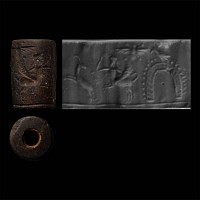
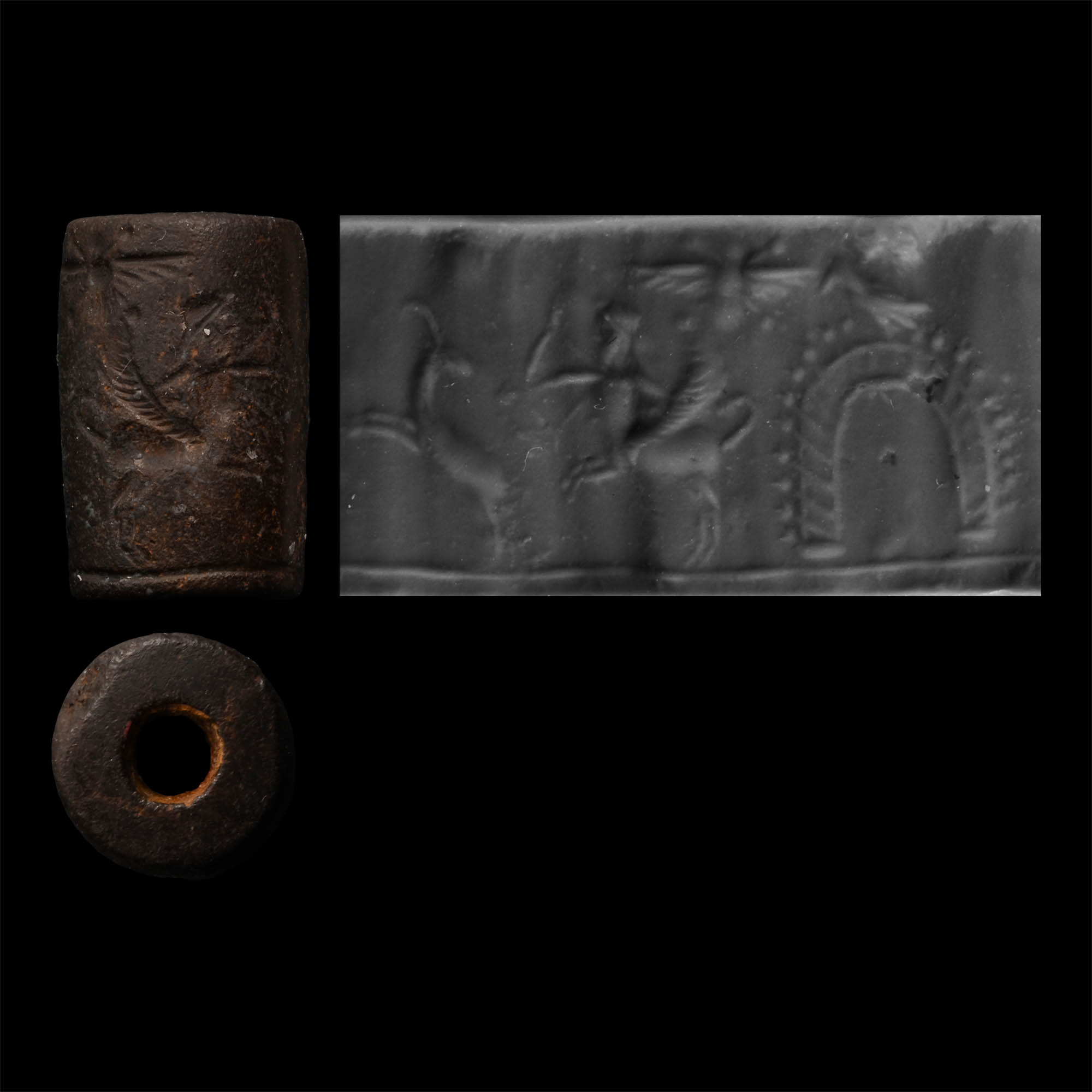
Assyrian Haematite Cylinder Seal with Hunting Scene
1ST MILLENNIUM B.C.
5/8 in. (3.65 grams, 15 mm).
Frieze including ribbed arch, gryphon drawing a bow, winged sun-disc, rampant ibex.
ProvenanceFrom the 'S' collection, 1970-1990s.
CONDITIONTimeLine Auctions follows a vetting process to ensure the authenticity and legality of all items, reinforcing our commitment to integrity and responsible trading. Each antiquity, antique, and coin lot undergoes thorough examination by a vetting committee of at least ten external specialists, professional trade association members, scientists, and archaeologists: Our Vetting Process
AUCTIONS:
TimeLine is a leading auction house specialising in antiquities, ancient art, collectables, natural history, coins, medals, and books. Our auctions offer museums, collectors, historians, and enthusiasts the opportunity to acquire unique and historically significant pieces.
LOT 1322
Assyrian Haematite Cylinder Seal with Hunting Scene
Estimate £400 - 600€460 - 700 (for guidance only)$540 - 810 (for guidance only)
-

Western Asiatic Brown Stone Cylinder Seal with Presentation Scene
Circa 21st millennium B.C.Sold for (Inc. bp): £286
Frieze depicting two opposed seated figures with arms outstretched and faravahar above, column of later cuneiform text. 11.9 grams, 32 mm
UK private collection before 2000. Acquired on the UK art market. Property of a London gentleman. -
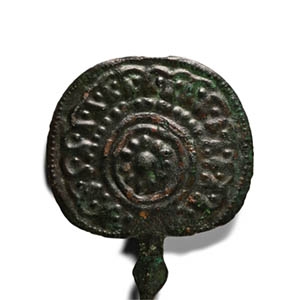
Luristan Decorated Pinhead
13th-6th century B.C.Sold for (Inc. bp): £117
38 grams, 26.7 cm
From the private collection of Mr K.A., acquired in the 1990s-early 2000s. -

Amlash Type Bronze Spearhead
12th-11th century B.C.Sold for (Inc. bp): £117
With a long ovate blade and curved shoulders, broad midrib and a rectangular sectioned tang, a reinforced shaft opening to reveal the tang and rounded shoulders. 313 grams, 38 cm
Acquired 1980-2015. Ex Abelita family collection.
The weapon belongs to the type 1 of the spear-head classification of Khorasani, mainly originating from Marlik or Amlash areas. Similar pieces have been dated by Stutzinger to 1200-1100 B.C.
