
Loading, please wait...
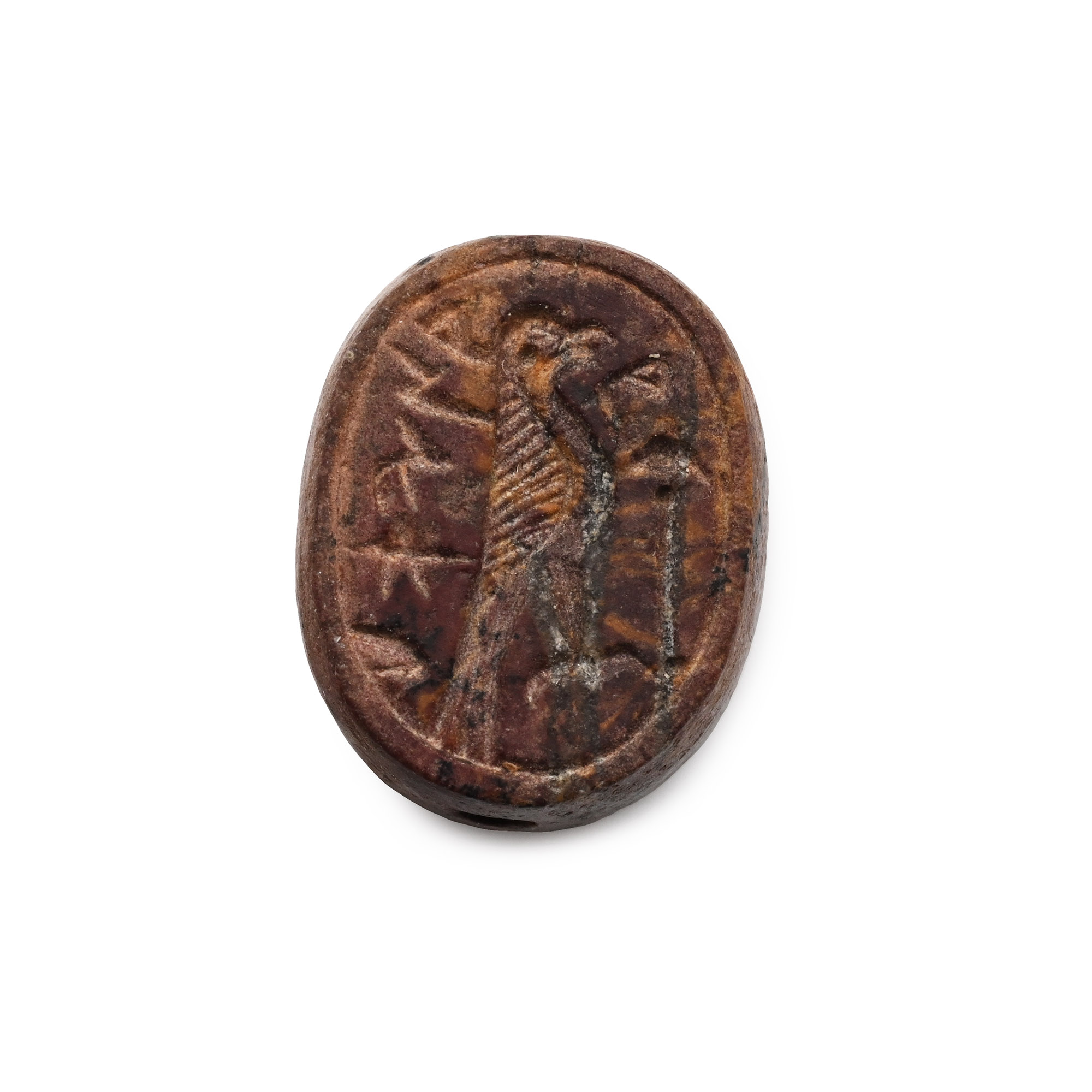
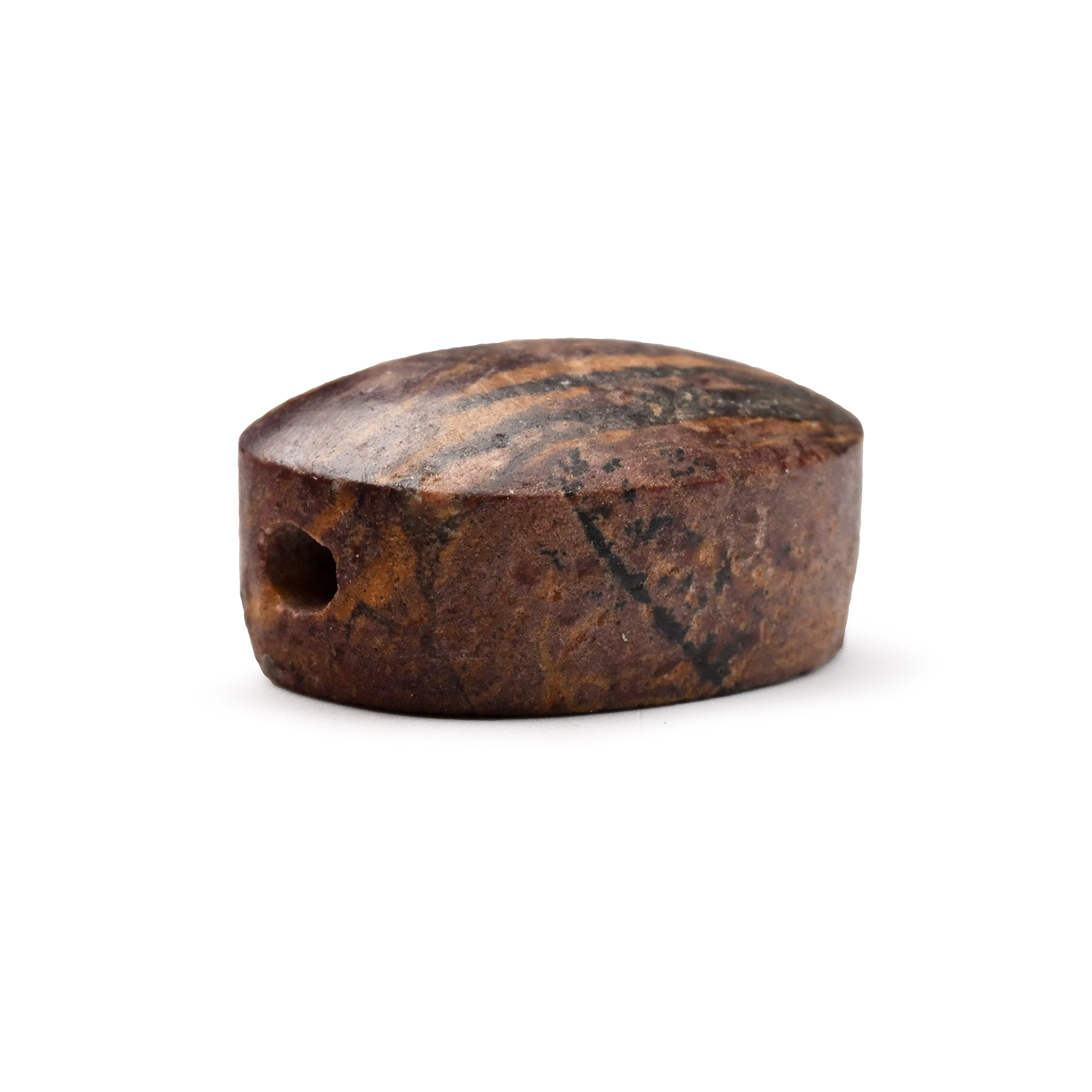
LOT 0259
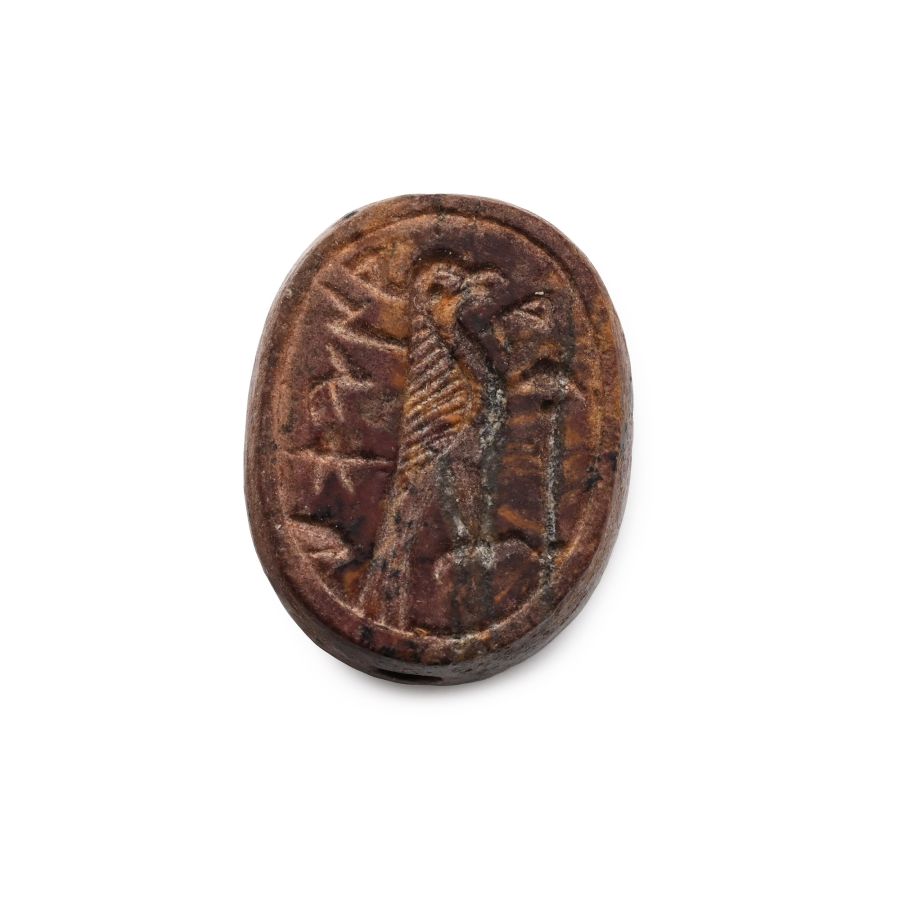
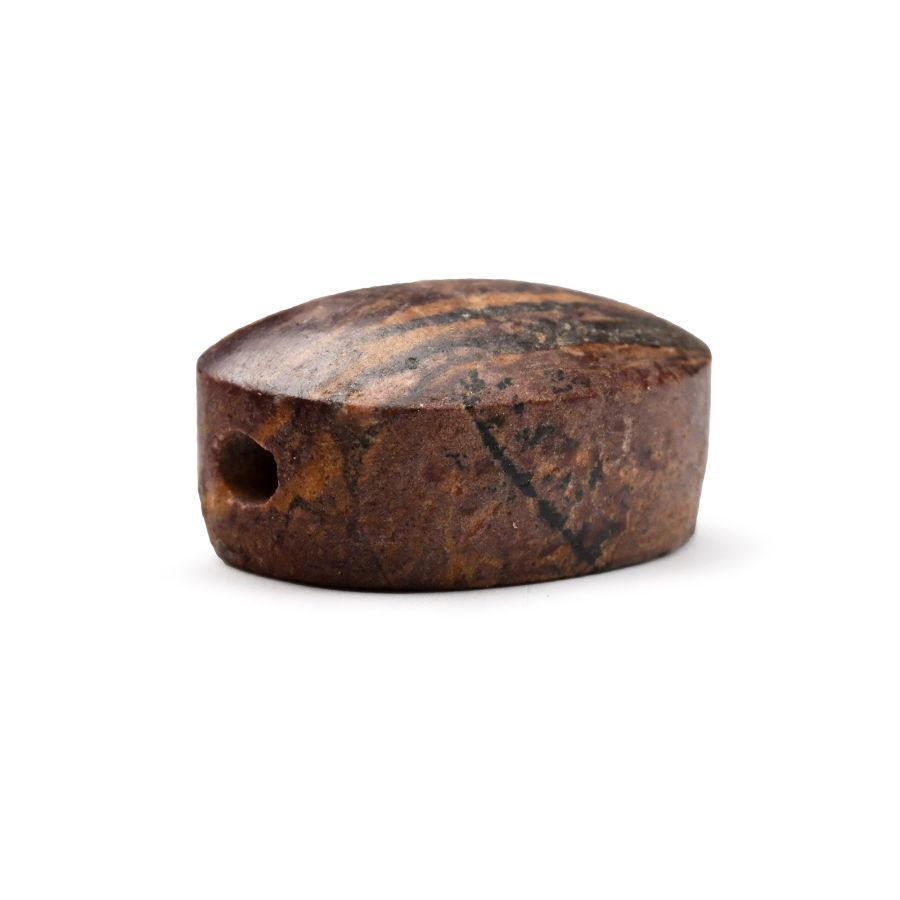
Aramaic Stone Inscribed Scaraboid Seal
6TH-4TH CENTURY B.C.
5/8 in. (2.83 grams, 16 mm).
Intaglio perching bird to underside with legend.
ProvenanceEx London, UK, gentleman 1980-1990s.
This lot has been cleared against the Art Loss Register database, and is accompanied by an illustrated lot declaration signed by the Head of the Antiquities Department, Dr Raffaele D'Amato.
TimeLine Auctions follows a vetting process to ensure the authenticity and legality of all items, reinforcing our commitment to integrity and responsible trading. Each antiquity, antique, and coin lot undergoes thorough examination by a vetting committee of at least ten external specialists, professional trade association members, scientists, and archaeologists: Our Vetting Process
AUCTIONS:
TimeLine is a leading auction house specialising in antiquities, ancient art, collectables, natural history, coins, medals, and books. Our auctions offer museums, collectors, historians, and enthusiasts the opportunity to acquire unique and historically significant pieces.
-
Western Asiatic Rock Crystal Bead Necklace
19th century A.D. and earlierSold for (Inc. bp): £78
Comprising polyhedral, facetted fusiform and other beads with barrel-shaped spacers. 58 grams, 48 cm
Acquired on the UK art market. From the collection of G.M.R.H., London, UK. This lot has been cleared against the Art Loss Register database, and is accompanied by an illustrated lot declaration signed by the Head of the Antiquities Department, Dr Raffaele D'Amato. -
Glass Bead Necklace String
20th century A.D.Sold for (Inc. bp): £98
Composed of large coral pink-coloured cylindrical and ellipsoid beads; restrung. 170 grams, 46 cm
Ex collection of a late London gentleman, 1970-1990s. This lot has been cleared against the Art Loss Register database, and is accompanied by an illustrated lot declaration signed by the Head of the Antiquities Department, Dr Raffaele D'Amato. -
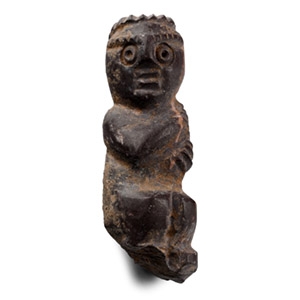
South Mesopotamian Stone Male Figure
2nd millennium B.C. and laterSold for (Inc. bp): £156
Carved in the round with textured hair, holding an object to his left shoulder; in seated pose. 13.12 grams, 43 mm
Ex S collection, London, UK, 1970-1990s. This lot has been cleared against the Art Loss Register database, and is accompanied by an illustrated lot declaration signed by the Head of the Antiquities Department, Dr Raffaele D'Amato.
