
Loading, please wait...
LOT 1121
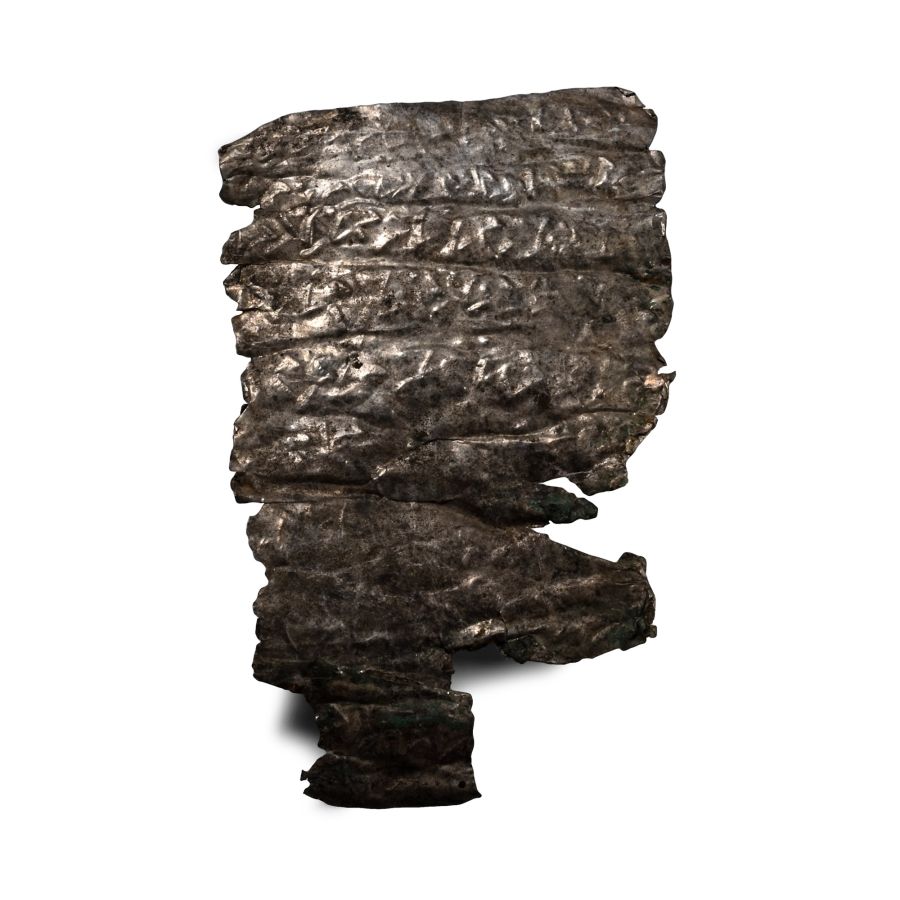
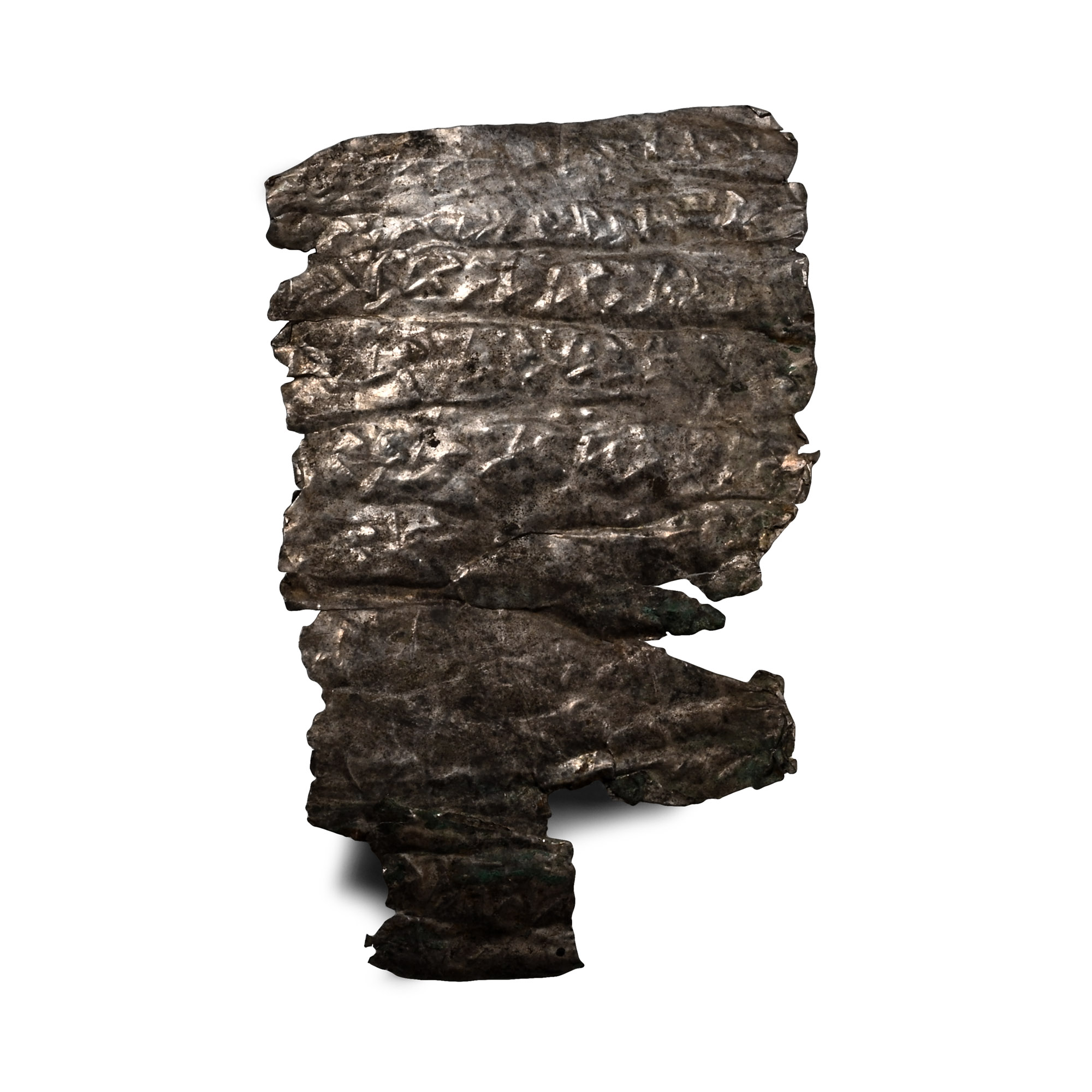
Aramaic Silver Plaque
2ND-8TH CENTURY A.D.
1 3/4 in. (0.52 grams, 46 mm).
Sheet-silver rectangle with impressed text; unfolded.
ProvenanceFrom the collection of a gentleman, acquired on the London art market in the 1990s.
This lot has been cleared against the Art Loss Register database, and is accompanied by an illustrated lot declaration signed by the Head of the Antiquities Department, Dr Raffaele D'Amato.
TimeLine Auctions follows a vetting process to ensure the authenticity and legality of all items, reinforcing our commitment to integrity and responsible trading. Each antiquity, antique, and coin lot undergoes thorough examination by a vetting committee of at least ten external specialists, professional trade association members, scientists, and archaeologists: Our Vetting Process
AUCTIONS:
TimeLine is a leading auction house specialising in antiquities, ancient art, collectables, natural history, coins, medals, and books. Our auctions offer museums, collectors, historians, and enthusiasts the opportunity to acquire unique and historically significant pieces.
-
.jpg)
Western Asiatic Decorated Black Stone Bowl
1st millennium B.C.Sold for (Inc. bp): £286
With a rounded body and flat base, the body decorated with four bands of geometric motifs. 424 grams, 10.5 cm
From a collection formed before 1988, London and Geneva. This lot has been cleared against the Art Loss Register database, and is accompanied by an illustrated lot declaration signed by the Head of the Antiquities Department, Dr Raffaele D'Amato. -
.jpg)
Neo Sumerian Hardstone Cylinder Seal with Worship Scene
Circa 2200-2100 B.C.Sold for (Inc. bp): £286
Featuring a finely carved single register with a male figure seated on a throne, probably a deified king, resting one of his arms on the throne and the other outstretched in the act of giving or receiving, wearing a flounced robe of descending layers in Babylonian style, a crescent moon above the king; before him a worshipper and a supplicant goddess. 1.8 grams, 20 mm
Ex property of the late Mr S.M., London, UK, 1970-1990s, thence by descent. Accompanied by a previous typed cataloguing card. This lot has been cleared against the Art Loss Register database, and is accompanied by an illustrated lot declaration signed by the Head of the Antiquities Department, Dr Raffaele D'Amato. -
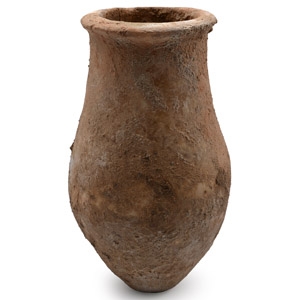
Mesopotamian Stone Vessel
1st millennium B.C.Estimate: £120 - 170 (+bp*)
Opening Bid: £60
Piriform in profile with rounded base, everted rim. 676 grams, 13.7 cm
From a collection formed before 1990. Ex Mayfair, London, UK, gallery, 2000s. This lot has been cleared against the Art Loss Register database, and is accompanied by an illustrated lot declaration signed by the Head of the Antiquities Department, Dr Raffaele D'Amato.
