
Loading, please wait...
LOT 1276
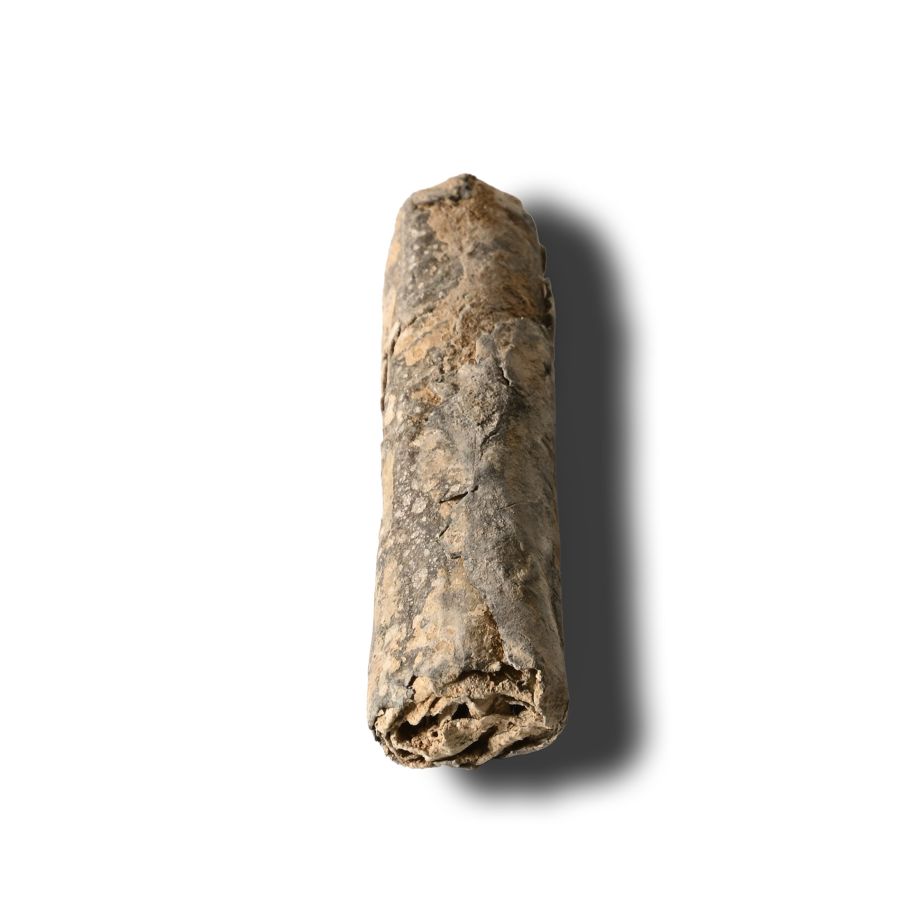
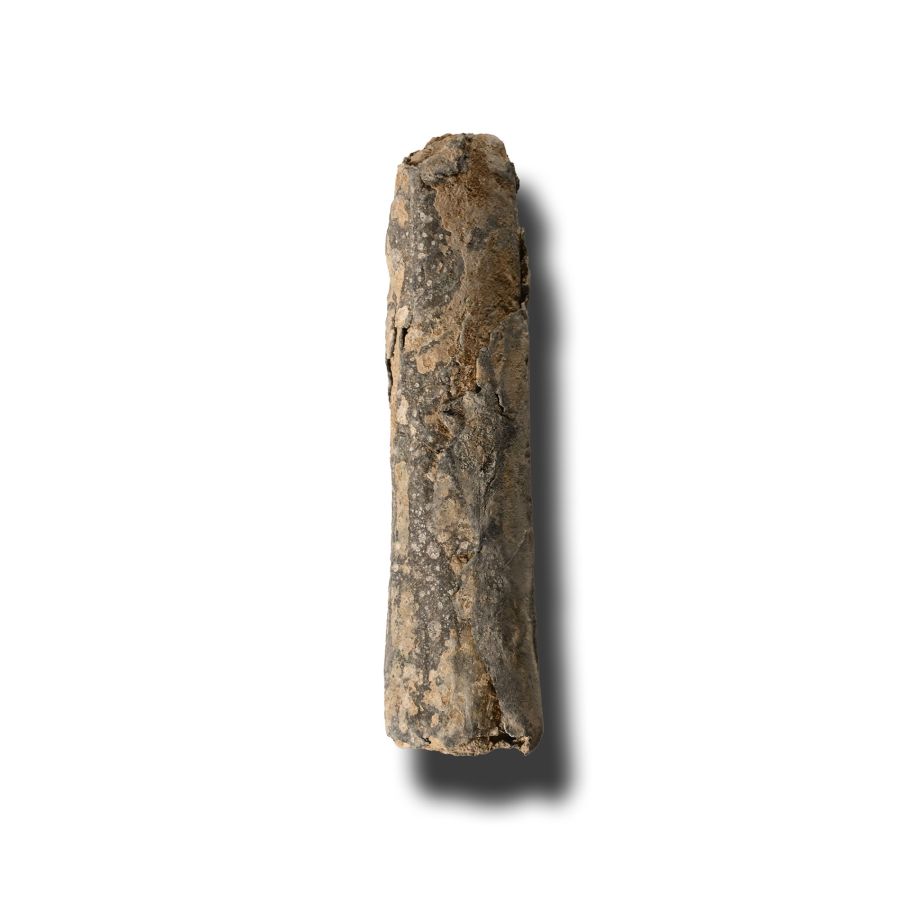
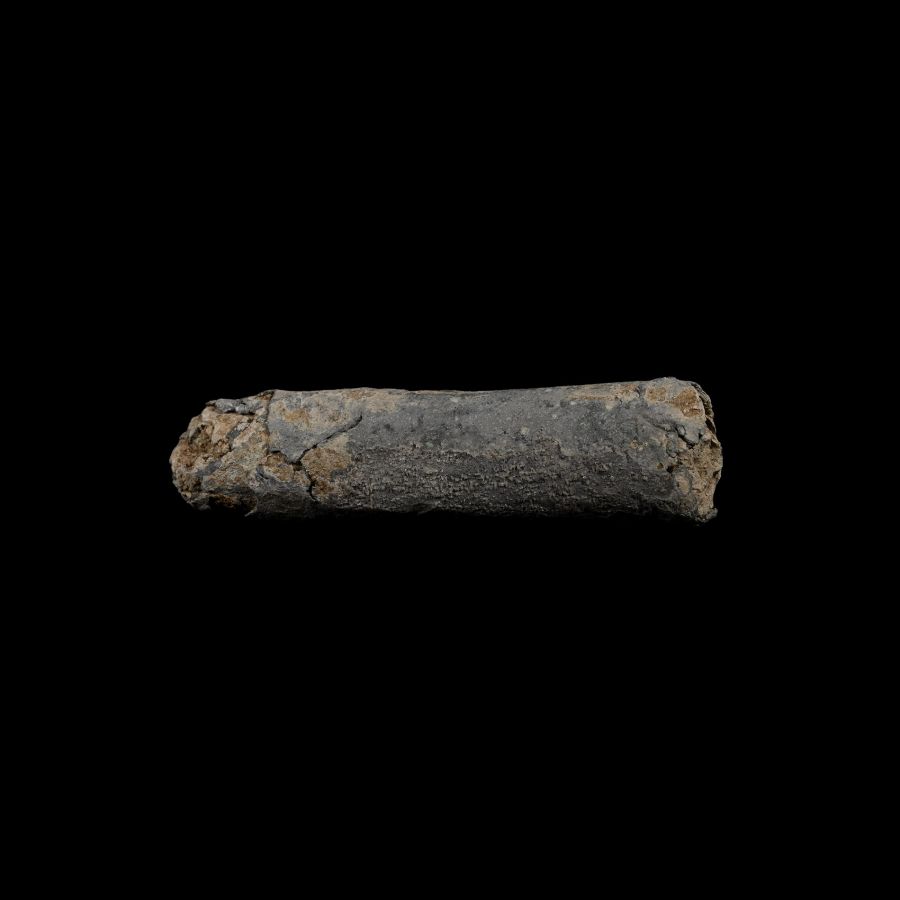
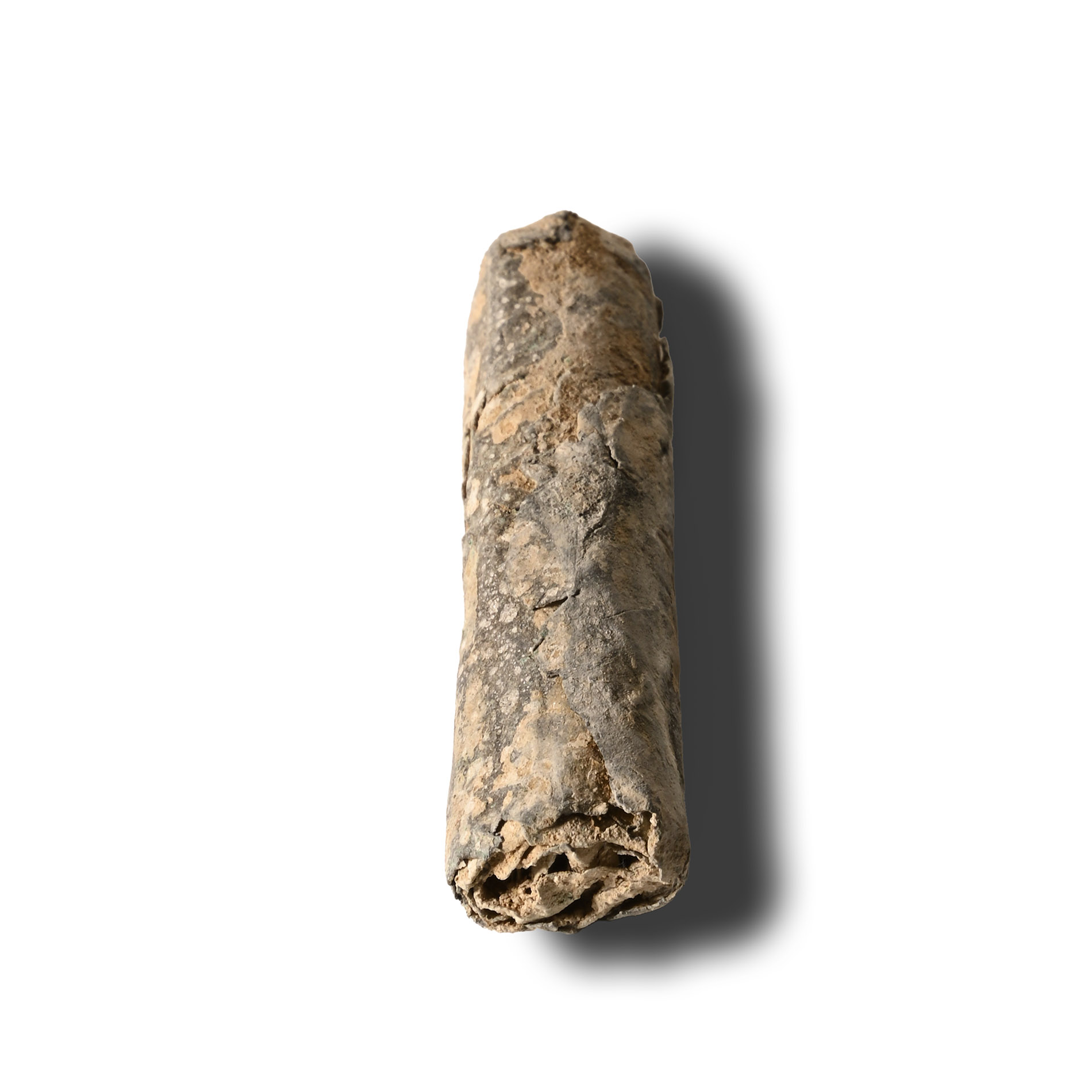
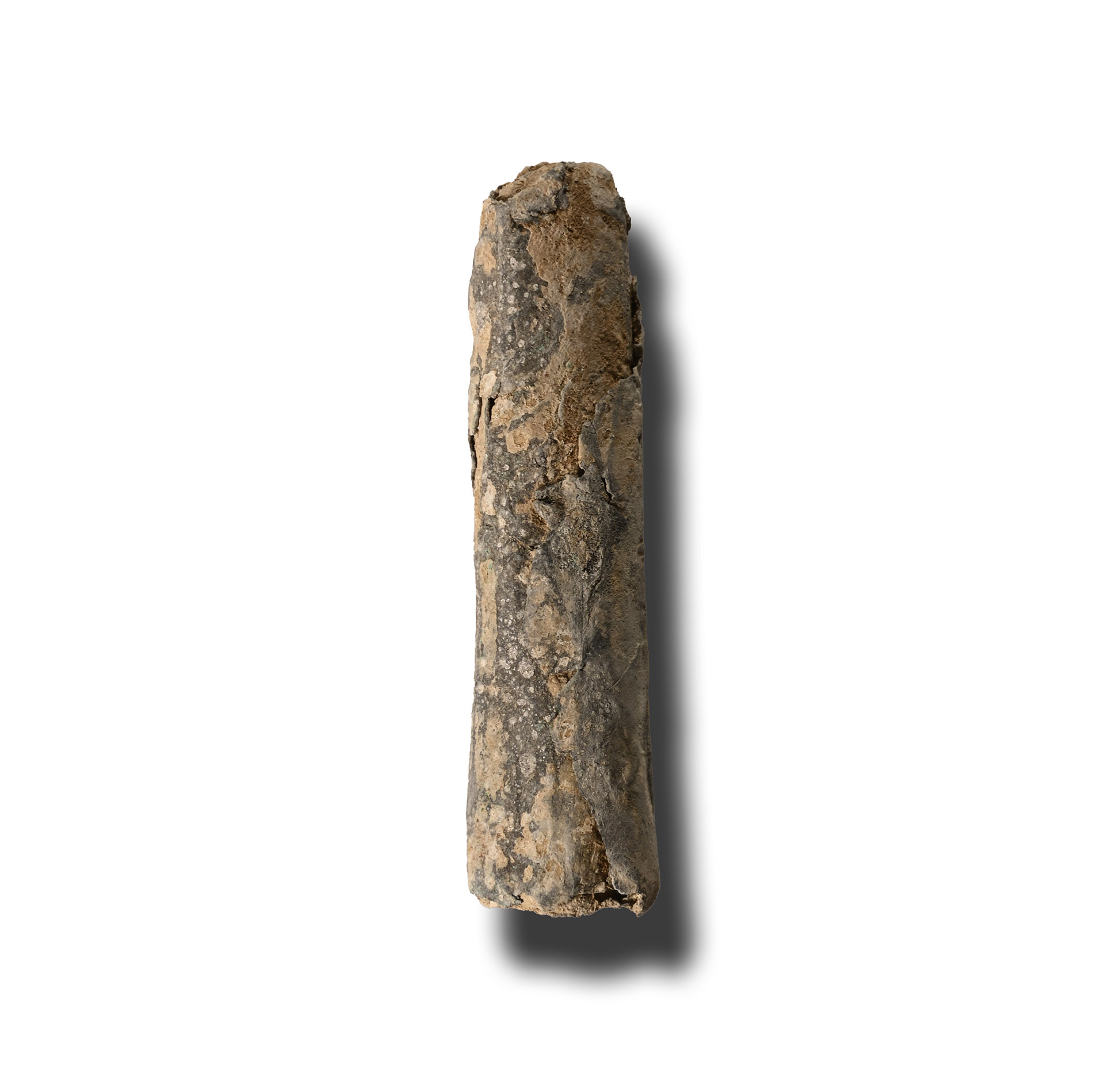
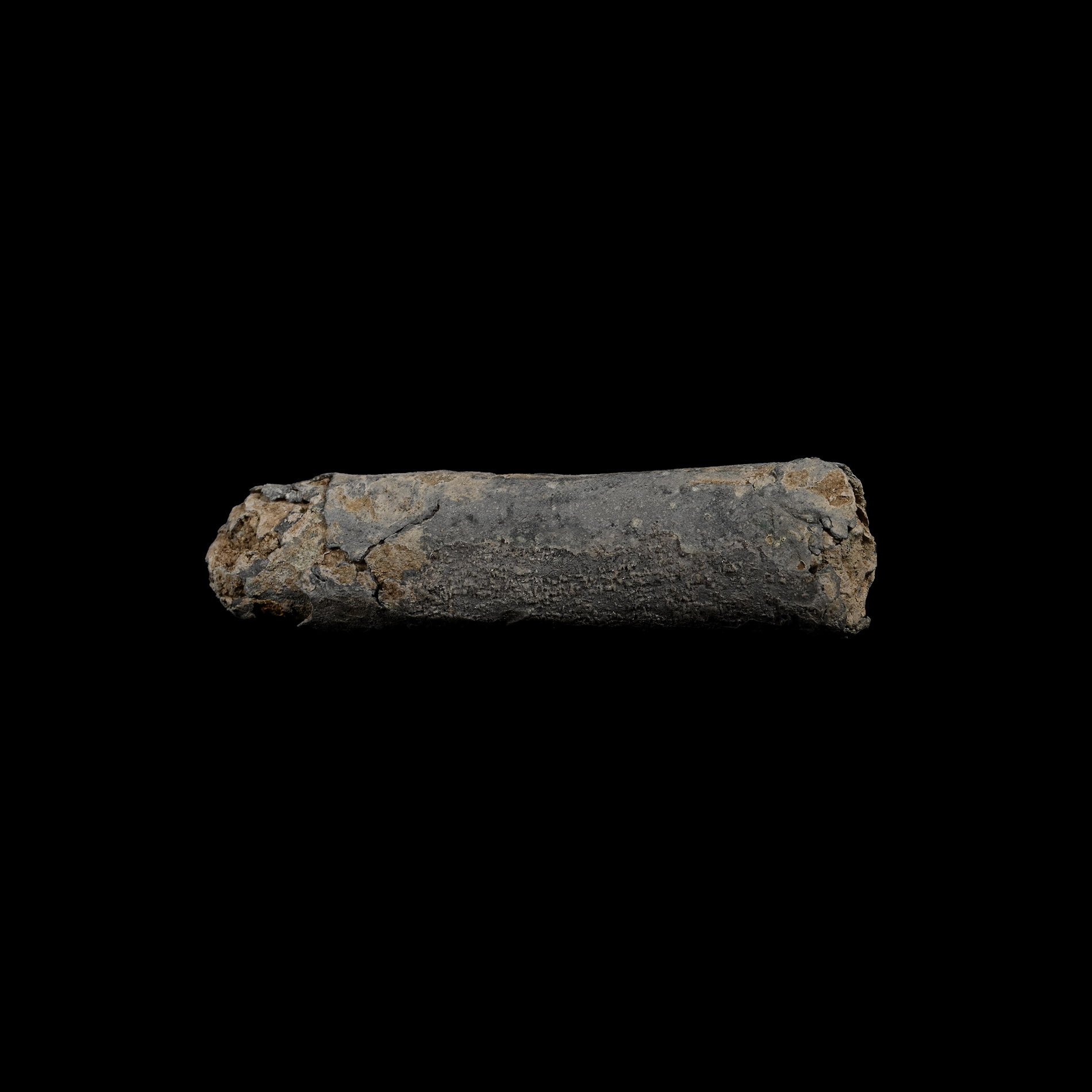
Aramaic Lead Scroll with Magical Text
2ND-8TH CENTURY A.D.
2 1/4 in. (31 grams, 58 mm).
A rectangular lead sheet rolled into a tight scroll with the text to the inner face.
ProvenanceCollected from 1970-1999.
From the collection of the late Mr S.M., London, UK.
The item was possibly meant to be what the Romans called a defixio or 'curse tablet', on which the magical malediction was recorded and then shut away (by being tightly rolled up) so that the victim could not find it or change it.
CONDITIONTimeLine Auctions follows a vetting process to ensure the authenticity and legality of all items, reinforcing our commitment to integrity and responsible trading. Each antiquity, antique, and coin lot undergoes thorough examination by a vetting committee of at least ten external specialists, professional trade association members, scientists, and archaeologists: Our Vetting Process
AUCTIONS:
TimeLine is a leading auction house specialising in antiquities, ancient art, collectables, natural history, coins, medals, and books. Our auctions offer museums, collectors, historians, and enthusiasts the opportunity to acquire unique and historically significant pieces.
LOT 1276
Aramaic Lead Scroll with Magical Text
Estimate £300 - 400€350 - 460 (for guidance only)$410 - 540 (for guidance only)
-
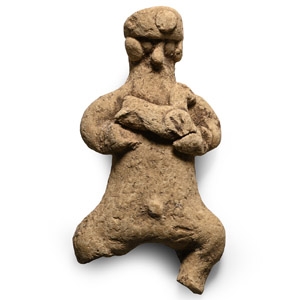
Syro-Hittite Terracotta Fertility Figure
Syro-Hittite States, 1180-700 B.C.Sold for (Inc. bp): £260
Modelled in the round with domed headdress, in crouching pose holding a small animal in his bent arms; applied eyes, nose and headdress elements;rear of head absent. 81.7 grams, 11.1 cm
Ex property of the late Mr S.M., London, UK, 1969-1999, thence by descent. -
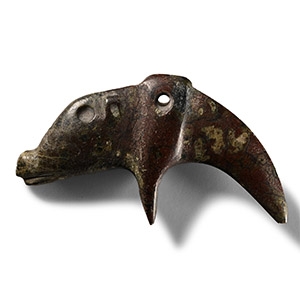
Sumerian Jemdet Nasr Type Stone Boar Amulet
Late 4th-early 3rd millennium B.C.Estimate: £400 - 600 (+bp*)
Opening Bid: £222
With a crescentic polished body, head with drilled eyes and slit mouth, pierced through the raised median collar. 11.2 grams, 56 mm
Collected from 1970-1999. From the collection of the late Mr S.M., London, UK. -
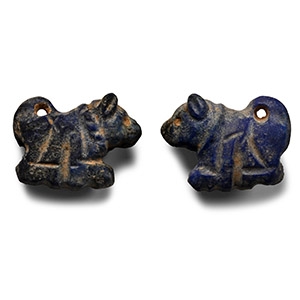
Bactrian Lapis Lazuli Standing Animal Beads
3rd millennium B.C.Estimate: £400 - 600 (+bp*)
Opening Bid: £160
Amuletic pendant pair, each a crouching dog with raised collar and looped tail forming the suspension ring. 4.08 grams total, 16 mm each
with Gallery Rosen Ancient Art, Tel Aviv, 1968. with a London, UK gallery, 1971-early 2000s. Includes a copy of the original 1968 invoice.
