
Loading, please wait...
LOT 0938
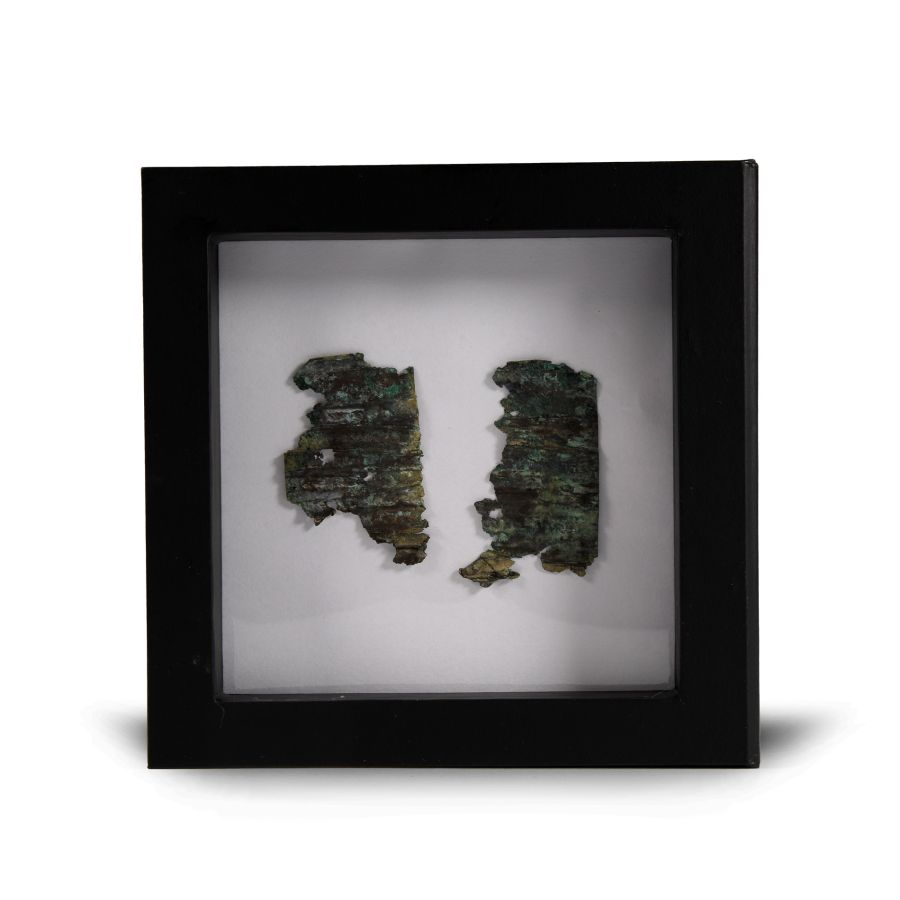
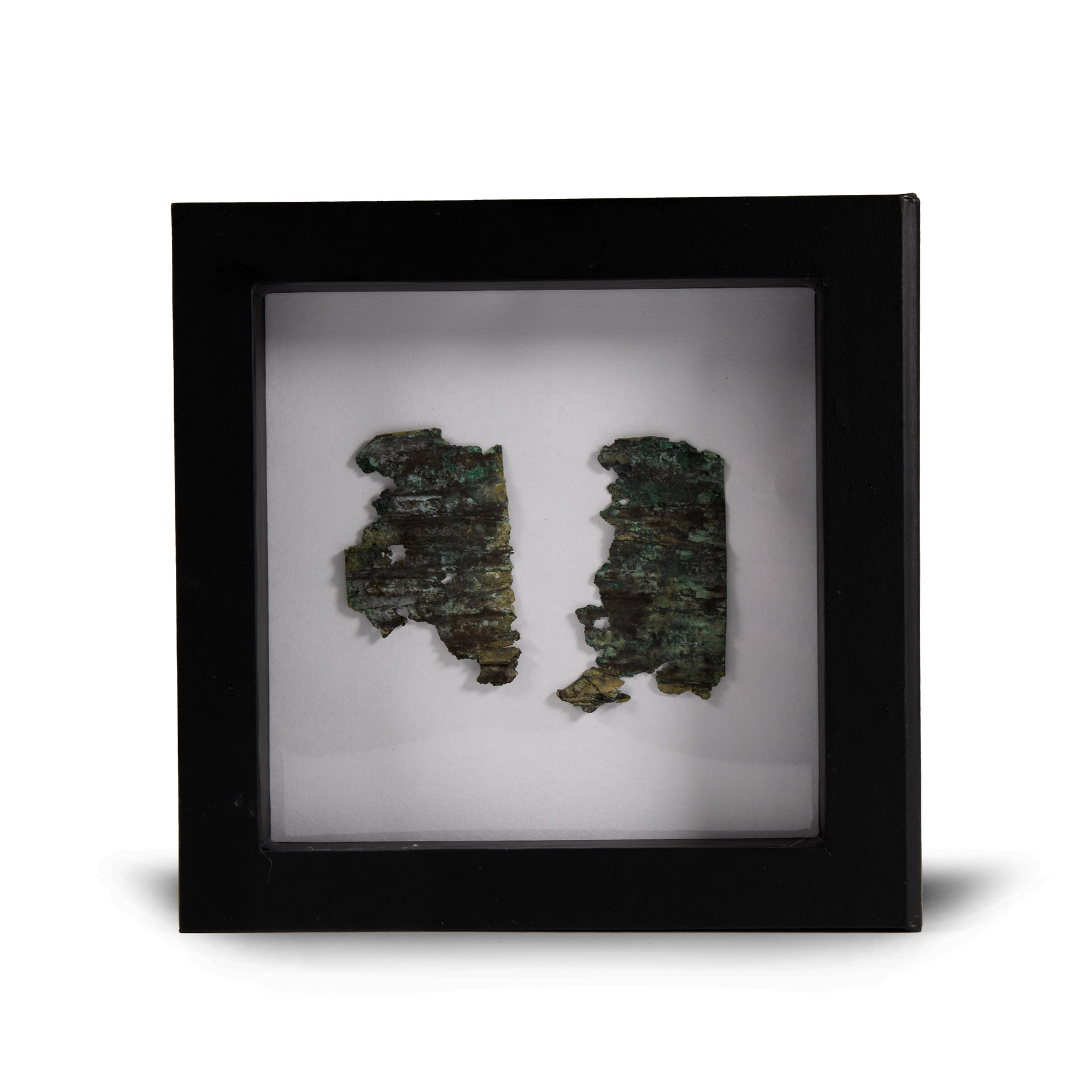
Aramaic Bronze Epigraphic Fragment Group
CIRCA 2ND-3TH CENTURY A.D.
5 1/8 x 5 1/4 in. (214 grams total, 13 x 13.5 cm including case).
Comprising two fragments of sheet bronze each with one straight edge and nail-holes or attachment, inked or painted Aramaic text; mounted in a display case.
ProvenanceCollected from 1970-1999.
From the collection of the late Mr S.M., London, UK.
TimeLine Auctions follows a vetting process to ensure the authenticity and legality of all items, reinforcing our commitment to integrity and responsible trading. Each antiquity, antique, and coin lot undergoes thorough examination by a vetting committee of at least ten external specialists, professional trade association members, scientists, and archaeologists: Our Vetting Process
AUCTIONS:
TimeLine is a leading auction house specialising in antiquities, ancient art, collectables, natural history, coins, medals, and books. Our auctions offer museums, collectors, historians, and enthusiasts the opportunity to acquire unique and historically significant pieces.
-
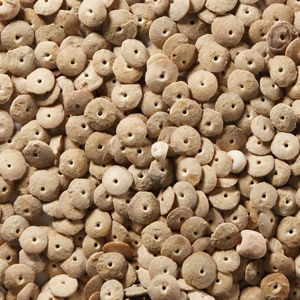
Mesopotamian Alabaster Disc Necklace Bead Group
Circa 4th millennium B.C.Sold for (Inc. bp): £39
Comprising a quantity of disc-shaped beads, each pierced for stringing. 60 grams total, 3-9 mm
UK gallery, early 2000s. -
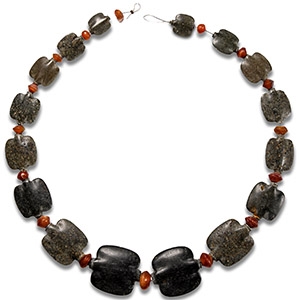
Western Asiatic Stone Bead Necklace
Circa 3rd millennium B.C.Estimate: £5,000 - 7,000 (+bp*)
Opening Bid: £2,500
Restrung group of graduated size square cushion-shaped beads with small squat carnelian biconical bead spacers. 107 grams, 52 cm long
Anonymous sale; Francois de Ricqles, Hotel Drouot, Paris, 25-26 September 1998, lot 74. with Christie's London, 2 May 2013, lot 129. Important North West London collection. This lot has been checked against the Interpol Database of stolen works of art and is accompanied by search certificate no.11967-210481. -
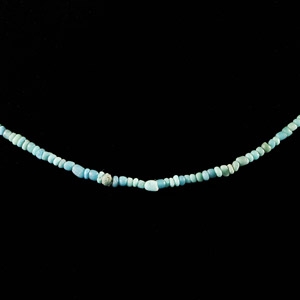
Western Asiatic Turquoise Blue Glass Bead Necklace String
1st millennium A.D. and laterSold for (Inc. bp): £46
Restrung using mainly small drawn glass beads. 4.2 grams, 44 cm long
UK gallery, early 2000s.
