
Loading, please wait...

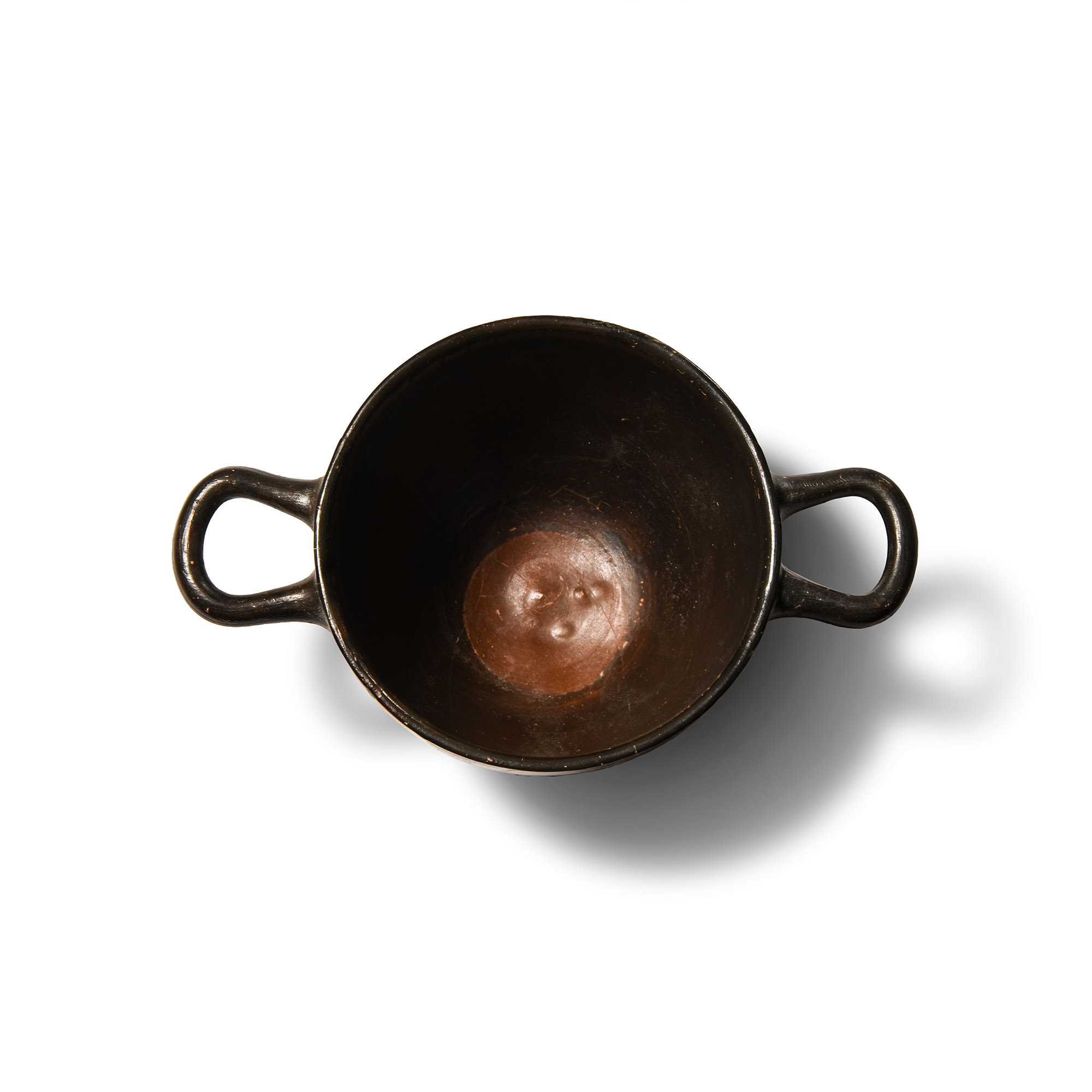
LOT 0068
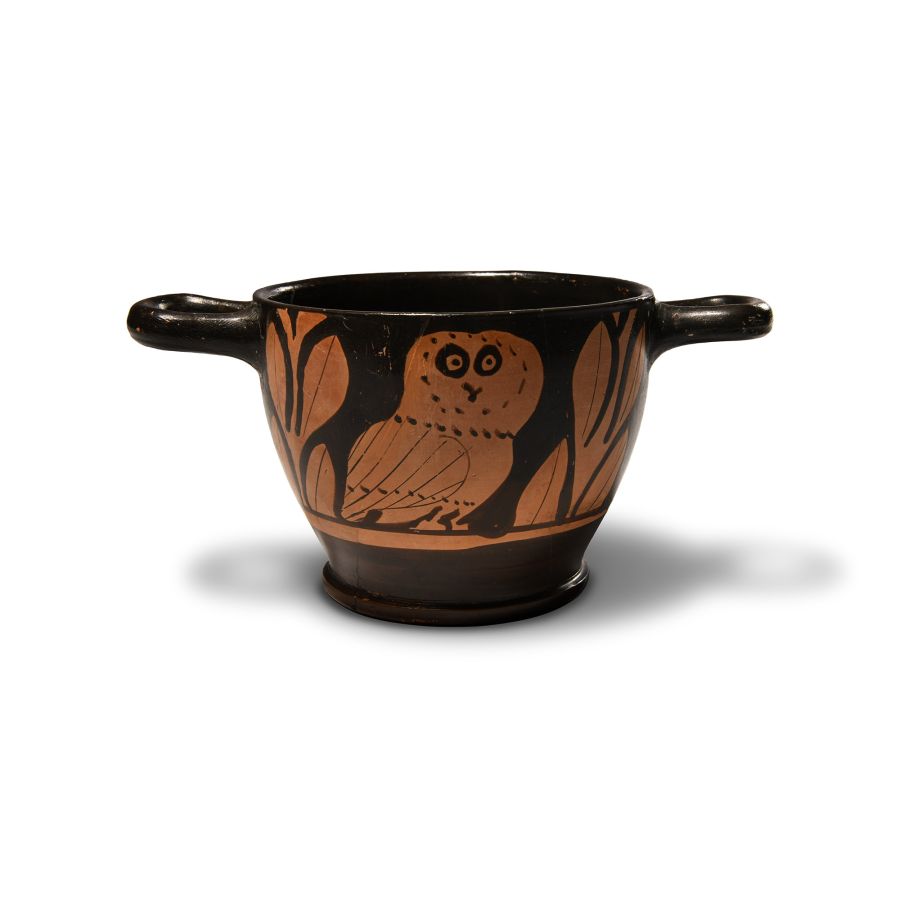
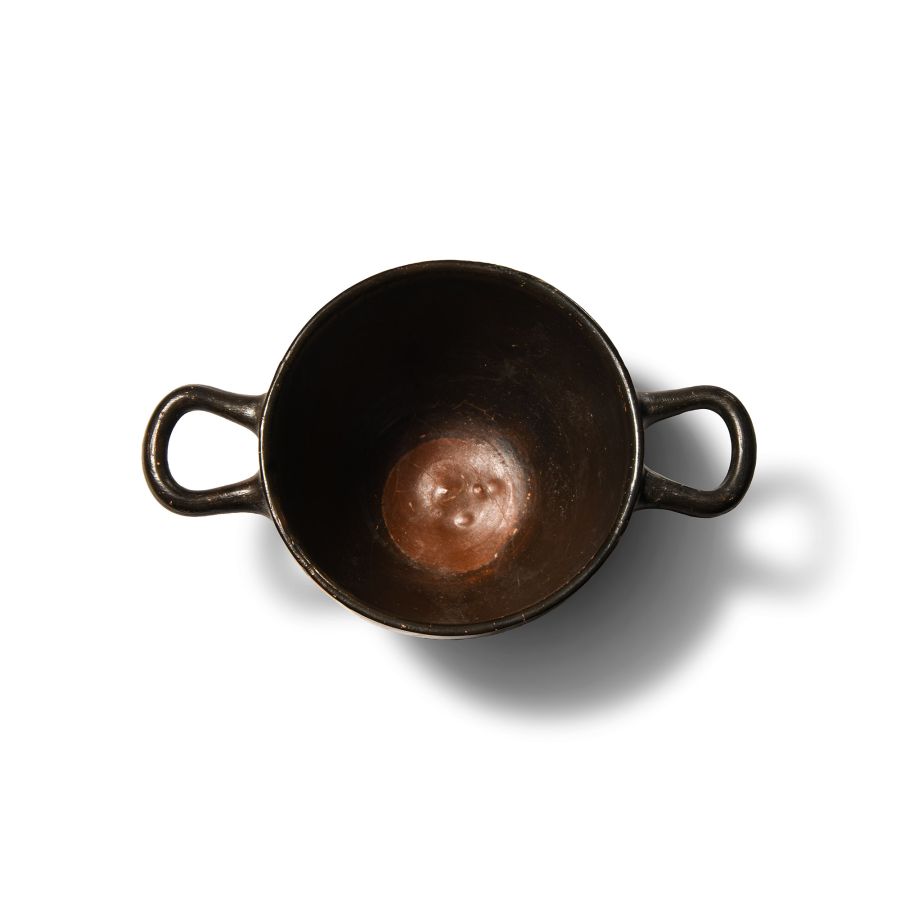
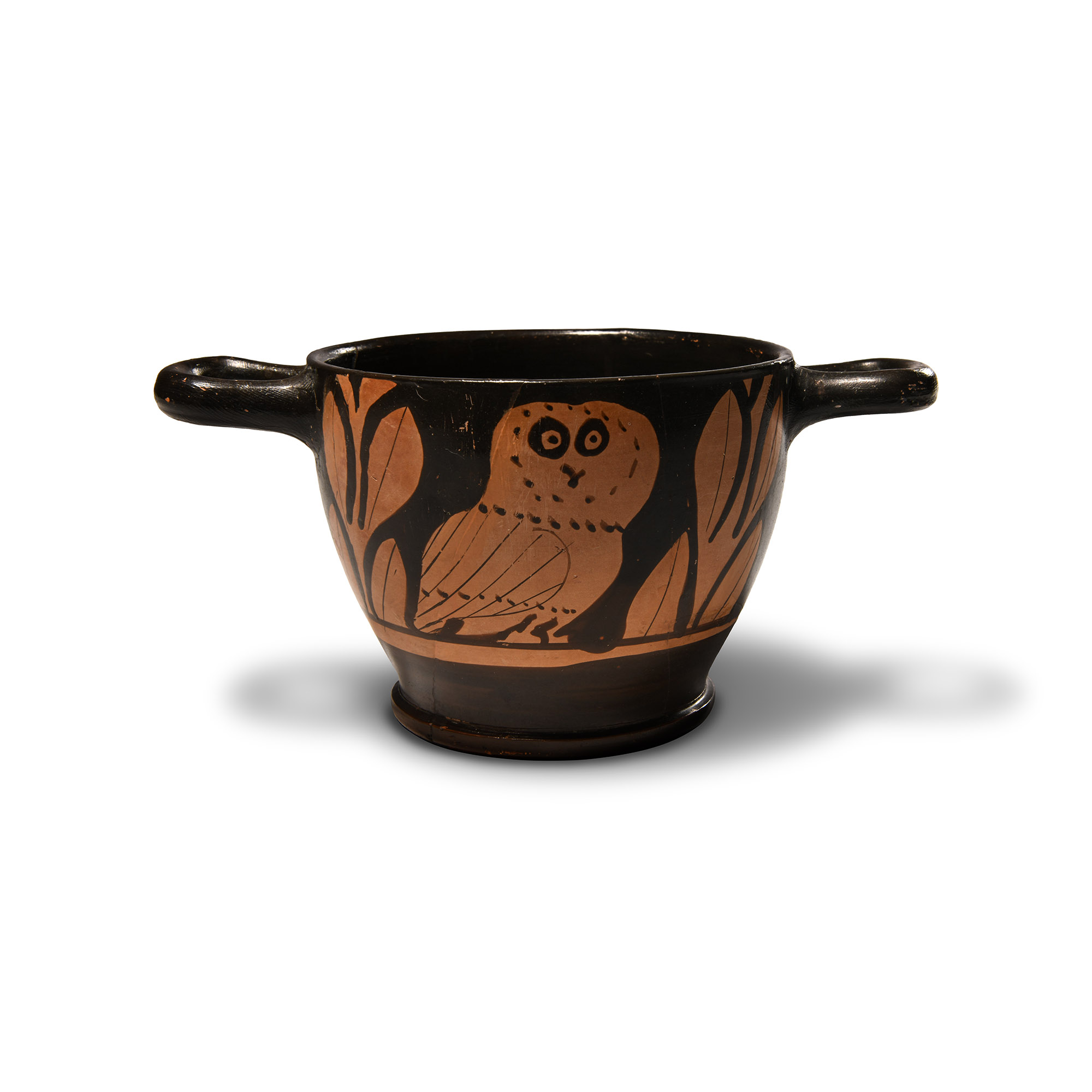
Apulian Red-Figure Skyphos with Owls
5TH CENTURY B.C.
6 in. (127 grams, 15 cm wide).
The cup with two handles to the neck and a broad, integral foot; both principal faces displaying an owl standing right between laurel branches; repaired.
ProvenanceAcquired in Europe before 1994.
with Christie's, New York, 2 June 1995, lot 95.
Cf. The Metropolitan Museum, New York, accession number 2001.761.5, for a similar Attic example.
CONDITIONTimeLine Auctions follows a vetting process to ensure the authenticity and legality of all items, reinforcing our commitment to integrity and responsible trading. Each antiquity, antique, and coin lot undergoes thorough examination by a vetting committee of at least ten external specialists, professional trade association members, scientists, and archaeologists: Our Vetting Process
AUCTIONS:
TimeLine is a leading auction house specialising in antiquities, ancient art, collectables, natural history, coins, medals, and books. Our auctions offer museums, collectors, historians, and enthusiasts the opportunity to acquire unique and historically significant pieces.
-
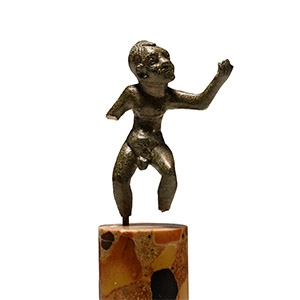
Hellenistic Bronze Statuette of an Alexandrian Dancing Dwarf
1st century B.C.-1st century A.D.Estimate: £3,000 - 4,000 (+bp*)
Opening Bid: £1,500
In an active pose with both legs bent and left arm raised dramatically, head tilted to the left; exaggerated facial features, short trimmed hair, slim body with developed pectoral muscles and pronounced kyphosis; mounted on a columnar stand. 299 grams,14.5 cm including stand
Belgian private art collection of M.A., Brussels, Belgium, 1995. with Gorny and Mosch, 14 December 2011, lot 82. This lot has been checked against the Interpol Database of stolen works of art and is accompanied by search certificate number no.11886-206399. -
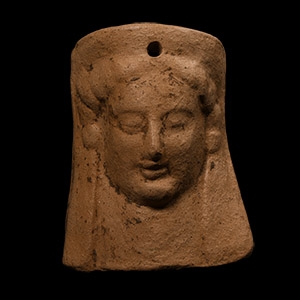
Greek Terracotta Protome Mask
Circa 4th-3rd century B.C.Sold for (Inc. bp): £182
C-section moulding with female face, pierced at the brow. 127 grams, 10.4 cm
Acquired 1970s-1996. Property of a North American collector. London collection, 2016. -
.jpg)
Hellenistic Terracotta Head of a Youth
3rd century B.C.Sold for (Inc. bp): £18,200
Tousled curly hair, strong aquiline nose and full mouth; the deep eyes marked by raised eyelids and prominent semi-circular eyebrows; the hair arranged in overlapping rows of locks; repaired; mounted on a later porphyry plinth. 1.40 kg total, 23.5 cm high including stand
From the estates of the late Adrian Stanford and Norman St John-Stevas, Baron St John of Fawsley. with the previous owner since 1982. with Christie's, London, South Kensington, 22 February 2017, lot 10. Accompanied by an academic report by Dr Raffaele D’Amato. This lot has been checked against the Interpol Database of stolen works of art and is accompanied by search certificate number no.11774-204595.
The head represents a Hellenistic portrait of a young man, whose characteristics seem to suggest a reference to a youthful portrait of Alexander the Great. Another possibility is that it represents the portrait of Alexander’s companion, Hephaestion.
