
Loading, please wait...
LOT 2175
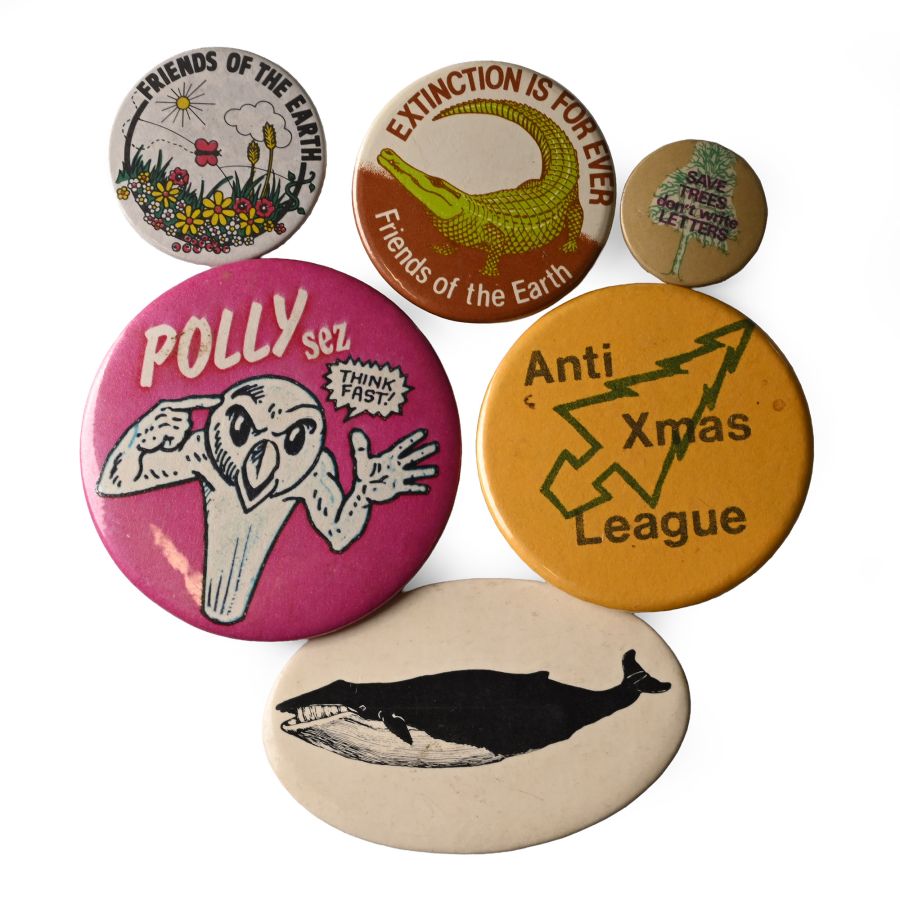
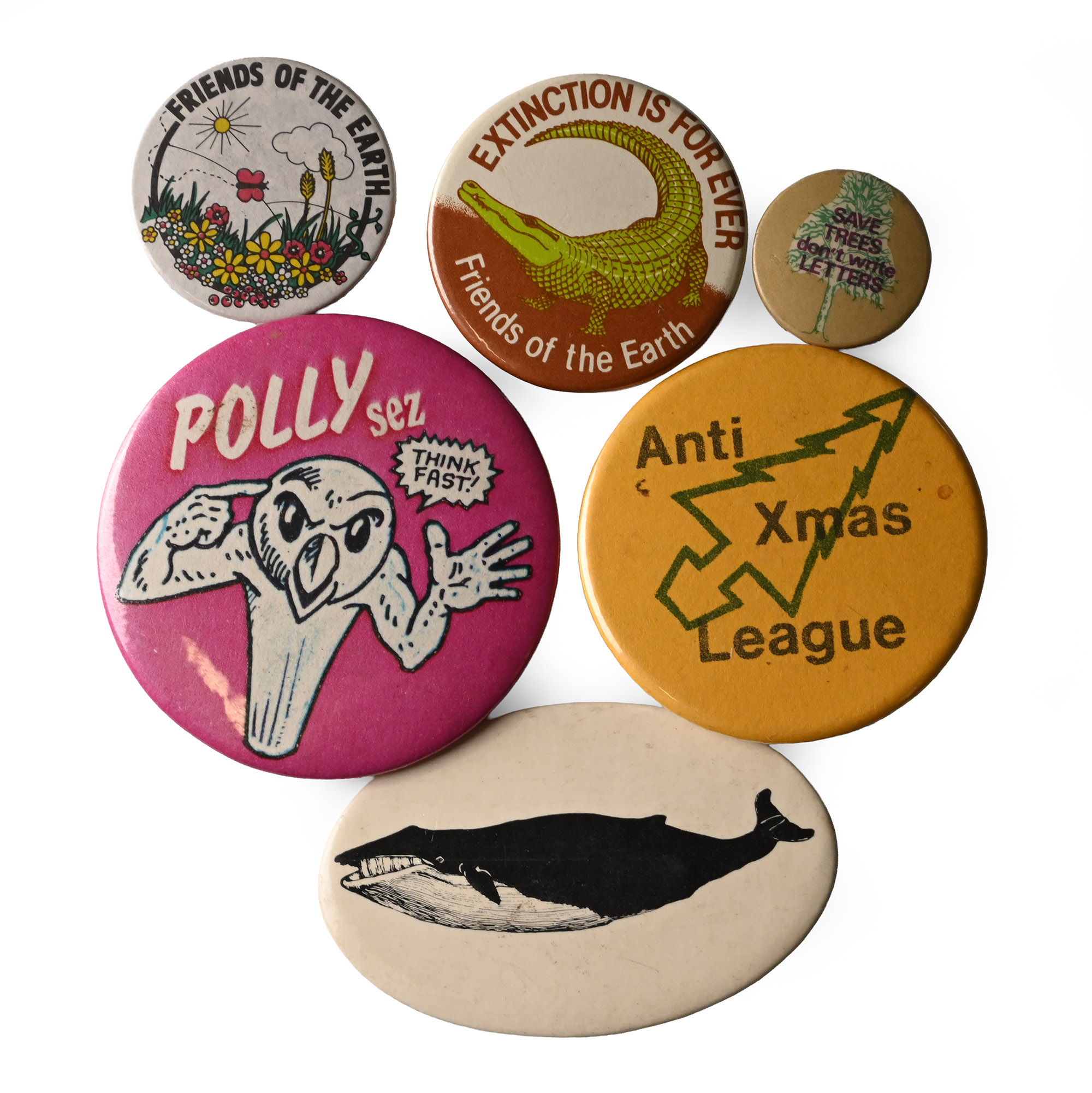
Anti-Extinction and Friends of the Earth Vintage Pin Badge Collection
CIRCA 1960S A.D. AND LATER
1 - 2 3/4 in. (46 grams total, 24-70 mm).
Including blue whale elliptical type, and ecological slogans. [6, No Reserve]
ProvenanceFrom the private collection of a S.W. London gentleman, acquired in the 1970s.
This lot is accompanied by an illustrated lot declaration signed by the Head of the Antiquities Department, Dr Raffaele D'Amato.
TimeLine Auctions follows a vetting process to ensure the authenticity and legality of all items, reinforcing our commitment to integrity and responsible trading. Each antiquity, antique, and coin lot undergoes thorough examination by a vetting committee of at least ten external specialists, professional trade association members, scientists, and archaeologists: Our Vetting Process
AUCTIONS:
TimeLine is a leading auction house specialising in antiquities, ancient art, collectables, natural history, coins, medals, and books. Our auctions offer museums, collectors, historians, and enthusiasts the opportunity to acquire unique and historically significant pieces.
LOT 2175
Anti-Extinction and Friends of the Earth Vintage Pin Badge Collection
Sold for (Inc. bp): £26
-
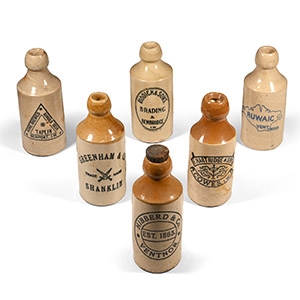
Antique Isle of Wight Ginger Beer Bottle Collection
Late 19th-early 20th century A.D.Sold for (Inc. bp): £59
Comprising: one stamped 'GREENHAM & CO SHANKLIN'; one stamped 'RIDDICK & SONS. BRADING & BEMBRIDGE I.W.'; one stamped 'HIBBERD & CO. VENTNOR EST. 1863' with a stopper; one stamped 'RUWAIC VENTNOR'; one stamped 'F. HARTRIDGE & SONS COWES I.W.'; one stamped 'TAPLIN HOME BREWED GINGER BEER NEWPORT, I.W.'; accompanied by a booklet by Stephen H. Day, Castaways - collectable containers. 3 kg total, 17.4-18.6 cm
From the private collection of an East Anglian gentleman, 1970s-early 2000s. This lot is accompanied by an illustrated lot declaration signed by the Head of the Antiquities Department, Dr Raffaele D'Amato. -
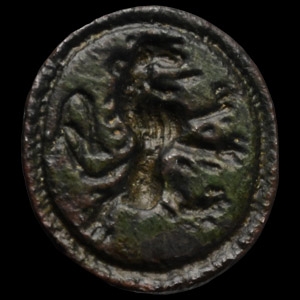
Georgian Bronze Seal Matrix with Rampant Lion
18th century A.D.Sold for (Inc. bp): £91
Discoid with trefoil handle and knop finial, underside with an intaglio motif of a rampant lion; supplied with a museum-quality impression. 3.38 grams, 25 mm
From continental Europe. Acquired on the UK art market in the 1970s-1990s. Property of a Nottinghamshire, UK, gentleman. This lot is accompanied by an illustrated lot declaration signed by the Head of the Antiquities Department, Dr Raffaele D'Amato. -
.jpg)
Life Size Marble Julian Style Bust
18th century A.D.Sold for (Inc. bp): £28,600
Carved in the round, displaying an emperor or noble with thick hair cut in the Julian style and combed forward onto the brow; with finely-modelled features and stern expression; mounted on a custom-made stand. 33 kg total, 68 cm including stand
Acquired on the German art market. European private collection, 1970s-early 2000s. Acquired from the above; thence by descent. Private collection, London, UK. This lot has been checked against the Interpol Database of stolen works of art and is accompanied by a search certificate number no.12791-234562. This lot has been cleared against the Art Loss Register database, and is accompanied by an illustrated lot declaration signed by the Head of the Antiquities Department, Dr Raffaele D'Amato.
The bust is characteristic of the taste that prevailed in France since the Italian wars of Napoleon. The quality of the carving is high and stylistically recalls the school of Antonio Canova.
