
Loading, please wait...
LOT 2062
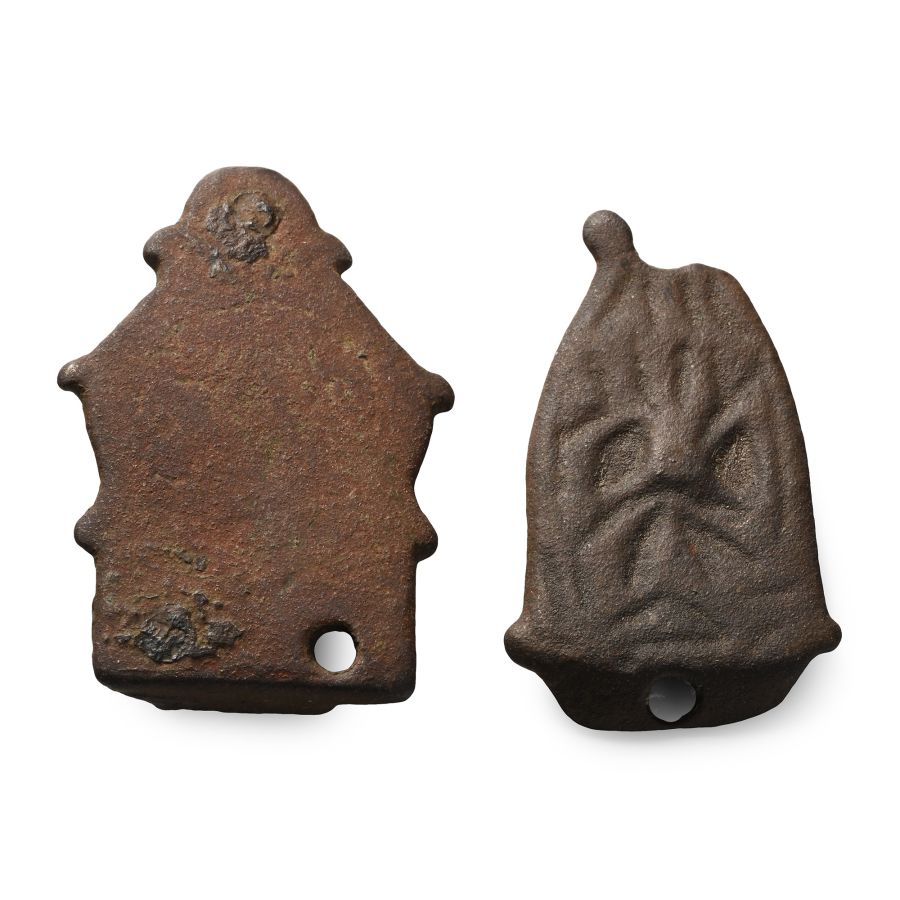
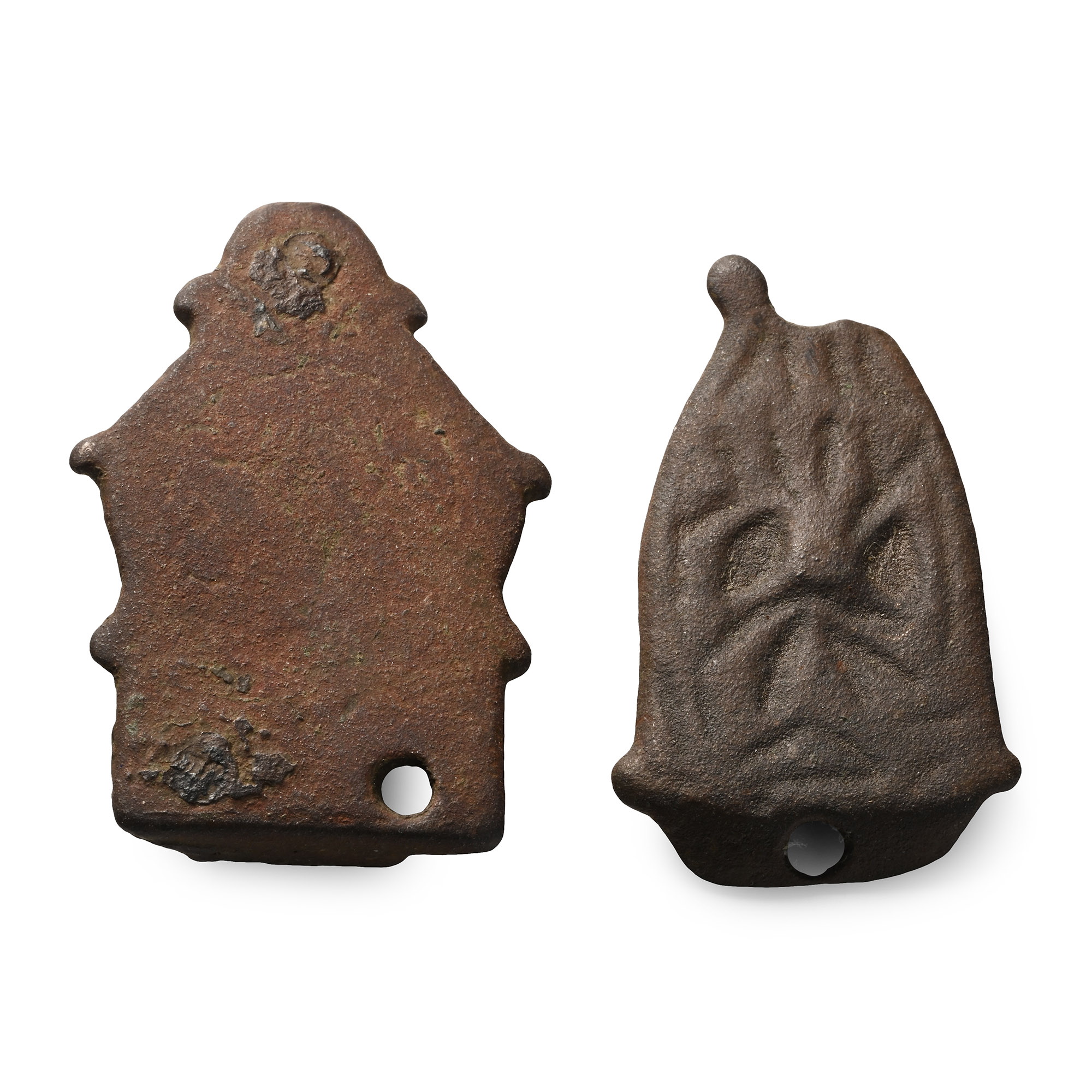
Anglo-Scandinavian Viking Bronze Stirrup Apex Mount Group
11TH CENTURY A.D.
1 3/4 in. (36.3 grams total, 43-45 mm).
Comprising: Class A Type 1 with ferrous studs; Class A Type 2 with apex tab absent. [2, No Reserve]
ProvenanceFound Norfolk, UK.
LiteratureCf. Williams, D., Late Saxon Stirrup-Strap Mounts, York, 1997, items 50, 68, for type.
CONDITIONTimeLine Auctions follows a vetting process to ensure the authenticity and legality of all items, reinforcing our commitment to integrity and responsible trading. Each antiquity, antique, and coin lot undergoes thorough examination by a vetting committee of at least ten external specialists, professional trade association members, scientists, and archaeologists: Our Vetting Process
AUCTIONS:
TimeLine is a leading auction house specialising in antiquities, ancient art, collectables, natural history, coins, medals, and books. Our auctions offer museums, collectors, historians, and enthusiasts the opportunity to acquire unique and historically significant pieces.
LOT 2062
Anglo-Scandinavian Viking Bronze Stirrup Apex Mount Group
Sold for (Inc. bp): £39
-
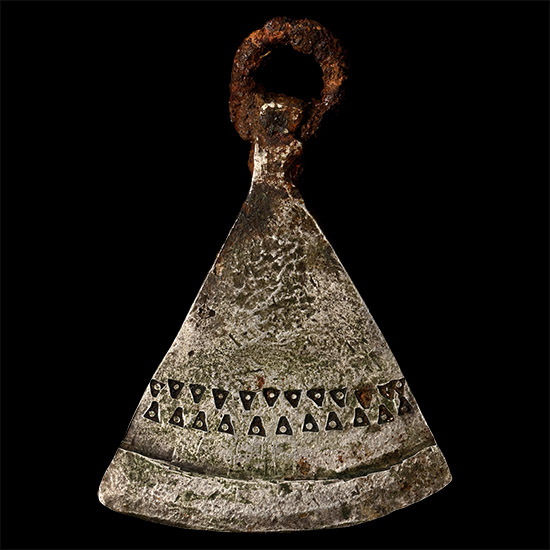
Viking Silver Stamped Broad Axe Pendant
Circa 9th-11th century A.D.Sold for (Inc. bp): £208
Wire hoop; free-running triangular pendant decorated with two bands of stamped opposed pellet-in-triangle motifs to each face. 10.71 grams, 52.11 mm
From the private collection of a London gentleman, from his grandfather's collection formed before the early 1970s. -
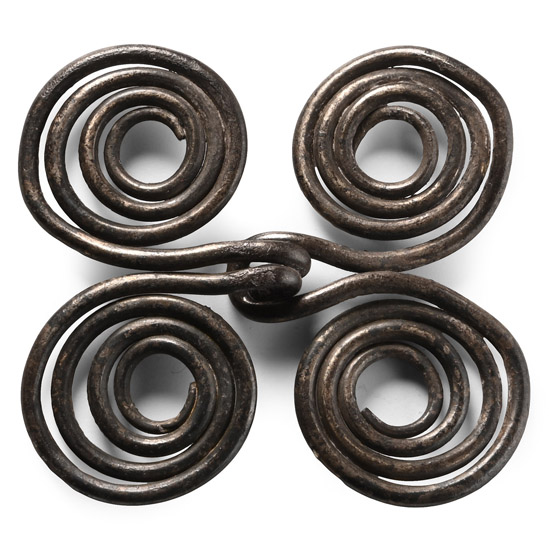
Scandinavian Pre-Viking Silver Wrist Clasp Pair
5th century A.D.Sold for (Inc. bp): £169
Spiral-coiled wrist-clasps of Hines's Class A with one broad rounded loop to the centre and one returned hooked loop. 11.5 grams total, 36-38 mm
Ex property of a gentleman; acquired in the 1970s.
The spiral-coil type of wrist clasp is the earliest form of an artefact type which became a very popular costume element in especially Norway and the English East Midlands in the early Anglo-Saxon Period. Grave-finds indicate that they were used to secure the cuffs of robes worn by high-status women. -
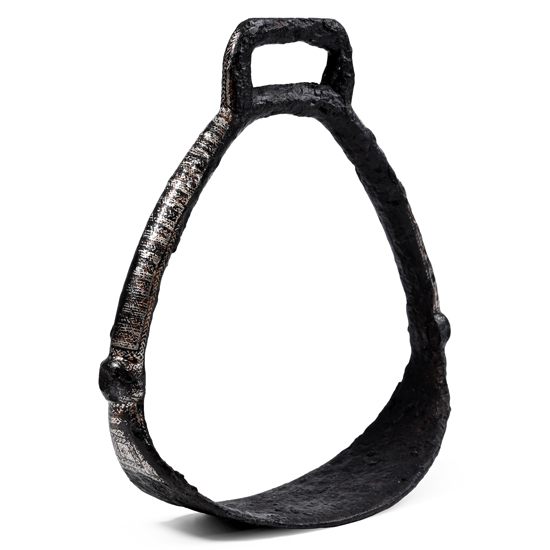
Scandinavian Viking Age Silver Inlaid Iron Stirrup
Circa 10th-11th century A.D.Sold for (Inc. bp): £5,460
With inlaid silver ropework bands to the loop and frame. 172 grams, 13.2 cm
Private collection formed in Europe in the 1980s. Westminster collection, central London, UK.
