
Loading, please wait...
LOT 1543
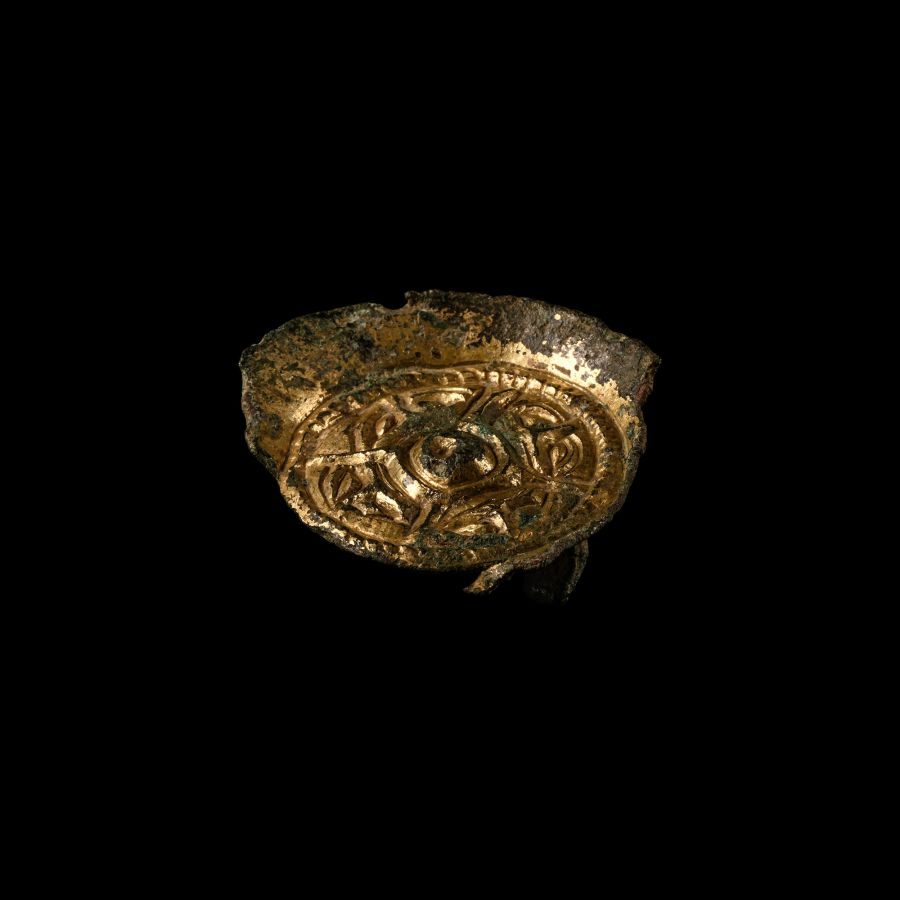
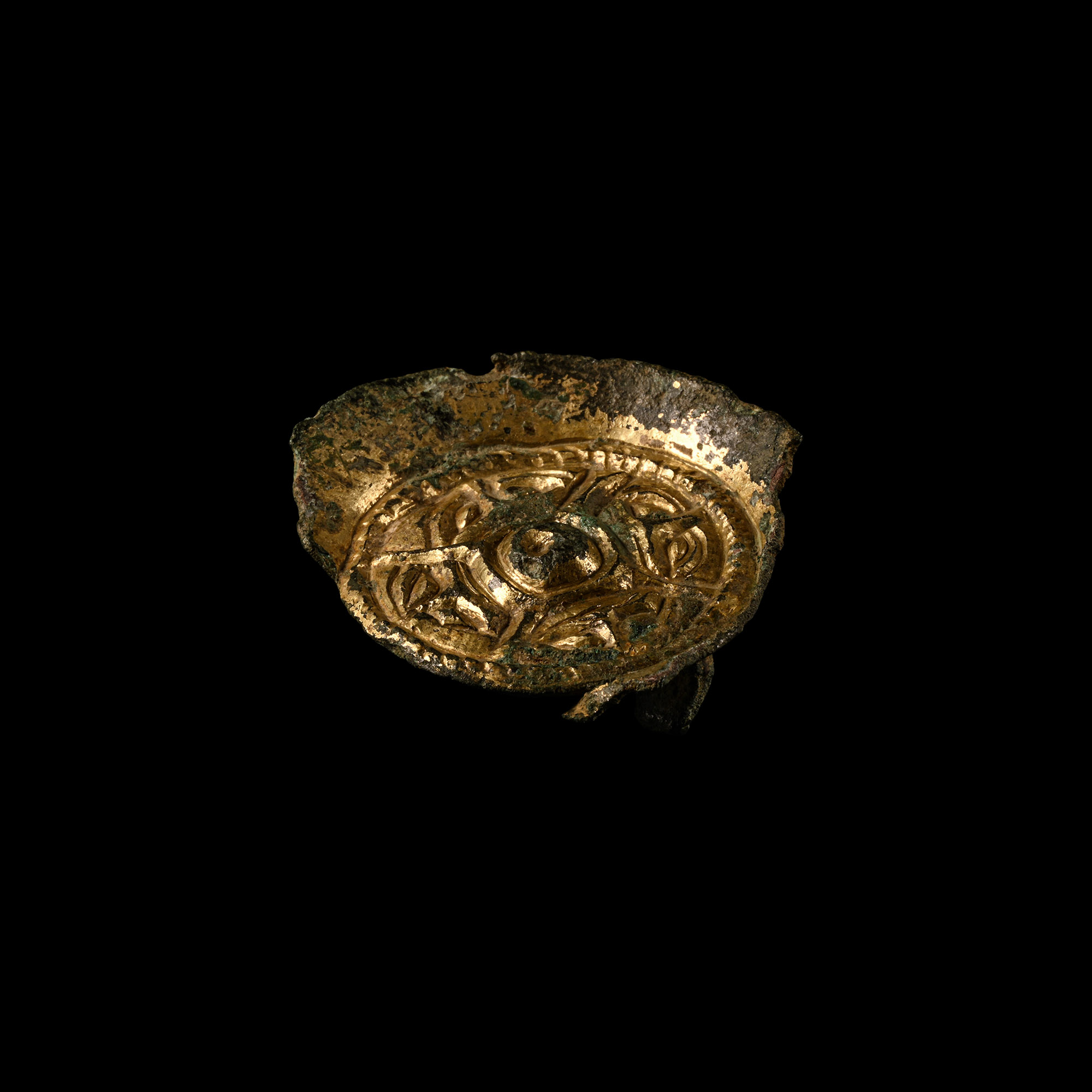
Anglo-Saxon Gilt Bronze Saucer Brooch
CIRCA 6TH CENTURY A.D.
1 1/2 in. (18 grams, 37 mm).
Displaying a boss at centre of quartered field, with a chip-carved animal Style 1 zoomorph in each segment; remains of gilding and partial pin lug and catchplate to reverse. [No Reserve]
ProvenanceFound Berkshire, UK.
CONDITIONTimeLine Auctions follows a vetting process to ensure the authenticity and legality of all items, reinforcing our commitment to integrity and responsible trading. Each antiquity, antique, and coin lot undergoes thorough examination by a vetting committee of at least ten external specialists, professional trade association members, scientists, and archaeologists: Our Vetting Process
AUCTIONS:
TimeLine is a leading auction house specialising in antiquities, ancient art, collectables, natural history, coins, medals, and books. Our auctions offer museums, collectors, historians, and enthusiasts the opportunity to acquire unique and historically significant pieces.
-
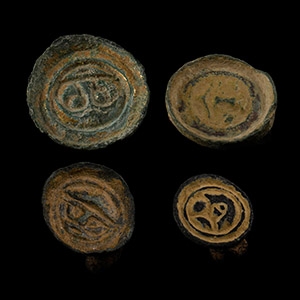
Anglo-Saxon Bronze Helmetted Head Button Brooch Collection
Circa 6th century A.D.Sold for (Inc. bp): £221
Comprising four uncleaned brooches displaying stylised male faces, including one with traces of gilding; each with remains of pin lug and catchplate to reverse. 15.7 grams total, 14-21 mm
Found Berkshire, UK. -
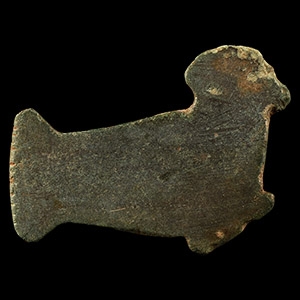
Anglo-Saxon Tinned Bronze Bird Brooch
5th-6th century A.D.Sold for (Inc. bp): £78
Displayed in profile facing right; remains of tinning; remains of pin lug and catchplate to reverse. 5.9 grams, 29 mm
Found Berkshire, UK. Accompanied by a copy of the British Museum's Portable Antiquities Scheme (PAS) report no.BERK-9B6095. -
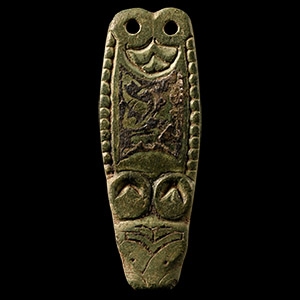
Anglo-Saxon Bronze Zoomorphic Strap End
Circa 9th century A.D.Sold for (Inc. bp): £59
Thomas Class A Type 1, broadly rectangular in plan with tapering arms; the decorative scheme is divided into three: the snout with pronounced ears; a central panel of Trewhiddle style interlaced beast with some remains of niello; the tail with two circular rivet holes. 4.5 grams, 36 mm
Found Berkshire, UK. Accompanied by a copy of the British Museum's Portable Antiquities Scheme (PAS) report no.BERK-28A953.
