
Loading, please wait...
LOT 1811
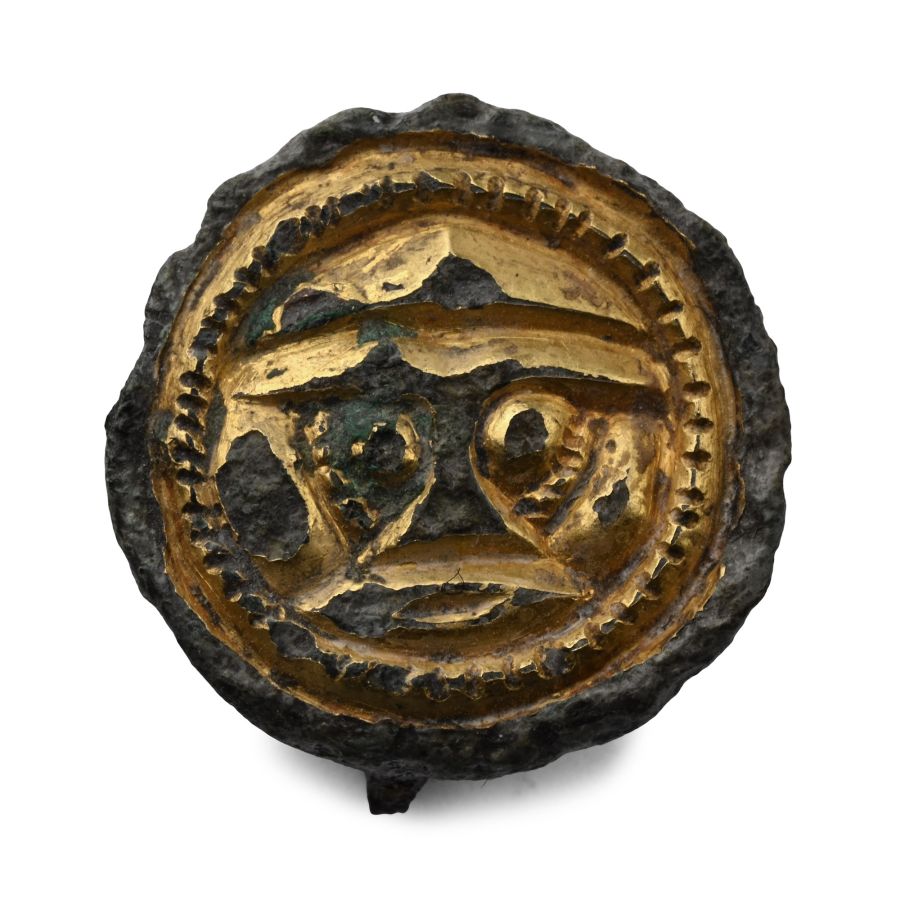
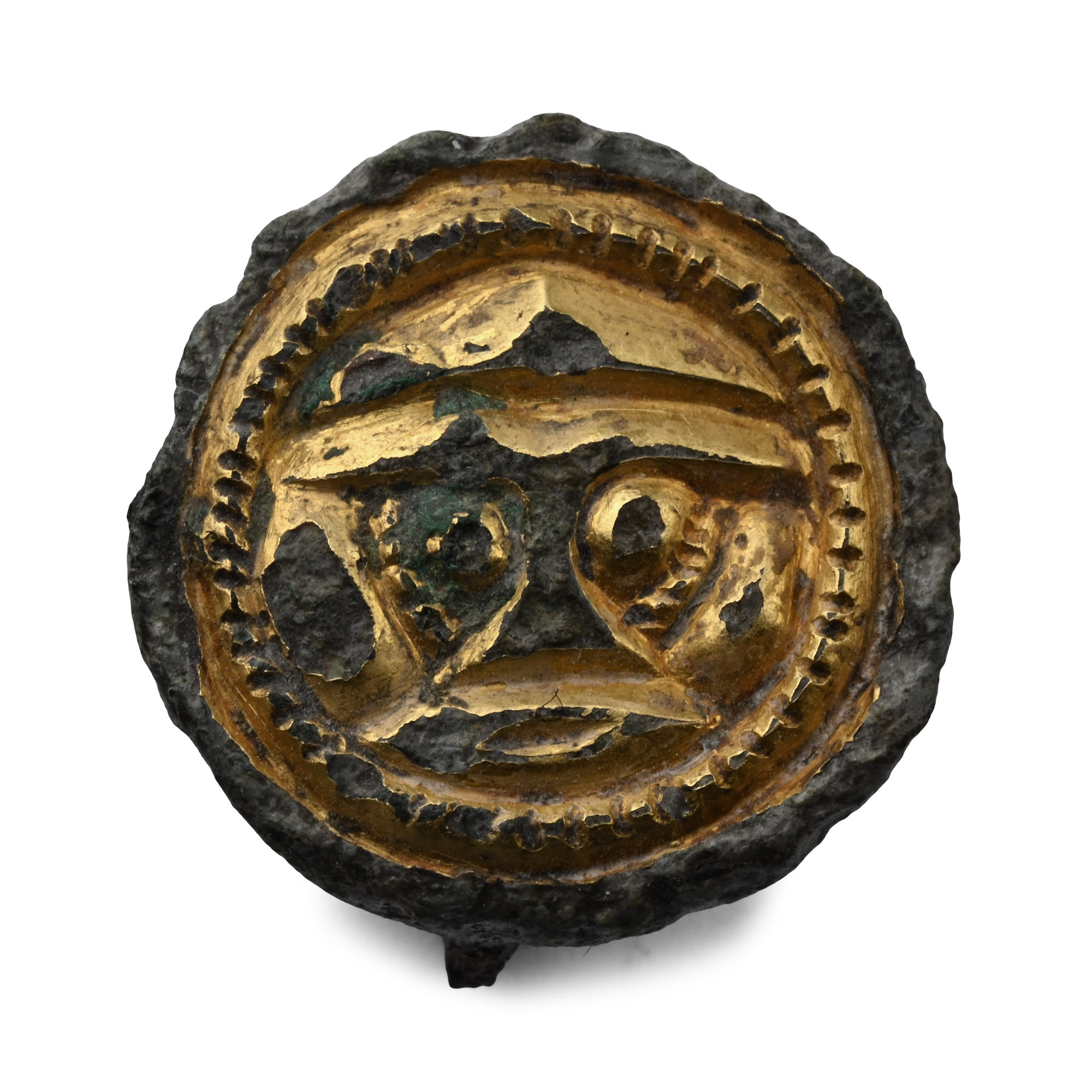
Anglo-Saxon Gilt Bronze Button Brooch
5TH-6TH CENTURY A.D.
5/8 in. (2.59 grams, 16 mm).
Class Ai; flange rim and circular frame enclosing a facing male mask with helmet detailing; pin-lug and catch to the reverse. [No Reserve]
ProvenanceFound East Anglia, UK.
This lot is accompanied by an illustrated lot declaration signed by the Head of the Antiquities Department, Dr Raffaele D'Amato.
Cf. Avent, R. & Evison, V.I., Anglo-Saxon Button Brooches in Archaeologia, vol.CVII, 1982, item 18.7, for type.
CONDITIONTimeLine Auctions follows a vetting process to ensure the authenticity and legality of all items, reinforcing our commitment to integrity and responsible trading. Each antiquity, antique, and coin lot undergoes thorough examination by a vetting committee of at least ten external specialists, professional trade association members, scientists, and archaeologists: Our Vetting Process
AUCTIONS:
TimeLine is a leading auction house specialising in antiquities, ancient art, collectables, natural history, coins, medals, and books. Our auctions offer museums, collectors, historians, and enthusiasts the opportunity to acquire unique and historically significant pieces.
-
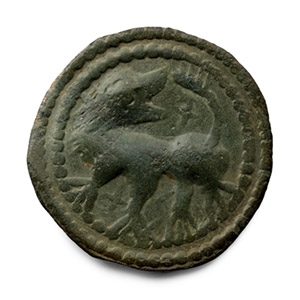
Anglo-Saxon Bronze Beast Facing Back Applied Brooch Face
6th-8th century A.D.Sold for (Inc. bp): £234
With two bands of beading to the border, low-relief repoussé image of a regardant beast in profile, small cross above the rump. 2.61 grams, 30 mm
Found Weston Colville, Cambridgeshire, UK. This lot is accompanied by an illustrated lot declaration signed by the Head of the Antiquities Department, Dr Raffaele D'Amato. -

Anglo-Saxon Bronze Brooch Fragment Collection
6th century A.D.Sold for (Inc. bp): £78
Including cruciform, small-long and other types. 165 grams total, 25-65 mm
Found East Anglia, UK. This lot is accompanied by an illustrated lot declaration signed by the Head of the Antiquities Department, Dr Raffaele D'Amato. -

Anglo-Saxon Broken-Backed Knife
Circa 10th century A.D.Sold for (Inc. bp): £39
Single-edge knife blade with curved forward edge to the point, short tang, straight cutting edge. 23 grams, 13.1 cm
Acquired in the early 2000s. From an East Anglian private collection. From the property of a late Lincolnshire, UK, gentleman.
This kind of knife was called handseax in Old English, a small domestic knife also useful for cooking and general craftwork.
