
Loading, please wait...
LOT 1737
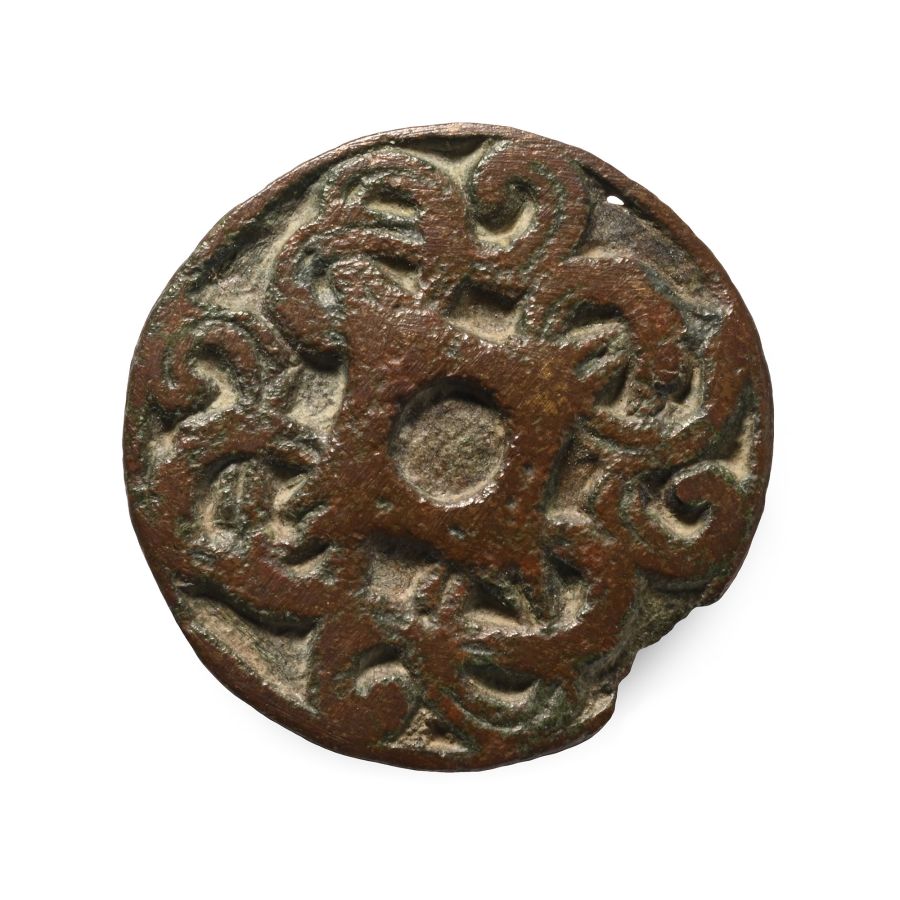
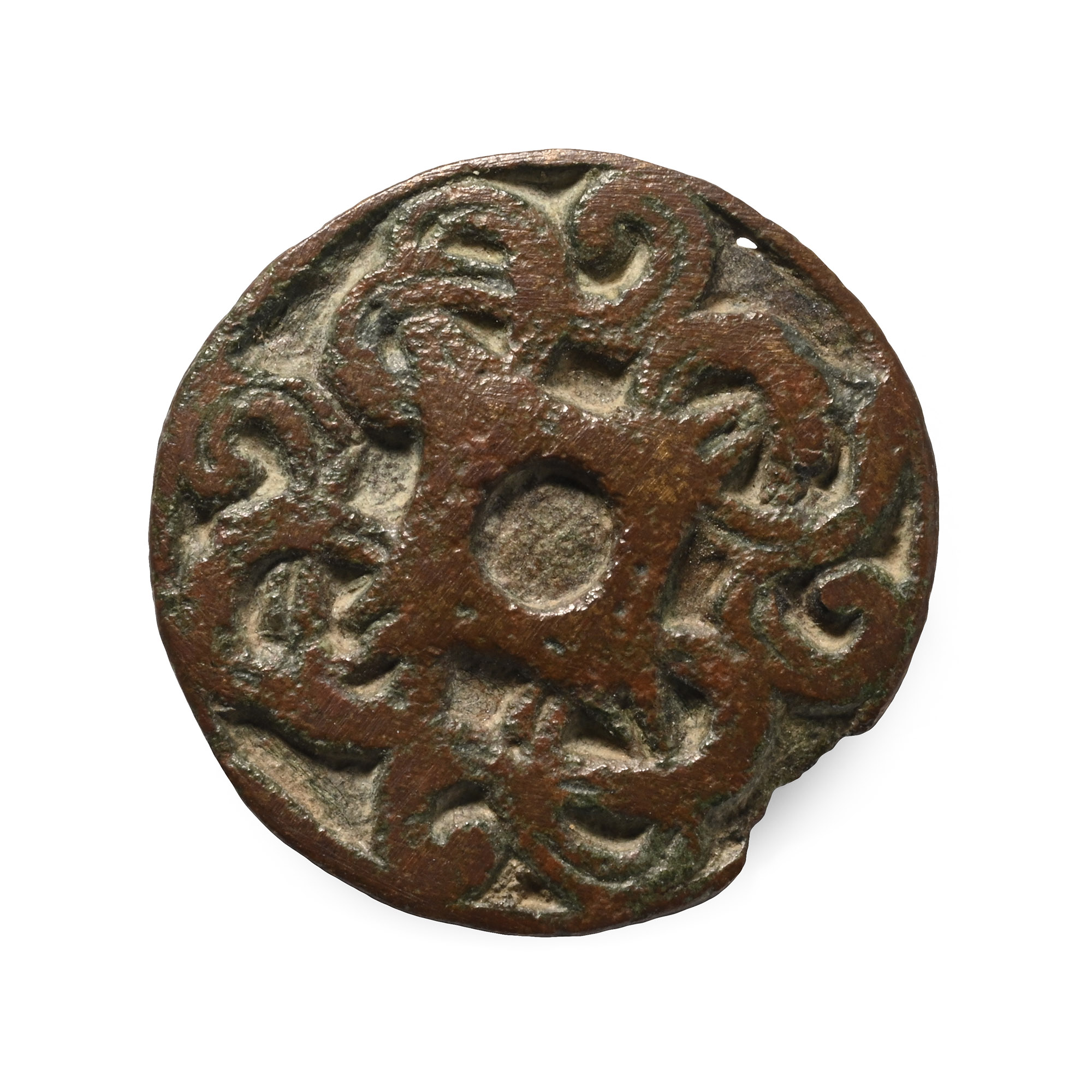
Anglo-Saxon Bronze Borre Style Disc Brooch
10TH-11TH CENTURY A.D.
1 1/8 in. (9.44 grams, 29 mm).
With a central annular motif from which issue four bilinear tendrils, each ending in a coiled loop; a catchplate and remains of the lug to the reverse. [No Reserve]
ProvenanceFound Norfolk, UK.
LiteratureCf. similar example from Wetheringsett, Suffolk, in West, S., A Corpus of Anglo-Saxon Finds From Suffolk, East Anglian Archaeology 84, Ipswich, 1998, item 134(8).
CONDITIONTimeLine Auctions follows a vetting process to ensure the authenticity and legality of all items, reinforcing our commitment to integrity and responsible trading. Each antiquity, antique, and coin lot undergoes thorough examination by a vetting committee of at least ten external specialists, professional trade association members, scientists, and archaeologists: Our Vetting Process
AUCTIONS:
TimeLine is a leading auction house specialising in antiquities, ancient art, collectables, natural history, coins, medals, and books. Our auctions offer museums, collectors, historians, and enthusiasts the opportunity to acquire unique and historically significant pieces.
-
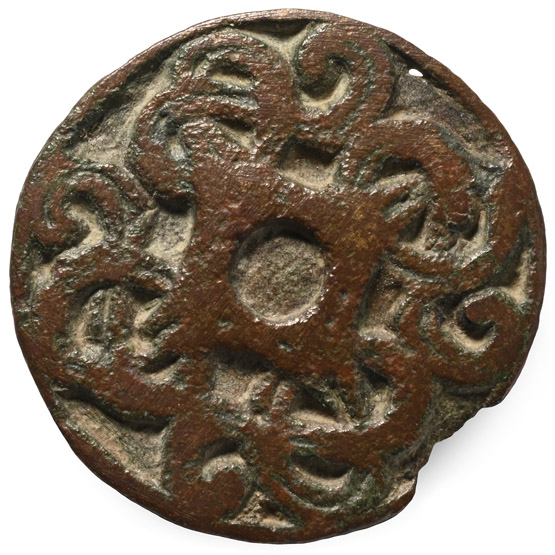
Anglo-Saxon Bronze Borre Style Disc Brooch
10th-11th century A.D.Sold for (Inc. bp): £33
With a central annular motif from which issue four bilinear tendrils, each ending in a coiled loop; a catchplate and remains of the lug to the reverse. 9.44 grams, 29 mm
Found Norfolk, UK. -
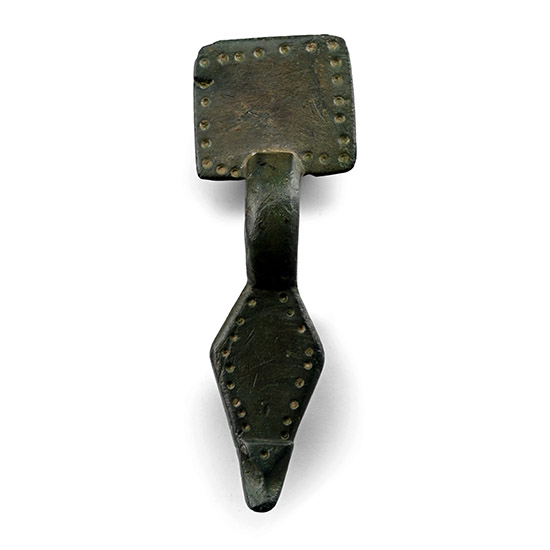
Anglo-Saxon Bronze Small Long Brooch
6th century A.D.Sold for (Inc. bp): £133
With square headplate and lozengiform foot, band of punched pellets to the edges, pin-lug and catch to reverse. 10.4 grams, 54 mm
Found Essex, UK. Acquired from TimeLine Originals, Essex, UK, circa 2010. From the private collection of a Leicestershire, UK, gentleman. -
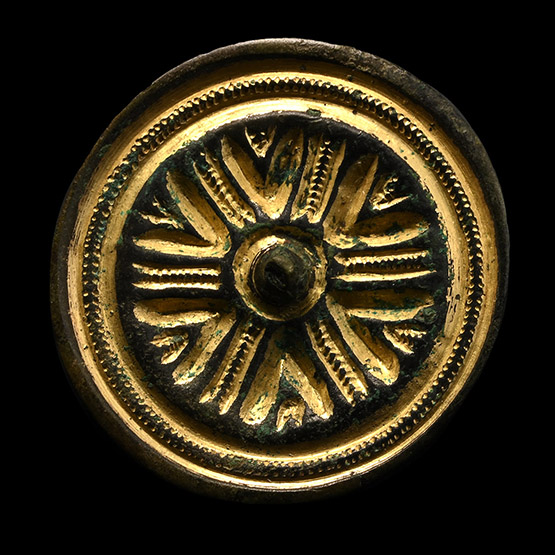
Large Anglo-Saxon Gilt Bronze Saucer Brooch
Late 5th-6th century A.D.Estimate: £1,000 - 1,400 (+bp*)
Opening Bid: £500
Discoid in plan with raised rim and inner ridge decorated with notches, six radiating arms with notch detailing and interstitial chevrons; central knop rivetted from reverse; remains of catch to reverse. 20.4 grams, 37 mm
Found Seaham, Co Durham, UK. Property of a Durham private collector.
