
Loading, please wait...


LOT 0232
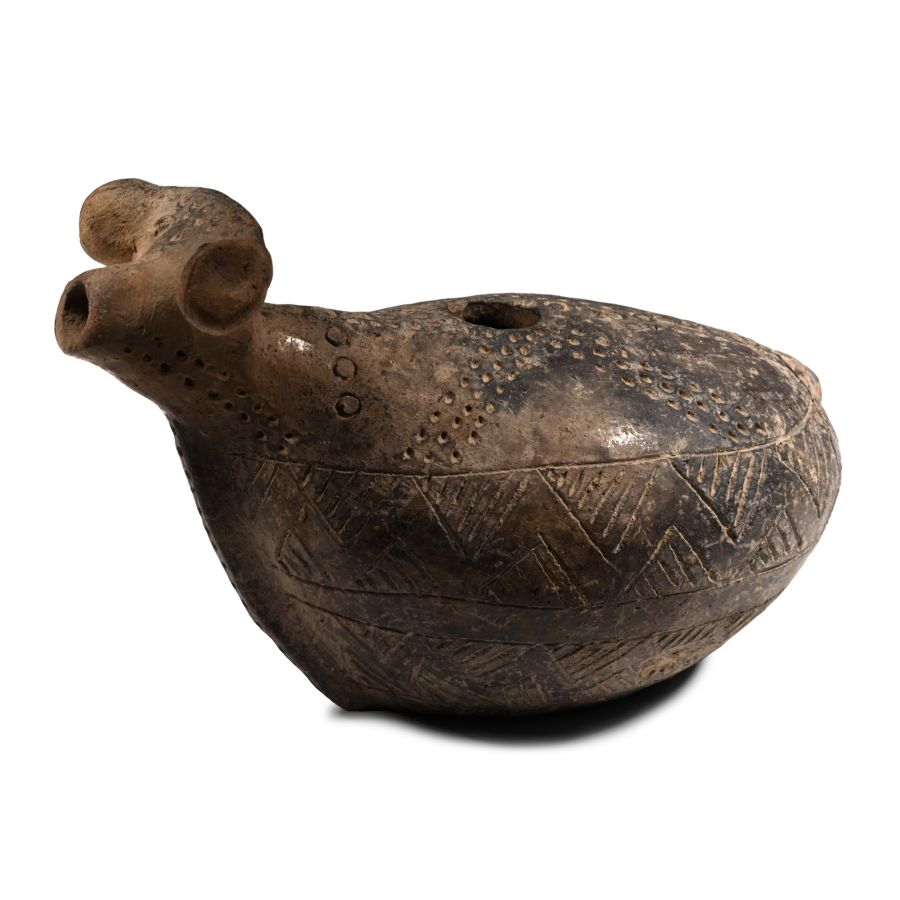
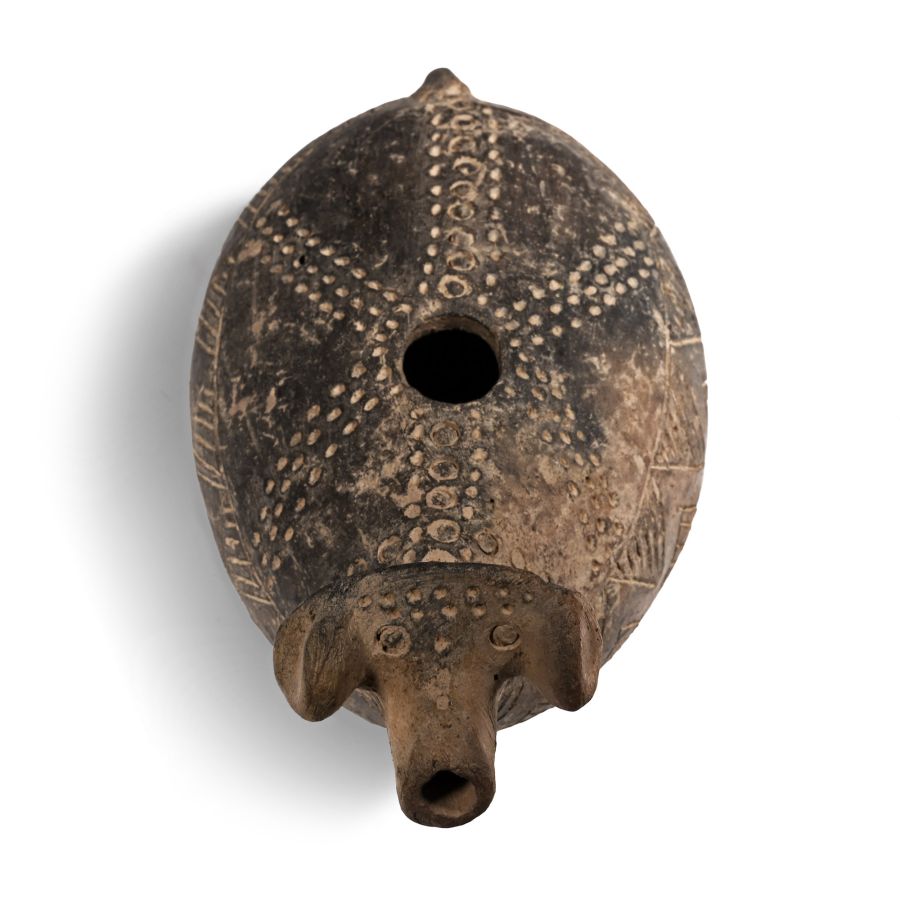
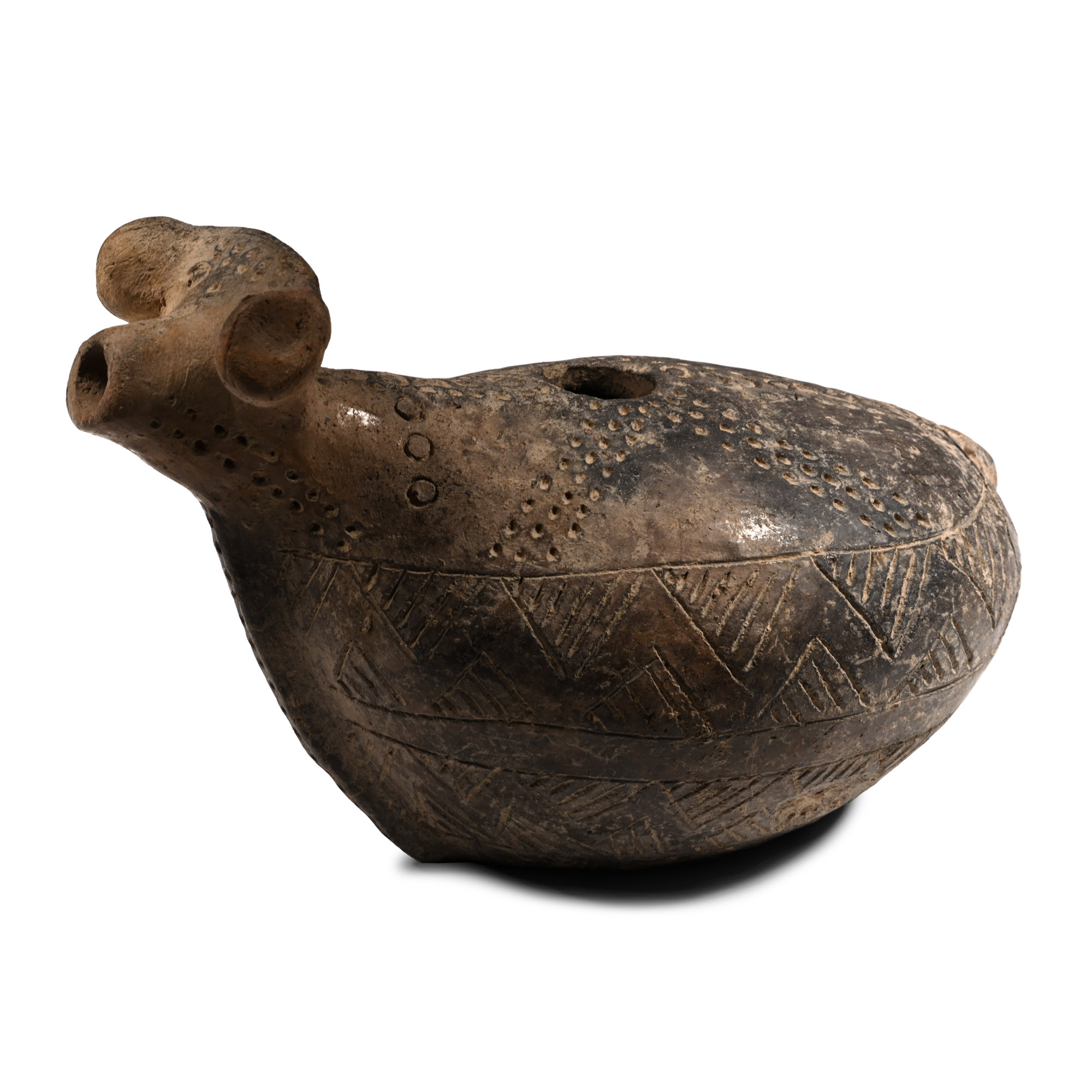
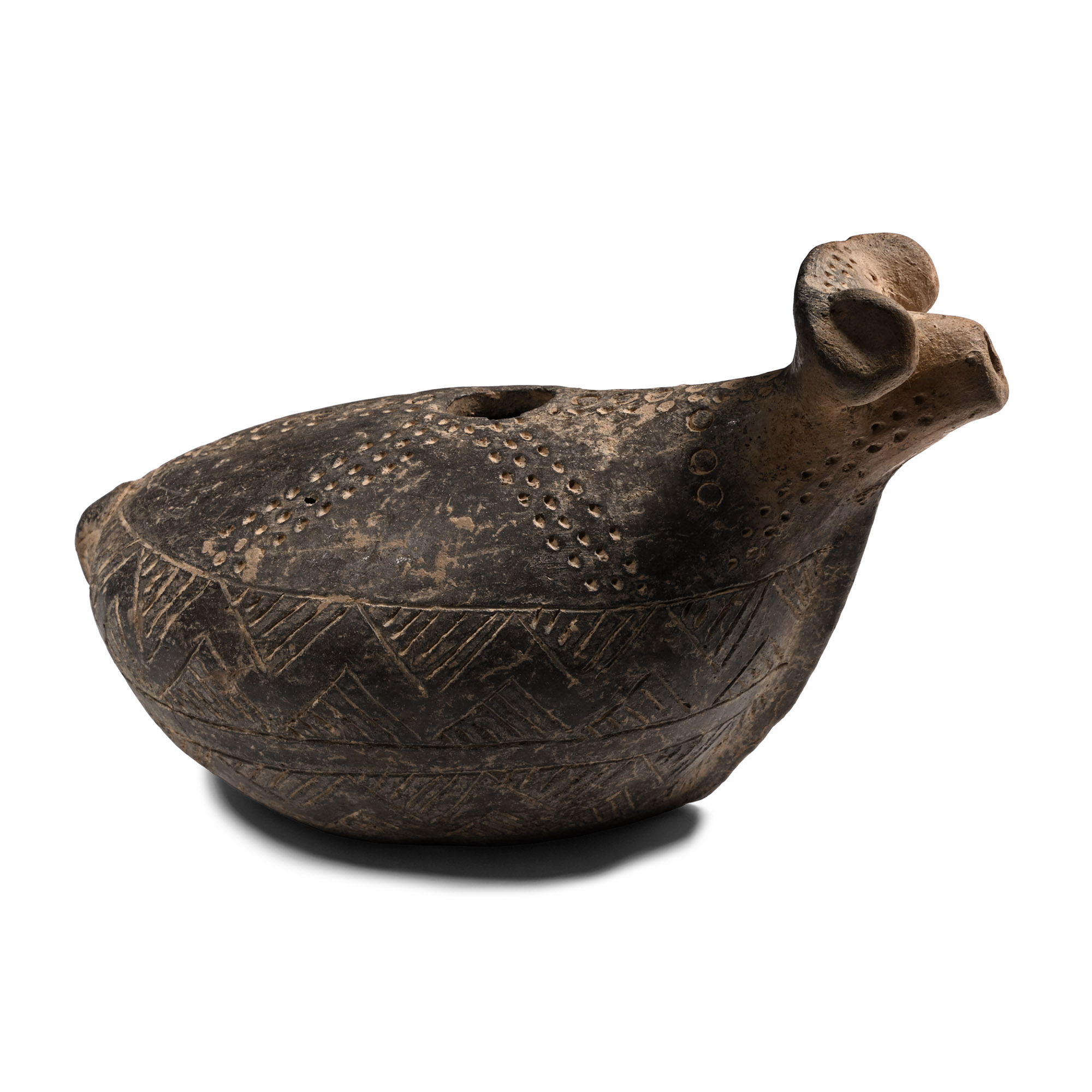
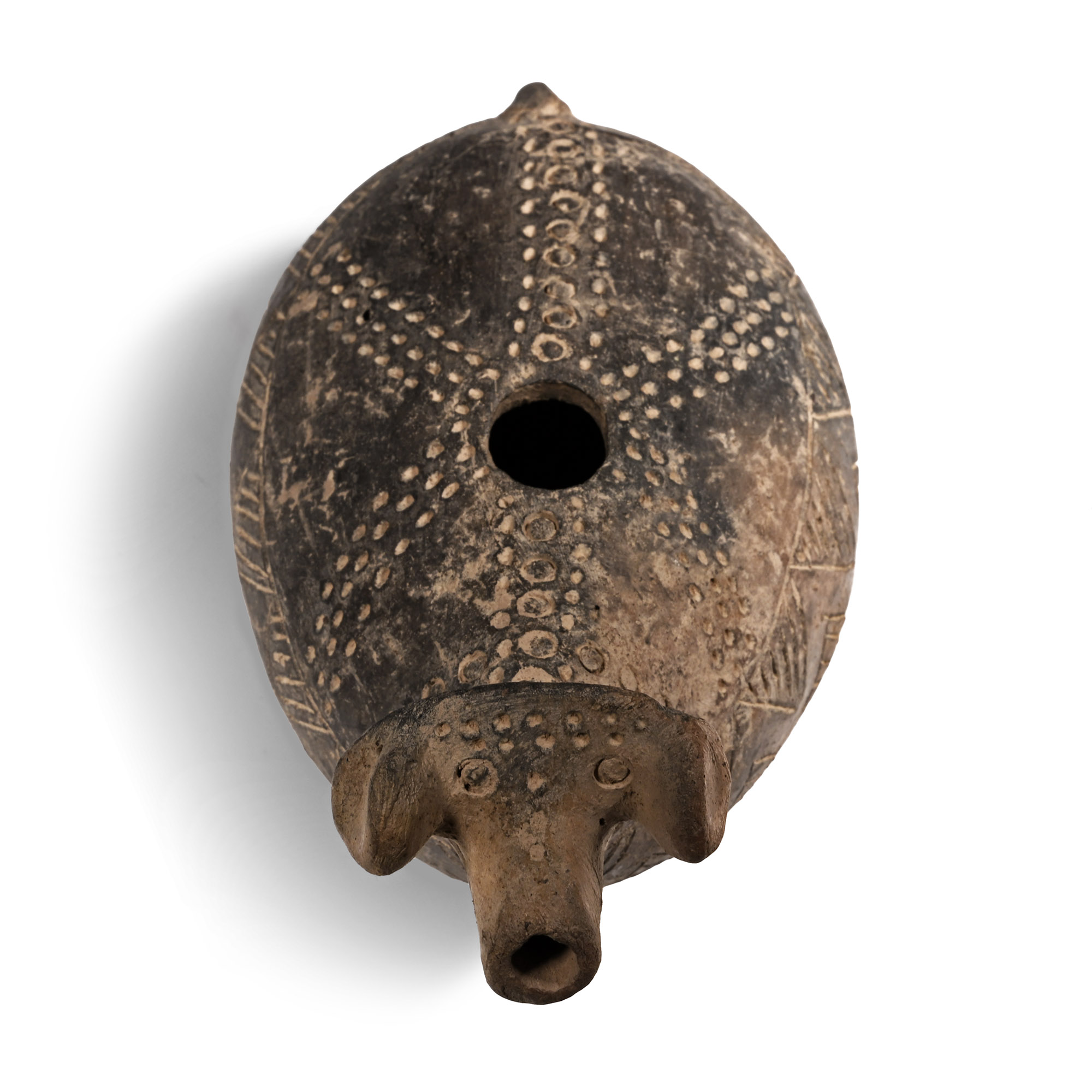
Anatolian Terracotta Ram Rhyton
19TH-18TH CENTURY B.C.
8 in. (578 grams, 20.5 cm).
Ovoid in plan with ram-head finial and spout, filling-hole to the centre back and stub tail forming a handle; hatched panels to the sidewall with reserved running zigzag, radiating bands of impressed point ornament, head with forward-facing curled horns.
Provenancewith Artemis gallery, Münich.
Acquired by the present owner from the above in 1992.
This lot has been checked against the Interpol Database of stolen works of art and is accompanied by a search certificate number no.12260-222201.
This lot has been cleared against the Art Loss Register database, and is accompanied by an illustrated lot declaration signed by the Head of the Antiquities Department, Dr Raffaele D'Amato.
Cf. similar but less accomplished example in the British Museum under accession no.1887,0502.85.
CONDITIONTimeLine Auctions follows a vetting process to ensure the authenticity and legality of all items, reinforcing our commitment to integrity and responsible trading. Each antiquity, antique, and coin lot undergoes thorough examination by a vetting committee of at least ten external specialists, professional trade association members, scientists, and archaeologists: Our Vetting Process
AUCTIONS:
TimeLine is a leading auction house specialising in antiquities, ancient art, collectables, natural history, coins, medals, and books. Our auctions offer museums, collectors, historians, and enthusiasts the opportunity to acquire unique and historically significant pieces.
LOT 0232
Anatolian Terracotta Ram Rhyton
Estimate £2,500 - 3,500€2,900 - 4,060 (for guidance only)$3,380 - 4,730 (for guidance only)
-
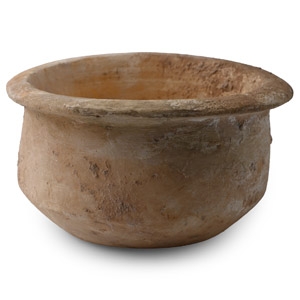
Mesopotamian Stone Vessel
1st millennium B.C.Estimate: £100 - 140 (+bp*)
Opening Bid: £50
Broad and squat in profile with carination to the equator, everted rim. 208 grams, 82 mm
From a collection formed before 1990. Ex Mayfair, London, UK, gallery, 2000s. This lot has been cleared against the Art Loss Register database, and is accompanied by an illustrated lot declaration signed by the Head of the Antiquities Department, Dr Raffaele D'Amato. -
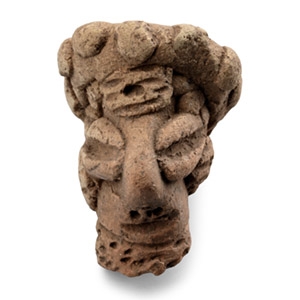
Hittite Ceramic Idol Head
2nd millennium B.C.Sold for (Inc. bp): £52
Head with applied headdress, eyes and earrings, pointillé nostrils and collar. 11 grams, 30 mm
Fine condition.
Ex an important Dutch collection; acquired on the European art market in the 1970s. From the private collection of John Meredith, acquired since the 1990s; thence by descent. This lot has been cleared against the Art Loss Register database, and is accompanied by an illustrated lot declaration signed by the Head of the Antiquities Department, Dr Raffaele D'Amato. -
.jpg)
Bactrian Style Lapis Lazuli Bead Necklace String
20th century A.D.Sold for (Inc. bp): £130
Composed of alternating tabular flower-shaped and grooved cylindrical beads interspersed with small glass oblate beads; restrung. 28.2 grams, 40.5 cm
Ex London art market. Property of a North London, UK, gentleman. This lot has been cleared against the Art Loss Register database, and is accompanied by an illustrated lot declaration signed by the Head of the Antiquities Department, Dr Raffaele D'Amato.
