
Loading, please wait...



LOT 1258
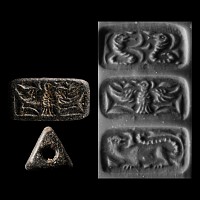
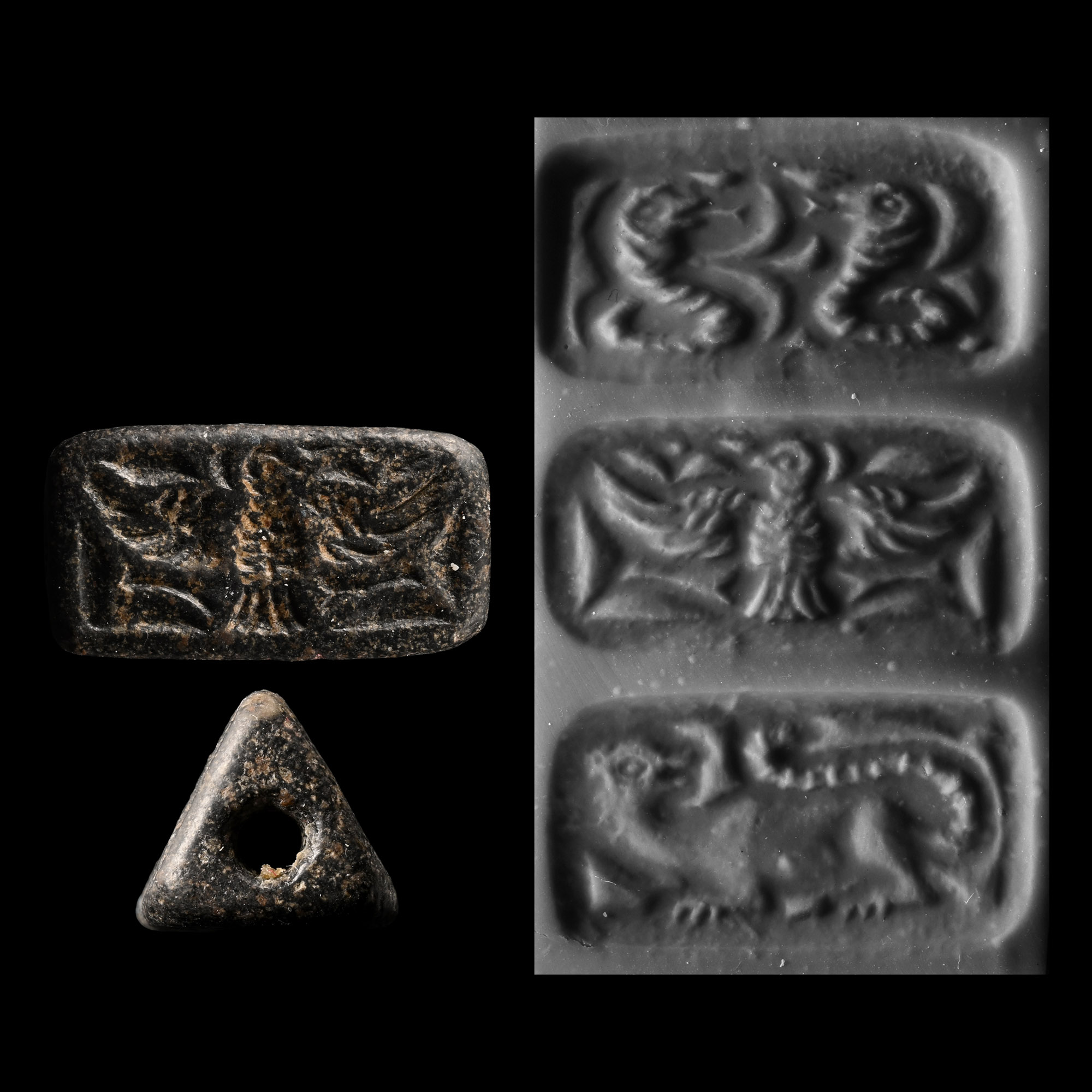
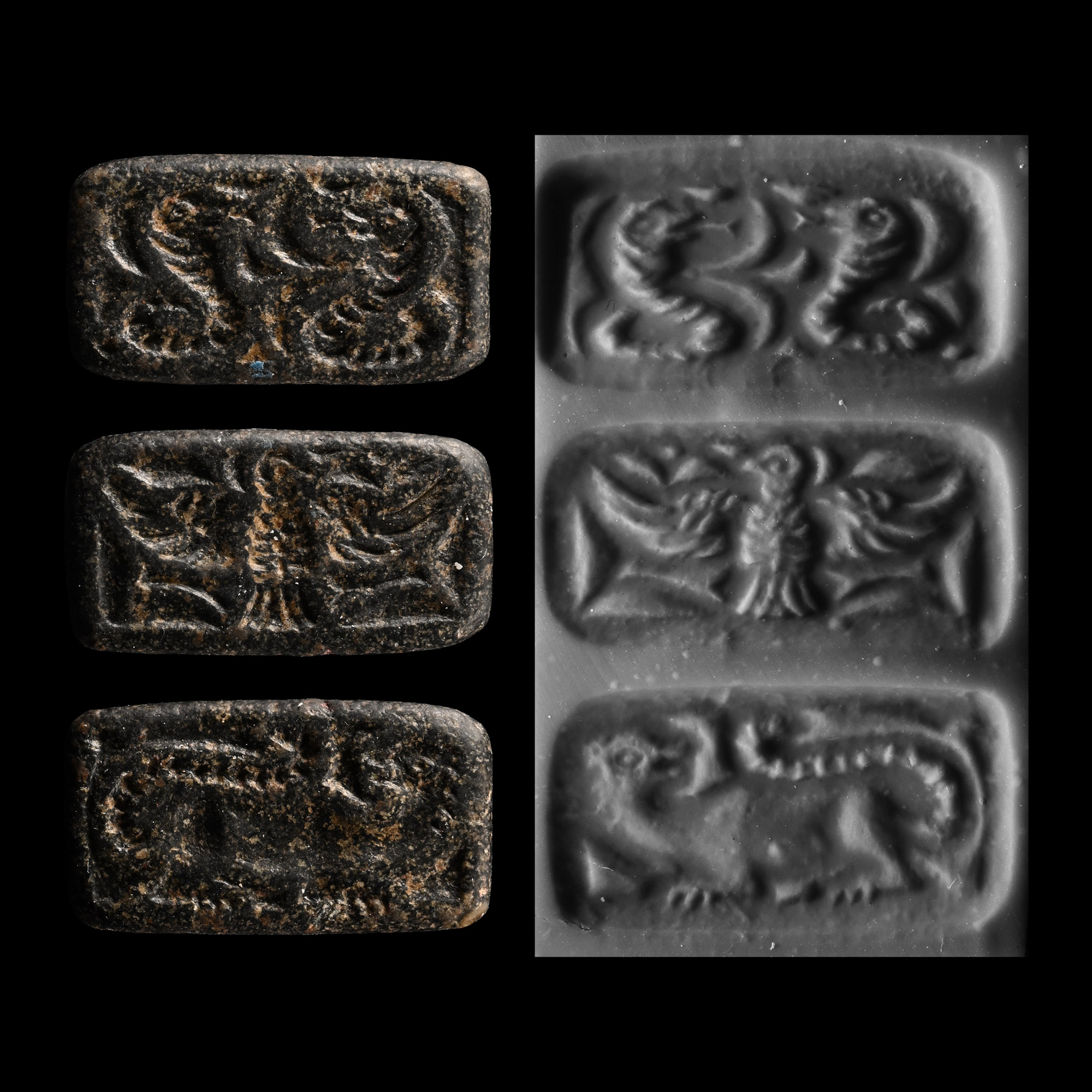
Anatolian Stone Stamp Seal
8TH-7TH CENTURY B.C.
1 in. (5.3 grams, 24 mm.).
Triangular in section with three figural scenes: (A) two serpents, opposed; (B) bird with wings spread; (C) regardant quadruped with tail raised; pierced longitudinally; supplied with a museum-quality impression.
ProvenanceEx S. collection, London, UK, 1980s-2000s.
Accompanied by a previous illustrated catalogue slip.
This lot has been cleared against the Art Loss Register database, and is accompanied by an illustrated lot declaration signed by the Head of the Antiquities Department, Dr Raffaele D'Amato.
TimeLine Auctions follows a vetting process to ensure the authenticity and legality of all items, reinforcing our commitment to integrity and responsible trading. Each antiquity, antique, and coin lot undergoes thorough examination by a vetting committee of at least ten external specialists, professional trade association members, scientists, and archaeologists: Our Vetting Process
AUCTIONS:
TimeLine is a leading auction house specialising in antiquities, ancient art, collectables, natural history, coins, medals, and books. Our auctions offer museums, collectors, historians, and enthusiasts the opportunity to acquire unique and historically significant pieces.
-
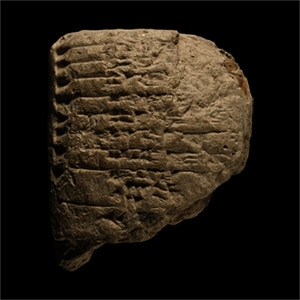
Mesopotamian Cuneiform Tablet Fragment
Early 2nd millennium B.C.Sold for (Inc. bp): £273
Bifacial, pillow-shaped with cuneiform text to both faces; lower end partly absent. 89 grams, 61 mm
Specialised collection of cuneiform texts, the property of a London gentleman and housed in London before 1992. Thence by descent to family members. Examined by Professor Wilfrid George Lambert FBA (1926-2011), historian, archaeologist, and specialist in Assyriology and Near Eastern archaeology, in the late 1980s and early 1990s. This small collection is exceptional for the variety of types, including some very rare and well preserved examples. This lot has been cleared against the Art Loss Register database, and is accompanied by an illustrated lot declaration signed by the Head of the Antiquities Department, Dr Raffaele D'Amato. -
.jpg)
Aramaic Lead Magical Text Scroll Fragment
2nd-8th century A.D.Sold for (Inc. bp): £351
The remains of a bifacial magical lead scroll with letters written in a form of Aramaic and Greek, incised on a lead tablet preserved in a sub-rectangular fragment. 8.13 grams, 73 mm
Fine condition.
Acquired 1979-1999. London collection of the late Mr S.M., thence by descent. This lot has been cleared against the Art Loss Register database, and is accompanied by an illustrated lot declaration signed by the Head of the Antiquities Department, Dr Raffaele D'Amato. -
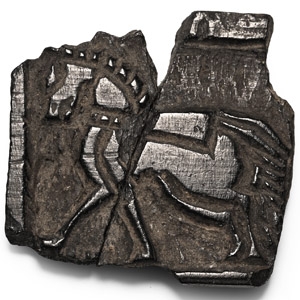
Western Asiatic Stone Panel Fragment with Horse
1st millennium B.C.Sold for (Inc. bp): £117
Carved rectangular plaque with reserved border and advancing horse with bridle and saddlecloth; possibly the leading edge of a wagon or chariot behind. 2.44 grams, 23 mm
Acquired 1979-1999. London collection of the late Mr S.M., thence by descent. This lot has been cleared against the Art Loss Register database, and is accompanied by an illustrated lot declaration signed by the Head of the Antiquities Department, Dr Raffaele D'Amato.
