
Loading, please wait...
LOT 0268
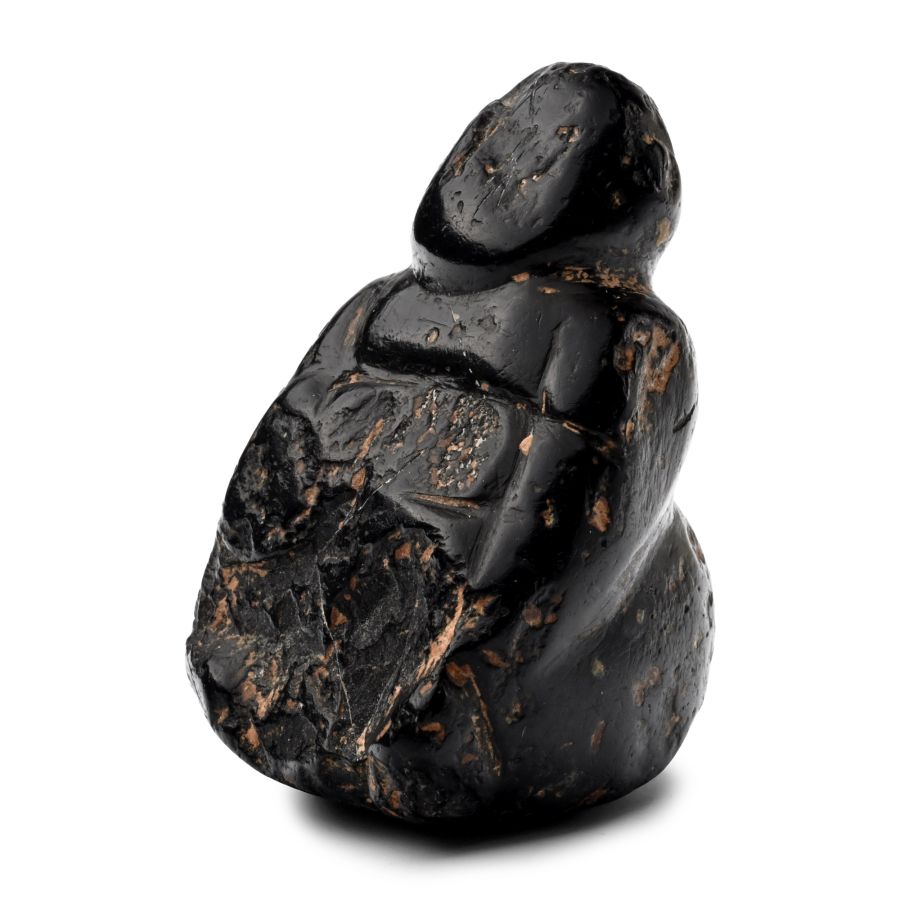
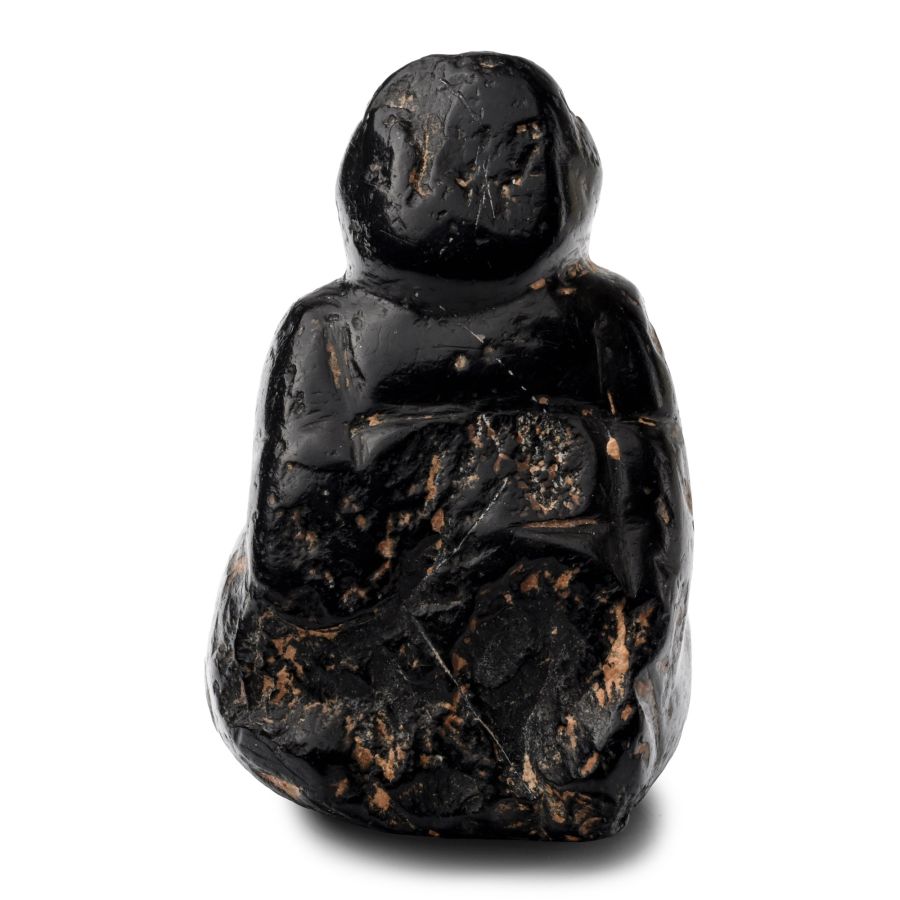
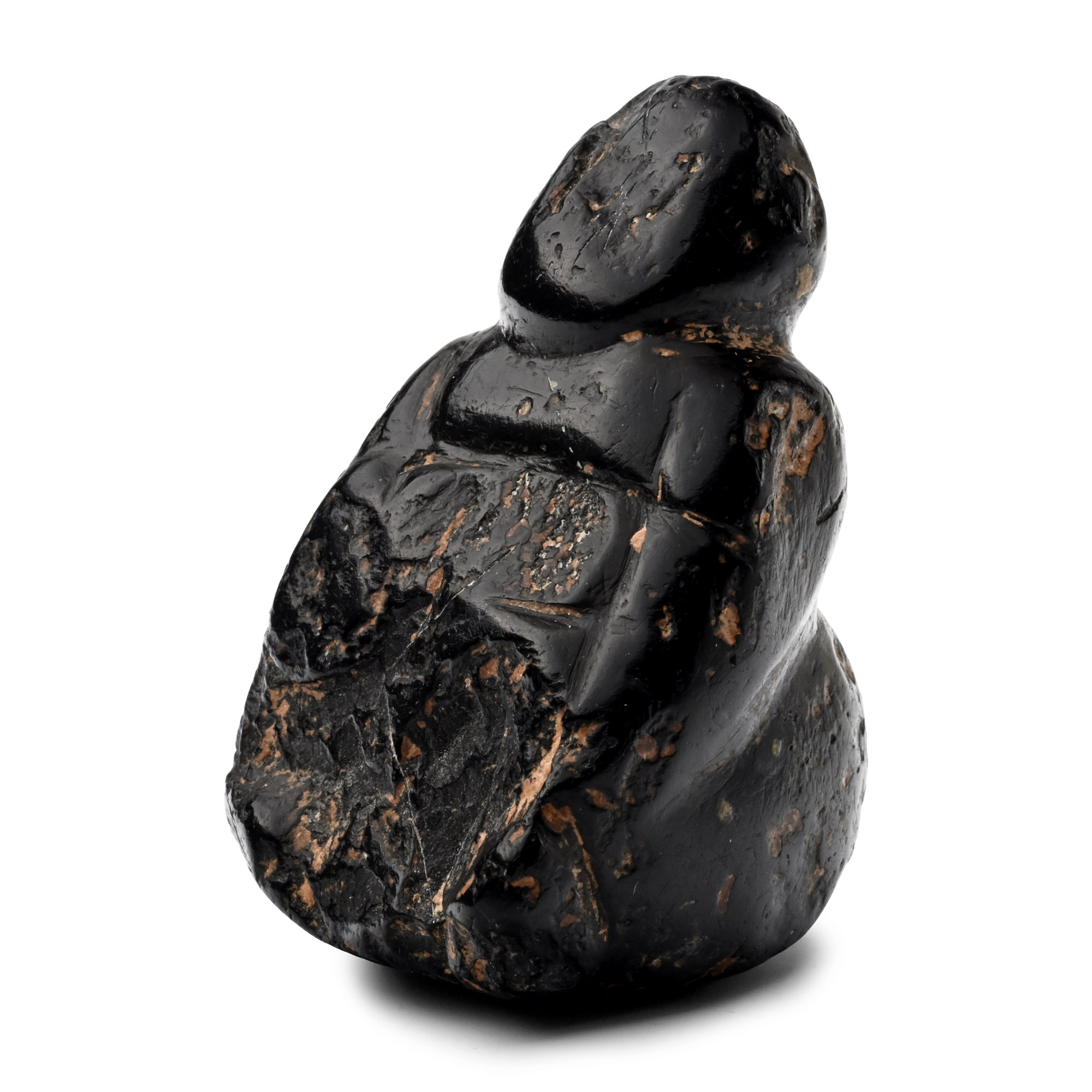
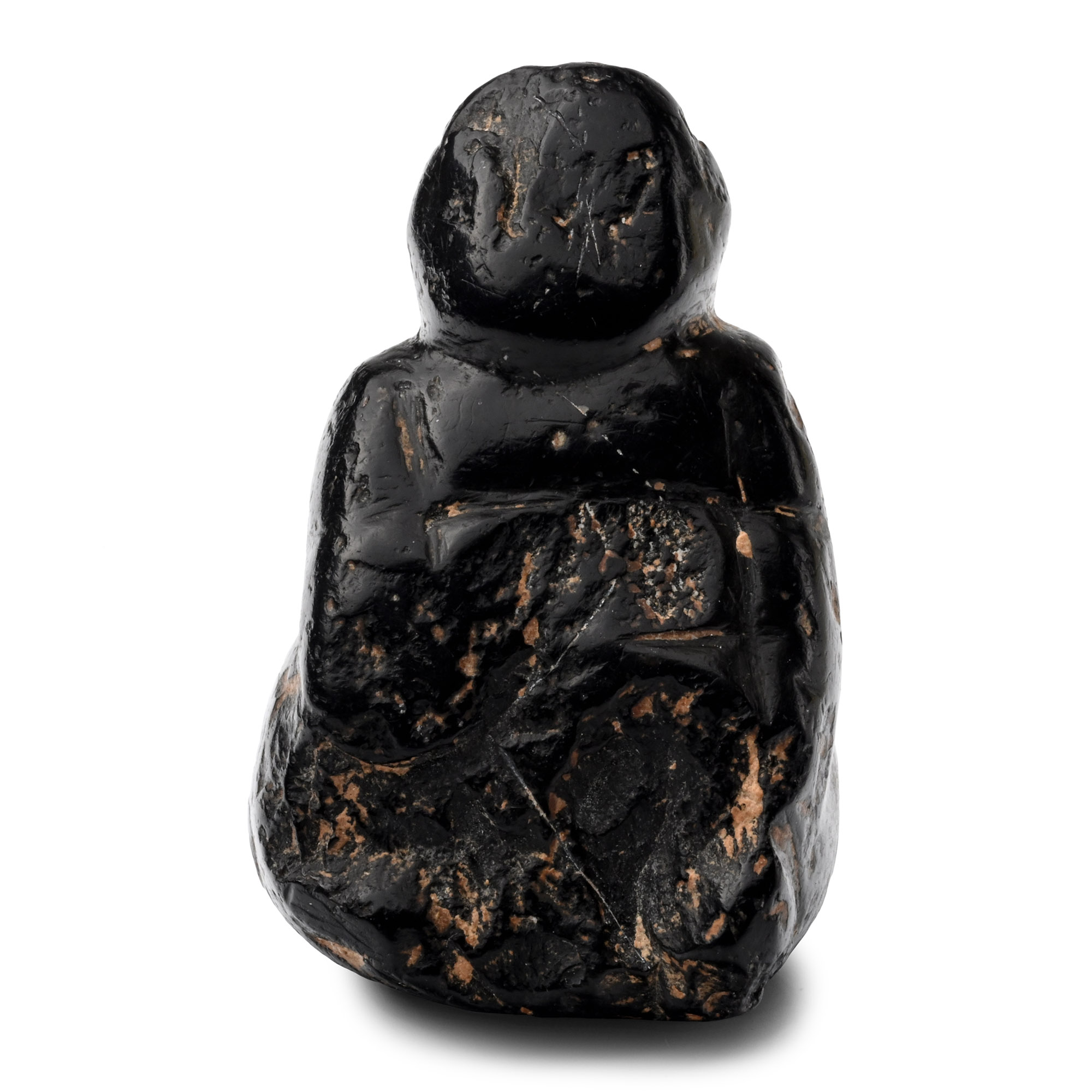
Anatolian Obsidian Idol
5TH-4TH MILLENNIUM B.C.
1 3/4 in. (48.4 grams, 46 mm).
Squat and rounded in profile with hands resting on the knees.
ProvenancePrivate collection, Austria.
Private collection, Europe.
This lot has been cleared against the Art Loss Register database, and is accompanied by an illustrated lot declaration signed by the Head of the Antiquities Department, Dr Raffaele D'Amato.
TimeLine Auctions follows a vetting process to ensure the authenticity and legality of all items, reinforcing our commitment to integrity and responsible trading. Each antiquity, antique, and coin lot undergoes thorough examination by a vetting committee of at least ten external specialists, professional trade association members, scientists, and archaeologists: Our Vetting Process
AUCTIONS:
TimeLine is a leading auction house specialising in antiquities, ancient art, collectables, natural history, coins, medals, and books. Our auctions offer museums, collectors, historians, and enthusiasts the opportunity to acquire unique and historically significant pieces.
LOT 0268
Anatolian Obsidian Idol
Estimate £800 - 1,000€930 - 1,160 (for guidance only)$1,080 - 1,350 (for guidance only)
-
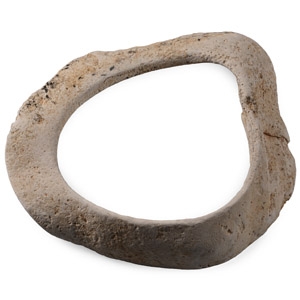
Sumerian Shell Bracelet
Neolithic Period, 4th-3rd millennium B.C.Sold for (Inc. bp): £98
Annular panel cut from a large mollusc shell, domed in section. 126 grams, 13.2 cm
Ex London, UK, collection, 1980-1990s. This lot has been cleared against the Art Loss Register database, and is accompanied by an illustrated lot declaration signed by the Head of the Antiquities Department, Dr Raffaele D'Amato. -
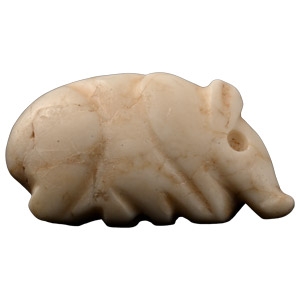
Mesopotamian Stone Pig Amulet
Uruk, 4th millennium B.C.Sold for (Inc. bp): £286
Reclining pig in profile with an elongated snout, circular recess for an eye insert, pierced through the centre; incised lines on the reverse. 16.1 grams, 42 mm
From a Mayfair, London, UK, gallery, 1990s. From a private UK collection. This lot has been cleared against the Art Loss Register database, and is accompanied by an illustrated lot declaration signed by the Head of the Antiquities Department, Dr Raffaele D'Amato. -
.jpg)
Sasanian High Tin Bronze Bowl
3rd-7th century A.D.Sold for (Inc. bp): £156
A shallow, wide bowl with rounded walls and flat base, incised concentric decoration to the inner base. 143 grams, 15.4 cm
Ex London, UK, collections, 1990s-2000s. This lot has been cleared against the Art Loss Register database, and is accompanied by an illustrated lot declaration signed by the Head of the Antiquities Department, Dr Raffaele D'Amato.
