
Loading, please wait...
LOT 1534
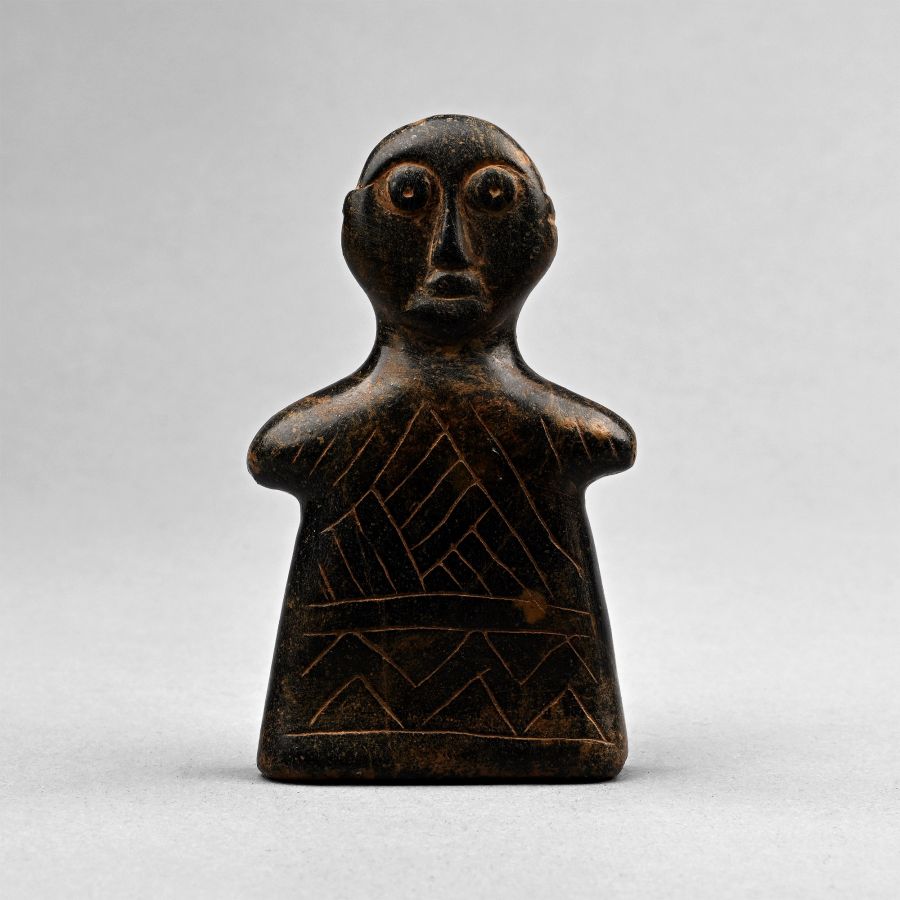
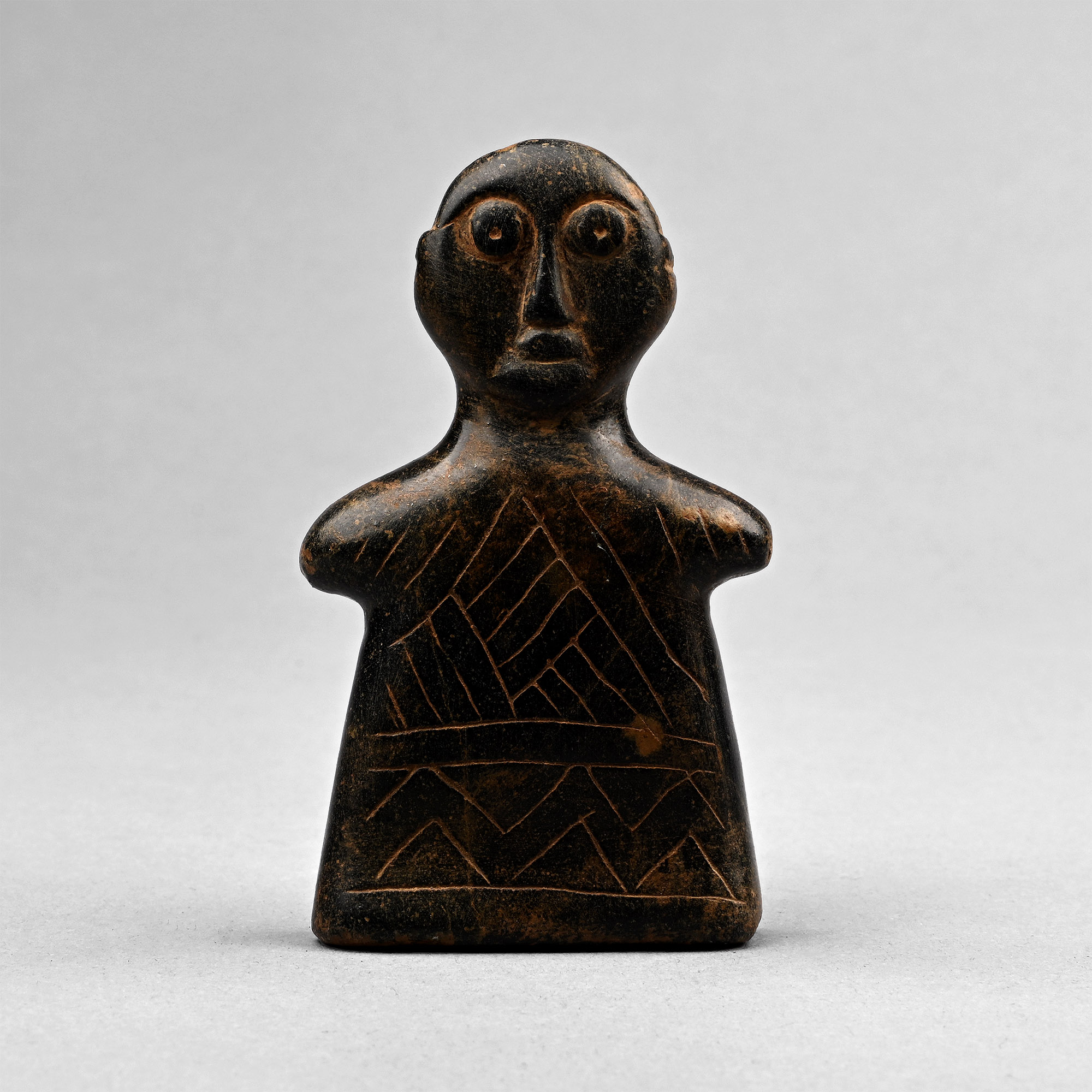
Anatolian Black Stone Idol
3RD MILLENNIUM B.C.
4 in. (156 grams, 10.1 cm).
Carved in the half-round with hatched detailing to the tunic and belt, discoid head with reserved annulet eyes and trapezoidal nose, and lateral stub ears.
ProvenanceEx Swiss collection, 1980s.
Private collection, 1994.
Private collection, since the late 1990s.
This lot has been checked against the Interpol Database of stolen works of art and is accompanied by a search certificate number no.12874-241677.
Cf. for a similar idol Atakuman, Ç., ‘Figurines of the Anatolian Early Bronze Age: The assemblage from Koçumbeli-Ankara’ in Anatolian Studies, 67, Ankara, 2017, pp.85-108, fig.5.
CONDITIONTimeLine Auctions follows a vetting process to ensure the authenticity and legality of all items, reinforcing our commitment to integrity and responsible trading. Each antiquity, antique, and coin lot undergoes thorough examination by a vetting committee of at least ten external specialists, professional trade association members, scientists, and archaeologists: Our Vetting Process
AUCTIONS:
TimeLine is a leading auction house specialising in antiquities, ancient art, collectables, natural history, coins, medals, and books. Our auctions offer museums, collectors, historians, and enthusiasts the opportunity to acquire unique and historically significant pieces.
-
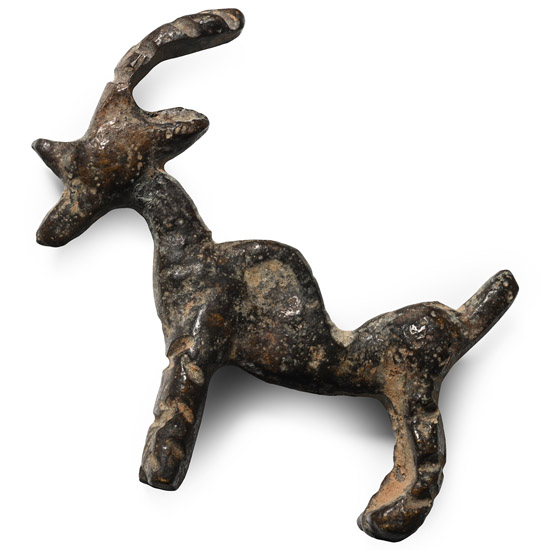
Luristan Bronze Figure of an Ibex
1st millennium B.C.Sold for (Inc. bp): £33
Modelled standing with raised tail and a large head with long, curving horns. 23.2 grams, 47 mm long
From the private collection of a European gentleman (1942-2024), formed since the 1970s. -
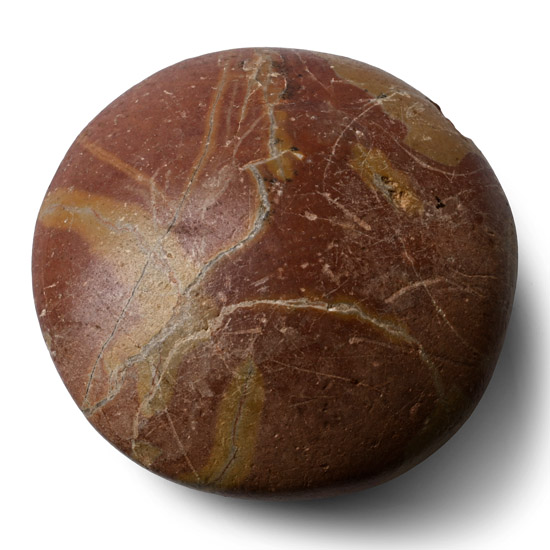
Large Mesopotamian Carved Stone Weight
3rd-2nd millennium B.C.Estimate: £500 - 700 (+bp*)
Opening Bid: £250
Circular body with flaring walls and a domed top. 380 grams, 80 mm
Acquired in the late 1980s-early 1990s. Private collection, London. -
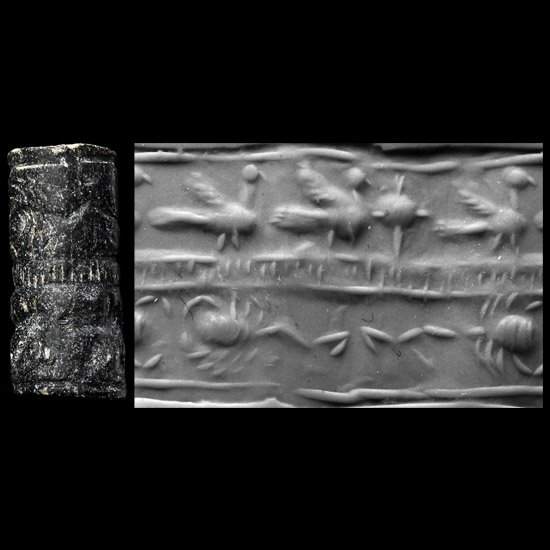
Western Asiatic Stone Cylinder Seal with Birds and Scorpions
2nd-1st millennium B.C.Sold for (Inc. bp): £130
Frieze in two registers: above, row of perching birds with orb; below, row of scorpions; supplied with a museum-quality impression. 2.47 grams, 18.91 mm
From the private collection of a European gentleman (1942-2024), formed since the 1970s.
