
Loading, please wait...
LOT 0234
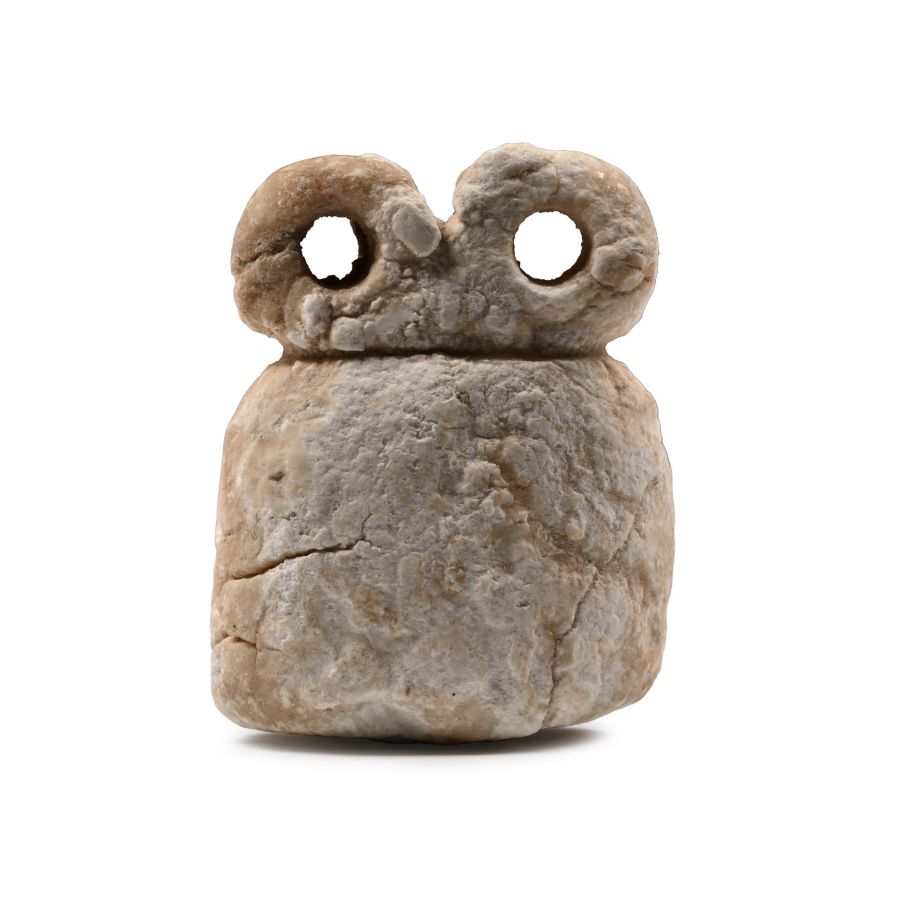
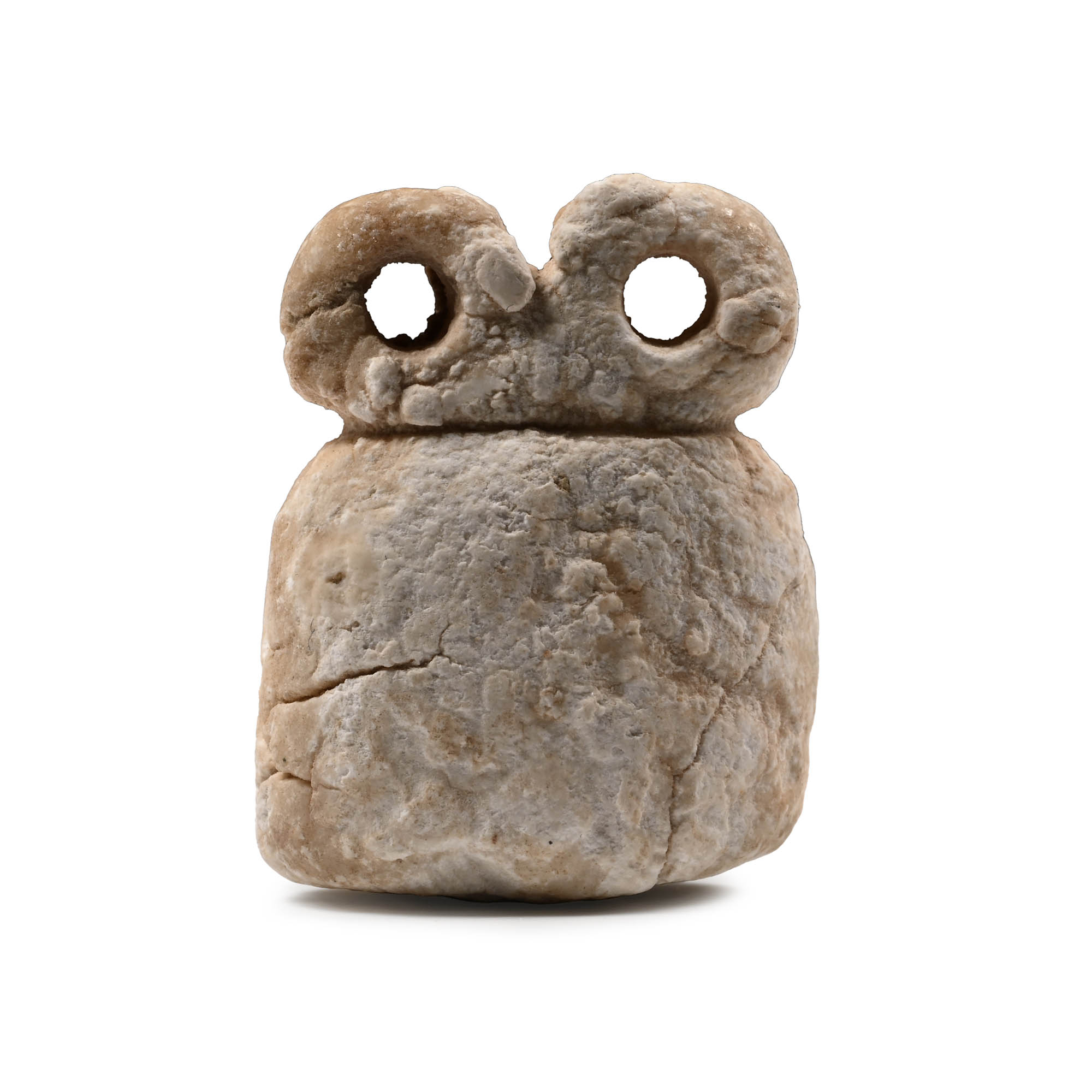
Anatolian Alabaster Eye Idol Weight Susiane
2800-2500 B.C.
1 1/2 in. (26.4 grams, 39 mm).
With a rounded body and two looped eyes.
ProvenanceAcquired in Switzerland, 2002.
Private collection, Europe.
Cf. De Rochesnard, Album des Poids Antiques I, p.73.
CONDITIONTimeLine Auctions follows a vetting process to ensure the authenticity and legality of all items, reinforcing our commitment to integrity and responsible trading. Each antiquity, antique, and coin lot undergoes thorough examination by a vetting committee of at least ten external specialists, professional trade association members, scientists, and archaeologists: Our Vetting Process
AUCTIONS:
TimeLine is a leading auction house specialising in antiquities, ancient art, collectables, natural history, coins, medals, and books. Our auctions offer museums, collectors, historians, and enthusiasts the opportunity to acquire unique and historically significant pieces.
-
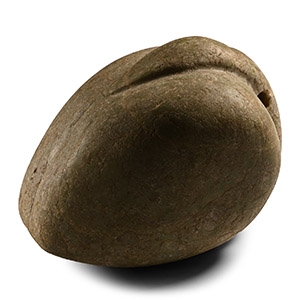
Neo Babylonian Stone Duck Weight
8th-7th century B.C. or laterSold for (Inc. bp): £910
With two broad ovoid wings, the head resting along the spine; pierced through the neck. 3.19 kg, 16 cm
From an important collection formed before 1988. Examined by Professor Wilfrid George Lambert FBA (1926-2011), historian, archaeologist, and specialist in Assyriology and Near Eastern archaeology, in the late 1980s and 1990s. -
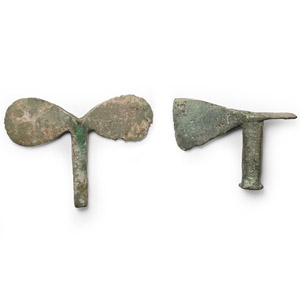
Elamite Ceremonial Axe Head Group
2nd millennium B.C.Estimate: £300 - 400 (+bp*)
Opening Bid: £120
Comprising: tubular shank with two lateral lobes; tubular shank with flared rim, triangular axe-head and small adze to rear. 44.3 grams total, 61-75 mm
with a London, UK gallery, 1971-early 2000s. -
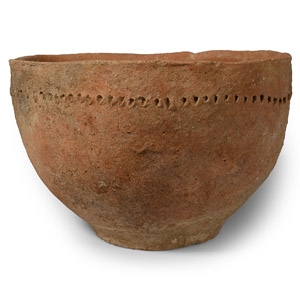
Large Holy Land Trans-Jordan Terracotta Bowl
Early Bronze Age, 3rd-2nd millennium B.C.Sold for (Inc. bp): £312
With wide body and low foot, decorative impressed-point band with four low lugs below the rim, undulating line at the foot. 1.6 kg, 24 cm wide
From a family collection mostly formed in the 1940s-1950s, thence by descent.
