
Loading, please wait...
LOT 1471
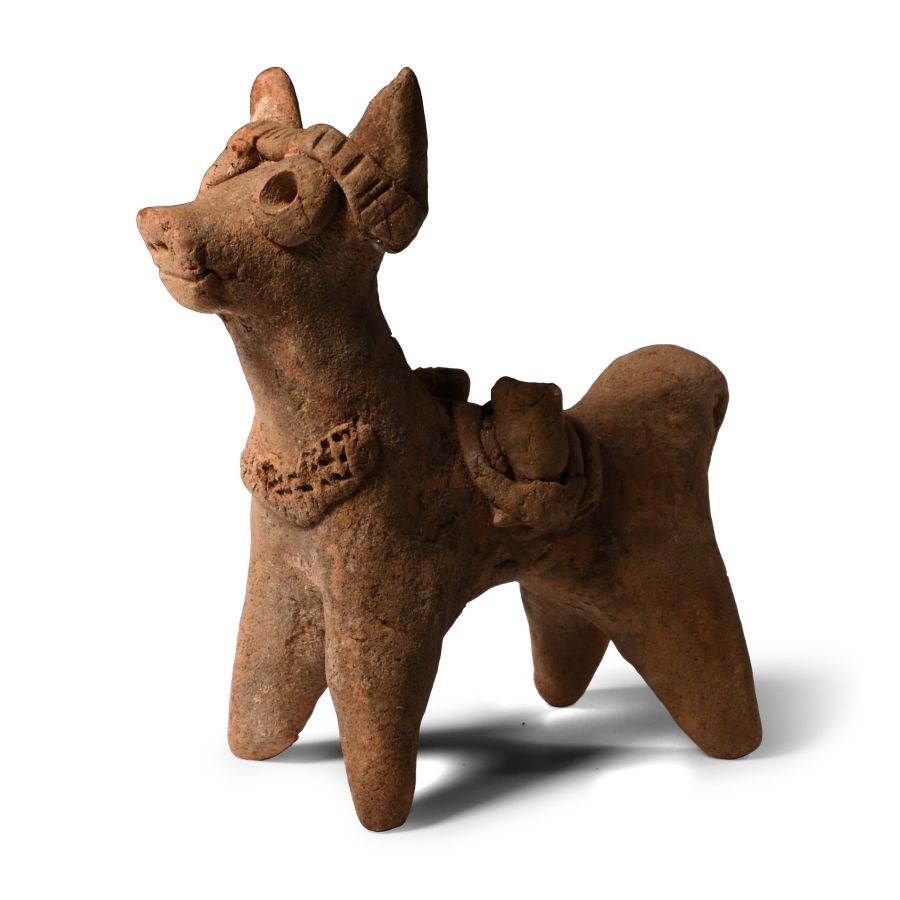
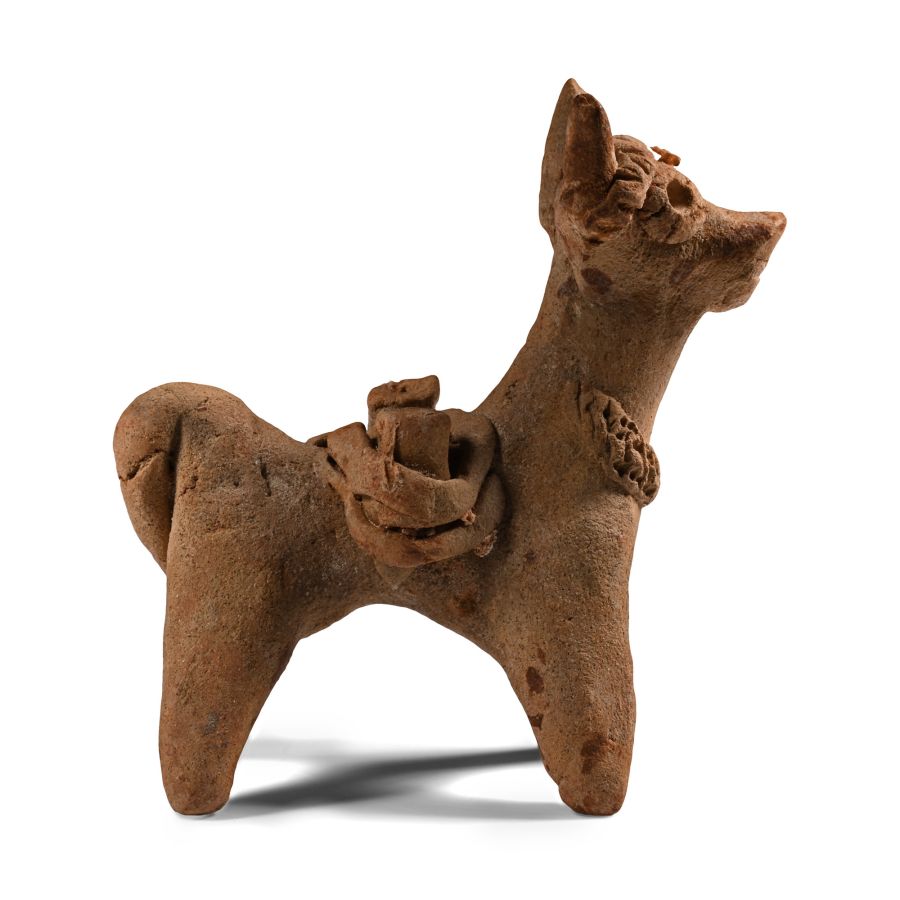
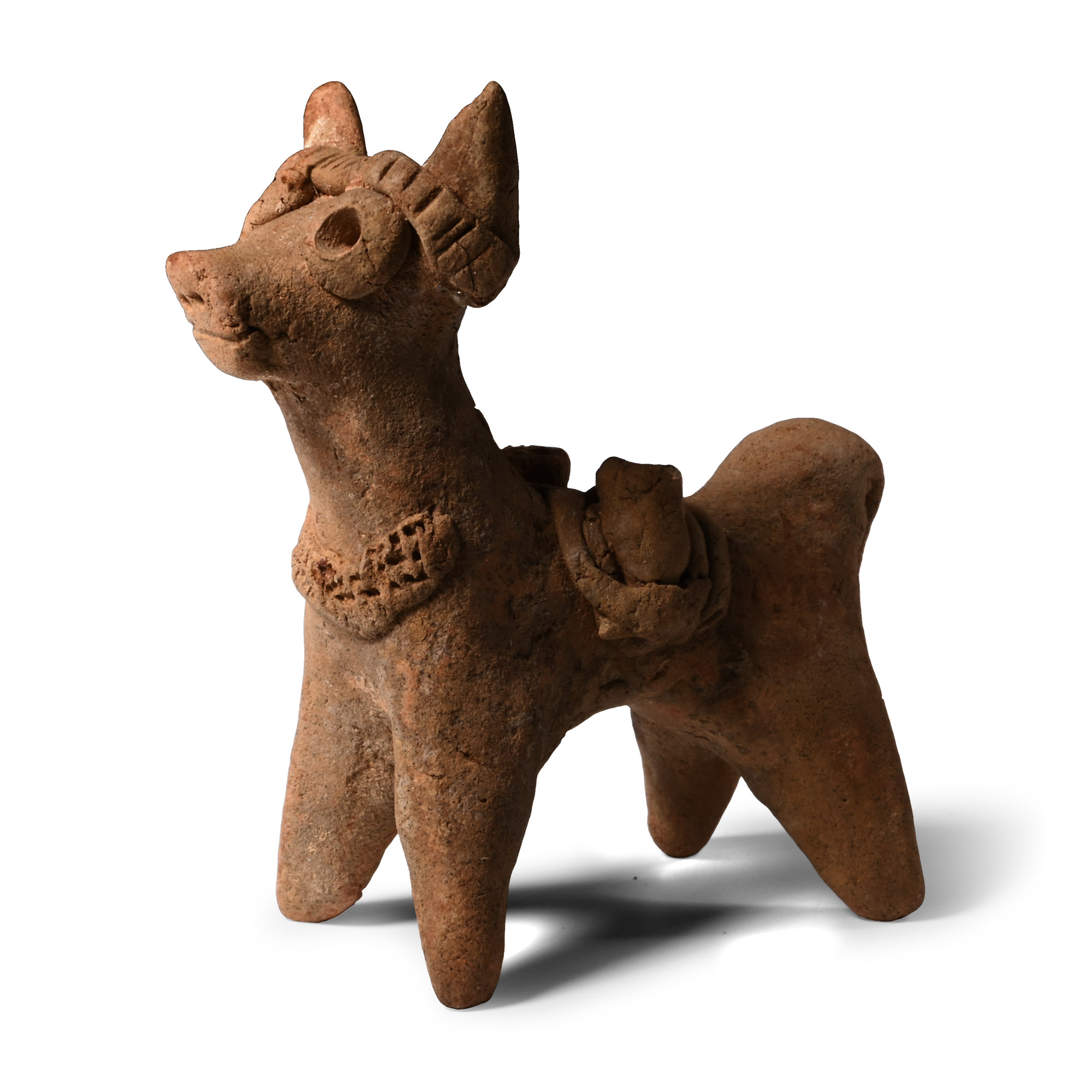
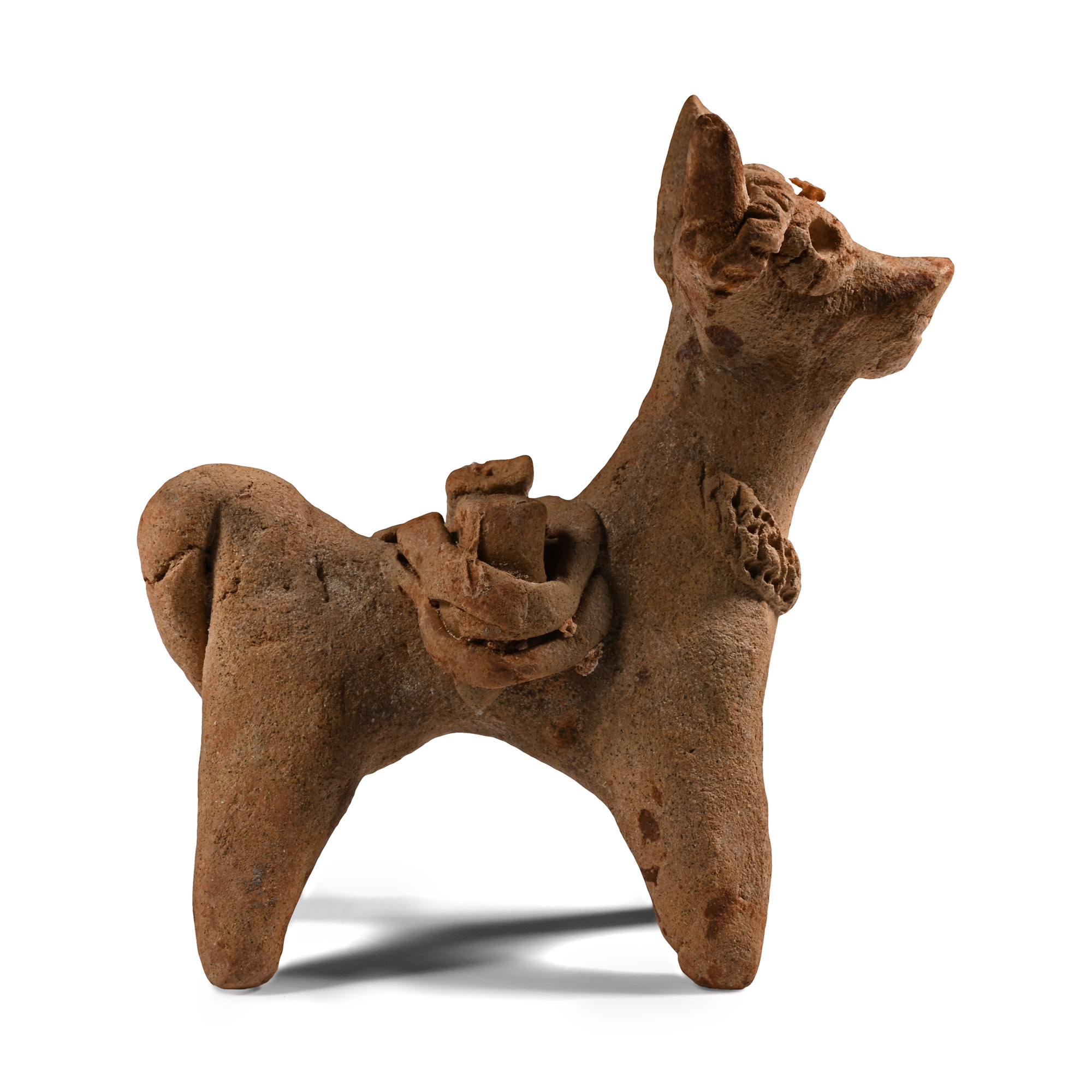
Amorite Terracotta Saddled Animal
1800-1600 B.C.
3 1/4 in. (88 grams, 85 mm).
Modelled in the round with halter to the chest, strap to the brow and saddle with two lateral containers and straps.
ProvenanceAcquired in the mid 1980s-1990s.
Private collection, Switzerland, thence by descent.
Private collection, since the late 1990s.
This lot has been cleared against the Art Loss Register database, and is accompanied by an illustrated lot declaration signed by the Head of the Antiquities Department, Dr Raffaele D'Amato.
TimeLine Auctions follows a vetting process to ensure the authenticity and legality of all items, reinforcing our commitment to integrity and responsible trading. Each antiquity, antique, and coin lot undergoes thorough examination by a vetting committee of at least ten external specialists, professional trade association members, scientists, and archaeologists: Our Vetting Process
AUCTIONS:
TimeLine is a leading auction house specialising in antiquities, ancient art, collectables, natural history, coins, medals, and books. Our auctions offer museums, collectors, historians, and enthusiasts the opportunity to acquire unique and historically significant pieces.
LOT 1471
Amorite Terracotta Saddled Animal
Estimate £700 - 900€810 - 1,040 (for guidance only)$950 - 1,220 (for guidance only)
-
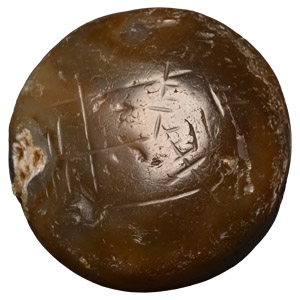
Sasanian Banded Agate Stamp Seal
4th-6th century A.D.Sold for (Inc. bp): £72
Plano-convex in profile with lightly incised geometric pattern to the underside, rectangle with vertical stem on a tiered base with lateral fronds; possibly a stylised winged figure or supplicant with raised arms. 18.6 grams, 26 mm
UK private collection before 2000. Acquired on the UK art market. Property of a London gentleman. This lot has been cleared against the Art Loss Register database, and is accompanied by an illustrated lot declaration signed by the Head of the Antiquities Department, Dr Raffaele D'Amato. -
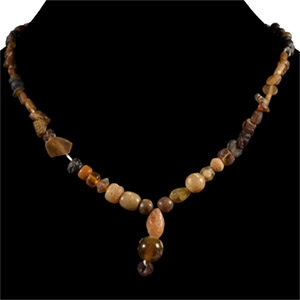
Western Asiatic Mixed Bead Necklace String
1st millennium B.C. and laterSold for (Inc. bp): £98
Composed of graduated irregular and oblate beads, restrung to a Y-shaped with larger feature beads. 20.37 grams, 36 cm
Acquired 1980-2015. Ex Abelita family collection. This lot has been cleared against the Art Loss Register database, and is accompanied by an illustrated lot declaration signed by the Head of the Antiquities Department, Dr Raffaele D'Amato. -
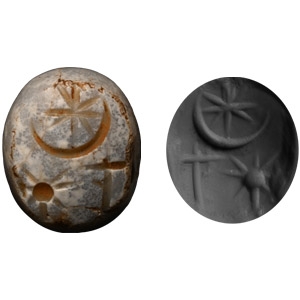
Neo Babylonian Agate Stamp Seal with Star and Moon
7th-6th century B.C.Sold for (Inc. bp): £221
Conical body pierced through the top, underside engraved with a crescent moon and star above, sun and an altar(?) below. 7.33 grams, 21 mm
UK private collection before 2000. Acquired on the UK art market. Property of a London gentleman. This lot has been cleared against the Art Loss Register database, and is accompanied by an illustrated lot declaration signed by the Head of the Antiquities Department, Dr Raffaele D'Amato.
