
Loading, please wait...
LOT 1543
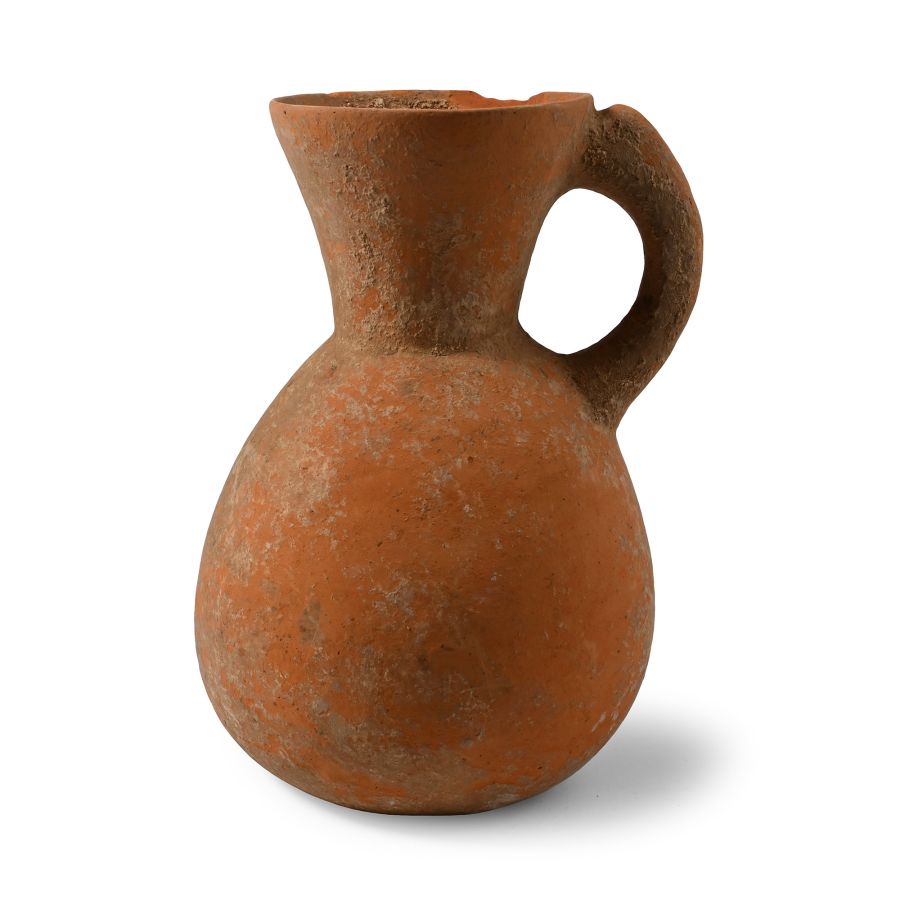
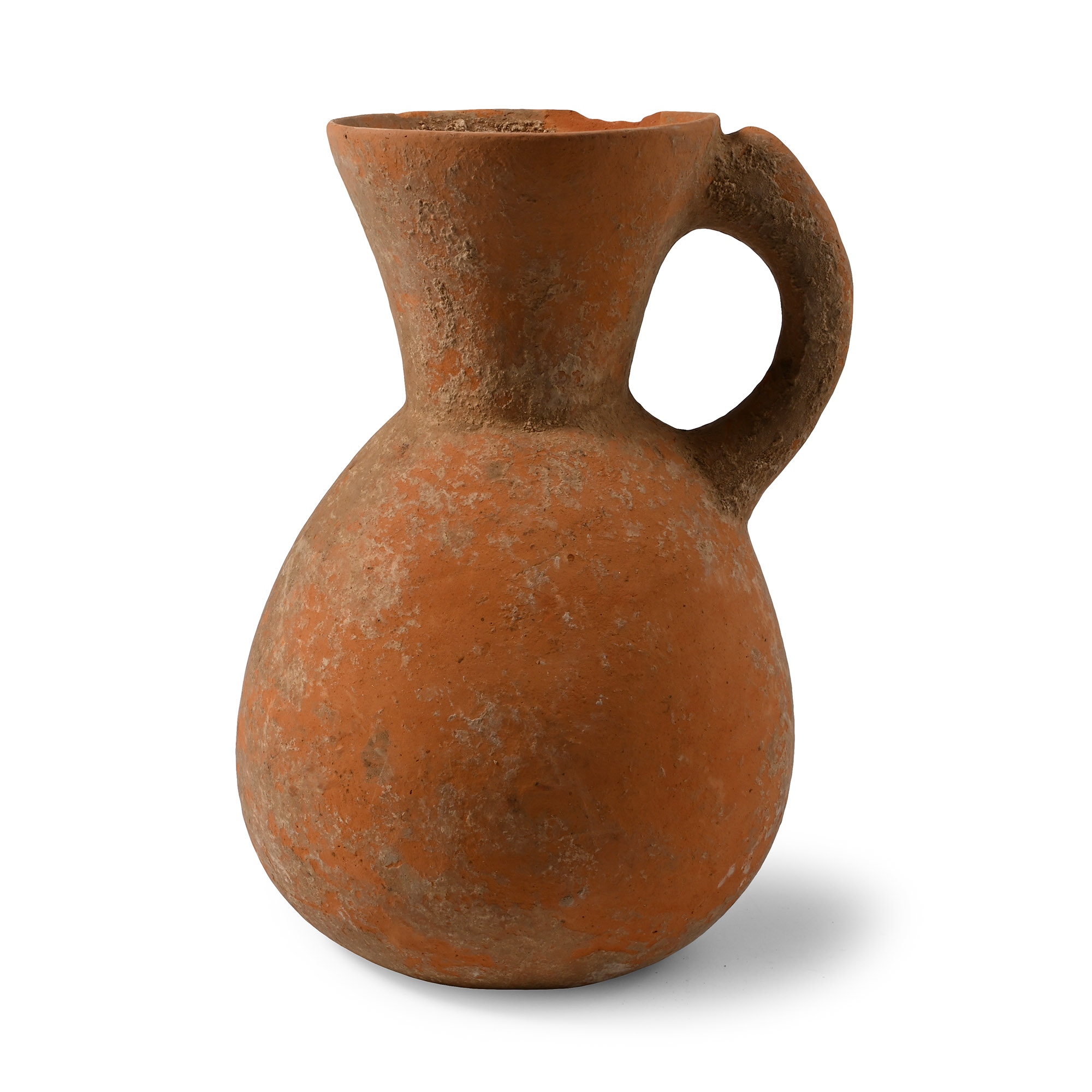
Amlash Terracotta Jug with Flared Mouth
1ST MILLENNIUM B.C.
5 3/4 in. (305 grams, 14.6 cm).
Comprising an ovoid body with a flat base, trumpet-shaped neck and a single handle to the rear. [No Reserve]
ProvenanceAcquired on the UK art market before 2000.
Property of an Essex, UK, gentleman.
TimeLine Auctions follows a vetting process to ensure the authenticity and legality of all items, reinforcing our commitment to integrity and responsible trading. Each antiquity, antique, and coin lot undergoes thorough examination by a vetting committee of at least ten external specialists, professional trade association members, scientists, and archaeologists: Our Vetting Process
AUCTIONS:
TimeLine is a leading auction house specialising in antiquities, ancient art, collectables, natural history, coins, medals, and books. Our auctions offer museums, collectors, historians, and enthusiasts the opportunity to acquire unique and historically significant pieces.
-
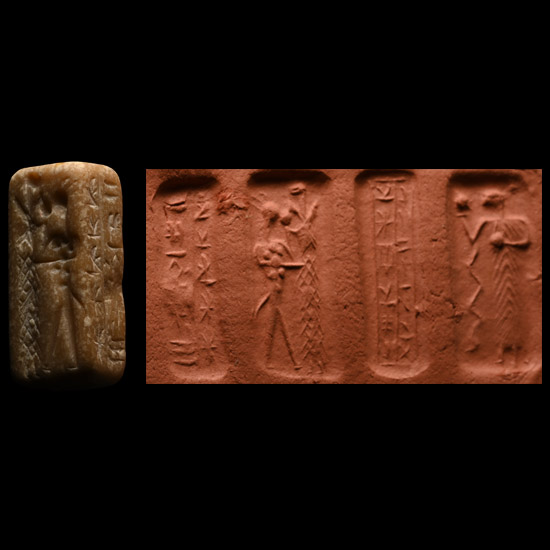
Mesopotamian Cream Steatite Four-Sided Seal with Figures and Cuneiform Text
Circa 2500 B.C.Sold for (Inc. bp): £546
Rectangular in section, each face with a carved panel: standing figure with chevron detailing to robe, zigzag beneath bent arm; two columns of cuneiform script; standing figure with rosette beside a hatched column with bird above; two columns of cuneiform script; with old dealer's ticket and collector's card; supplied with a museum-quality impression. 8.28 grams, 30.48 mm
From the private collection of the late Mr W. Magee, Hartlepool, County Durham, UK, 1960s-1990s, thence by descent. Accompanied by two previous cataloguing information cards. -
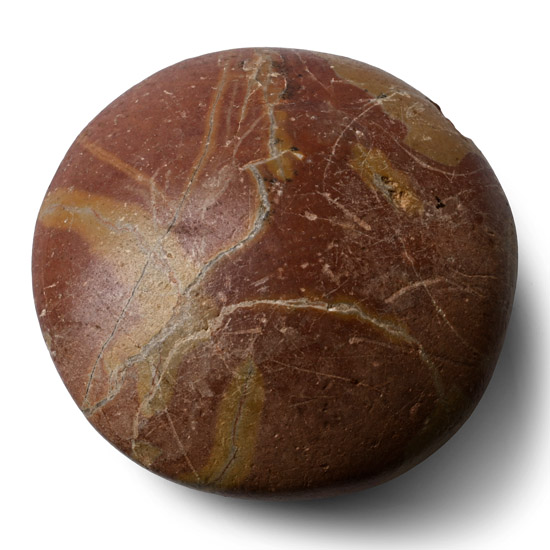
Large Mesopotamian Carved Stone Weight
3rd-2nd millennium B.C.Estimate: £500 - 700 (+bp*)
Opening Bid: £250
Circular body with flaring walls and a domed top. 380 grams, 80 mm
Acquired in the late 1980s-early 1990s. Private collection, London. -
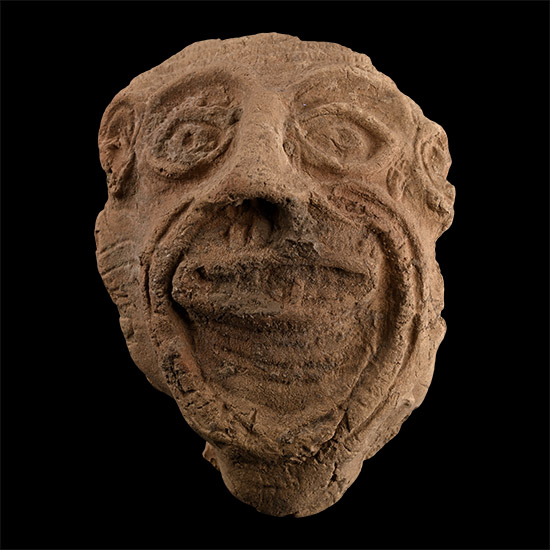
Old Babylonian Terracotta Plaque of Demon Pazuzu
Circa 1750-1550 B.C.Estimate: £800 - 1,000 (‡+bp*)
Opening Bid: £400
Ovoid in plan with moulded high-relief facial detailing, suspension ledge to reverse. 170 grams, 10.9 cm
From the collection of Contessa L.G., assembled in the 1980s. Private collection, acquired in Switzerland in 1999. Accompanied by a copy of an Art Loss Register certificate, no.S00066787.
