
Loading, please wait...
LOT 1712
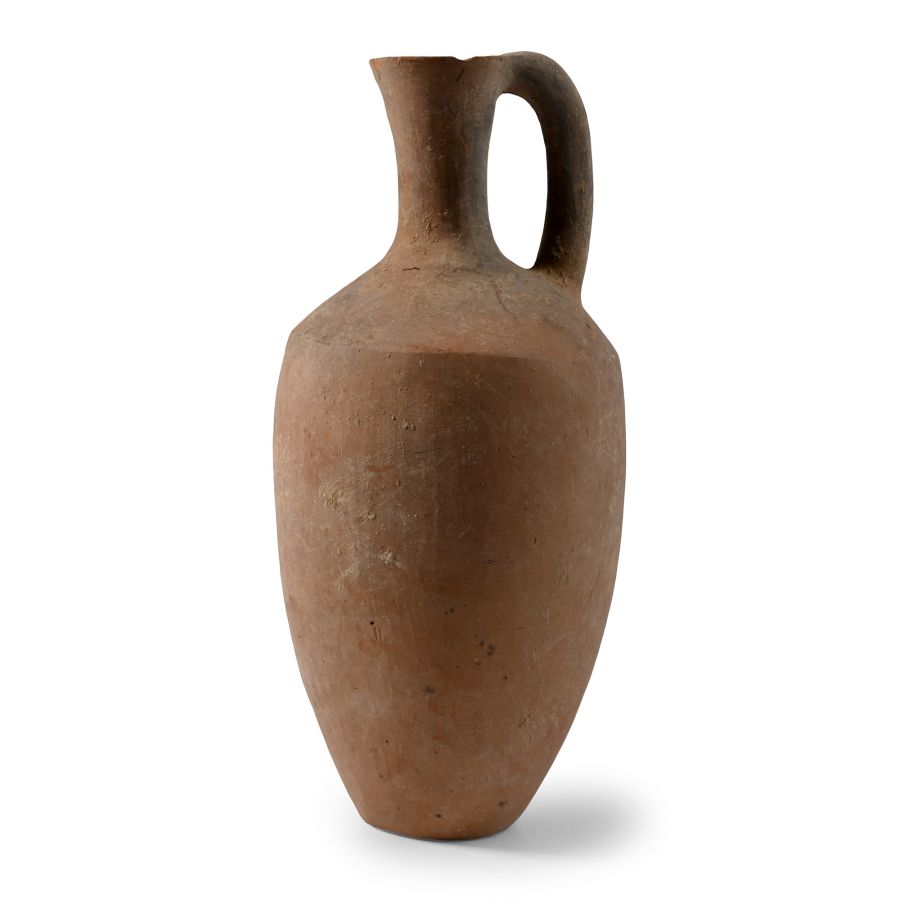
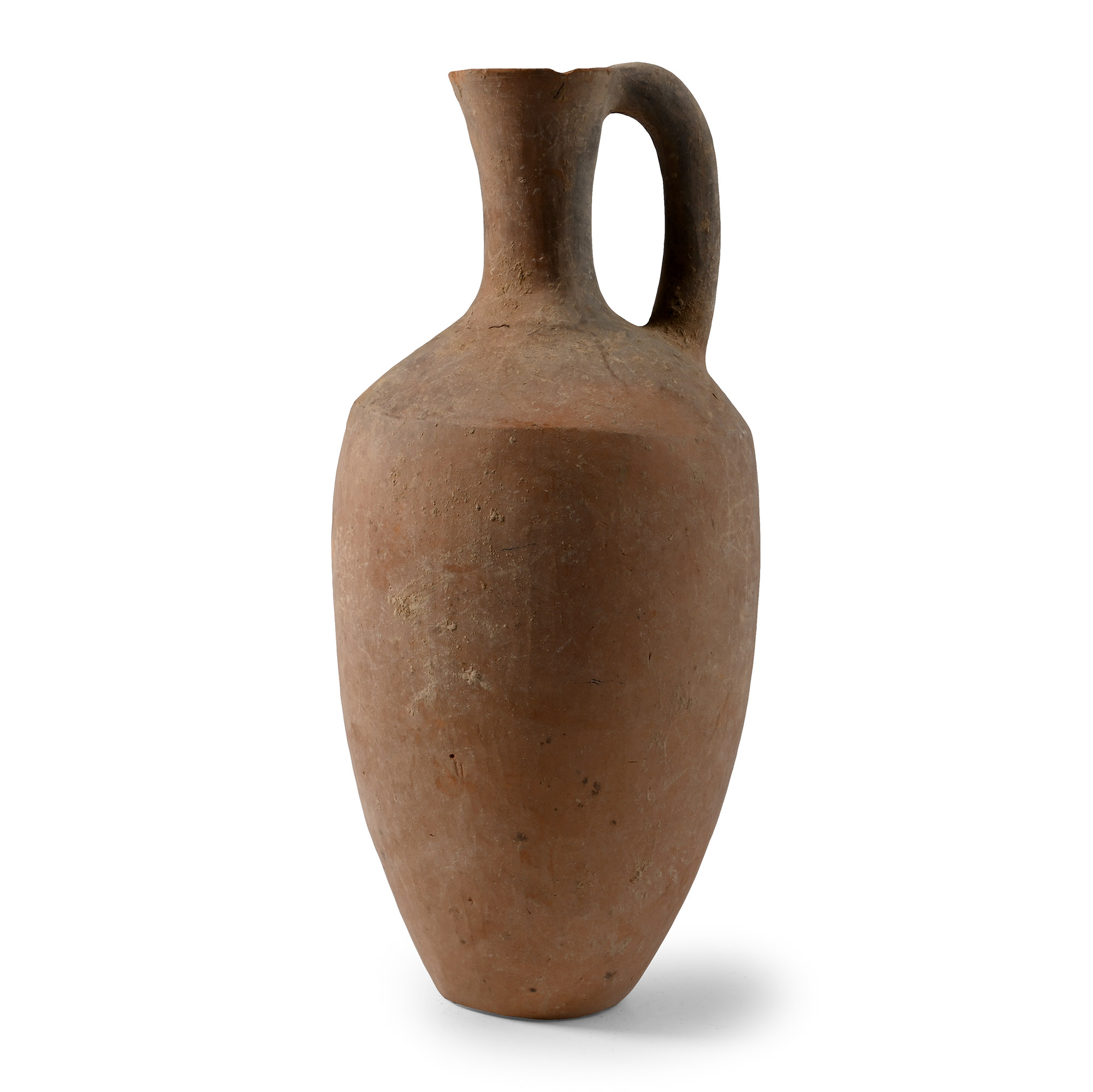
Amlash Tall Terracotta Jug
1ST MILLENNIUM B.C.
9 in. (458 grams, 23 cm).
Elongated ovoid body with flat base, a trumpet-shaped neck with flared rim and a handle to the rear.
ProvenanceAcquired on the UK art market before 2000.
Property of an Essex, UK, gentleman.
TimeLine Auctions follows a vetting process to ensure the authenticity and legality of all items, reinforcing our commitment to integrity and responsible trading. Each antiquity, antique, and coin lot undergoes thorough examination by a vetting committee of at least ten external specialists, professional trade association members, scientists, and archaeologists: Our Vetting Process
AUCTIONS:
TimeLine is a leading auction house specialising in antiquities, ancient art, collectables, natural history, coins, medals, and books. Our auctions offer museums, collectors, historians, and enthusiasts the opportunity to acquire unique and historically significant pieces.
-
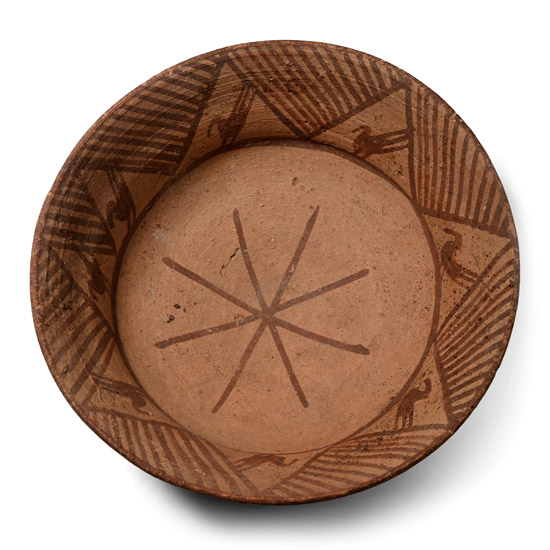
Western Asiatic Terracotta Bowl with Painted Birds
4th-3rd millennium B.C.Estimate: £800 - 1,000 (+bp*)
Opening Bid: £400
With a rounded underside and flared rim; painted asterisk to centre, hatched chevrons to mouth with profile birds in the voids; early Iranian workmanship. 298 grams, 16 cm wide
Ex London, UK, gallery, 1971-early 2000s. London, UK, collection. -
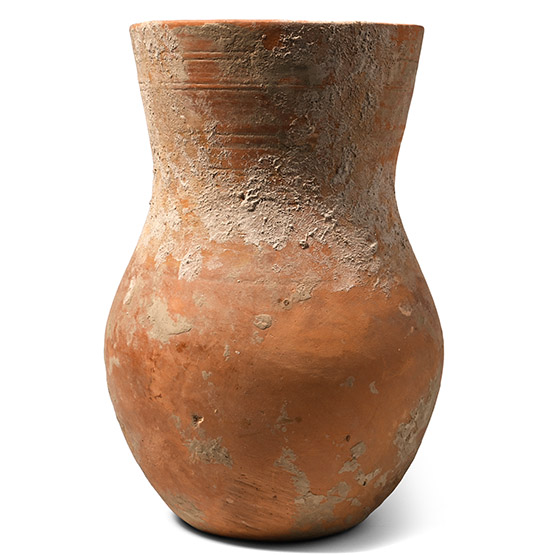
Western Asiatic Pottery Vase
1st millennium B.C.Sold for (Inc. bp): £39
Comprising a biconvex body and broad flaring mouth, with circumferential impressed lines to the outer face. 729 grams, 19 cm
From the collection of a gentleman, 1988-2000s. -
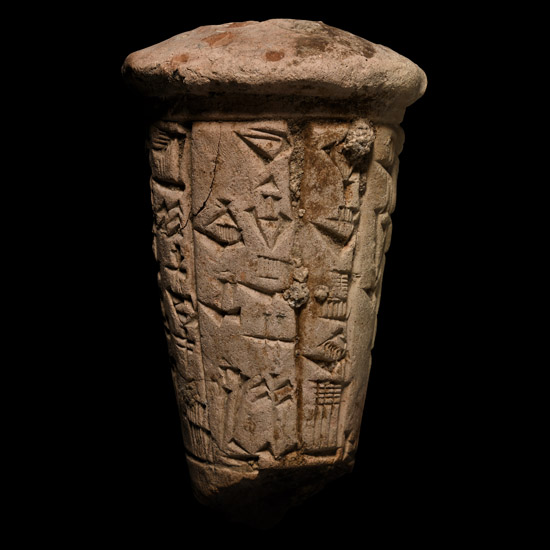
Sumerian Terracotta Cuneiform Foundation Cone
Circa 2000 B.C.Sold for (Inc. bp): £1,170
With domed upper face, conical body; incised vertical lines dividing the surface into segments, with impressed cuneiform text; tip absent. 288 grams, 10.26 cm
From the private collection of the late Mr W. Magee, Hartlepool, County Durham, UK, 1960s-1990s, thence by descent. Accompanied by a previous catalogue information card.
Votive cones are one type of royal foundation deposit, objects that were buried in the walls and beneath the floors of important buildings during construction to sanctify the site and to create a historical memory of the ruler and his achievements.
