
Loading, please wait...
LOT 1140
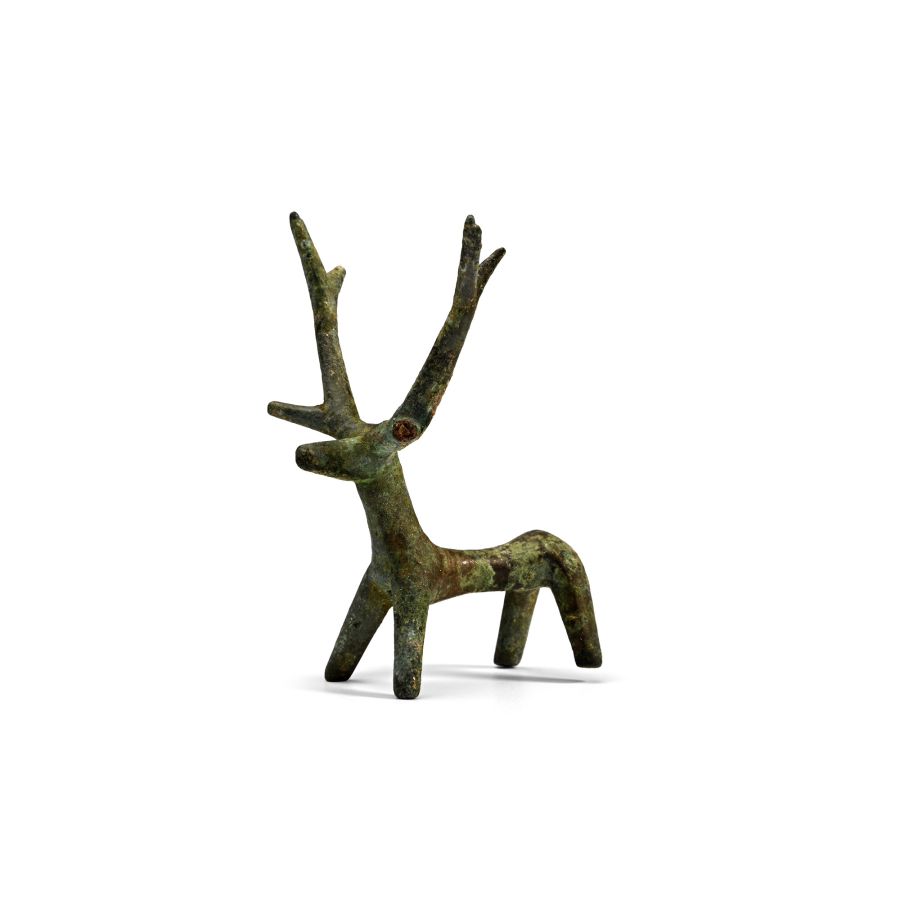
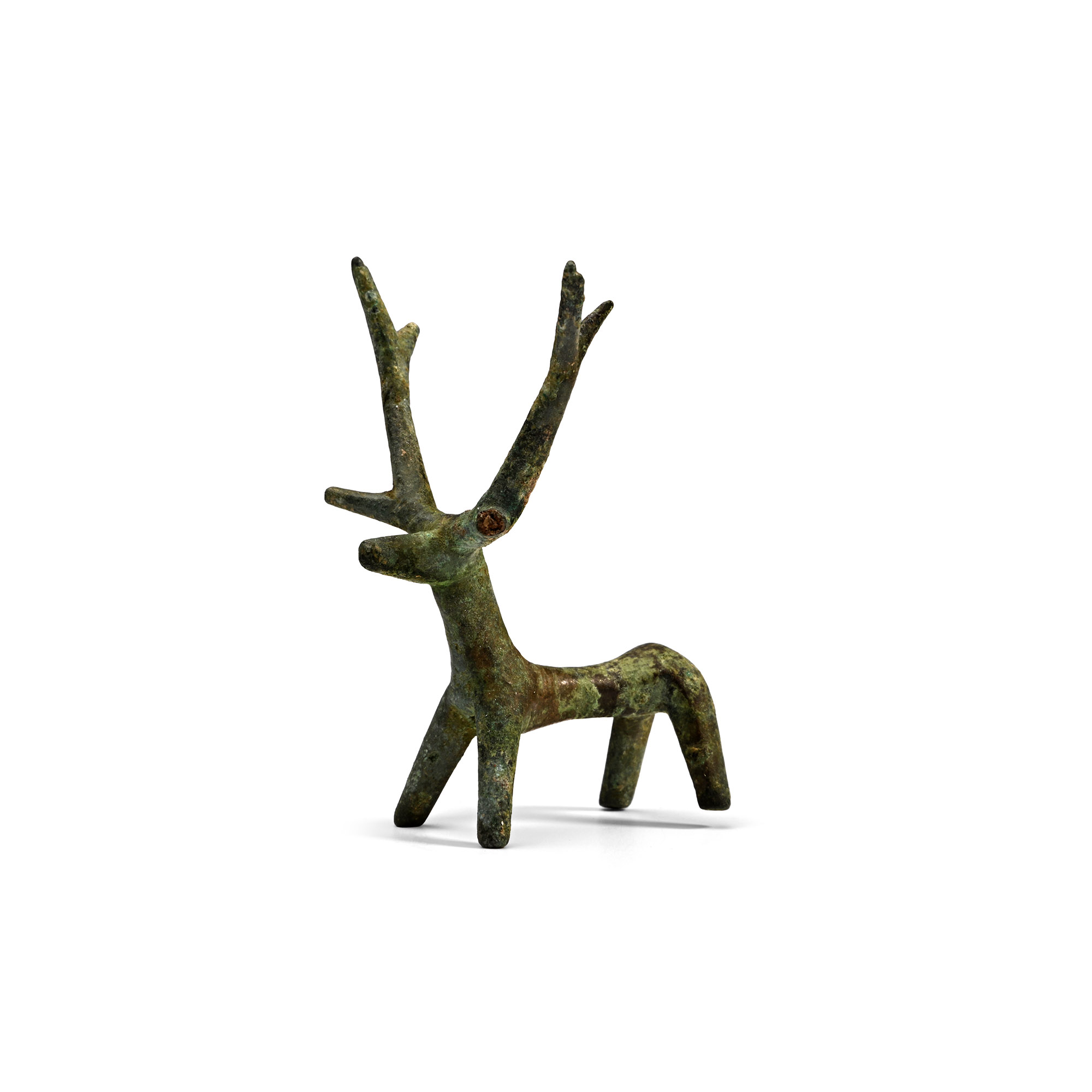
Amlash Bronze Figure of a Stag
CIRCA 1ST MILLENNIUM B.C.
2 in. (17 grams, 52 mm).
Modelled standing with erect head and large curving antlers.
ProvenanceNicolas Koutoulakis (1910-1996), thence by descent.
Ex Galerie Khnoum, Geneva, Switzerland.
Private collection of Mr K.A.
This lot has been cleared against the Art Loss Register database, and is accompanied by an illustrated lot declaration signed by the Head of the Antiquities Department, Dr Raffaele D'Amato.
TimeLine Auctions follows a vetting process to ensure the authenticity and legality of all items, reinforcing our commitment to integrity and responsible trading. Each antiquity, antique, and coin lot undergoes thorough examination by a vetting committee of at least ten external specialists, professional trade association members, scientists, and archaeologists: Our Vetting Process
AUCTIONS:
TimeLine is a leading auction house specialising in antiquities, ancient art, collectables, natural history, coins, medals, and books. Our auctions offer museums, collectors, historians, and enthusiasts the opportunity to acquire unique and historically significant pieces.
-
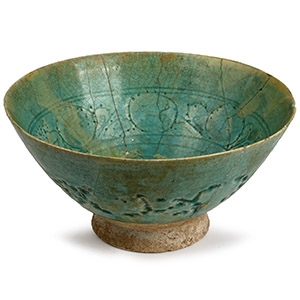
Kashan Turquoise Glazed Bowl
13th century A.D.Sold for (Inc. bp): £247
Glazed hemispherical bowl with deep basal ring, painted scroll and dot decoration to the inner face, punched decoration to the outer face, old inked label 'XIII cnt, 750'; repaired. 203 grams, 15.3 cm wide
From the private family collection of Ersula Barter-Hemmerich, the longest serving member of staff working at the United Nations, her private collection formed in the 1950s and 1960s; thence by descent to her grandson. This lot has been cleared against the Art Loss Register database, and is accompanied by an illustrated lot declaration signed by the Head of the Antiquities Department, Dr Raffaele D'Amato. -
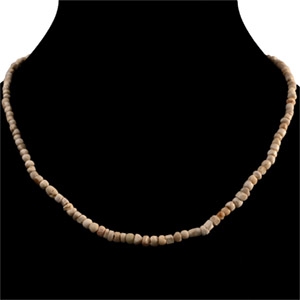
Western Asiatic White Stone Bead Necklace String
1st millennium B.C. and laterSold for (Inc. bp): £39
Composed of mainly oblate beads; restrung. 13.17 grams, 42 cm
From the London, UK, art market in the 1990s. This lot has been cleared against the Art Loss Register database, and is accompanied by an illustrated lot declaration signed by the Head of the Antiquities Department, Dr Raffaele D'Amato. -
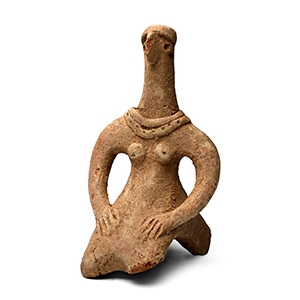
Chalcolithic Terracotta Female Figure
3rd millennium B.C.Sold for (Inc. bp): £390
Modelled in the round kneeling female figure with hands placed on the hips, applied breasts and hair, pinched facial features, impressed eyes and detailing to the collars; flared legs to the reverse. 130 grams, 12.5 cm
Acquired 1979-1999. From the collection of a late London, UK, gentleman. From the private collection of John Meredith, acquired since the 1990s; thence by descent. This lot has been cleared against the Art Loss Register database, and is accompanied by an illustrated lot declaration signed by the Head of the Antiquities Department, Dr Raffaele D'Amato.
