
Loading, please wait...
LOT 2571
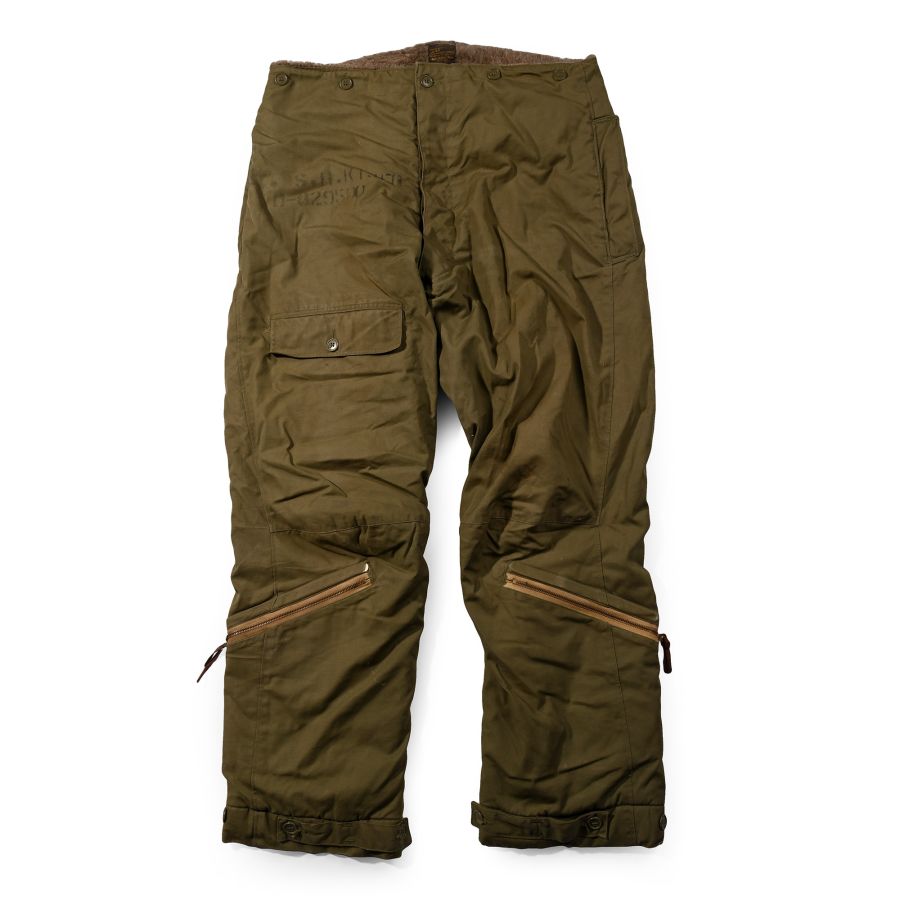
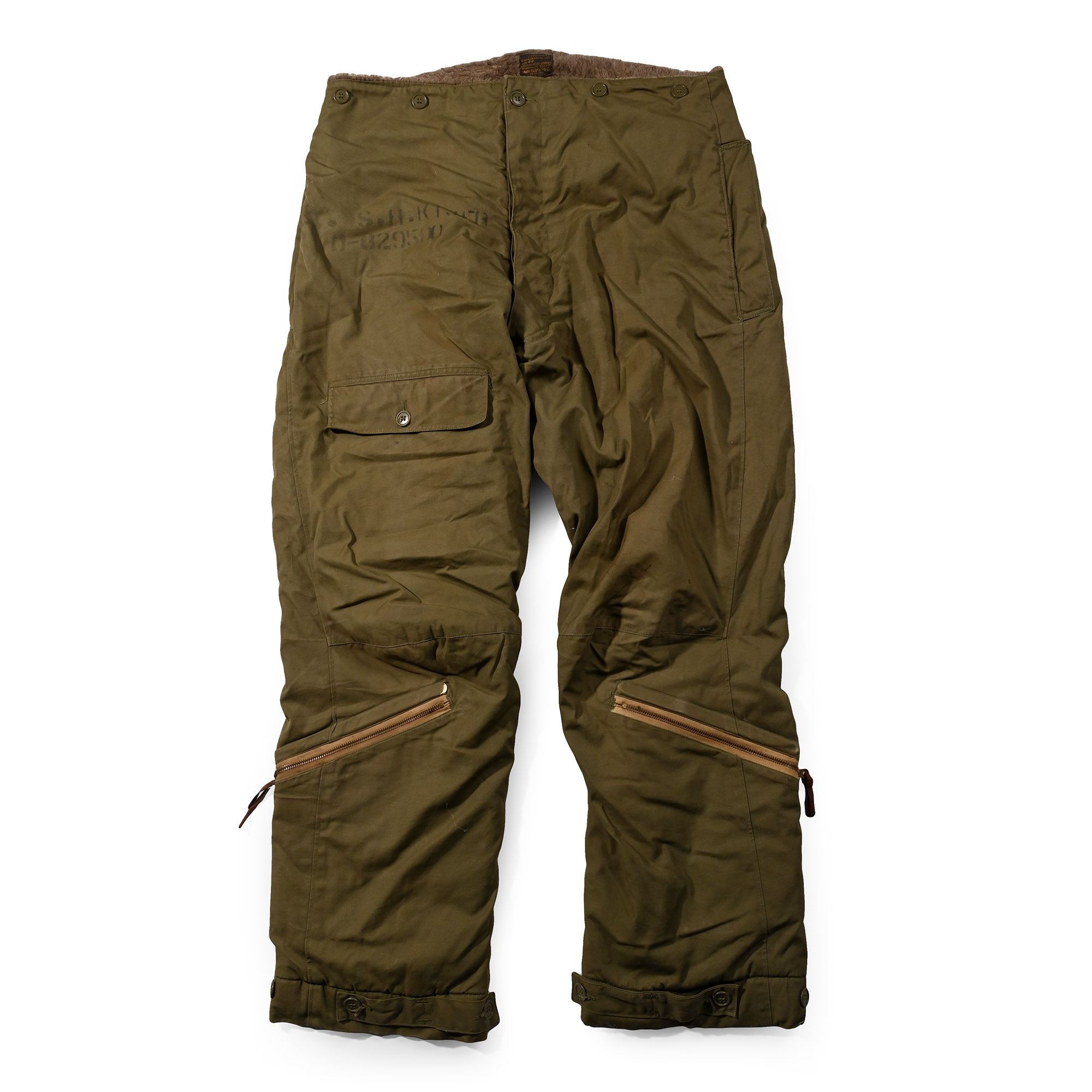
American Air Force WWII Flying Trousers
1939-1945 A.D.
46 in. (1.63 kg, 117 cm).
Type A-9 olive drab cotton trousers with lining, designed for high-altitude bomber crews, size 44. [No Reserve]
ProvenanceAcquired on the UK art market.
Property of an Essex militaria collector.
TimeLine Auctions follows a vetting process to ensure the authenticity and legality of all items, reinforcing our commitment to integrity and responsible trading. Each antiquity, antique, and coin lot undergoes thorough examination by a vetting committee of at least ten external specialists, professional trade association members, scientists, and archaeologists: Our Vetting Process
AUCTIONS:
TimeLine is a leading auction house specialising in antiquities, ancient art, collectables, natural history, coins, medals, and books. Our auctions offer museums, collectors, historians, and enthusiasts the opportunity to acquire unique and historically significant pieces.
-
.jpg)
British RAF WWII Die Cast Toy Vehicle Group
20th century A.D.Sold for (Inc. bp): £33
Comprising six Lledo Days Gone army vehicles, including an ambulance, workshop delivery truck, RAF recruitment office, and others. 450 grams total, 81-97 mm
Acquired on the UK art market. Property of an Essex militaria collector. -
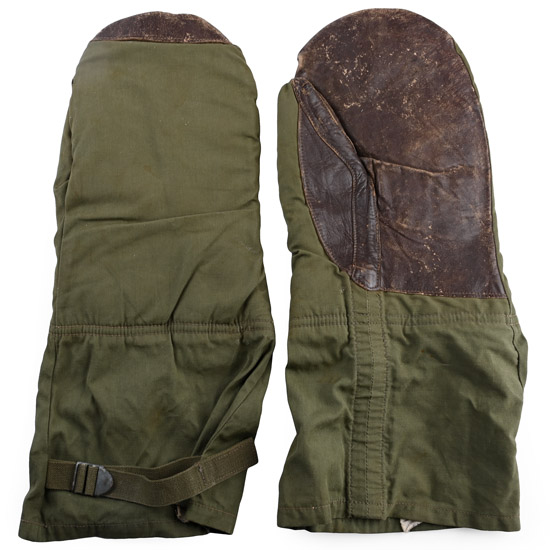
US Air Force WWII Aircraft Flying Mitts
1942 A.D.Sold for (Inc. bp): £33
In green fabric with wool lining and leather grips. 301 grams total, 39.5 cm
Acquired on the UK art market. Property of an Essex militaria collector. -
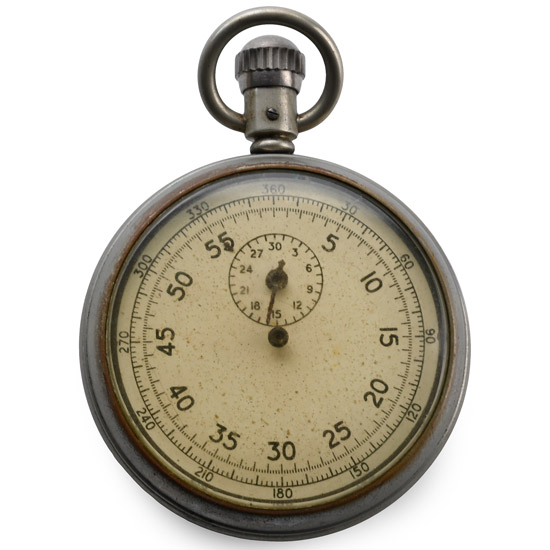
British RAF WWII Torpedo Timer Stop Watch
1939-1945 A.D.Sold for (Inc. bp): £91
Steel-cased watch with perspex glass, stamped to reverse 'AM 6B/221'; hand absent. 83 grams, 71 mm
Acquired on the UK art market. Property of an Essex militaria collector.
