
LOT 3066
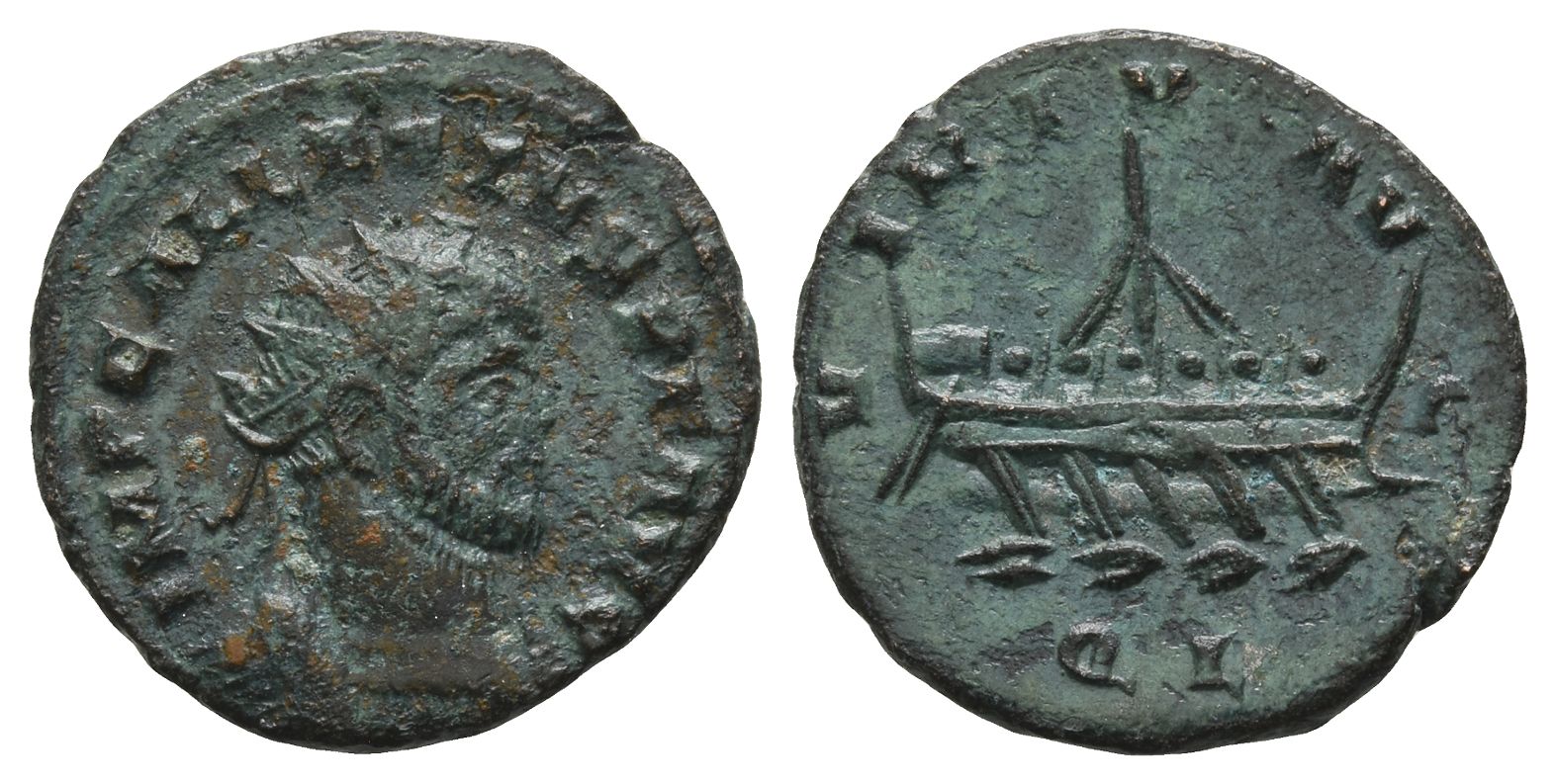
Allectus, Romano-British Emperor BI Quinarius. AD 293-296.
London mint. IMP C ALLECTVS P F AVG, radiate and cuirassed bust to right / VIRTVS AVG, galley to left, with six rowers; four waves and QL below. RIC V.2 55; Burnett, Coinage 111. Good Very Fine.(2.49gr, 18mm, 6h.).
ProvenanceEx Lincolnshire, UK, collection.
TimeLine Auctions follows a vetting process to ensure the authenticity and legality of all items, reinforcing our commitment to integrity and responsible trading. Each antiquity, antique, and coin lot undergoes thorough examination by a vetting committee of at least ten external specialists, professional trade association members, scientists, and archaeologists: Our Vetting Process
AUCTIONS:
TimeLine is a leading auction house specialising in antiquities, ancient art, collectables, natural history, coins, medals, and books. Our auctions offer museums, collectors, historians, and enthusiasts the opportunity to acquire unique and historically significant pieces.
-
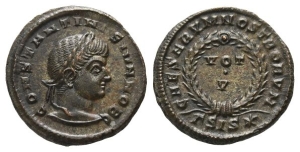
Constantine II, as Caesar BI Nummus. AD 316-337.
Sold for (Inc. bp): £26
Siscia mint; struck AD 320-321. 3rd officina. CONSTANTINVS IVN NOB C, laureate head to right / CAESARVM NOSTRORVM, wreath enclosing VOT • V in two lines; ΓSIS(star) below. RIC VII 163, 3,19gr, 19mm, 5h.
Extremely Fine.
From a private, UK, collection. -
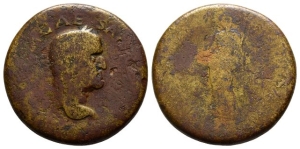
Galba AE Sestertius. AD 68-69.
Sold for (Inc. bp): £26
Rome mint. [...] CAESA[...], laureate head to right / [LIBERTAS PVBLICA], Libertas standing to left, holding pileus and sceptre; [S C] across fields. Cf. RIC I 349. 27.12gr, 34mm, 5h.
Fine.
Property of a private Norwich, UK, collector. -
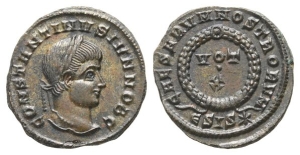
Constantine II, as Caesar BI Nummus. AD 316-337.
Sold for (Inc. bp): £39
Siscia mint; struck AD 320-321. 5th officina. CONSTANTINVS IVN NOB C, laureate head to right / CAESARVM NOSTRORVM, wreath enclosing VOT • X in two lines; ЄSIS(star) below. RIC VII 166. 2.83gr, 19mm, 6h.
Extremely Fine.
From a private collection, UK.
