
Loading, please wait...
LOT 0249
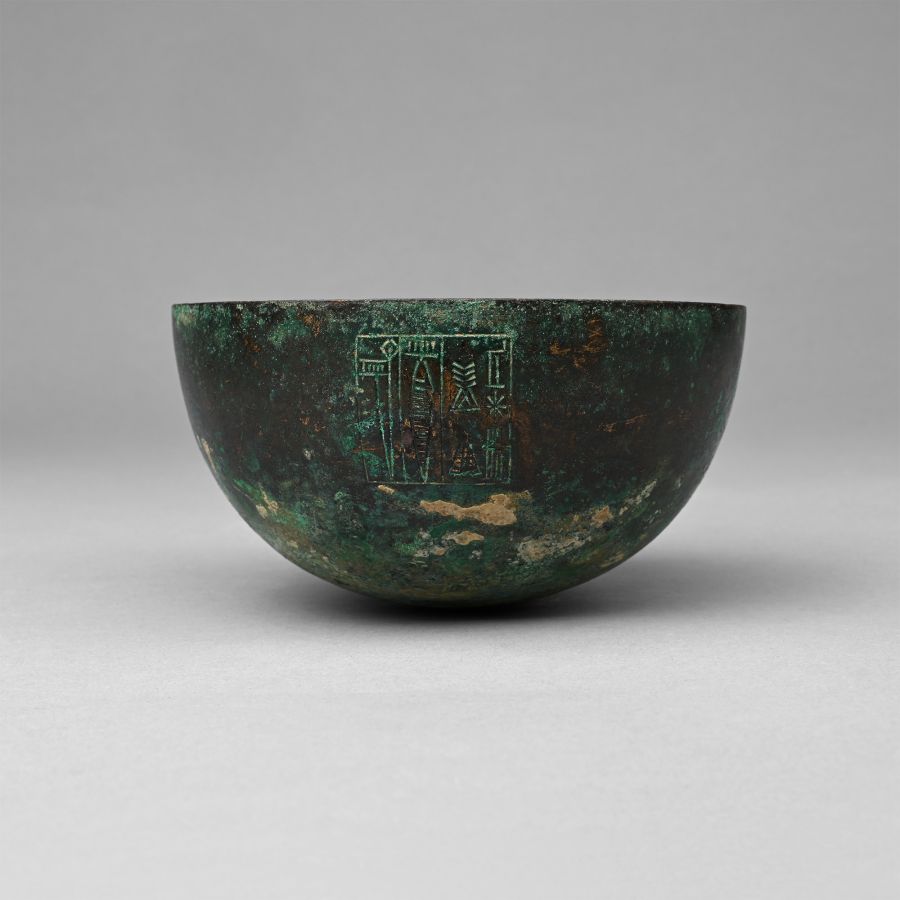
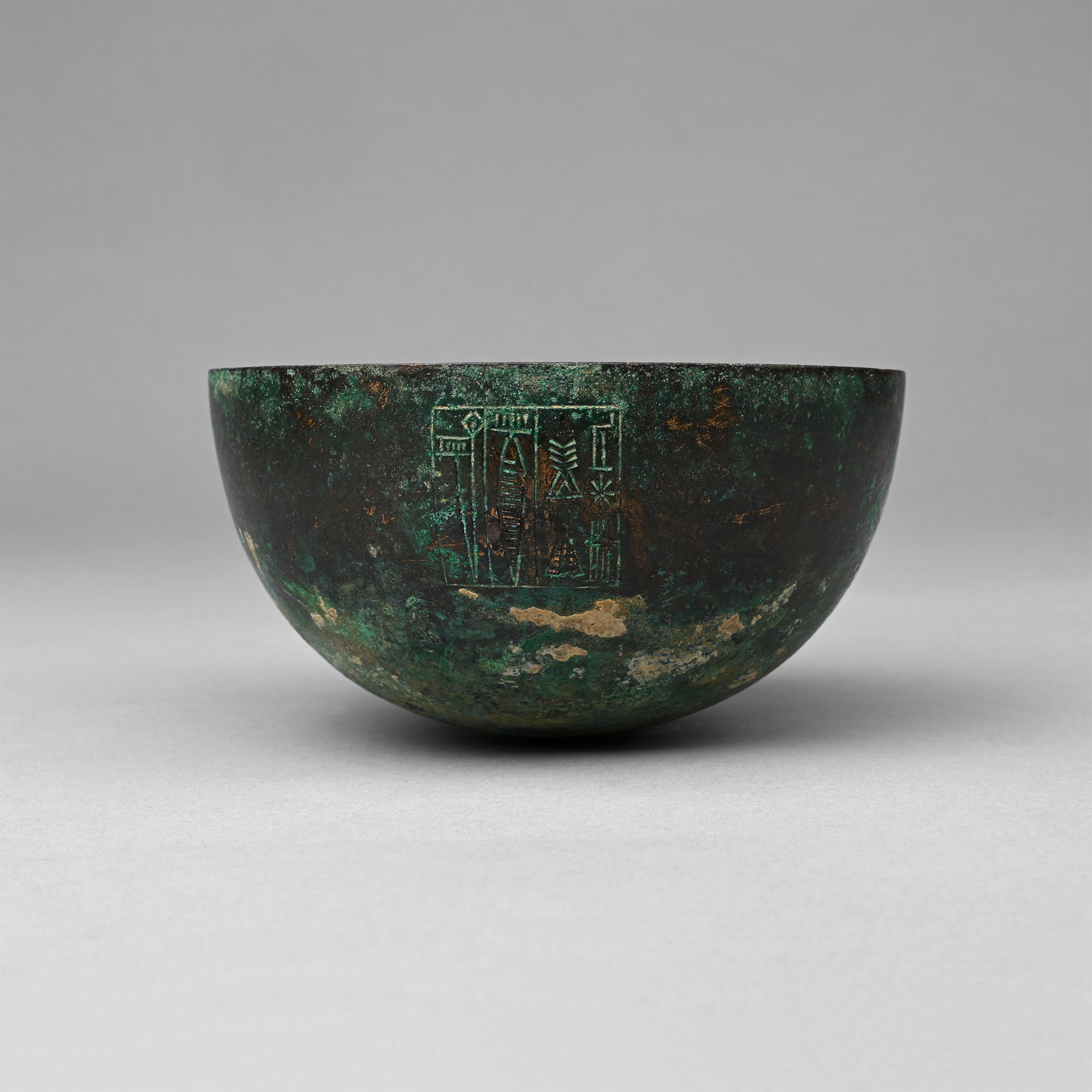
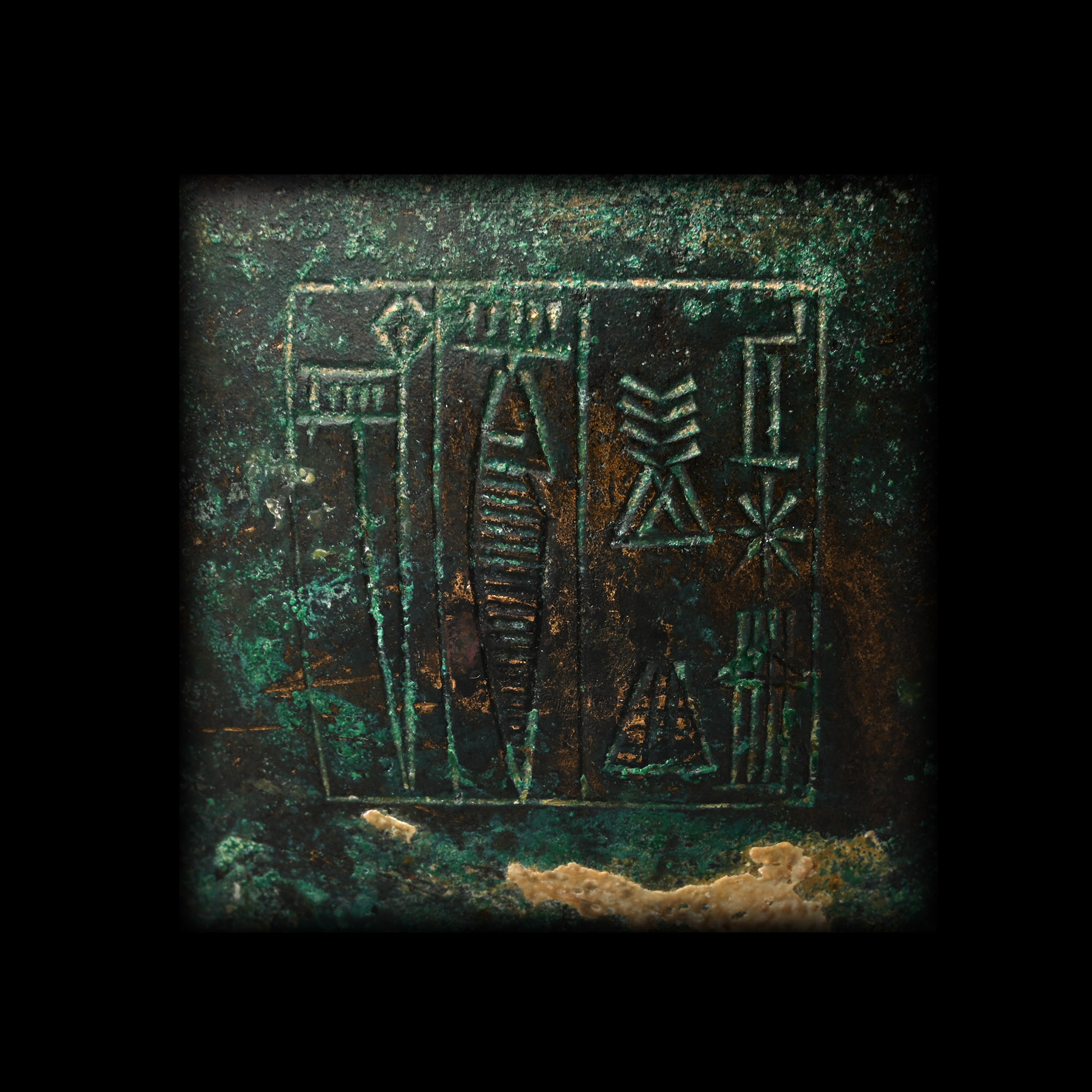
Akkadian Bronze Bowl for King Manishtushu
2270–2255 B.C.
5 1/4 in. (273 grams, 13.5 cm).
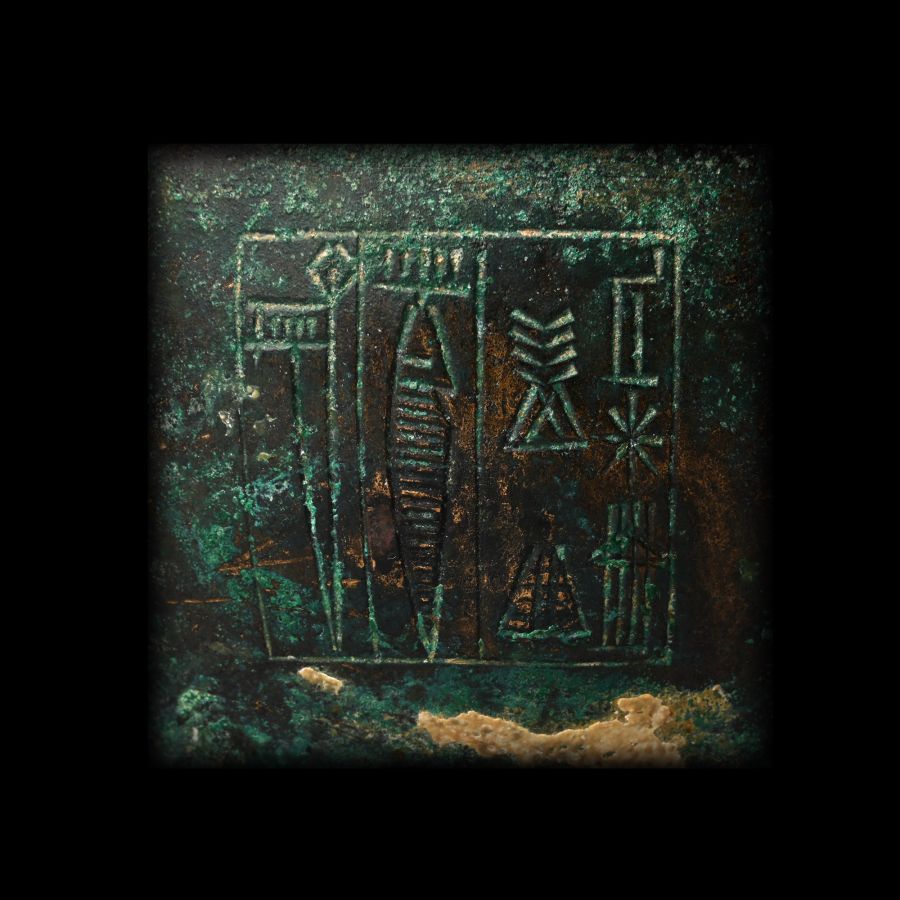
Hemispherical in profile with a thin rim; inscribed rectangular panel with three fields, two each with a glyph and the right field with five cuneiform characters referencing King Manishtushu.
ProvenancePrivate collection, London, UK.
Swiss private family collection.
Believed to be from the same ownership as the bronze bowl sold at Sotheby’s, London, 21 April 1975, no.238.
Accompanied by a copy of an Art Loss Register certificate, no.99066.
This lot has been checked against the Interpol Database of stolen works of art and is accompanied by search certificate number no.13197-249183.
Cf. near identical bowl in Christie's, Antiquities, Tuesday 14 May 2002-Wednesday 15 May 2002, London, 2002, p.93, no.244.
FootnotesManishtushu (Akkadian: Man-iš-tušu), son of Sargon of Akkad and brother and successor of Rimush, reigned as king of the Akkadian Empire c. 2270-2255 BC (Middle Chronology). His reign is known primarily from royal inscriptions, administrative texts, and later king lists. Manishtushu consolidated imperial control following internal revolts suppressed under Rimush and pursued military campaigns in both southern Mesopotamia and the Persian Gulf region, notably leading an expedition across the sea, probably to Magan (modern Oman), to secure supplies of diorite and metals for monumental construction. He is particularly associated with extensive land purchases in northern Babylonia, recorded on inscribed stone monuments, which provide rare insight into Akkadian legal and economic practices. These texts suggest a deliberate policy of royal acquisition and redistribution of land, possibly to strengthen central authority. Manishtushu also undertook significant building projects, including temple works at Nippur and elsewhere, dedicating offerings to major deities such as Enlil. His reign ended violently, and later tradition suggests he was assassinated in a palace conspiracy, after which he was succeeded by his son Naram-Sin, under whom the empire reached its greatest territorial extent.
CONDITIONTimeLine Auctions follows a vetting process to ensure the authenticity and legality of all items, reinforcing our commitment to integrity and responsible trading. Each antiquity, antique, and coin lot undergoes thorough examination by a vetting committee of at least ten external specialists, professional trade association members, scientists, and archaeologists: Our Vetting Process
AUCTIONS:
TimeLine is a leading auction house specialising in antiquities, ancient art, collectables, natural history, coins, medals, and books. Our auctions offer museums, collectors, historians, and enthusiasts the opportunity to acquire unique and historically significant pieces.
LOT 0249
Akkadian Bronze Bowl for King Manishtushu
Estimate £40,000 - 60,000€46,400 - 69,600 (for guidance only)$54,000 - 81,000 (for guidance only)
-
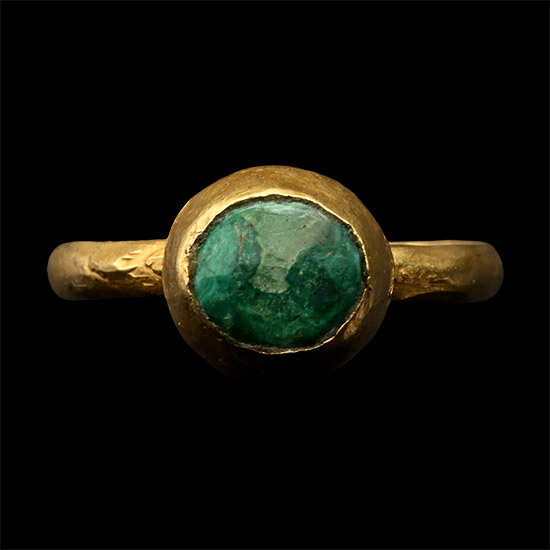
Western Asiatic Ring with Cabochon
Late 19th-20th century A.D.Sold for (Inc. bp): £124
Biconvex bezel with petal detailing to the lower body, inset facetted cabochon. 3.04 grams, 25.80 mm overall, 18.32 x 16.08mm internal diameter (approximate size British O, USA 7, Europe 14.98, Japan 14)
Acquired in the late 1980s-early 1990s. Private collection, London, UK. -
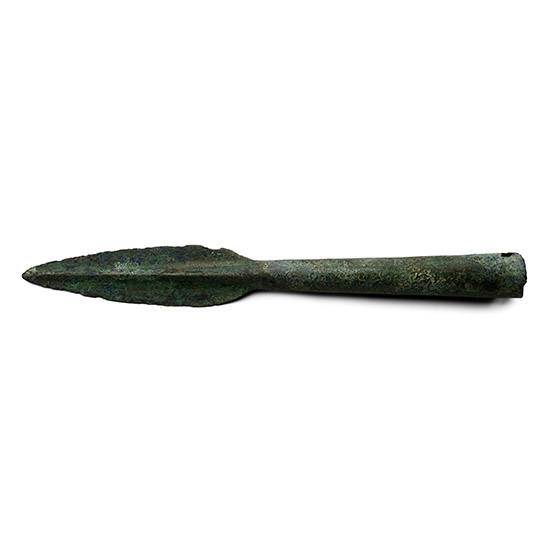
Western Asiatic Bronze Socketted Spearhead
9th-7th century B.C.Sold for (Inc. bp): £169
Leaf-shaped blade with raised midrib and a tapering round socket. 128 grams, 27.2 cm
Ex Abelita family collection, 1980s-2000s.
The spear, belonging to type 3 of the Khorasani classification, was used by chariot fighters to strike each other or the enemy infantry from above. Similar specimens with longer sockets were excavated by Negahban in the Amlash area. According to Moorey, sockets as long, if not longer than the blade, are a characteristic of spearheads in the late 2nd and early 1st millennium B.C. A similar spearhead from the Tappeh Sialk has been dated to the 9th-7th century B.C. -
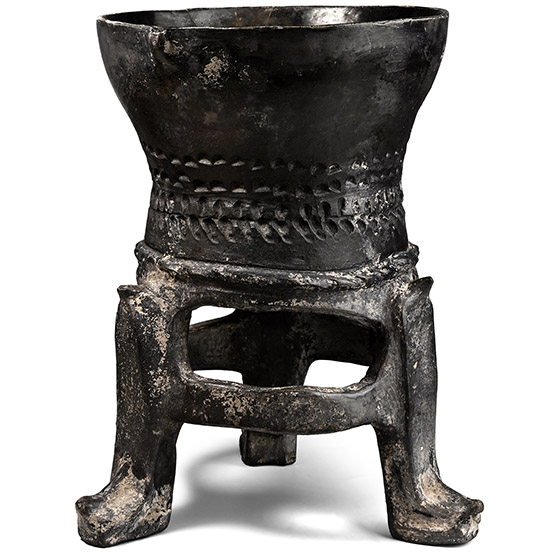
Large Azerbaijan Hasanlu Tepe Pottery Vessel
Circa 1000-700 B.C.Sold for (Inc. bp): £936
Comprising a broad bell-shaped bowl with flat rim attached by a thick trunk with four rows of angled impressions to a tripod base with sturdy curved legs with inner supporting ring and keeled finials. 5.28 kg, 35.5 cm
with Mahboubian Gallery, London, UK, 1974. Private collection, London, UK.
