
Loading, please wait...

LOT 2792
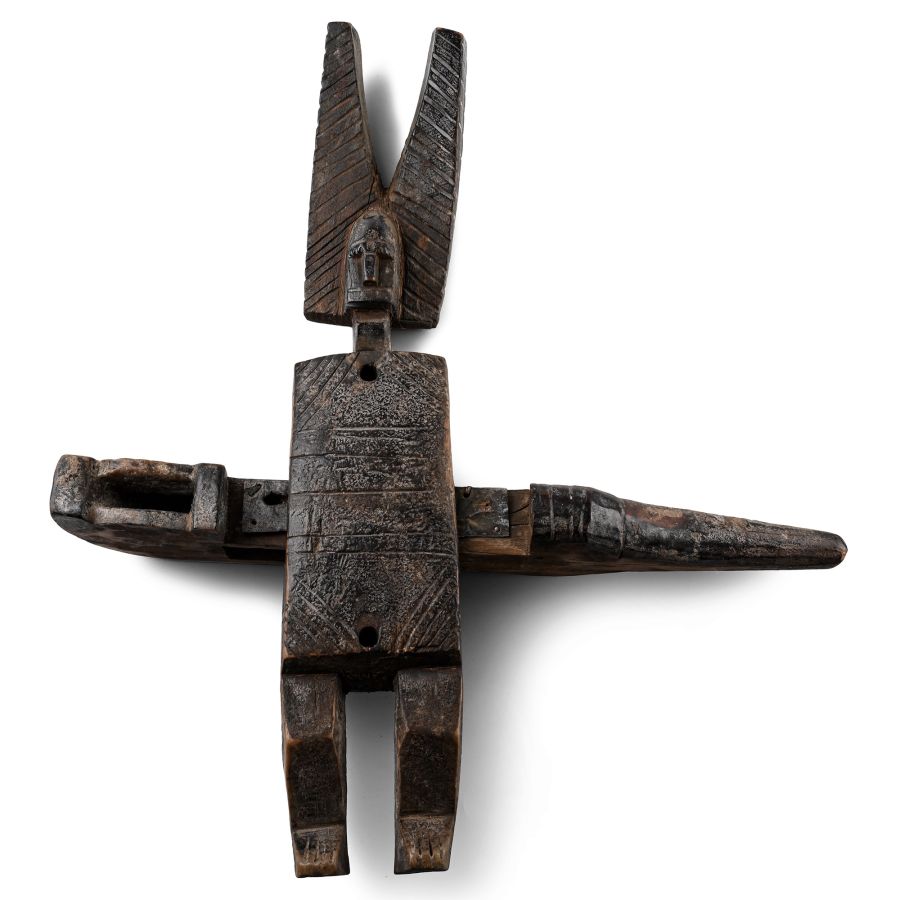
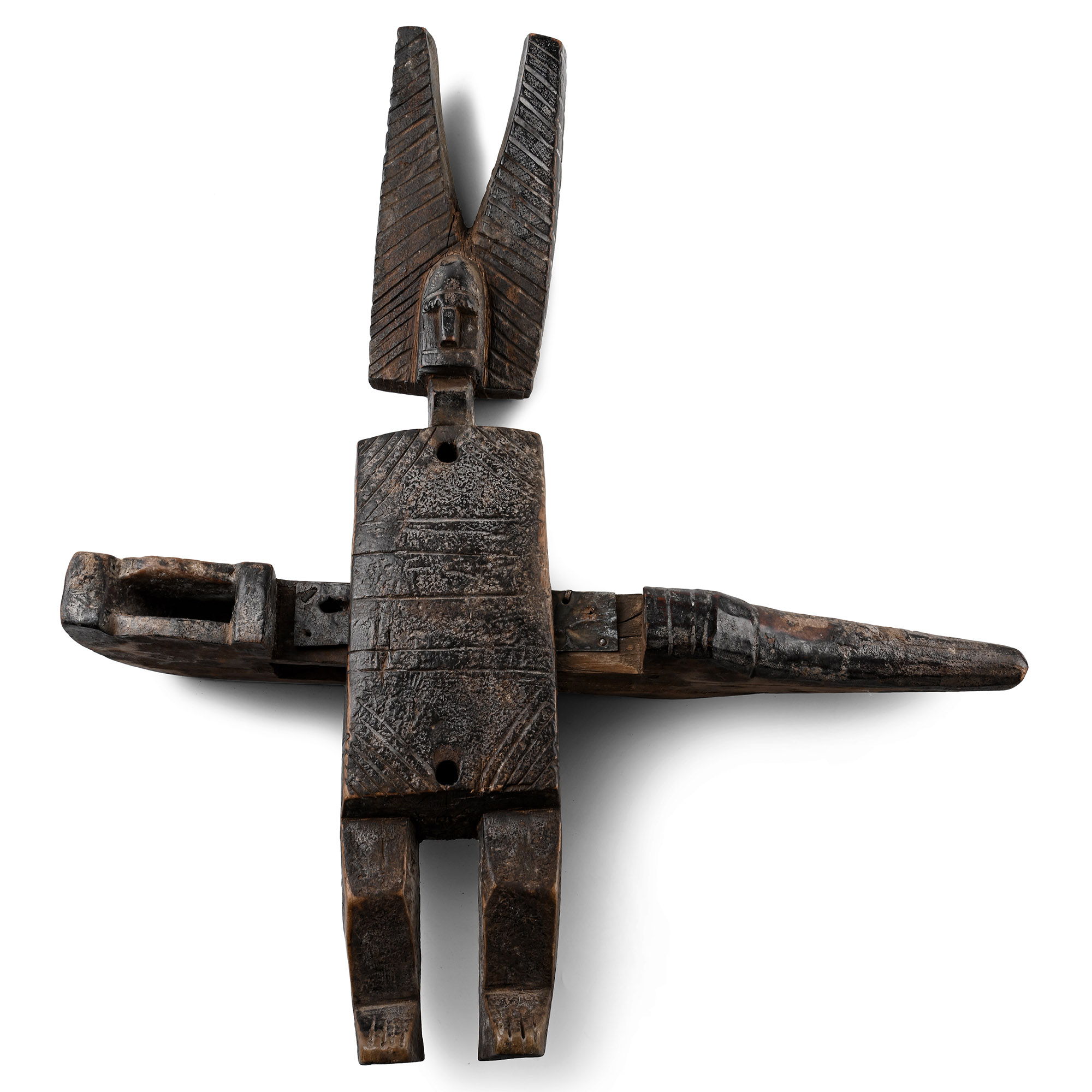
African Wooden Mali Dragon Lock
DOGON TRIBE, EARLY 20TH CENTURY A.D.
18 3/4 - 21 1/2 in. (1.29 kg total, 47.5-54.5 cm).
Comprising: carved figure with horned headdress, rectangular transverse slot and socket to reverse; separate carved handle with scooped end and socket to one face, slot to edge with metal reinforcement, smooth tapering handle. [2]
ProvenanceFrom the collection of Mr Carlos Bahamonde, Manchester, UK.
CONDITIONTimeLine Auctions follows a vetting process to ensure the authenticity and legality of all items, reinforcing our commitment to integrity and responsible trading. Each antiquity, antique, and coin lot undergoes thorough examination by a vetting committee of at least ten external specialists, professional trade association members, scientists, and archaeologists: Our Vetting Process
AUCTIONS:
TimeLine is a leading auction house specialising in antiquities, ancient art, collectables, natural history, coins, medals, and books. Our auctions offer museums, collectors, historians, and enthusiasts the opportunity to acquire unique and historically significant pieces.
LOT 2792
African Wooden Mali Dragon Lock
Estimate £100 - 140€120 - 160 (for guidance only)$140 - 190 (for guidance only)
Opening Bid
£50 (EUR 58; USD 68) +BP*
-
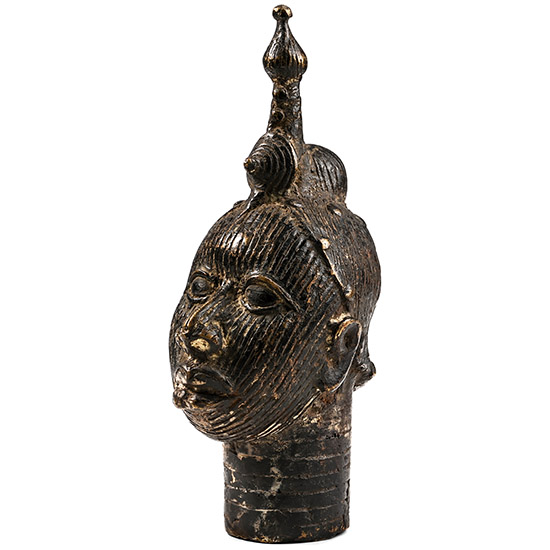
Benin Bronze Vintage Ife Head of an Ini Figure
Nigeria, 20th century A.D.Estimate: £100 - 140 (+bp*)
Opening Bid: £5
Hollow-formed with elongated ringed neck, head with incised linear detailing extending to the face and hair, surmounted by a spiked headdress. 643 grams, 19.5 cm
Acquired on the UK art market. Property of a Nottinghamshire, UK, gentleman. -
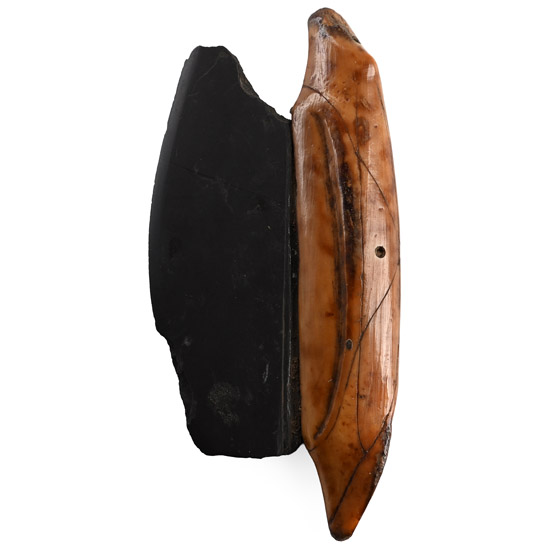
Native North American Punuk Carved Fossilized Bone Knife Handle
Alaska, circa 500-1,000 century A.D.Estimate: £300 - 400 (+bp*)
Opening Bid: £150
Modelled as a finely carved zoomorphic body with circular eyes and a rounded mouth, lines and dots decoration to the body, securing a smooth black stone blade. 43.1 grams, 10.1 cm
Excavated on St Lawrence Island, Alaska. Ex John and Valerie Arieta, 1996. Dr Alan Black collection. From the collection of Mr Carlos Bahamonde, Manchester, UK. -
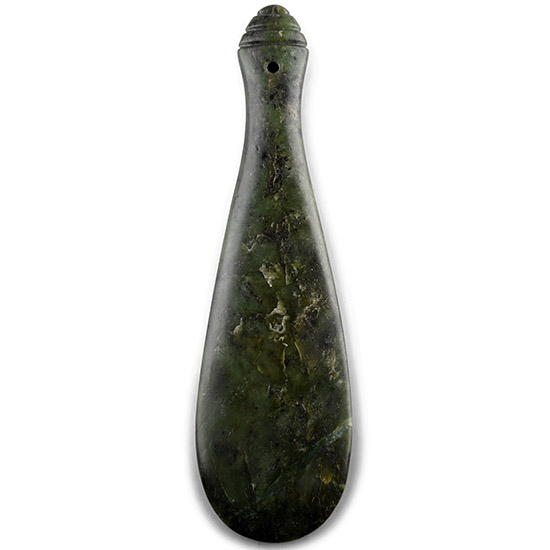
Massive Oceanic Polished Green Nephrite Jade Maori Hand War Club Mere Pounamu
New Zealand, early-mid 20th century A.D.Estimate: £800 - 1,000 (+bp*)
Opening Bid: £400
Polished and of flattened spatulate form with a ribbed terminal pierced for attachment. 1.33 kg, 37 cm
From the collection of Mr Carlos Bahamonde, Manchester, UK.
Pounamu was highly prized by Māori, and the mere pounamu, as the weapon of a chief or rangatira, was the most revered of all Māori weapons. These mere were passed down through generations. The mere was a type of Māori fighting mace also used as a symbol of authority. The mere is one of the three types of patu fighting mace. It is the simplest of the three. It is paddle-shaped and flat and wide at the striking end. It has three or four grooves in the handle, along with a hole through which a cord or strap passes to attach it to the wrist.
