
Loading, please wait...
LOT 1986
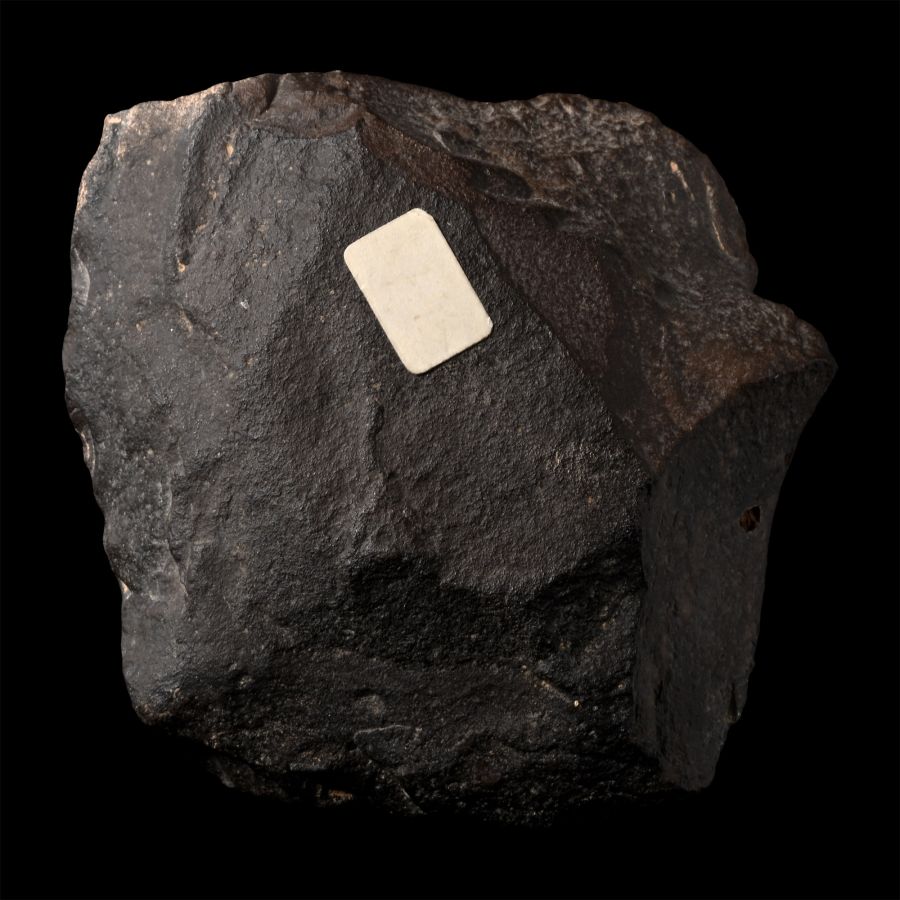
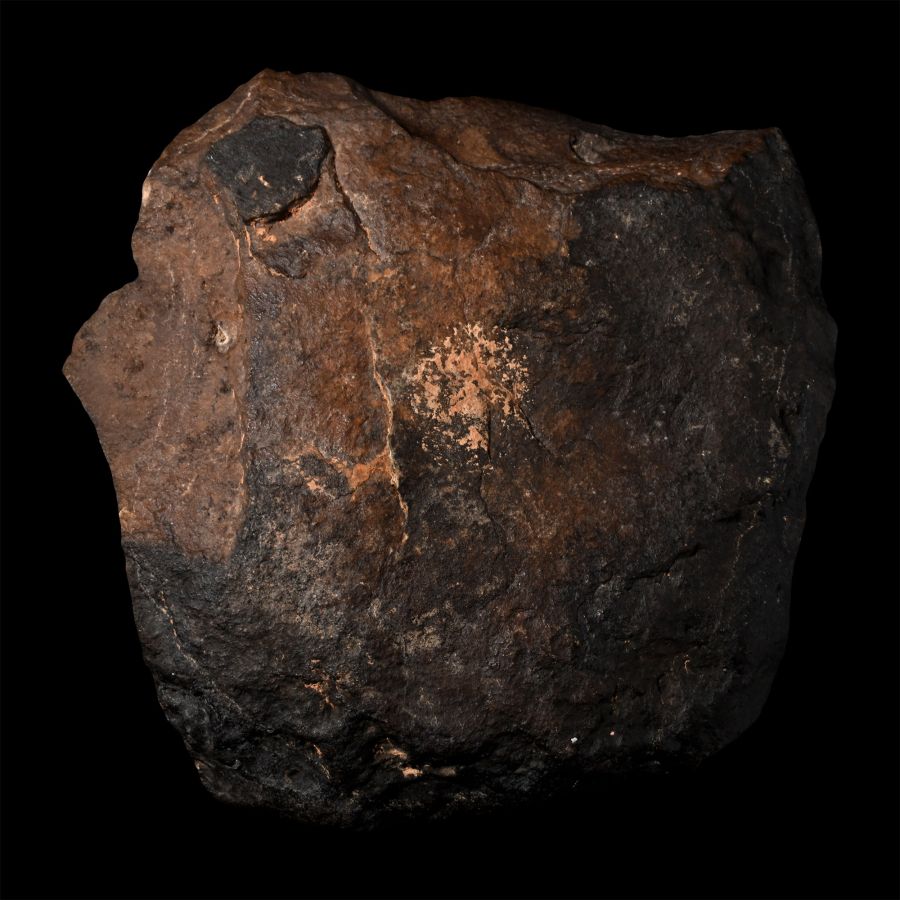
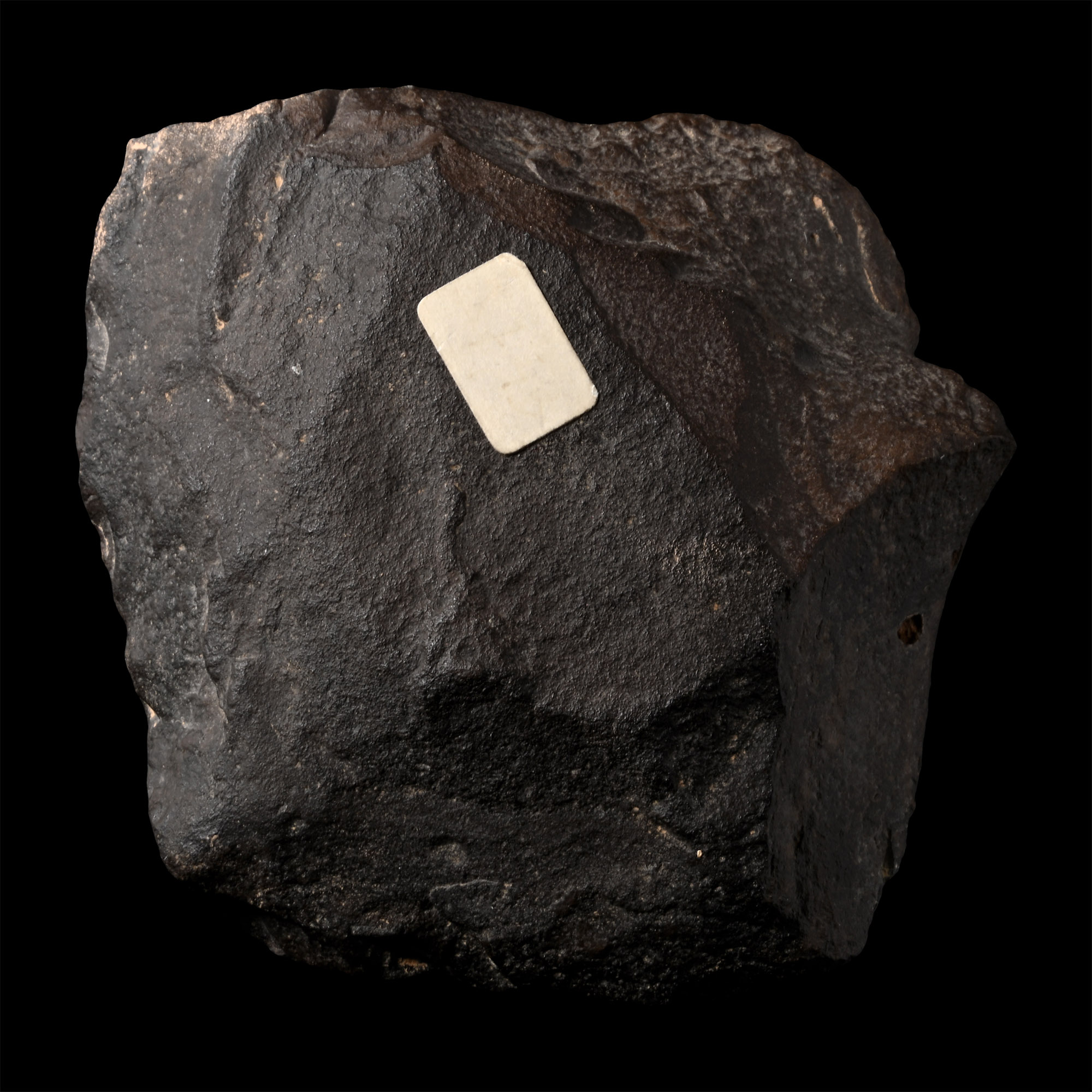
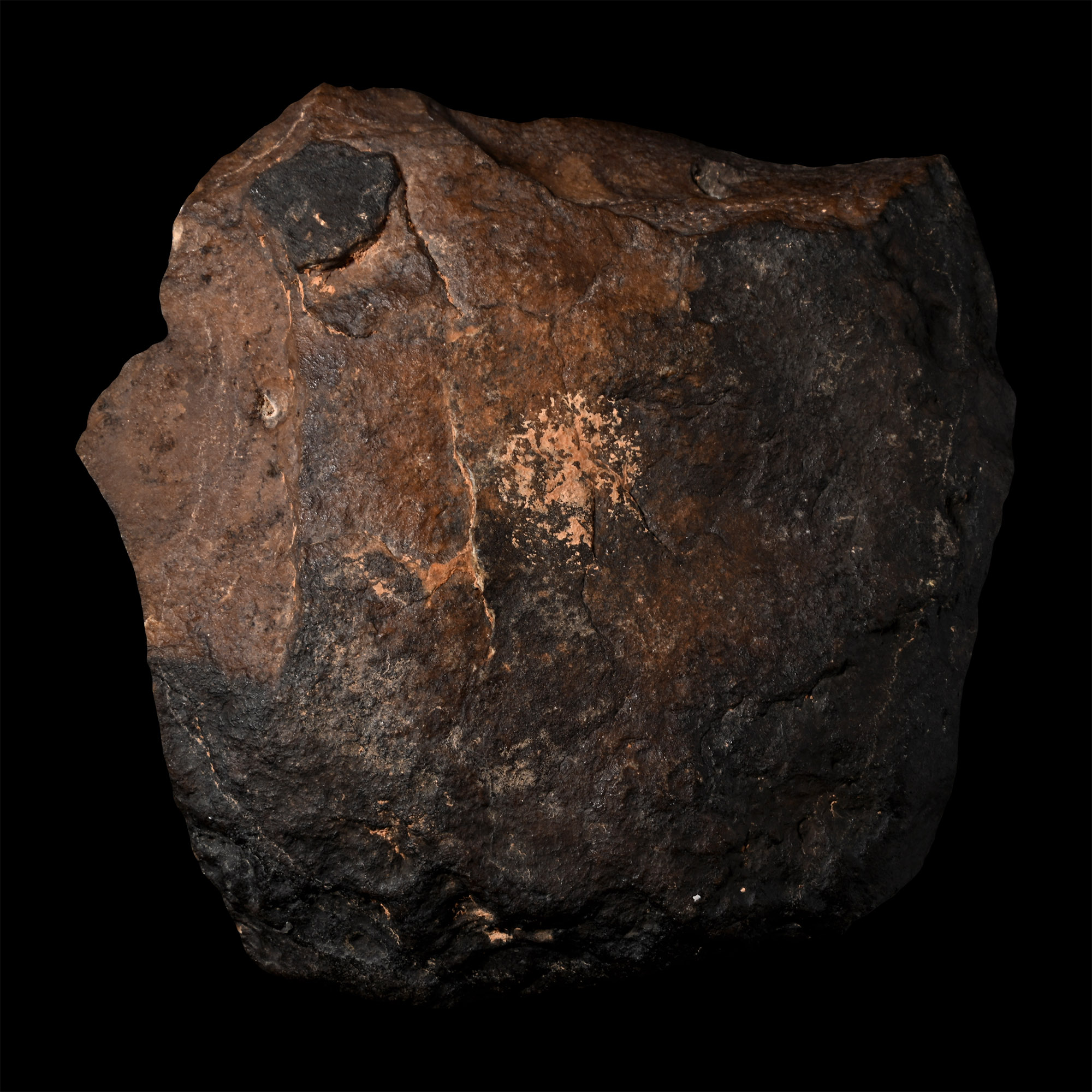
African Stone Age Homo Habilis Oldowan Stone Chopper
OLDOWAN PERIOD, CIRCA 2,600,000-1,700,000 B.P.
5 in. (490 grams, 12.7 cm).
Lentoid in section and an irregular rectangle in plan with a smoothed handgrip to the rear; old faded collector's label. [No Reserve]
ProvenanceFrom the Sahara.
Ex old German collection formed in the 1970s.
Purchased on the European art market.
Oldowan tools are the oldest known stone tool industry, dating from approximately 2.6 to 1.7 million years ago (with some evidence at 2.9 Ma). Primarily associated with Homo habilis, these simple tools (choppers, flakes, hammerstones) were used for cutting, scraping, and butchering. They were largely found in East Africa, with key sites at Olduvai Gorge. Made from quartzite with minimal removals to form a direct chopping edge.
CONDITIONTimeLine Auctions follows a vetting process to ensure the authenticity and legality of all items, reinforcing our commitment to integrity and responsible trading. Each antiquity, antique, and coin lot undergoes thorough examination by a vetting committee of at least ten external specialists, professional trade association members, scientists, and archaeologists: Our Vetting Process
AUCTIONS:
TimeLine is a leading auction house specialising in antiquities, ancient art, collectables, natural history, coins, medals, and books. Our auctions offer museums, collectors, historians, and enthusiasts the opportunity to acquire unique and historically significant pieces.
-
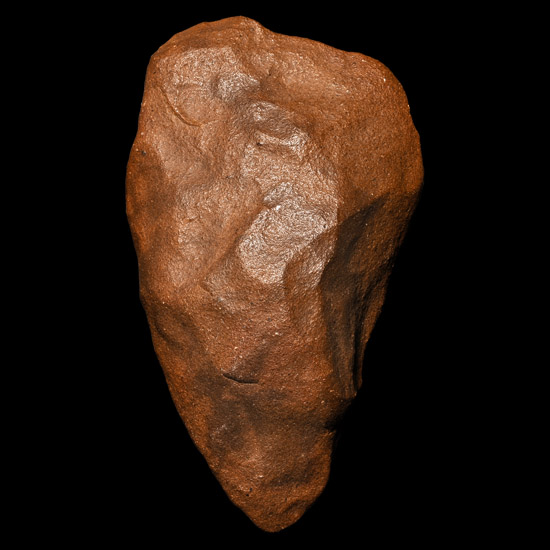
African Stone Age Homo Erectus Knapped Red Stone Handaxe
Palaeolithic Period, circa 1,000,000-500,000 B.P.Sold for (Inc. bp): £195
Piriform in plan and lentoid in section with eccentric round butt. 467 grams, 15.5 cm.
From Goezzam, Sahara. Ex old German collection formed in the 1970s. Purchased on the European art market. -
.jpg)
Large Stone Age Acheulean Knapped Flint Handaxe with Attractive Orange Patina
Late Lower Palaeolithic Period, circa 300,000-200,000 В.P.Sold for (Inc. bp): £208
Cordate in plan with rounded edge; marked at the base 'St. Meme Charente B. Lanceols' Achuleen Superieur'. 629 grams, 14.8 cm
Found St Même, Charente, France, with old inked label 'St Même, Charente, B.Lanceols' (Biface Lanceolate), Acheuleen Supérieur.' Acquired from the UK estate sale of famous musician, Victor Brox (1940-1923); his prehistoric artefacts collection created during the 1980s and 1990s. -
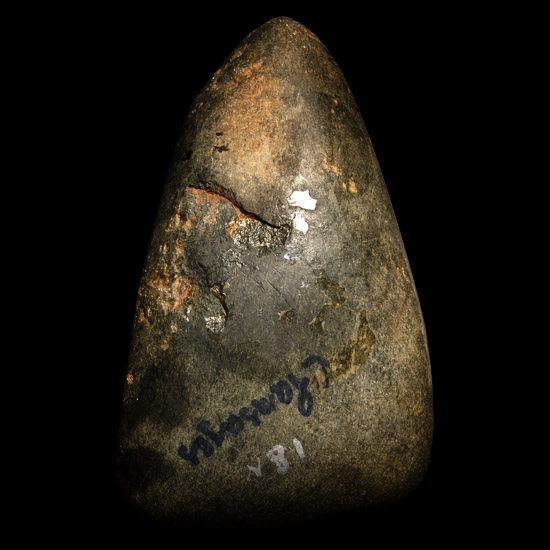
French Stone Age Green Stone Polished Axe Head
Neolithic Period, circa 6000 B.P.Sold for (Inc. bp): £124
With broad cutting edge and pointed butt; inked findspot '18 Clansayes Drome'. 92 grams, 69 mm
From Clansayes, Drome, France. From a collection acquired at Bonhams in the 2020s.
