
Loading, please wait...
LOT 1950
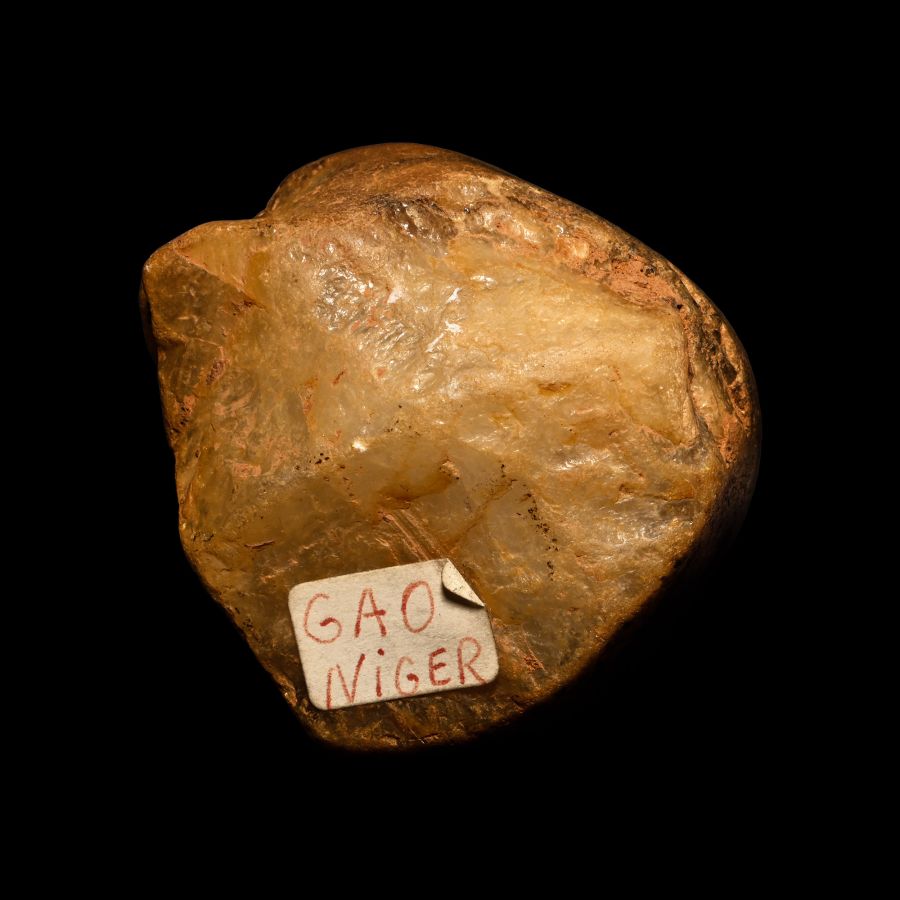
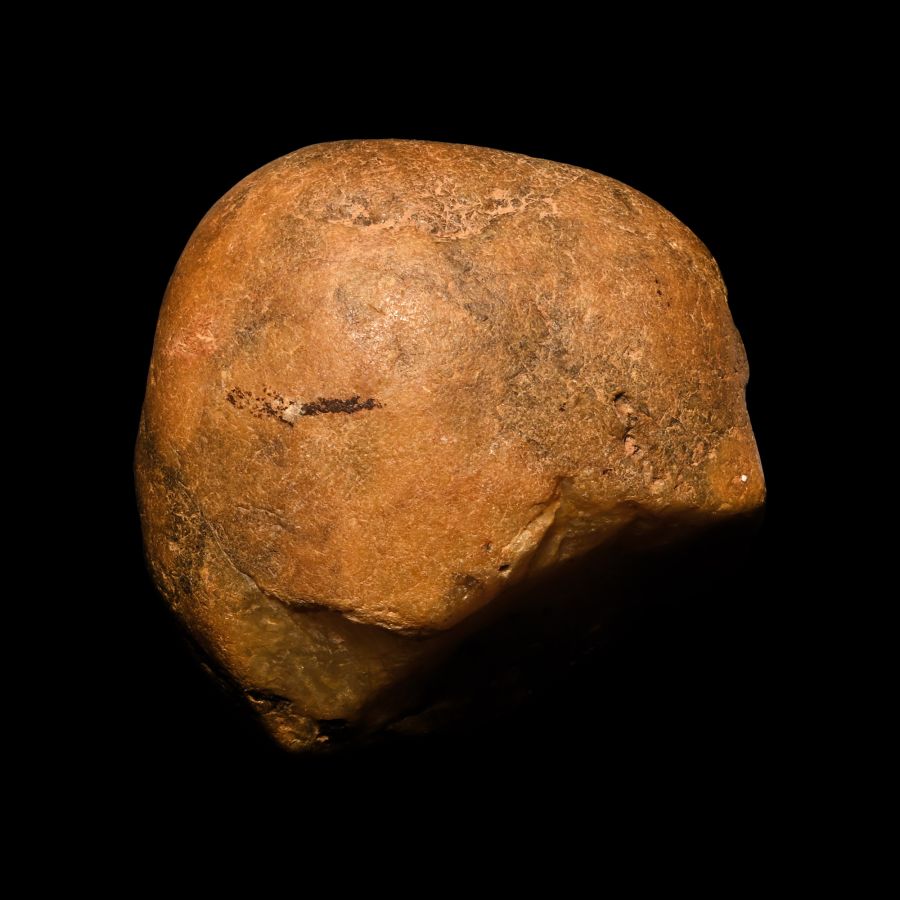
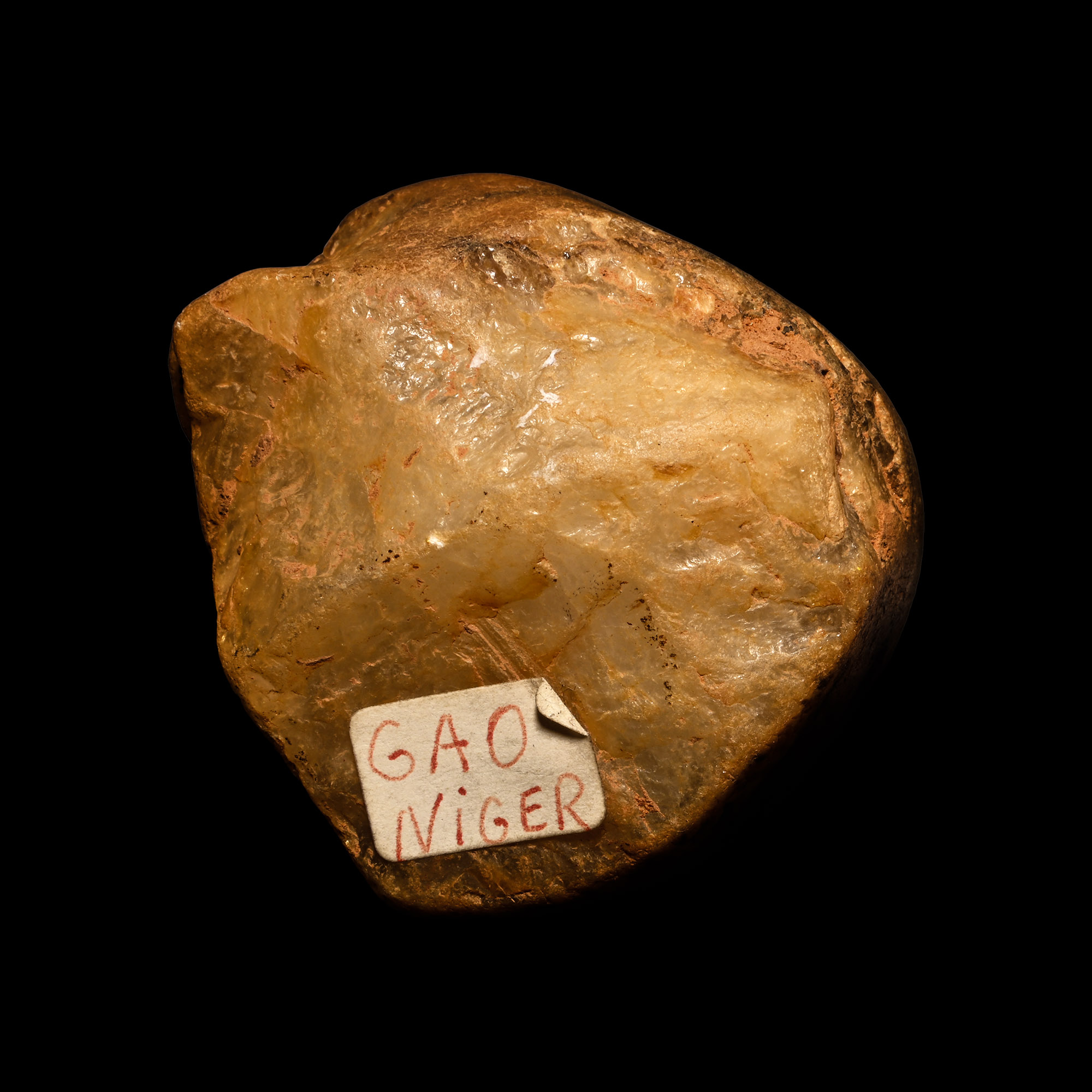
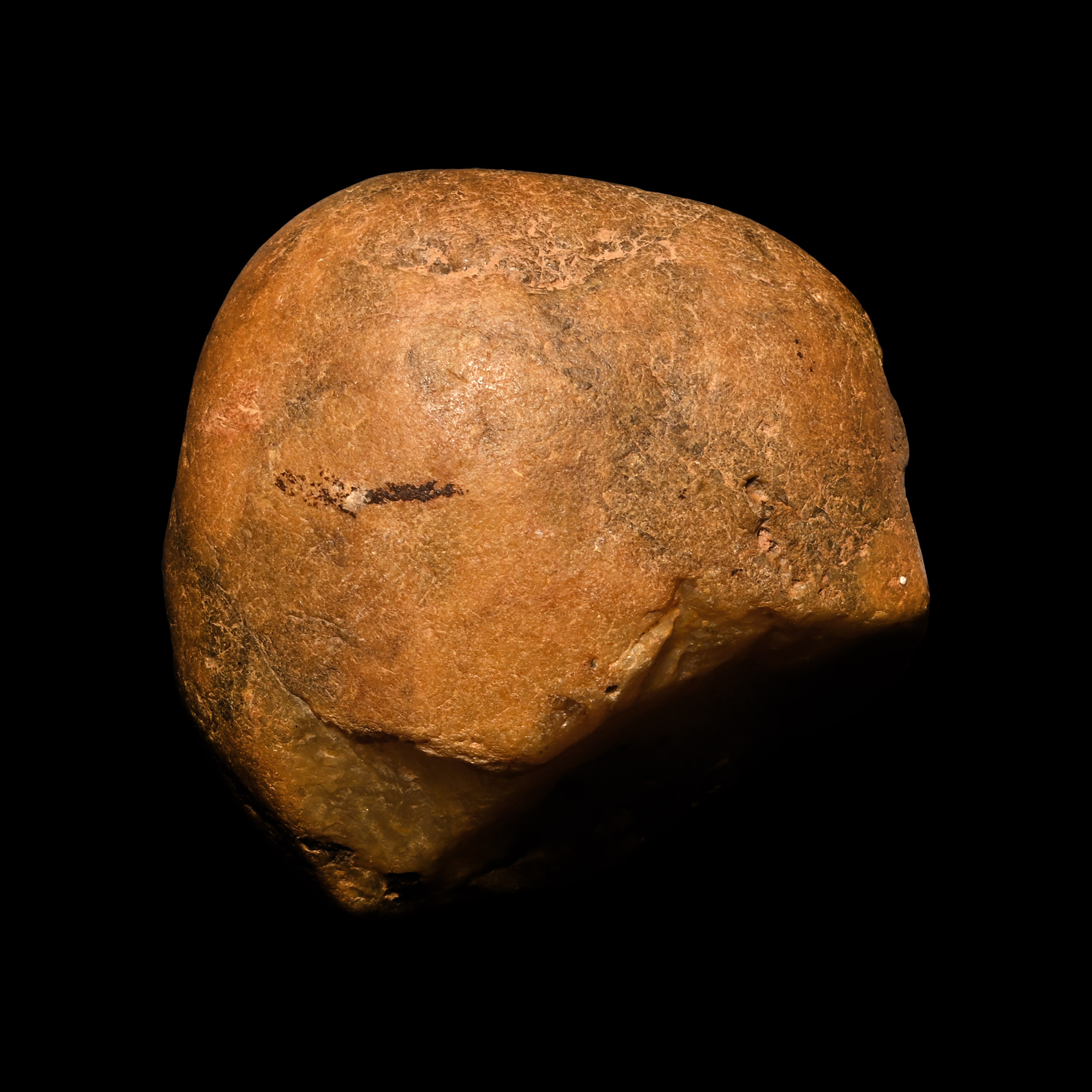
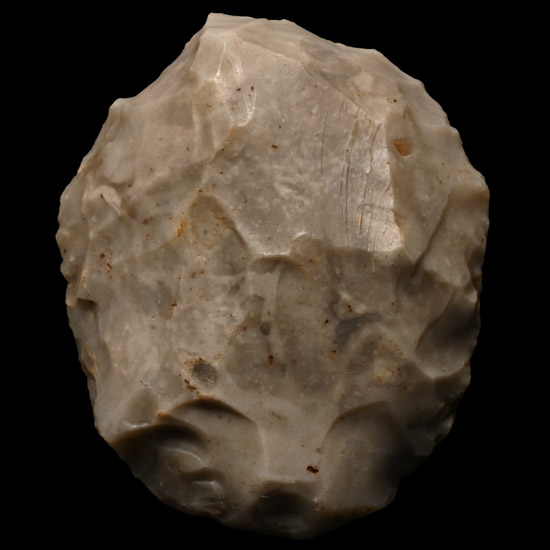
African Stone Age Homo Habilis Oldowan Stone Chopper
OLDOWAN PERIOD, CIRCA 2,600,000-1,700,000 B.P.
2 7/8 in. (240 grams, 72 cm).
Bun-shaped pebble with cutting edge formed by chipping. [No Reserve]
ProvenanceEx old German collection formed in the 1970s.
Acquired on the European art market.
Oldowan tools are the oldest known stone tool industry, dating from approximately 2.6 to 1.7 million years ago (with some evidence at 2.9 Ma). Primarily associated with Homo habilis, these simple tools (choppers, flakes, hammerstones) were used for cutting, scraping, and butchering. They were largely found in East Africa, with key sites at Olduvai Gorge. Made from quartzite with minimal removals to form a direct chopping edge.
CONDITIONTimeLine Auctions follows a vetting process to ensure the authenticity and legality of all items, reinforcing our commitment to integrity and responsible trading. Each antiquity, antique, and coin lot undergoes thorough examination by a vetting committee of at least ten external specialists, professional trade association members, scientists, and archaeologists: Our Vetting Process
AUCTIONS:
TimeLine is a leading auction house specialising in antiquities, ancient art, collectables, natural history, coins, medals, and books. Our auctions offer museums, collectors, historians, and enthusiasts the opportunity to acquire unique and historically significant pieces.
-
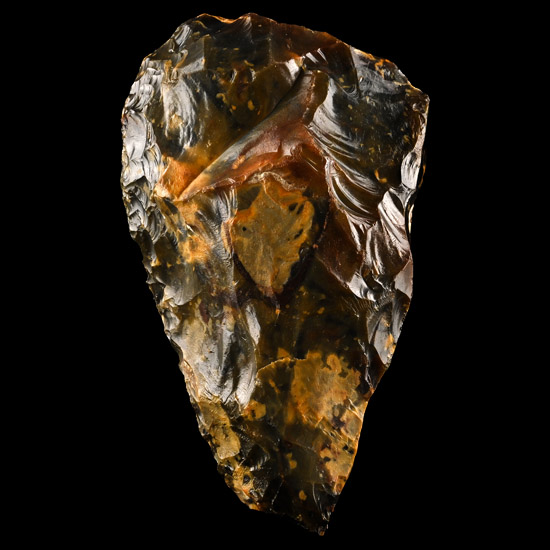
Stone Age Acheulean Knapped Flint Handaxe
Lower Palaeolithic, circa 700,000-300,000 B.P.Sold for (Inc. bp): £468
Triangular in profile with chipped point; bifacial type. 459 grams, 14.4 cm
Northern France. Collection of Jean-Claude Debenne (1936-2020), formed between the 1950s and 1990s. Accompanied by an original French Ministry of Culture export certificate no.CBC 242920. -
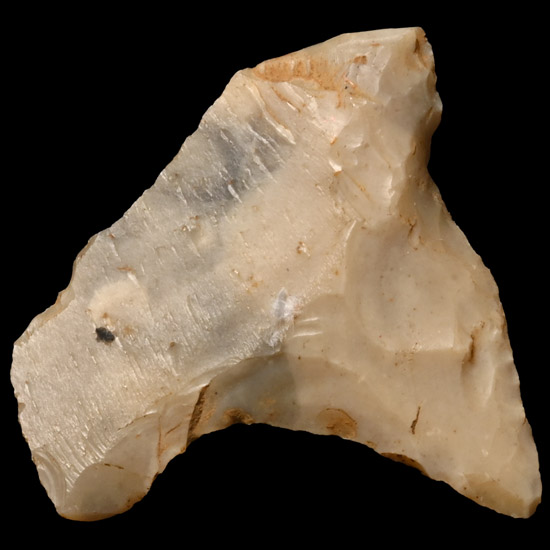
British Stone Age Knapped Flint Chisel Tip Arrowhead from Farnham
Neolithic Period, circa 6000 B.P.Sold for (Inc. bp): £416
With lateral barbs and crescent cutting edge. 1.61 grams, 25.6 mm
Found in 1901. From the collection of Captain Streatfield, who helped to fund the archaeology excavations at Farnham, Kent. After Captain Streatfield passed away in the 1940s, his collection was sold at auction to a gentleman in Kent. The collection was then sold again in the 2020’s via a UK auction house. -
British Stone Age Knapped Flint Scraper from Farnham
Neolithic Period, circa 6000 years B.P.Sold for (Inc. bp): £26
Plano-convex in section with inked inscription to underside. 23.3 grams, 43 mm
Found in 1901. From the collection of Captain Streatfield who helped to fund the archaeology excavations at Farnham, Kent. After Captain Streatfield passed away in the 1940s, his collection was sold at auction to a gentleman in Kent. The collection was then sold again in the 2020’s via a UK auction house.
