
Loading, please wait...
LOT 1464
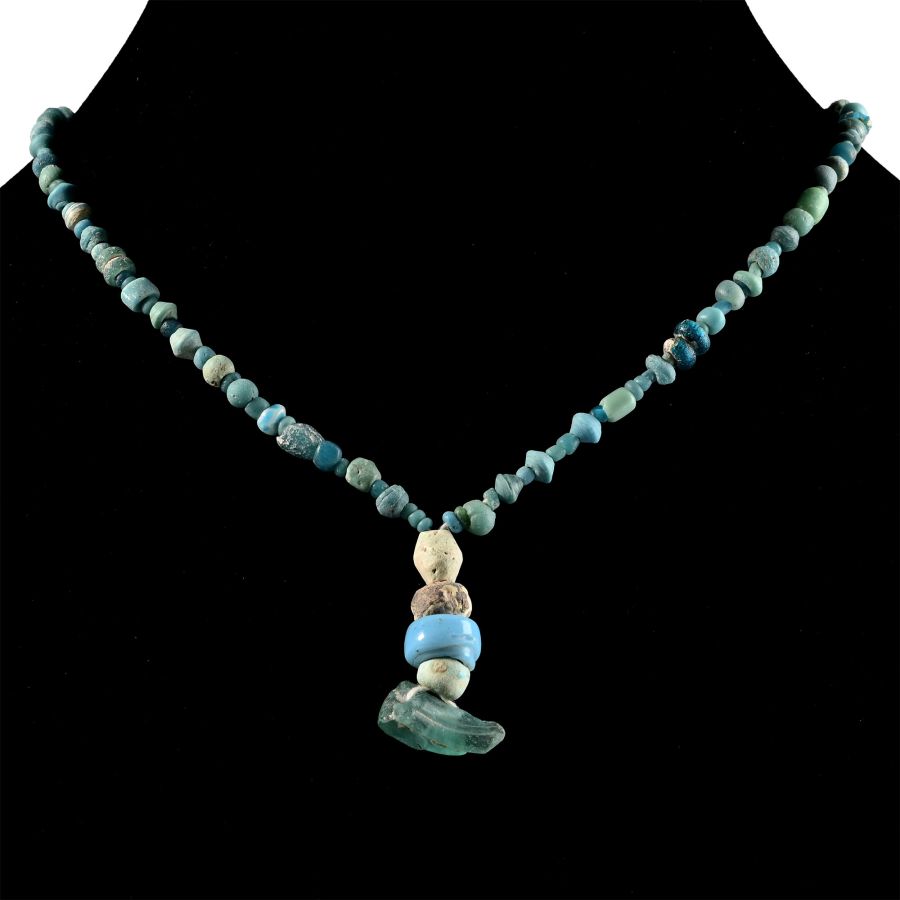
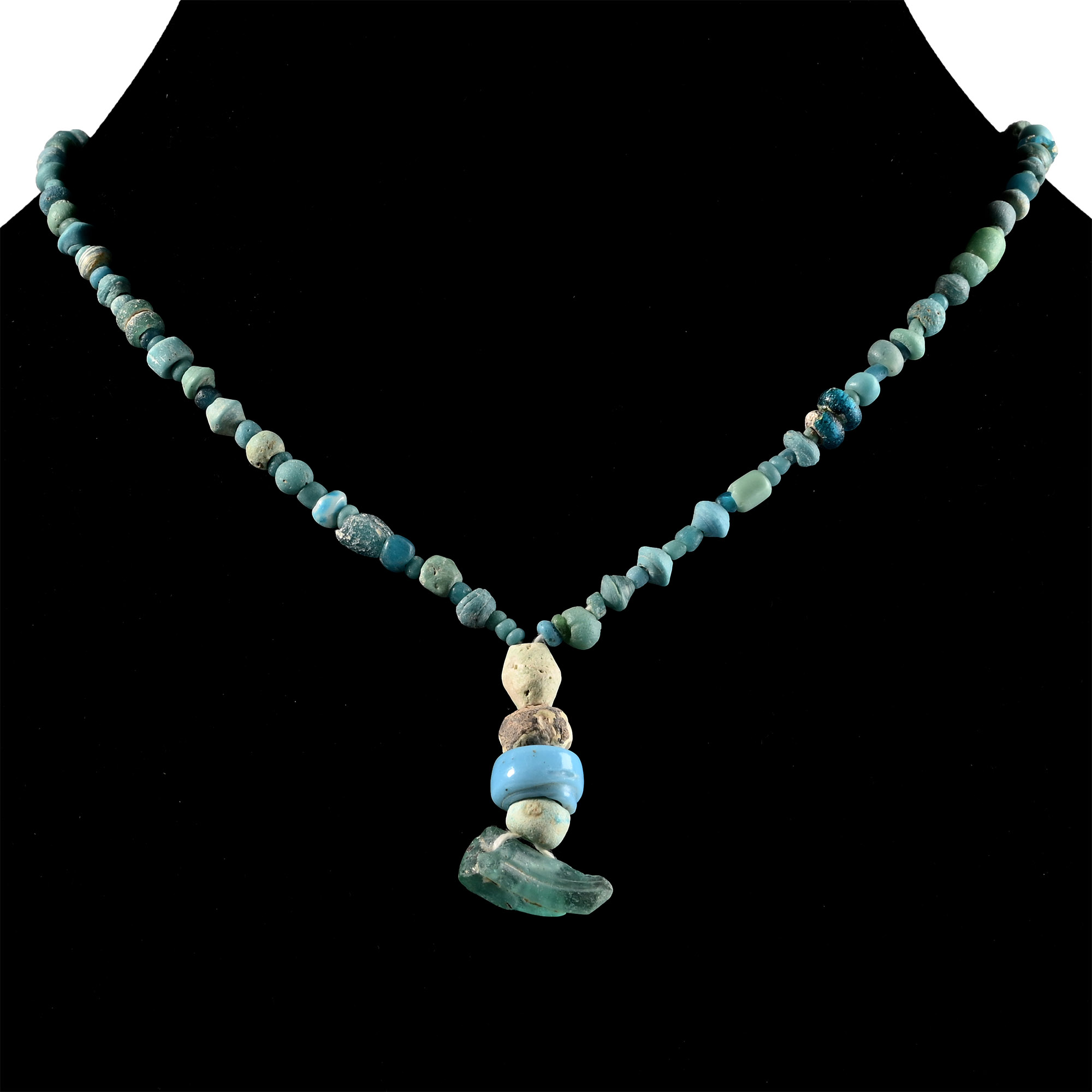
Achaemenid Turquoise Glass and Other Bead Necklace String
MID 1ST MILLENNIUM B.C. AND LATER
12 5/8 in. (11.4 grams, 32 cm).
Composed mainly of oblate and biconical beads with larger beads as the central feature, restrung. [No Reserve]
ProvenanceAcquired in the 1990s.
Ex London, UK, collection.
TimeLine Auctions follows a vetting process to ensure the authenticity and legality of all items, reinforcing our commitment to integrity and responsible trading. Each antiquity, antique, and coin lot undergoes thorough examination by a vetting committee of at least ten external specialists, professional trade association members, scientists, and archaeologists: Our Vetting Process
AUCTIONS:
TimeLine is a leading auction house specialising in antiquities, ancient art, collectables, natural history, coins, medals, and books. Our auctions offer museums, collectors, historians, and enthusiasts the opportunity to acquire unique and historically significant pieces.
LOT 1464
Achaemenid Turquoise Glass and Other Bead Necklace String
Sold for (Inc. bp): £52
-
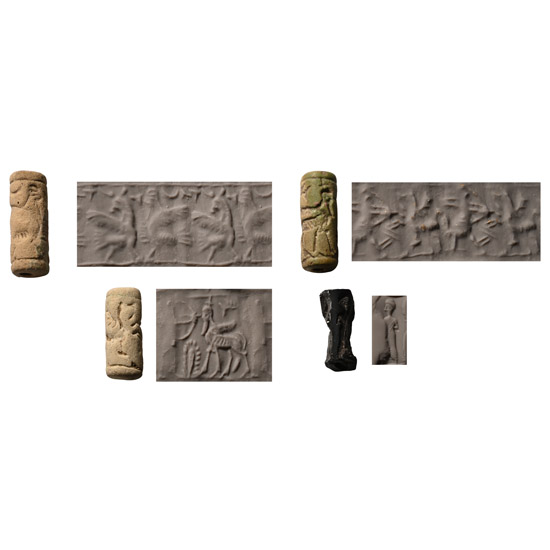
Western Asiatic Faience and Stone Cylinder Seal Group
2nd-1st millennium B.C.Sold for (Inc. bp): £195
Comprising: a cylinder seal showing an advancing Lamassu facing a robed figure with a drawn bow; a cylinder seal with winged beasts; a cylinder seal showing a winged beast facing back and Lamassu; a fragment of a stone cylinder seal showing a standing figure; supplied with museum-quality impressions. 11.94 grams total, 20-27 mm
From the private collection of a European gentleman (1942-2024), formed since the 1970s. -
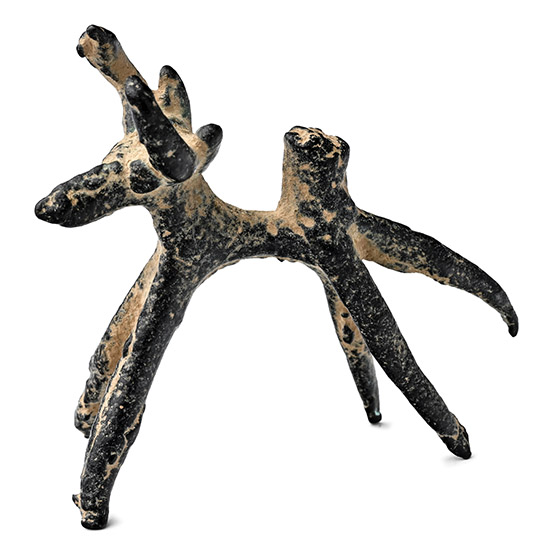
Luristan Bronze Bull Statuette
1st millennium B.C.Sold for (Inc. bp): £124
Modelled with a thin, tubular body and elongated, splayed legs, a short neck supporting an elongated head with bulbous eyes and curving horns, a tubular projection above the rump. 20.9 grams, 51 mm
Ex Abelita collection, 1990s. -
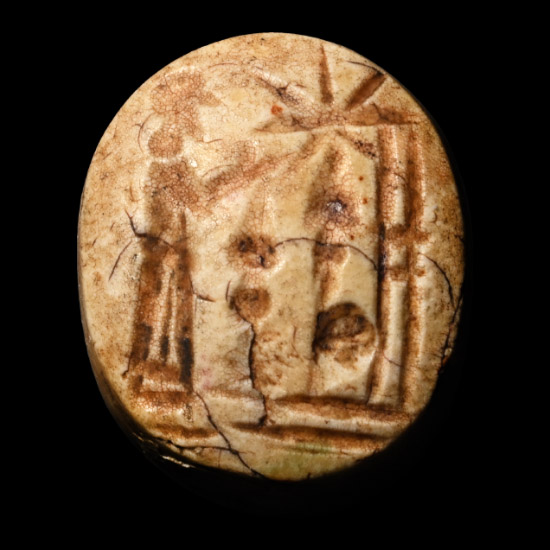
Neo-Babylonian Burnt Stone Stamp Seal with Cultic Scene
8th-6th century B.C.Sold for (Inc. bp): £351
Conical body pierced at the top, the underside with a standing robed figure before an altar with his arms raised in adoration. 7.23 grams, 23 mm
UK private collection, acquired on the English market in the 2000s.
