
Loading, please wait...

LOT 1447
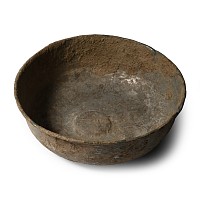
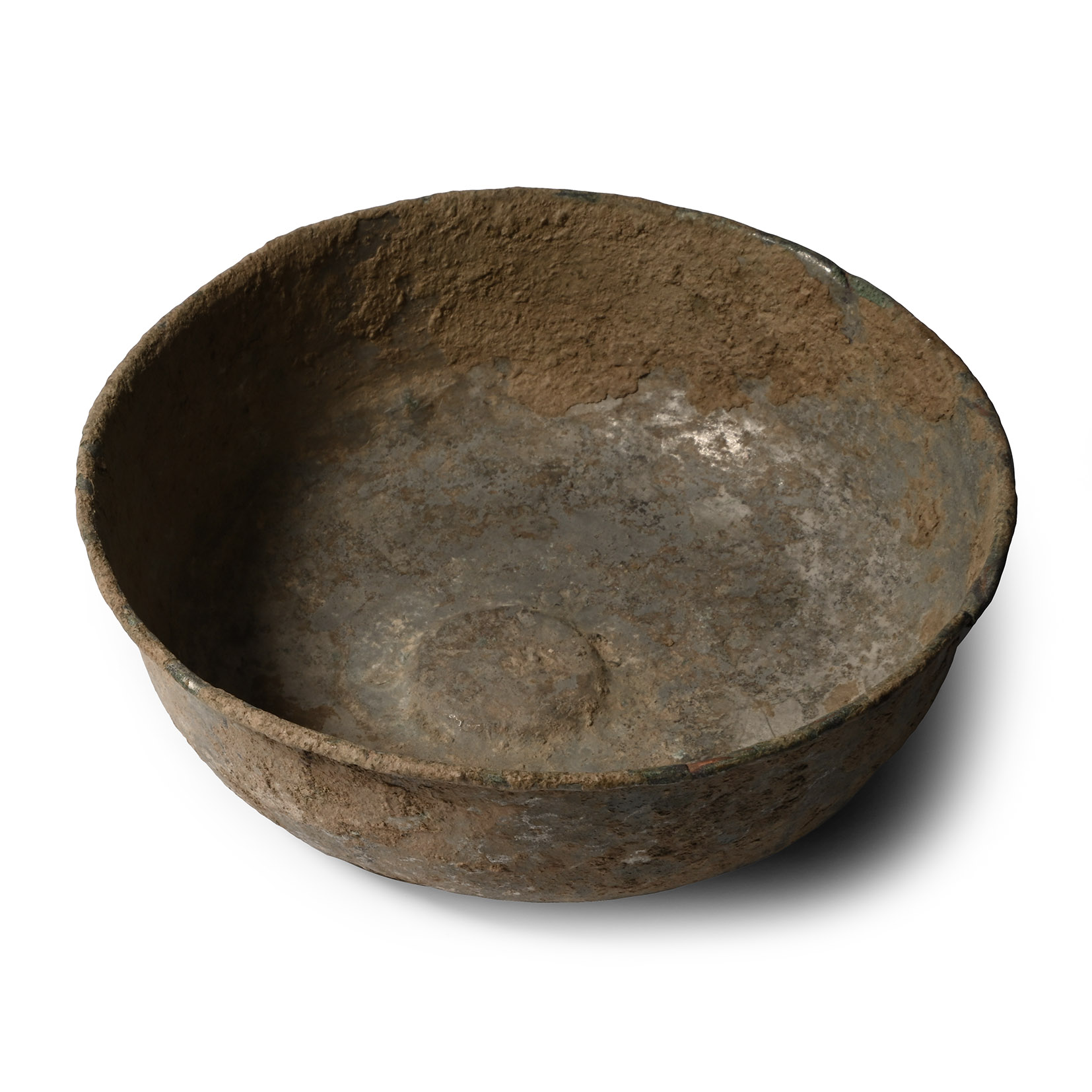
Achaemenid Tinned Bronze Phiale Mesomphalos
6TH-4TH CENTURY B.C.
5 1/4 in. (106 grams, 13.3 cm).
Of low profile with raised central boss.
ProvenanceAcquired 1980-2015.
Ex Abelita family collection.
This lot has been cleared against the Art Loss Register database, and is accompanied by an illustrated lot declaration signed by the Head of the Antiquities Department, Dr Raffaele D'Amato.
TimeLine Auctions follows a vetting process to ensure the authenticity and legality of all items, reinforcing our commitment to integrity and responsible trading. Each antiquity, antique, and coin lot undergoes thorough examination by a vetting committee of at least ten external specialists, professional trade association members, scientists, and archaeologists: Our Vetting Process
AUCTIONS:
TimeLine is a leading auction house specialising in antiquities, ancient art, collectables, natural history, coins, medals, and books. Our auctions offer museums, collectors, historians, and enthusiasts the opportunity to acquire unique and historically significant pieces.
LOT 1447
Achaemenid Tinned Bronze Phiale Mesomphalos
Estimate £100 - 140€120 - 160 (for guidance only)$140 - 190 (for guidance only)
-
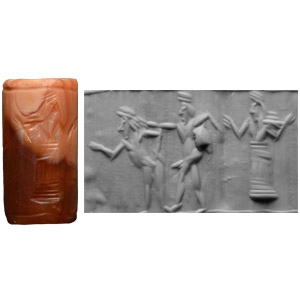
Neo Babylonian Agate Cylinder Seal
Circa 1000-800 B.C.Sold for (Inc. bp): £221
With a standing robed figure with his hands lifted in adoration, two nude advancing figures before him. 5.15 grams, 22 mm
UK private collection before 2000. Acquired on the UK art market. Property of a London gentleman. This lot has been cleared against the Art Loss Register database, and is accompanied by an illustrated lot declaration signed by the Head of the Antiquities Department, Dr Raffaele D'Amato. -
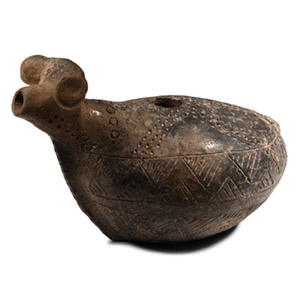
Anatolian Terracotta Ram Rhyton
19th-18th century B.C.Estimate: £3,000 - 4,000 (‡+bp*)
Opening Bid: £1,500
Ovoid in plan with ram-head finial and spout, filling-hole to the centre back and stub tail forming a handle; hatched panels to the sidewall with reserved running zigzag, radiating bands of impressed point ornament, head with forward-facing curled horns. 578 grams, 20.5 cm
with Artemis gallery, Münich. Acquired by the present owner from the above in 1992. This lot has been checked against the Interpol Database of stolen works of art and is accompanied by a search certificate number no.12260-222201. This lot has been cleared against the Art Loss Register database, and is accompanied by an illustrated lot declaration signed by the Head of the Antiquities Department, Dr Raffaele D'Amato. -
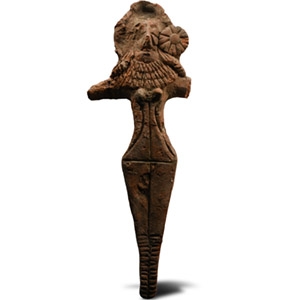
Hittite Terracotta Fertility Idol
12th-8th century B.C.Sold for (Inc. bp): £546
Standing nude female with elaborate hairstyle, earring and collar. 166 grams, 19.3 cm
Ex London, UK, gallery, 1971-early 2000s. London, UK, collection. This lot has been cleared against the Art Loss Register database, and is accompanied by an illustrated lot declaration signed by the Head of the Antiquities Department, Dr Raffaele D'Amato.
