
Loading, please wait...
LOT 1396
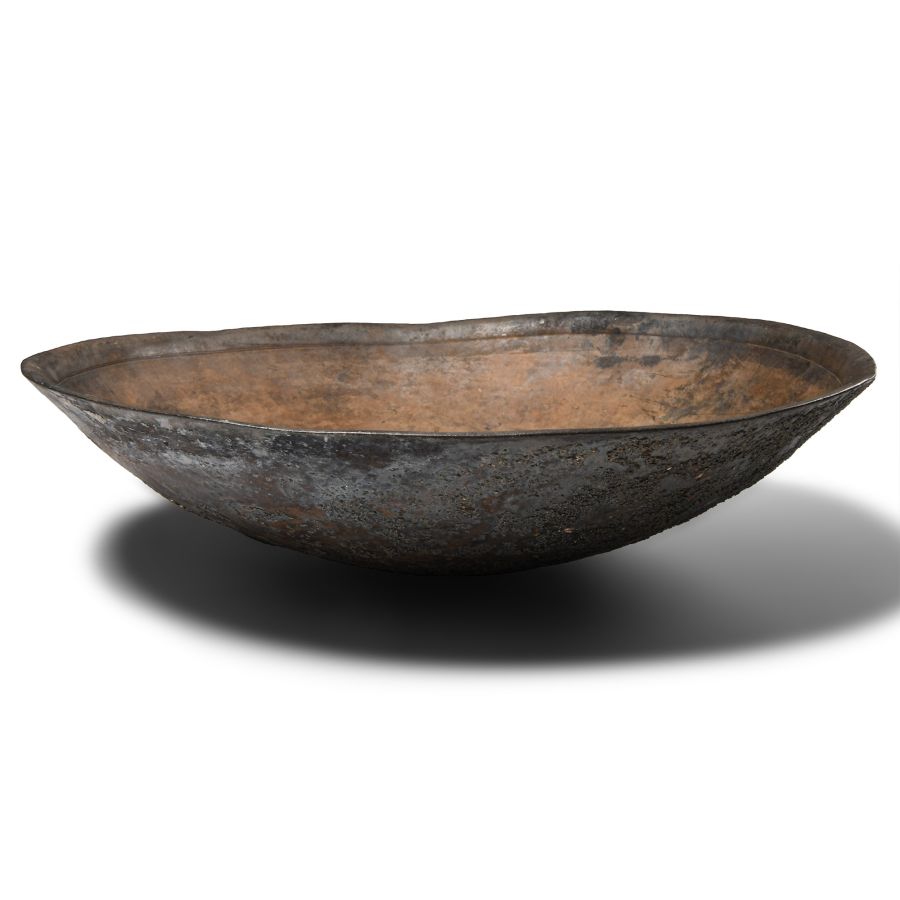
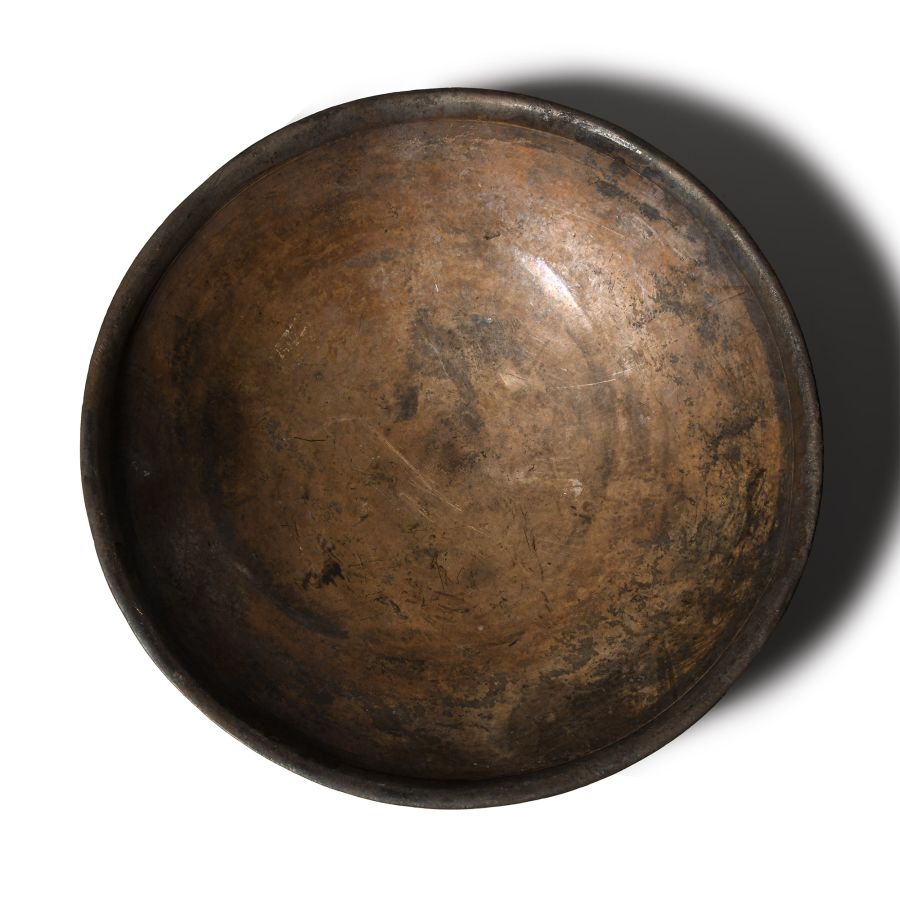
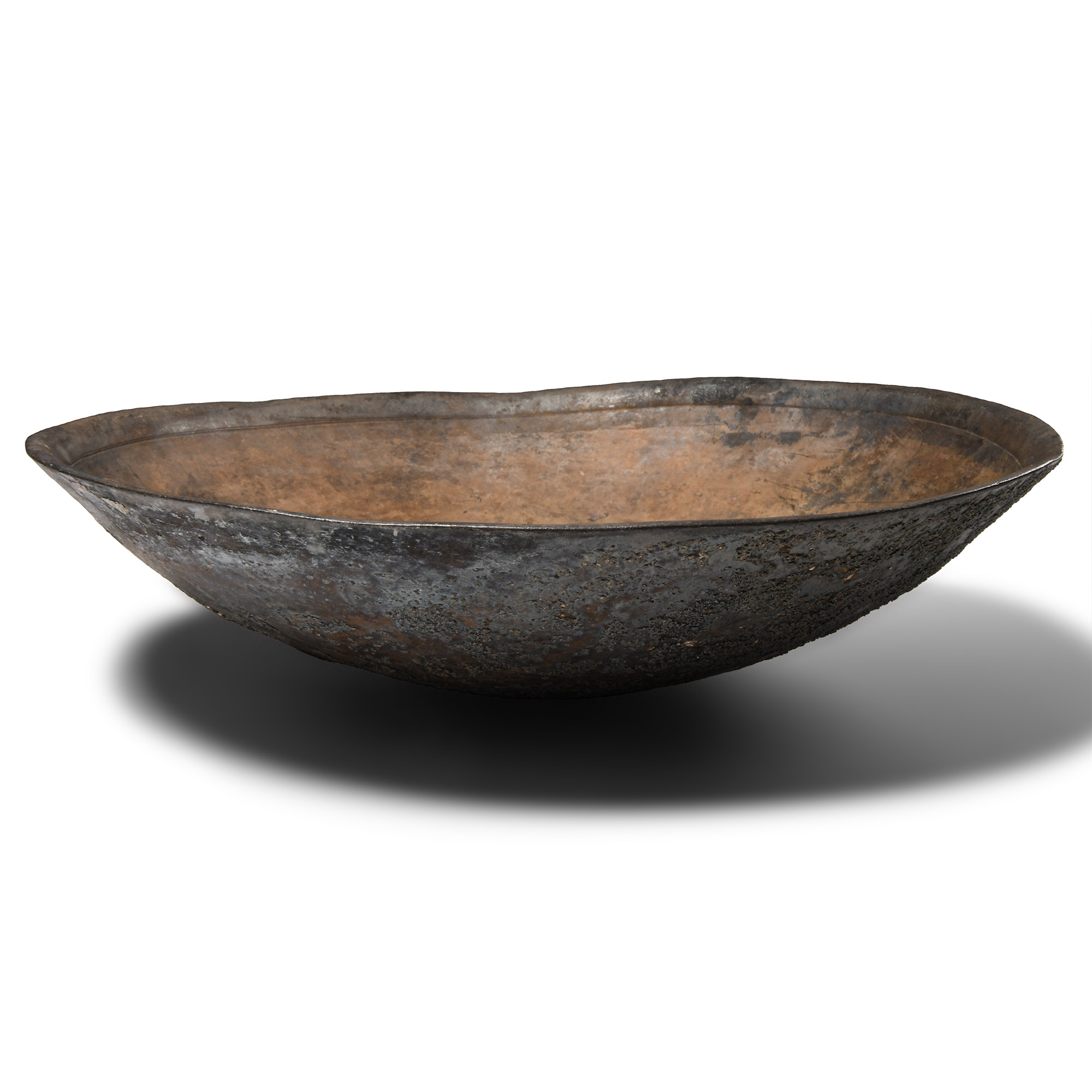
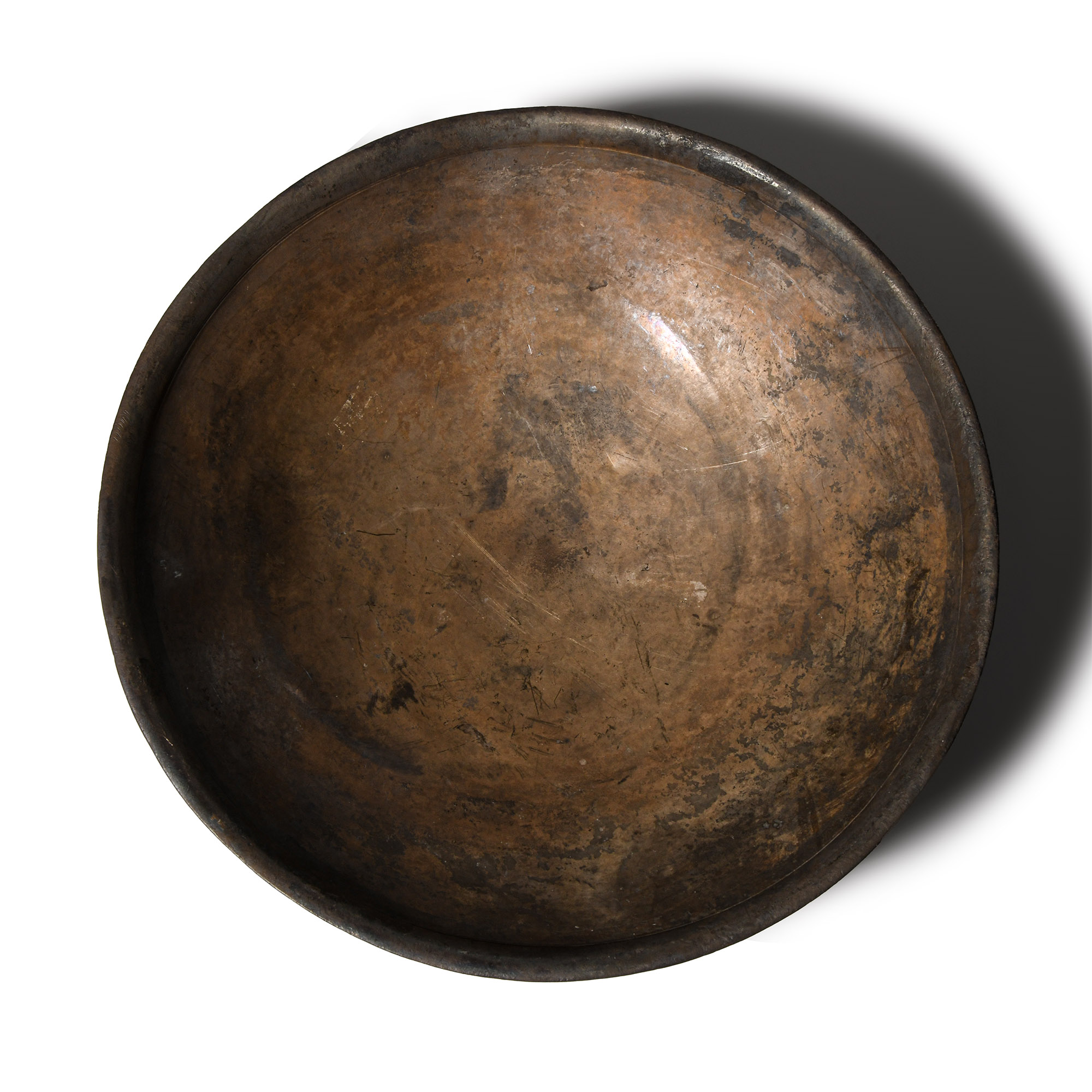
Achaemenid Silver Dish
CIRCA 500-400 B.C.
8 1/4 in. (396 grams, 21 cm wide).
Shallow with thickened rim; encrustations to the outer face.
ProvenanceAcquired early 1990s.
Ex private American collection; thence by descent.
Private Swiss collection since 1998.
This lot has been checked against the Interpol Database of stolen works of art and is accompanied by search certificate no.11631-199032.
TimeLine Auctions follows a vetting process to ensure the authenticity and legality of all items, reinforcing our commitment to integrity and responsible trading. Each antiquity, antique, and coin lot undergoes thorough examination by a vetting committee of at least ten external specialists, professional trade association members, scientists, and archaeologists: Our Vetting Process
AUCTIONS:
TimeLine is a leading auction house specialising in antiquities, ancient art, collectables, natural history, coins, medals, and books. Our auctions offer museums, collectors, historians, and enthusiasts the opportunity to acquire unique and historically significant pieces.
-
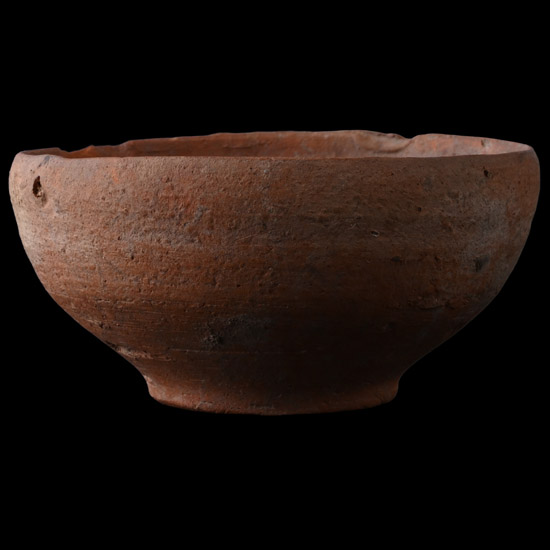
Nabataean Red Terracotta 'Eggshell' Bowl
Circa 1st century B.C.-1st century A.D.Sold for (Inc. bp): £59
Shallow, round bowl with a low foot. 44.5 grams, 72.2 mm
From the collection of a Yorkshire, UK gentleman, items collected in the Holy Land in the 1960s. -
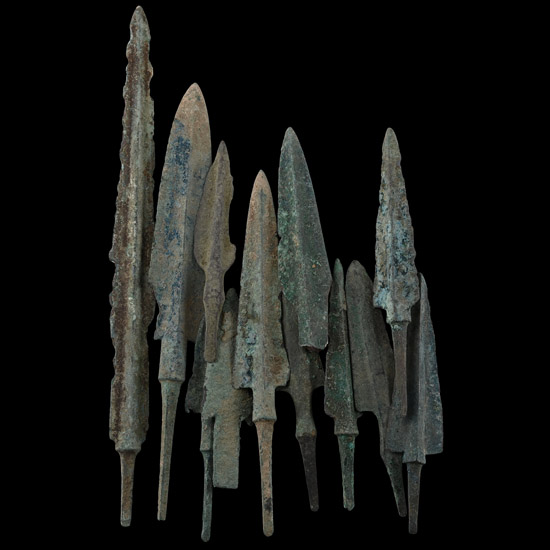
Western Asiatic Bronze Arrowhead Collection
2nd-1st millennium B.C.Sold for (Inc. bp): £169
Comprising eleven tanged triangular arrowheads, most with a raised midrib, and a tanged javelin head. 309 grams total, 8-20.7 cm
London, UK, collection, 1990s.
Most of these blades are bipartite, but the definition of the bipartite type is not absolute, as it brings together weapons of very different and unrelated designs. In fact, some weapons do not have a sufficiently characteristic shape to be interpreted as a javelin or long arrowhead. -
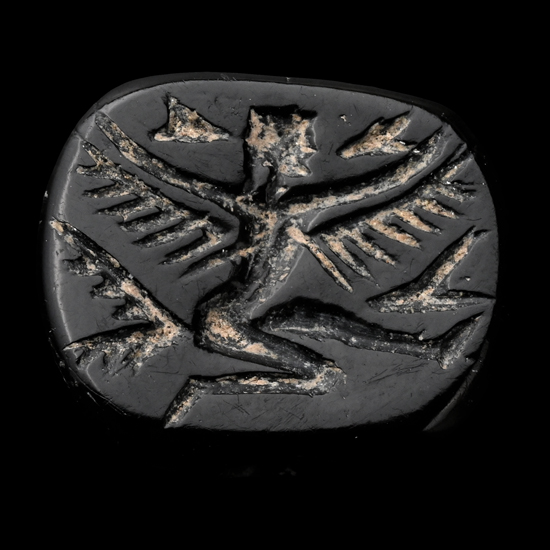
Achaemenid Black Stone Bead with Winged Goddess
Circa 5th century B.C.Sold for (Inc. bp): £65
With incuse figure kneeling with outstretched wings. 2.80 grams, 18.30 mm
From the private collection of a European gentleman (1942-2024), formed since the 1970s.
