
Loading, please wait...
LOT 0255
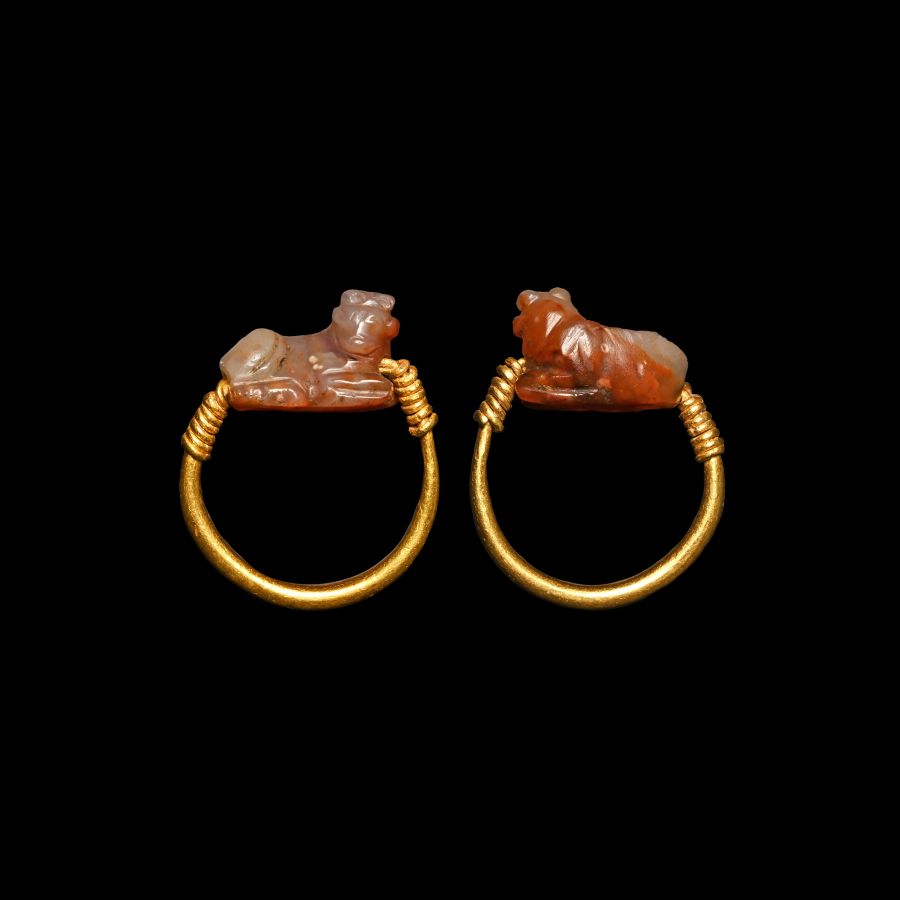
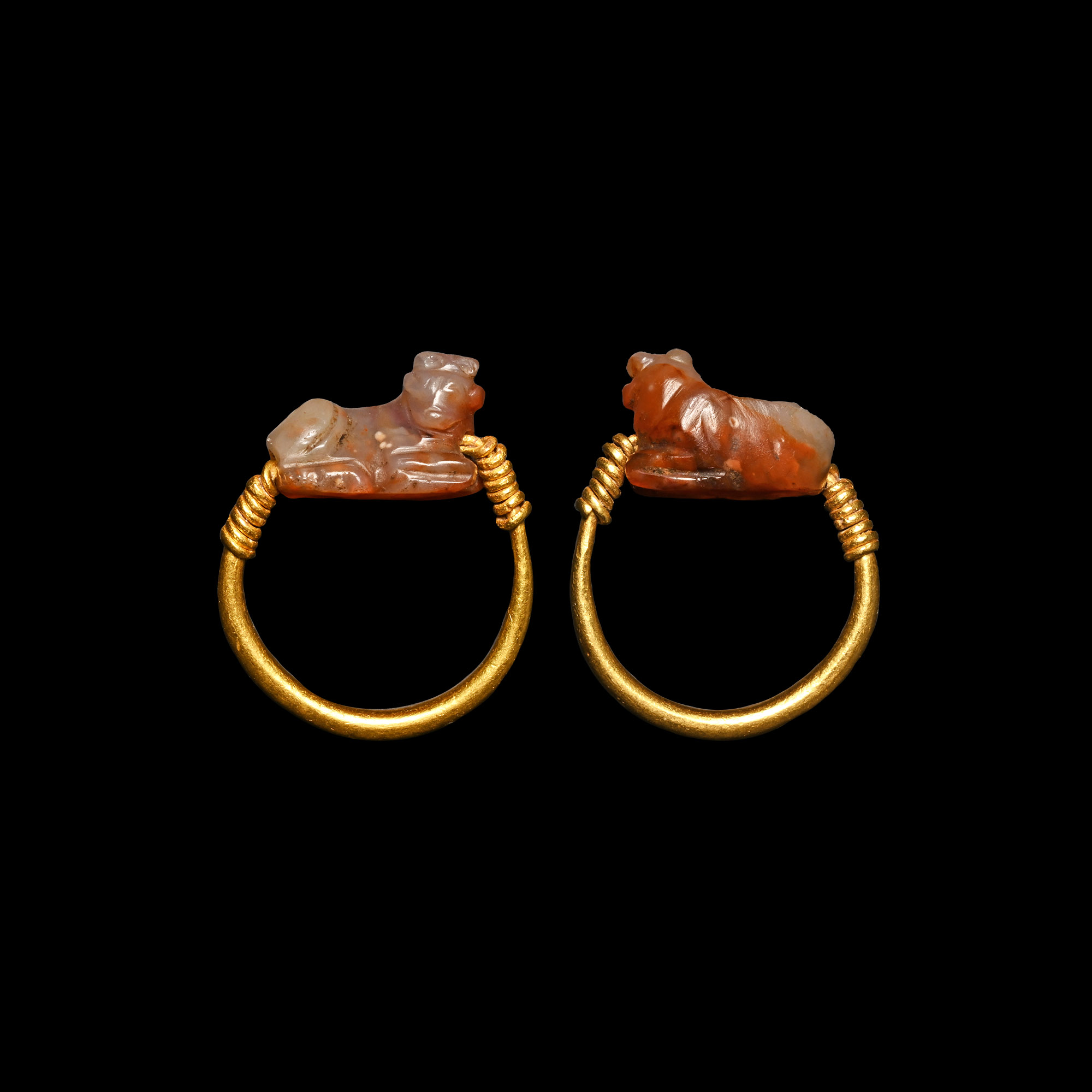
Achaemenid Gold Ring with Agate Bull
CIRCA 500 B.C.
1 in. (4.71 grams, 27.98 mm overall, 19.07 mm internal diameter (approximate size British N, USA 6 1/2, Europe 13.72, Japan 13)).
Comprising a round-section swivel ring set with a carved Apis bull depicted recumbent with its head turned to the right.
ProvenancePrivate collection, UK.
This lot has been checked against the Interpol Database of stolen works of art and is accompanied by search certificate number no.12939-245988.
For similar see Musée du Louvre, Paris: AF 11092 and N 2090; The British Museum: 1947,1011.2 and 1918,0411.15; Metropolitan Museum of Art: 30.8.418, and the Fitzwilliam Museum: E.GA.21.1947.
FootnotesThe Apis bull was a sacred animal in ancient Egyptian religion, worshipped as a living manifestation of the god Ptah and later associated with Osiris and Ra. Regarded as an intermediary between the gods and humanity, the Apis bull was chosen based on specific physical characteristics, such as a black coat with unique white markings. Once identified, it was housed in a grand temple in Memphis, where it was treated with great reverence, adorned with jewellery, and participated in important religious ceremonies. Upon its death, the bull underwent elaborate mummification and burial rituals, symbolising its transition to the afterlife and its continued divine role. The cult of the Apis bull highlights the Egyptians’ deep connection to animals as symbols of divine power and their belief in the interconnectedness of the mortal and spiritual worlds.
CONDITIONTimeLine Auctions follows a vetting process to ensure the authenticity and legality of all items, reinforcing our commitment to integrity and responsible trading. Each antiquity, antique, and coin lot undergoes thorough examination by a vetting committee of at least ten external specialists, professional trade association members, scientists, and archaeologists: Our Vetting Process
AUCTIONS:
TimeLine is a leading auction house specialising in antiquities, ancient art, collectables, natural history, coins, medals, and books. Our auctions offer museums, collectors, historians, and enthusiasts the opportunity to acquire unique and historically significant pieces.
LOT 0255
Achaemenid Gold Ring with Agate Bull
Estimate £5,000 - 7,000€5,800 - 8,120 (for guidance only)$6,750 - 9,450 (for guidance only)
-
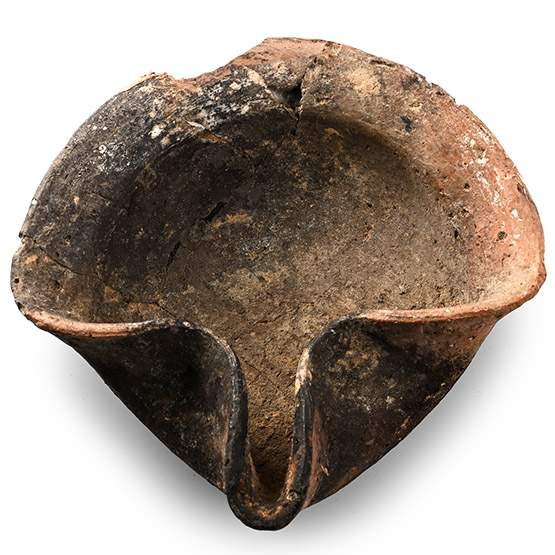
Bronze Age Holy Land Terracotta Pinched Rim Oil Lamp
Kingdom of Judah, circa 930-700 B.C.Sold for (Inc. bp): £104
Discoid in plan with flange rim and sidewall pinched to form a nozzle. 69 grams, 97 mm
From the Lloyd and Jeanne Raport collection, Washington, D.C. and Florida, USA, formed between 1972-2000. Acquired through Bonhams, London, UK. -
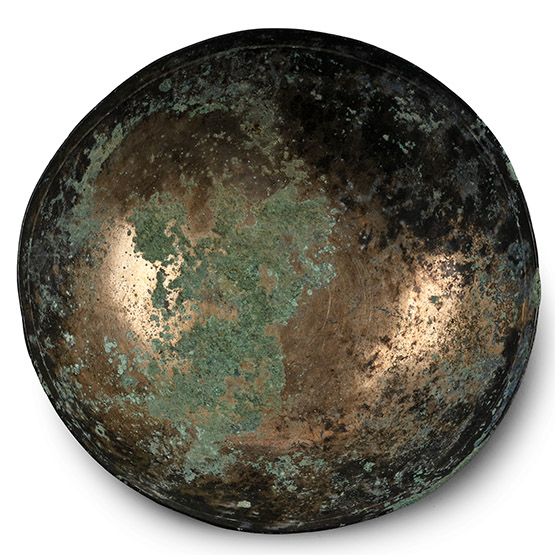
Sasanian Bronze Bowl
3rd-7th century A.D.Sold for (Inc. bp): £52
Hemispherical in profile with an incised ring to the inner face beneath the rim. 130 grams, 15.5 cm
From the collection of North West London, UK, gentleman, 1990-2000s. -
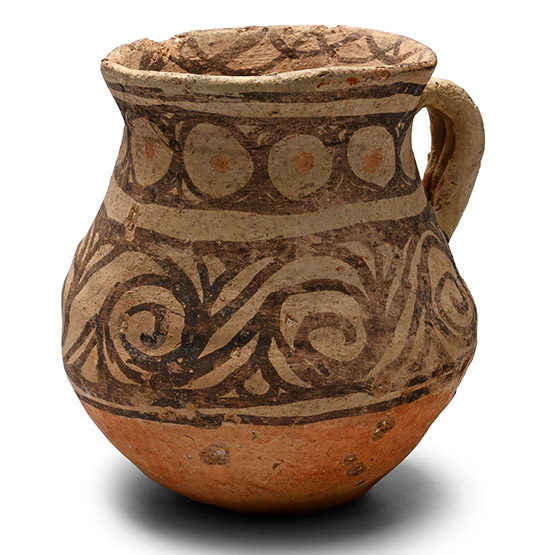
Western Asiatic Bichrome Terracotta Jug
8th-9th century A.D.Sold for (Inc. bp): £208
Biconvex in profile with flared mouth and ribbed loop handle; reserved discs and scrolls on a black field. 365 grams, 11.4 cm
UK collection, 1990s. Acquired on the UK art market, before 2000. Private collection, Mr M.V., a London-based businessman.
