
Loading, please wait...
LOT 0944
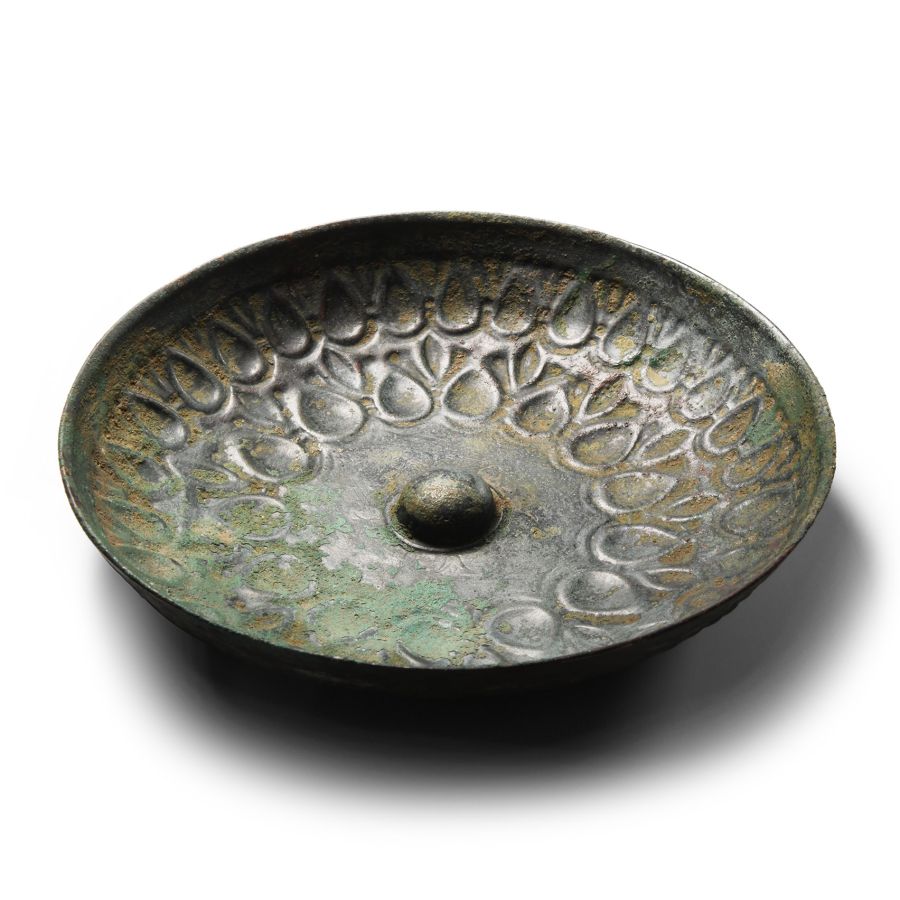
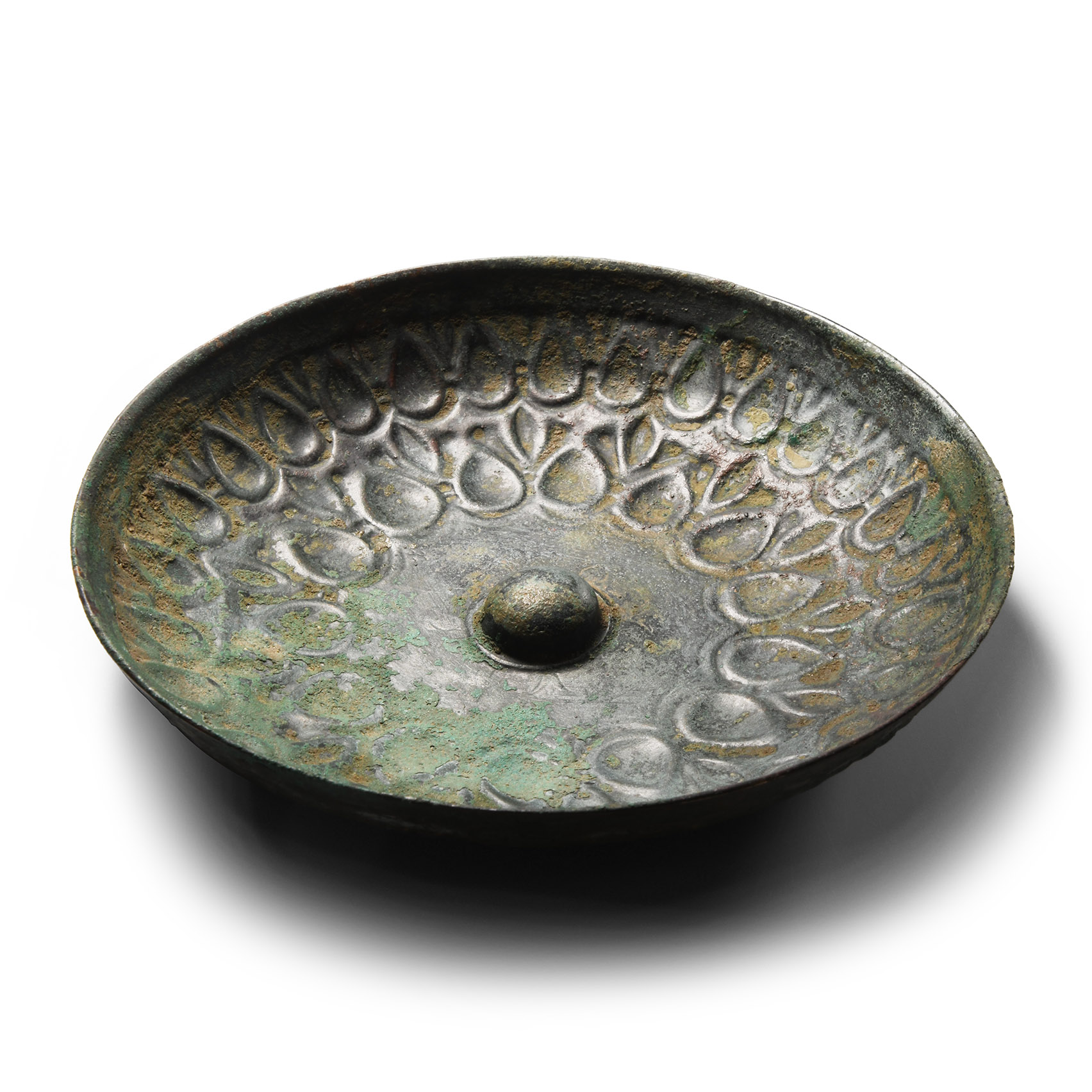
Achaemenid Bronze Phiale Mesomphalos
5TH-4TH CENTURY B.C.
6 1/2 in. (186 grams, 16.5 cm wide).
With flanged rim, central mesomphalos boss surrounded by radiating lotus petals.
ProvenanceFrom the collection of M. Cummings, UK, 1990s.
LiteratureSee Godard, F., The Art of Iran, London, 1965, for discussion.
FootnotesPhiale mesomphalos (literally: bowl with central boss) were the most popular form of vessel and were produced in a number of materials, including clay, bronze, silver and gold. They are a distinctive type of Achaemenid tableware, made by hammering or raising sheet metal, with decoration added in repoussé. They were used in banquets held by the nobility and for pouring libations at religious festivals. Phiales of this kind were a common gift from the Achaemenid king to the nobility which helped cement alliances among the different tribes of the Empire. The central boss to the underside allowed the user to secure their fingers and ensure a solid grip whilst drinking or pouring.
CONDITIONTimeLine Auctions follows a vetting process to ensure the authenticity and legality of all items, reinforcing our commitment to integrity and responsible trading. Each antiquity, antique, and coin lot undergoes thorough examination by a vetting committee of at least ten external specialists, professional trade association members, scientists, and archaeologists: Our Vetting Process
AUCTIONS:
TimeLine is a leading auction house specialising in antiquities, ancient art, collectables, natural history, coins, medals, and books. Our auctions offer museums, collectors, historians, and enthusiasts the opportunity to acquire unique and historically significant pieces.
LOT 0944
Achaemenid Bronze Phiale Mesomphalos
Estimate £300 - 400€350 - 460 (for guidance only)$410 - 540 (for guidance only)
-
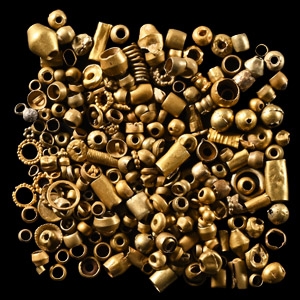
Western Asiatic Mixed Gold Bead Collection
1st millennium B.C. and laterSold for (Inc. bp): £1,950
Group of beads of tubular, spherical, biconvex and other types. 20.24 grams total, 2-8 mm
From a late Japanese specialist collector, 1970-2000s. -
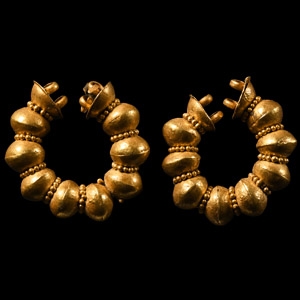
Western Asiatic Gold Earring Pair
1st millennium B.C.Sold for (Inc. bp): £442
Matched pair of hollow-formed gold earrings each formed as a series of bulbs separated by beaded wire collars and with a pair of loops to each end of the shank. 4.33 grams total, 20.8-21.2 mm
From a late Japanese specialist collector, 1970-2000s. -
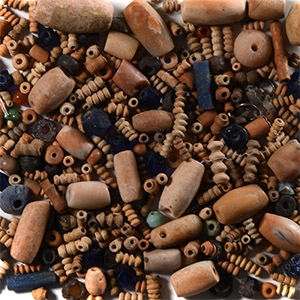
Western Asiatic Mixed Bead Group
1st millennium B.C. and laterSold for (Inc. bp): £111
Mainly pottery and some glass, annular, tubular, fusiform and other types. 43.6 grams total, 2-20 mm
Acquired 1980-2015. Ex Abelita family collection.
