
Loading, please wait...

LOT 1342
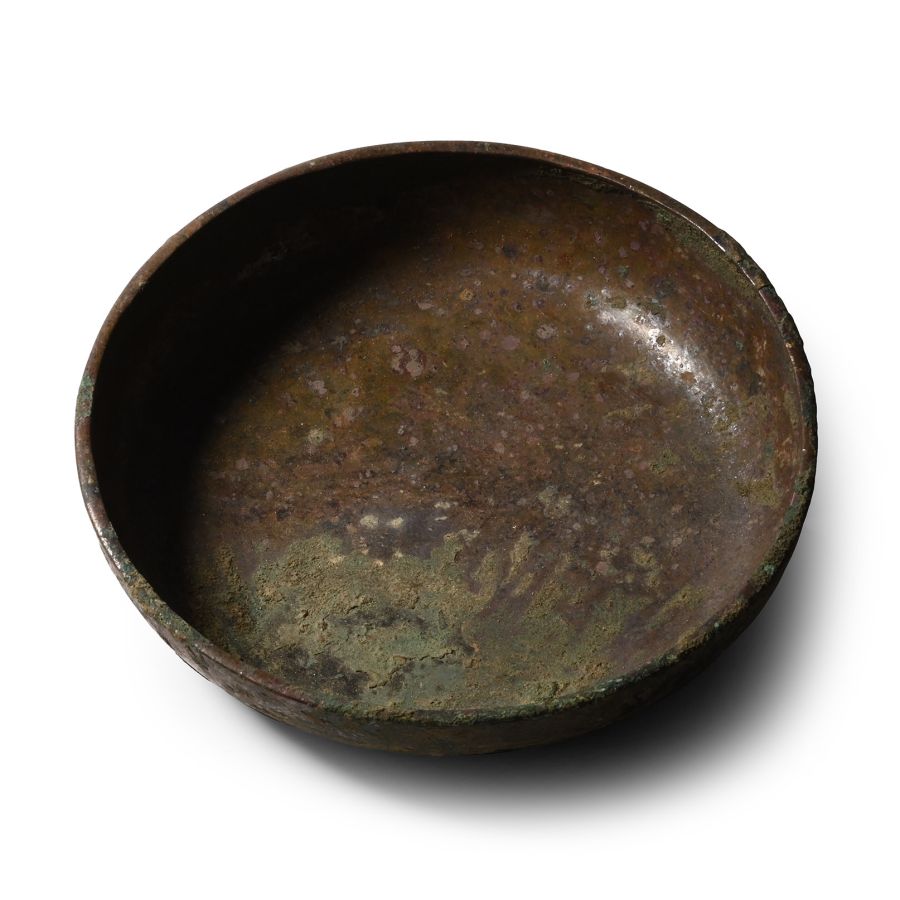
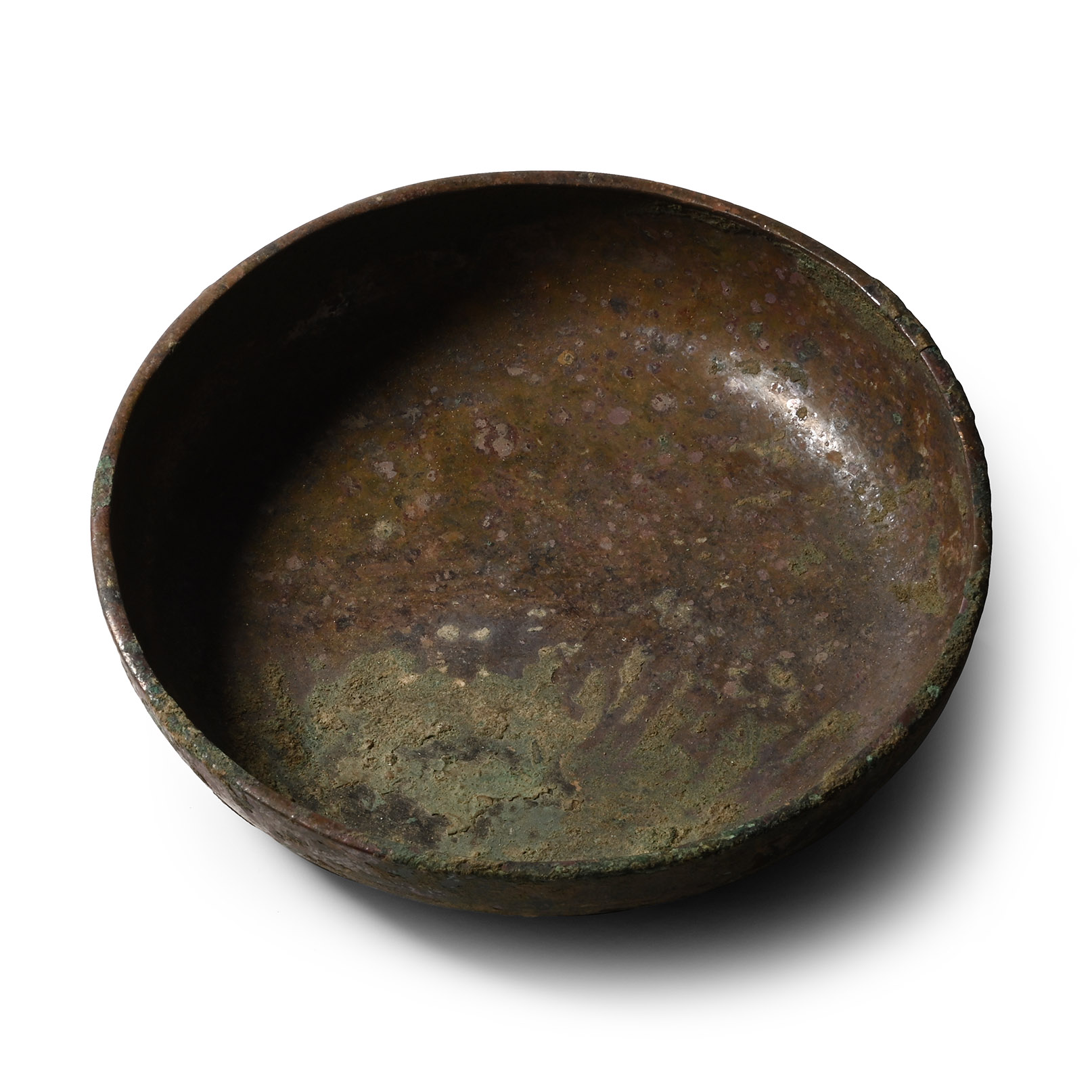
Achaemenid Bronze Dish
6TH-4TH CENTURY B.C.
5 1/2 in. (185 grams, 14 cm).
Broad and shallow with slightly inturned rim.
ProvenanceAcquired 1980-2015.
Ex Abelita family collection.
This lot has been cleared against the Art Loss Register database, and is accompanied by an illustrated lot declaration signed by the Head of the Antiquities Department, Dr Raffaele D'Amato.
TimeLine Auctions follows a vetting process to ensure the authenticity and legality of all items, reinforcing our commitment to integrity and responsible trading. Each antiquity, antique, and coin lot undergoes thorough examination by a vetting committee of at least ten external specialists, professional trade association members, scientists, and archaeologists: Our Vetting Process
AUCTIONS:
TimeLine is a leading auction house specialising in antiquities, ancient art, collectables, natural history, coins, medals, and books. Our auctions offer museums, collectors, historians, and enthusiasts the opportunity to acquire unique and historically significant pieces.
-
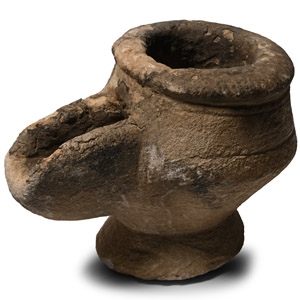
Western Asiatic Stone Libation Bowl
1st millennium B.C.Estimate: £150 - 200 (+bp*)
Opening Bid: £75
With a biconical body and flared foot set off-centre, large U-shaped spout and flat rim. 667 grams total, 11.9 cm
From a collection formed before 1988, London and Geneva. This lot has been cleared against the Art Loss Register database, and is accompanied by an illustrated lot declaration signed by the Head of the Antiquities Department, Dr Raffaele D'Amato. -
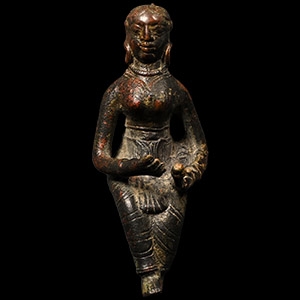
Vijayanagara Bronze Statue of a Seated Fertility Figure
14th-15th century A.D. or earlierEstimate: £1,500 - 2,000 (+bp*)
Opening Bid: £750
Modelled in the round in tight-fitting robe gathered at the waist; the hair piled at the back of the head, with large earrings and collar, holding a ladle in the left hand; socket to underside and top of head. 124 grams, 93 mm
Acquired before 1983. Ex London gallery, 1990s. This lot has been cleared against the Art Loss Register database, and is accompanied by an illustrated lot declaration signed by the Head of the Antiquities Department, Dr Raffaele D'Amato. -
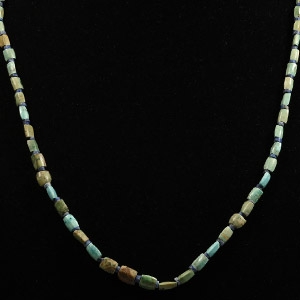
Mesopotamian Turquoise and Lapis Lazuli Bead Necklace String
1st millennium B.C. and laterSold for (Inc. bp): £442
Composed of small annular lapis lazuli beads and pillow-shaped graduated turquoise beads; restrung, no clasp. 15.9 grams, 68 cm
Acquired on the UK art market before 2000. Property of an Essex, UK, gentleman. This lot has been cleared against the Art Loss Register database, and is accompanied by an illustrated lot declaration signed by the Head of the Antiquities Department, Dr Raffaele D'Amato.
