
Loading, please wait...
LOT 1627
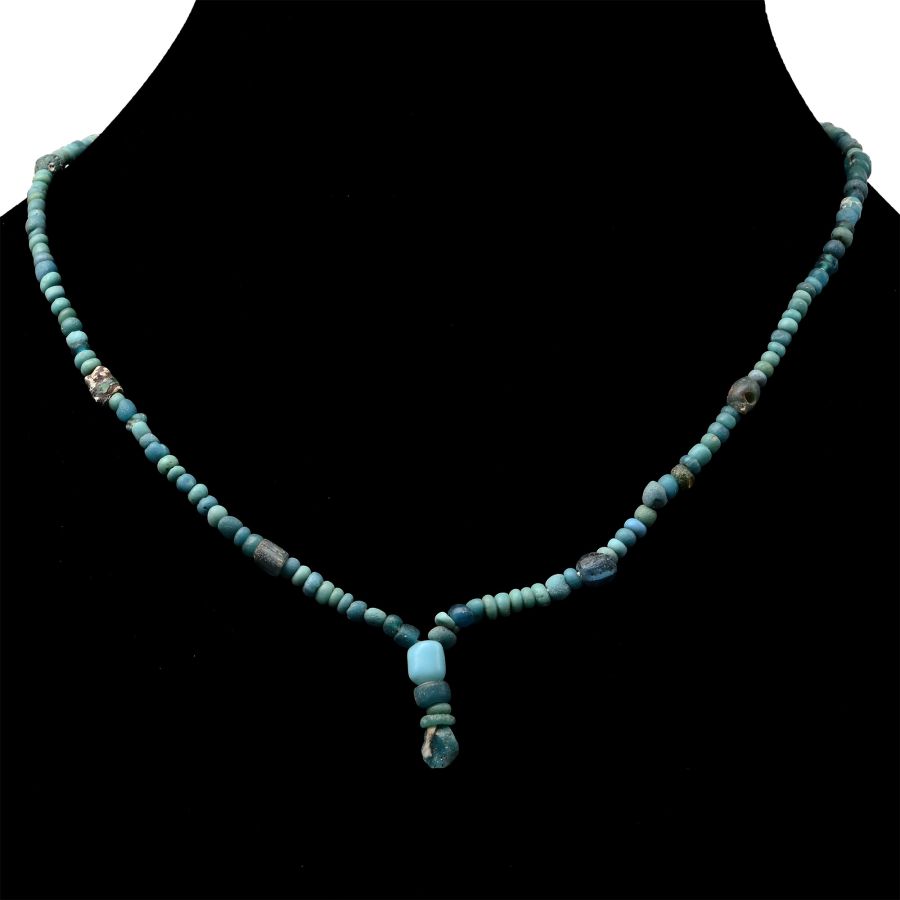
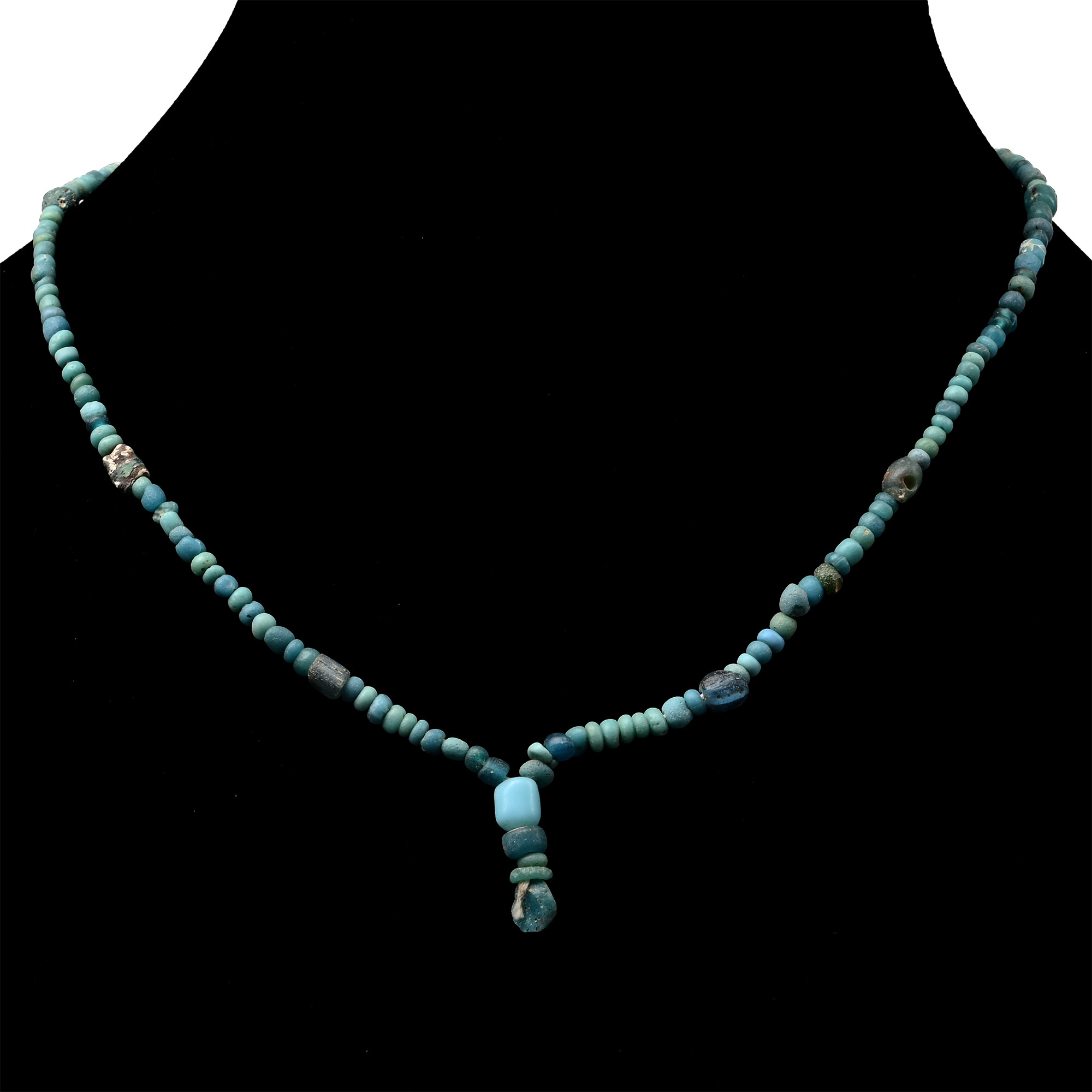
Achaemenid Blue Glass and Other Bead Necklace String
MID 1ST MILLENNIUM B.C. AND LATER
15 1/8 in. (7.9 grams, 38.5 cm).
Composed mainly of oblate beads with larger beads forming the central feature, restrung. [No Reserve]
ProvenanceEx London, UK, collection, 1990s.
CONDITIONTimeLine Auctions follows a vetting process to ensure the authenticity and legality of all items, reinforcing our commitment to integrity and responsible trading. Each antiquity, antique, and coin lot undergoes thorough examination by a vetting committee of at least ten external specialists, professional trade association members, scientists, and archaeologists: Our Vetting Process
AUCTIONS:
TimeLine is a leading auction house specialising in antiquities, ancient art, collectables, natural history, coins, medals, and books. Our auctions offer museums, collectors, historians, and enthusiasts the opportunity to acquire unique and historically significant pieces.
-
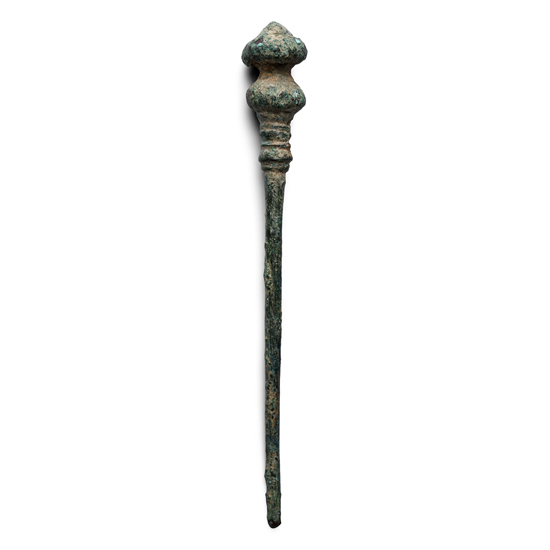
Western Asiatic Bronze Cloak Pin
Bronze Age, 2nd-1st millennium B.C.Sold for (Inc. bp): £39
Comprising a tapering round-section pin with a balustered finial. 31.3 grams, 12.1 cm
From the private collection of a European gentleman (1942-2024), formed since the 1970s. -
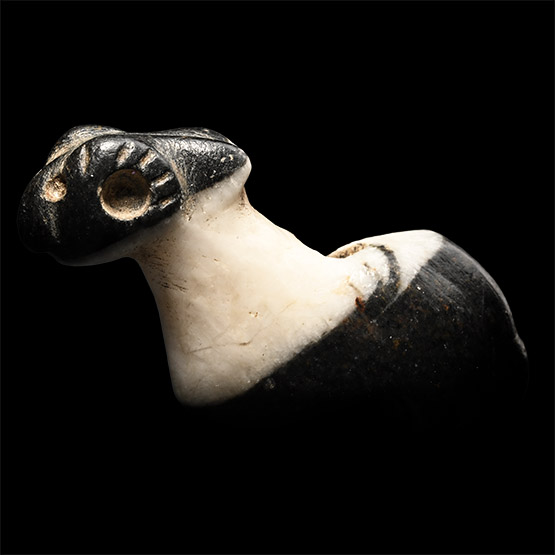
Babylonian Stone Bead in the Shape of a Ram
1st millennium B.C.Estimate: £800 - 1,000 (‡+bp*)
Opening Bid: £400
Carved in the round to take advantage of the banded colouration, pierced vertically through the rump, with eye and ribbed horn detailing. 8.66 grams, 40 mm
Private collection, acquired in the late 1980s-early 1990s; thence by descent. -
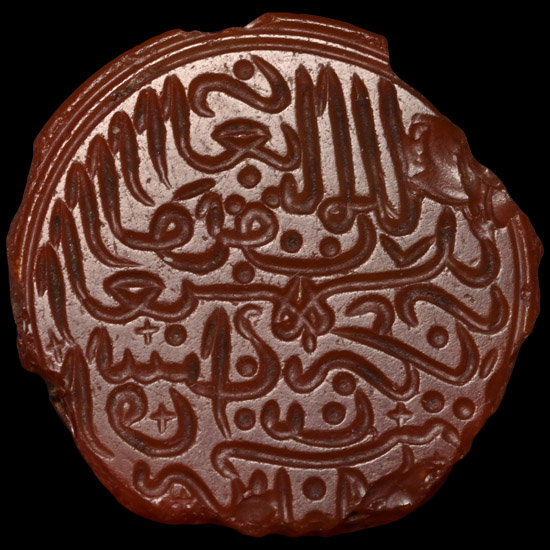
Western Asiatic Engraved Carnelian Calligraphic Intaglio
Circa 16th century A.D.Sold for (Inc. bp): £39
Circular intaglio with narrow base, upper face with densely arranged inscription; supplied with a museum-quality impression. 3.61 grams, 20 mm
Acquired in the late 1980s-early 1990s. Private collection, London, UK.
