
Loading, please wait...
LOT 1516
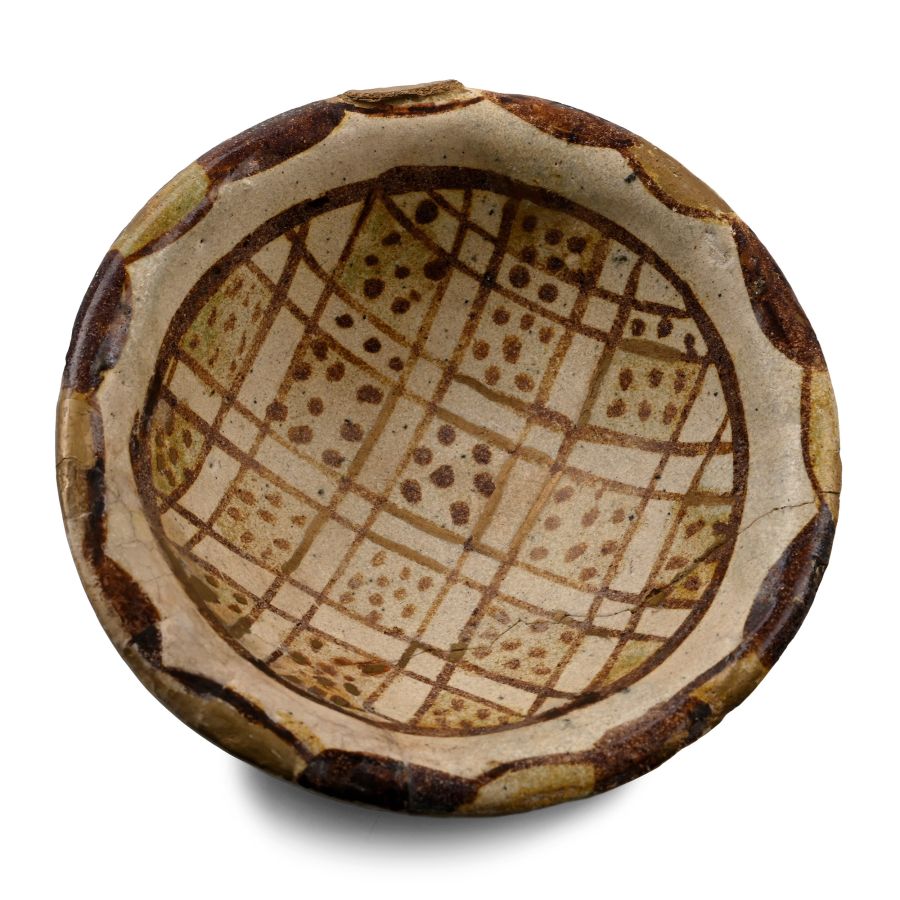
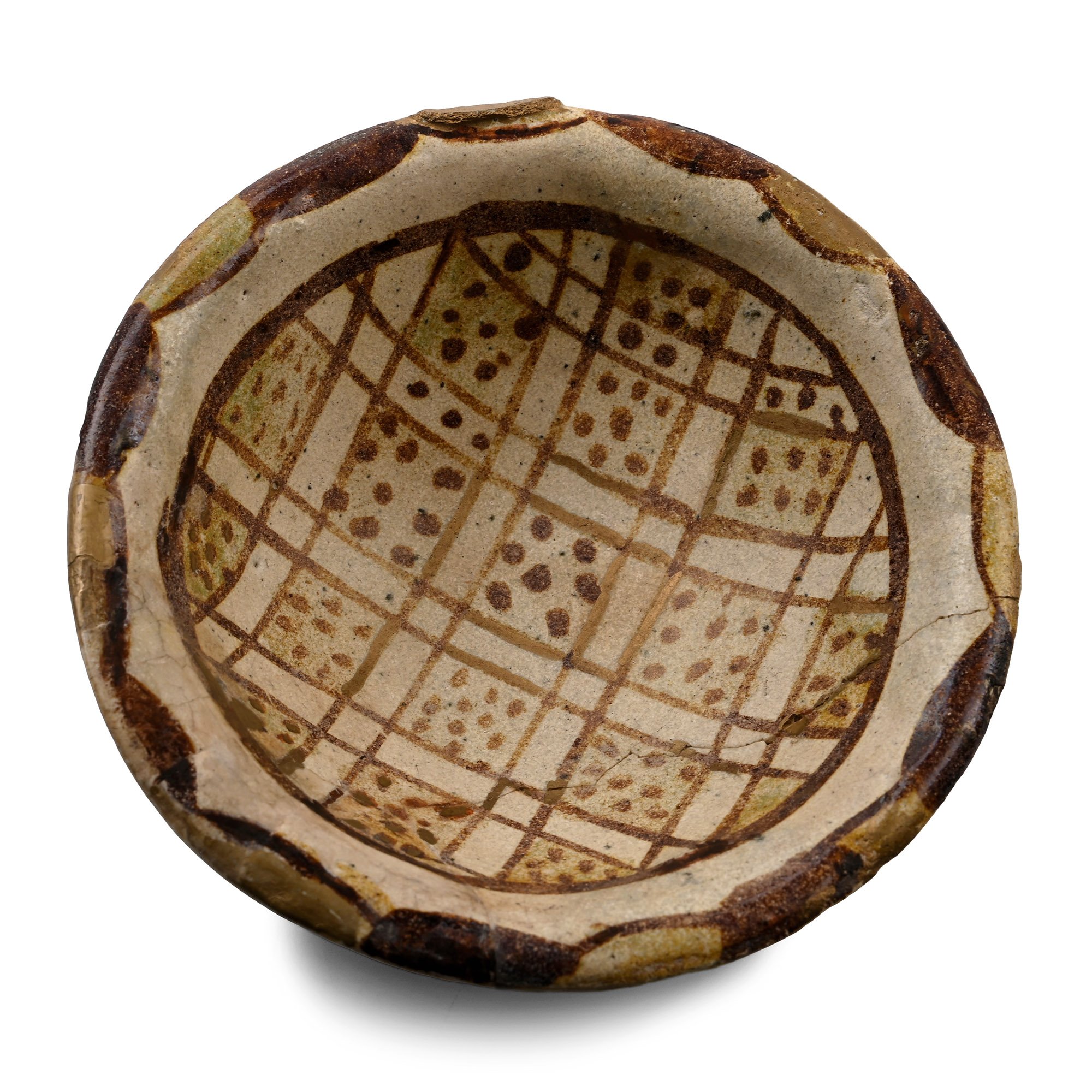
Abbasid Lustre Glazed Bowl
10TH-11TH CENTURY B.C.
5 1/8 in. (168 grams, 13 cm).
Shallow bowl with everted rim and low foot, the outer rim with painted petals and the inside with a chequered design with dots inside the lozenges.
Provenancewith a London, UK gallery 1971-early 2000s.
CONDITIONTimeLine Auctions follows a vetting process to ensure the authenticity and legality of all items, reinforcing our commitment to integrity and responsible trading. Each antiquity, antique, and coin lot undergoes thorough examination by a vetting committee of at least ten external specialists, professional trade association members, scientists, and archaeologists: Our Vetting Process
AUCTIONS:
TimeLine is a leading auction house specialising in antiquities, ancient art, collectables, natural history, coins, medals, and books. Our auctions offer museums, collectors, historians, and enthusiasts the opportunity to acquire unique and historically significant pieces.
LOT 1516
Abbasid Lustre Glazed Bowl
Estimate £200 - 300€230 - 350 (for guidance only)$270 - 410 (for guidance only)
-
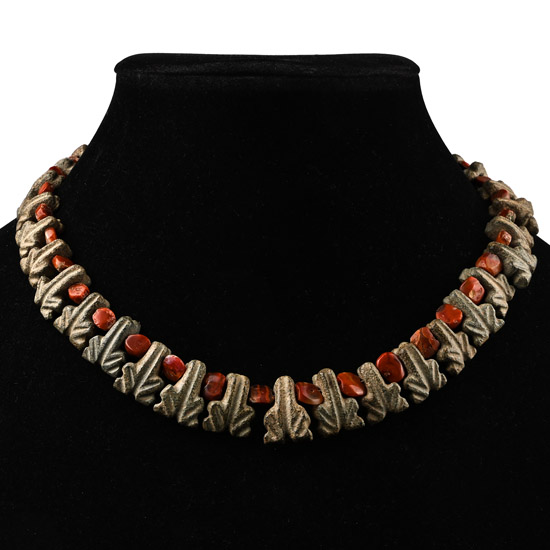
Mesopotamian Carved Stone Frog Bead Necklace
1500-1200 B.C.Estimate: £1,800 - 2,400 (+bp*)
Opening Bid: £900
Restrung group of frog-shaped dangles, each pierced at the neck, with interstitial irregular spacer beads. 56.39 grams, 36 cm
Acquired in the late 1980s-early 1990s. Private collection, London, UK. -
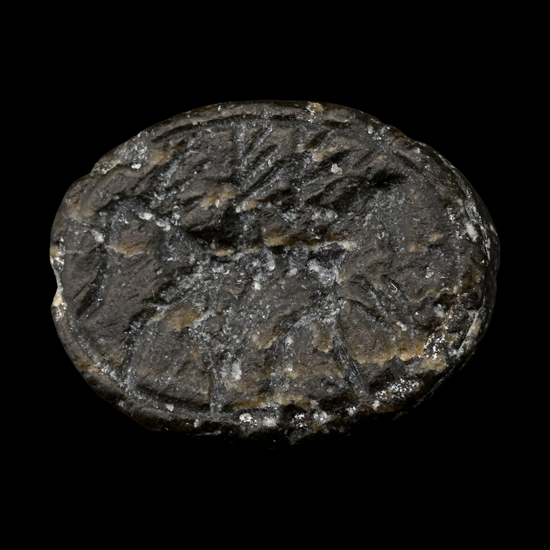
Western Asiatic Black Stone Scaraboid with Walking Horse
Circa 800-700 B.C.Sold for (Inc. bp): £20
Carved anatomical detailing on the body, underside with an advancing horse, and a branch above. 2.45 grams, 15 mm
From a late Warwickshire numismatic collector, his collection formed from the early 1980s. -
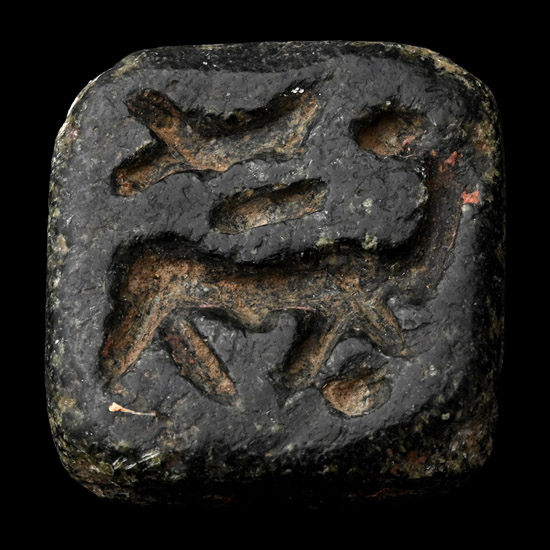
Western Asiatic Black Stone Stamp Seal with Animals
2nd millennium B.C.Sold for (Inc. bp): £20
Square in plan with rounded sides and corners, incuse regardant animal to underside. 10.72 grams, 26.73 mm
From the private collection of a European gentleman (1942-2024), formed since the 1970s.
