
Loading, please wait...
LOT 1062
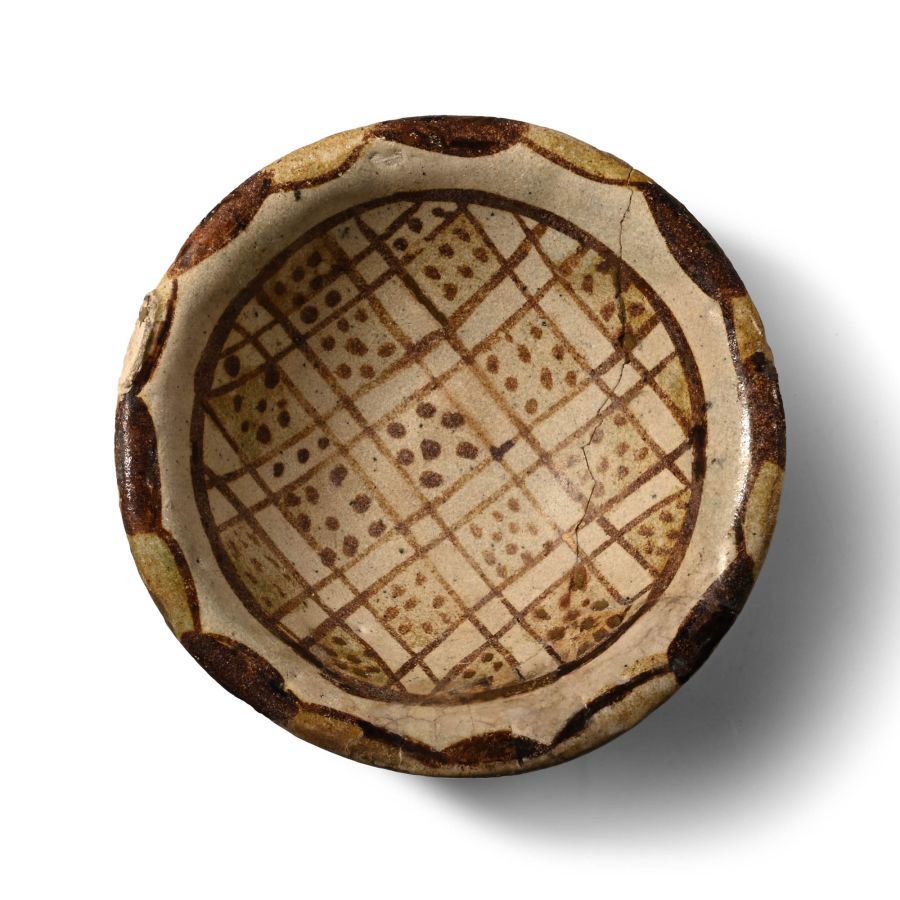
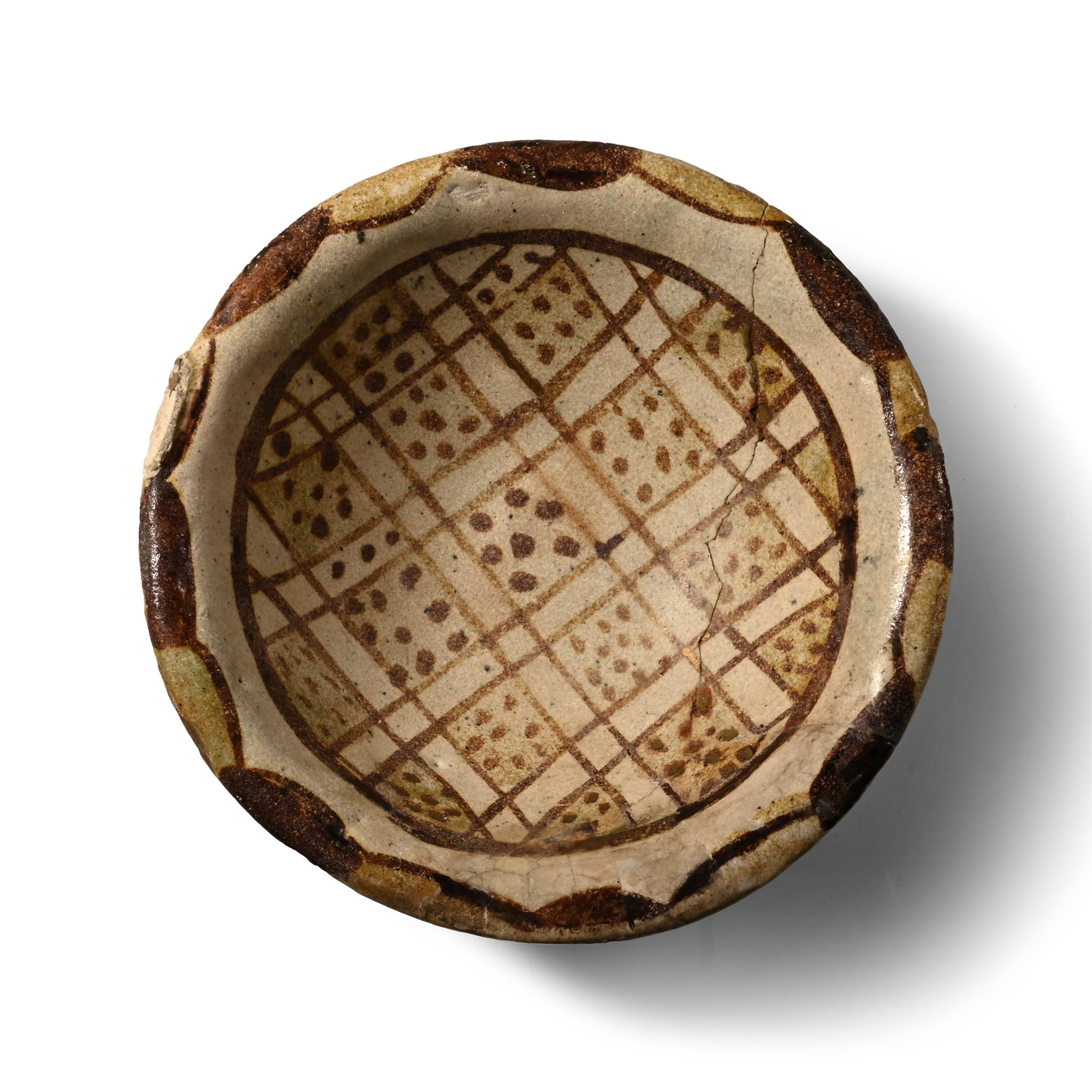
Abbasid Decorated Glazed Bowl
7TH-8TH CENTURY A.D.
5 in. (168 grams, 12.9 cm).
Bell-shaped in profile with discoid base and flared rim, glazed and painted geometric design of a lattice on a field of pointillé ornament, rim with dentilled detailing.
Provenancewith a London, UK gallery, 1971-early 2000s.
CONDITIONTimeLine Auctions follows a vetting process to ensure the authenticity and legality of all items, reinforcing our commitment to integrity and responsible trading. Each antiquity, antique, and coin lot undergoes thorough examination by a vetting committee of at least ten external specialists, professional trade association members, scientists, and archaeologists: Our Vetting Process
AUCTIONS:
TimeLine is a leading auction house specialising in antiquities, ancient art, collectables, natural history, coins, medals, and books. Our auctions offer museums, collectors, historians, and enthusiasts the opportunity to acquire unique and historically significant pieces.
LOT 1062
Abbasid Decorated Glazed Bowl
Estimate £300 - 400€350 - 460 (for guidance only)$410 - 540 (for guidance only)
-
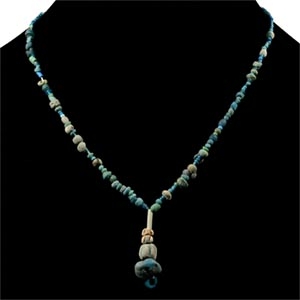
Achaemenid Stone and Glass Bead Necklace String
500 B.C. and laterSold for (Inc. bp): £33
Composed of small beads in various shapes restrung to a Y-shape, the central feature with a larger melon and an irregular bead. 9.86 grams, 33 cm
Ex property of a late Japanese collector, 1970-2000s. -
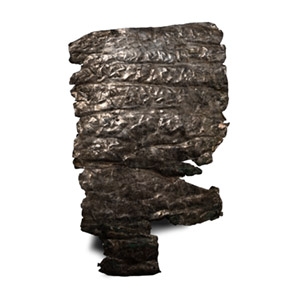
Aramaic Silver Plaque
2nd-8th century A.D.Estimate: £200 - 300 (+bp*)
Opening Bid: £100
Sheet silver rectangle with impressed text; unfolded. 0.52 grams, 46 mm
From the collection of a gentleman, acquired on the London art market in the 1990s. -
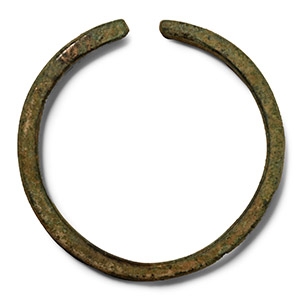
Western Asiatic Bronze Bracelet
Late Bronze Age, 1st millennium B.C.Sold for (Inc. bp): £33
Square in section with rounded outer face, transverse notches to the terminals. 65 grams, 84 mm
Acquired 1980-2015. Ex Abelita family collection.
