Loading, please wait...

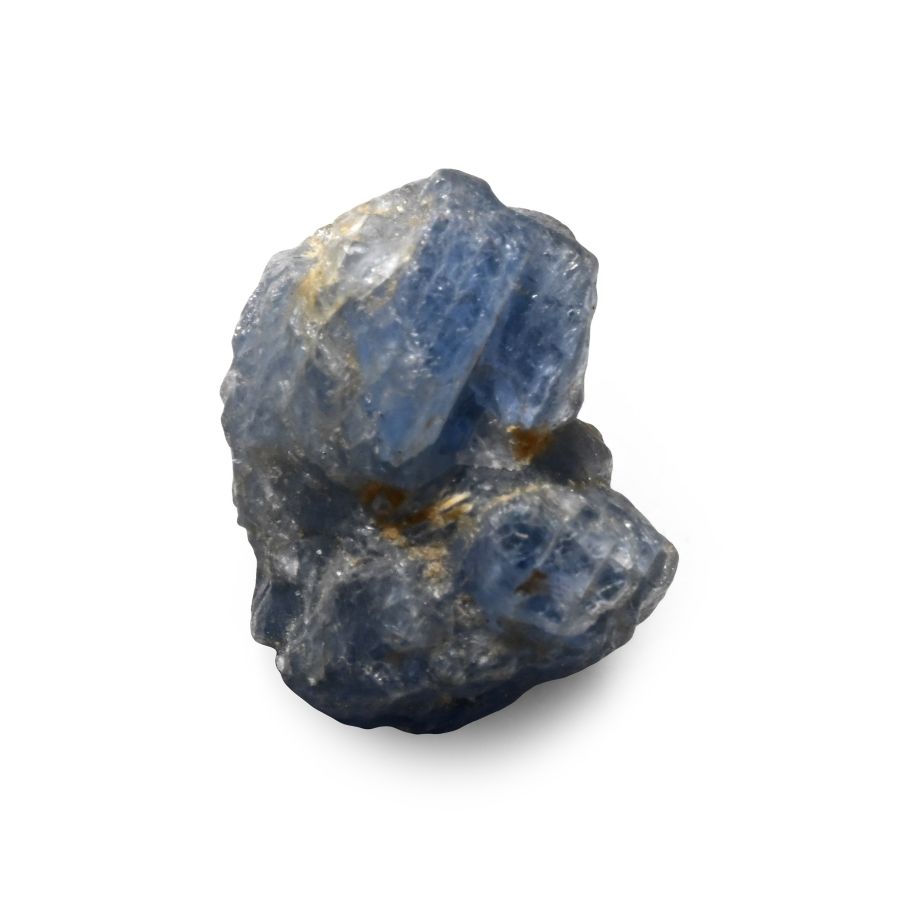
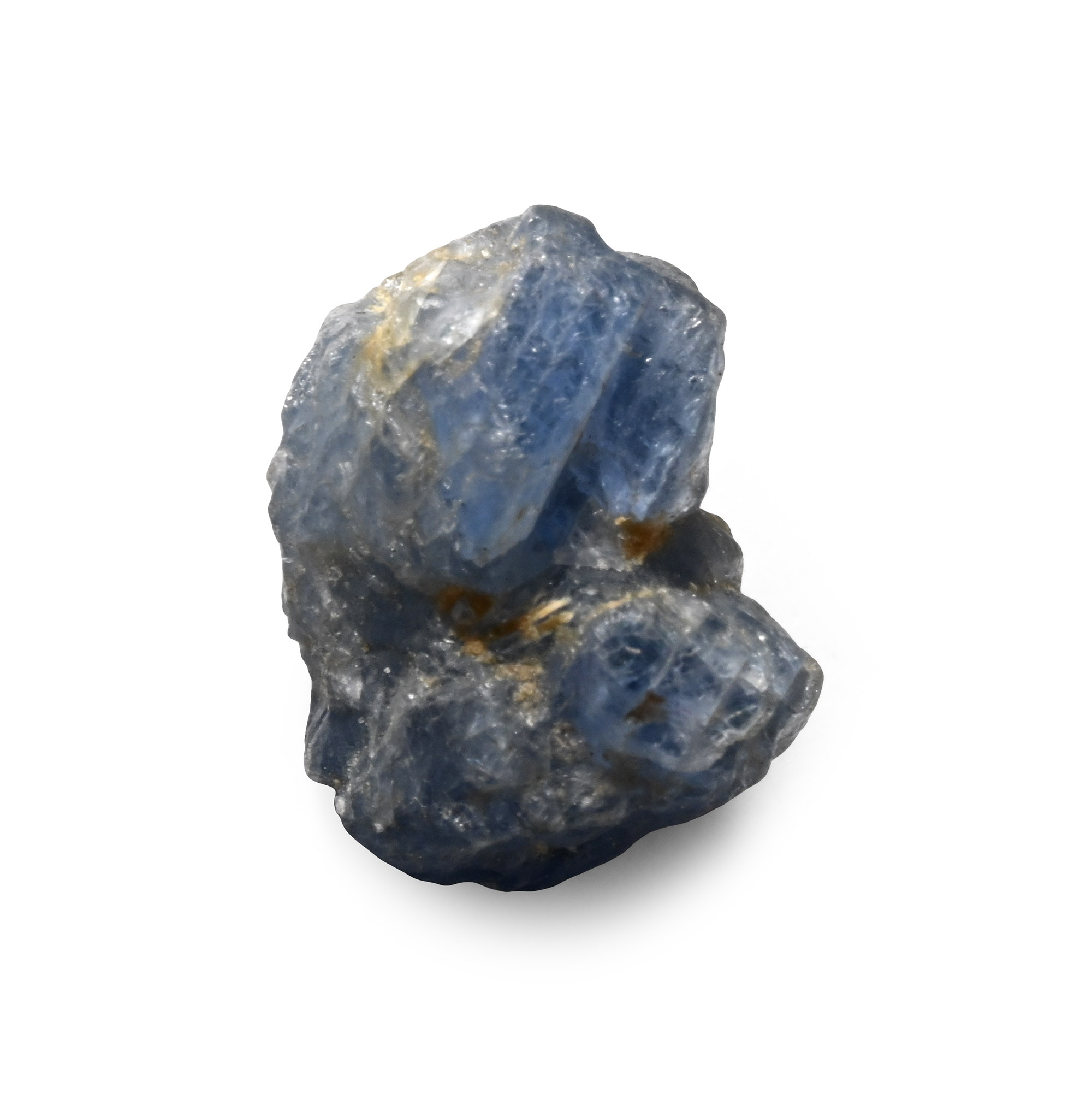
3.95 Carat Rough Natural Sapphire Crystal 3.95 Carat Rough Natural Sapphire Crystal 3.95 Carat Rough Natural Sapphire Crystal
Use mousewheel to zoom in and out, click to enlarge
Details

LOT 2474

3.95 Carat Rough Natural Sapphire Crystal

3/8 in. (0.79 grams, 9 mm).

Opaque dark blue crystal showing lamellar twinning. [No Reserve]

Provenance

Property of an Essex, UK, gentleman.

CONDITION
VETTING:

TimeLine Auctions follows a vetting process to ensure the authenticity and legality of all items, reinforcing our commitment to integrity and responsible trading. Each antiquity, antique, and coin lot undergoes thorough examination by a vetting committee of at least ten external specialists, professional trade association members, scientists, and archaeologists: Our Vetting Process


AUCTIONS:

TimeLine is a leading auction house specialising in antiquities, ancient art, collectables, natural history, coins, medals, and books. Our auctions offer museums, collectors, historians, and enthusiasts the opportunity to acquire unique and historically significant pieces.

LOT 2474

3.95 Carat Rough Natural Sapphire Crystal

Estimate £50 - 70€58 - 81 (for guidance only)$68 - 95 (for guidance only)

Current bid: £10 +BP*
(2 Bids, Reserve met)

Sign in to Bid

Please enter a e-mail
Please enter a password
Or Create Account here.
Please confirm to accept TC and Privacy policy

(2 Bids, Reserve met)   |   Current bid: £10
RELATED LOTS
  • Woolly Rhinoceros Large Upper Jaw Tooth
    Woolly Rhinoceros Large Upper Jaw Tooth
    Devensian Period, circa 110,000-12,000 years B.P.

    Estimate: £40 - 60 (+bp*)

    Opening Bid: £5

    Large size tooth with partial root and dark brown enamel. 210 grams, 96 mm


    Perma frost of Siberia. From a Netherlands collector in the 2020s. From a private collection.

    Lot Details

  • Sericho Meteorite Cross-Section
    Sericho Meteorite Cross-Section
    Circa 4.5 billion years B.P.

    Estimate: £8,000 - 10,000 (+bp*)

    Bids: 2   |   Current Bid: £5,000

    A spectacular polished slice displaying the characteristic crystalline structure of pallasites, with translucent amber-coloured olivine crystals suspended in a shimmering metallic iron-nickel matrix; accompanied by a custom-made display stand. 1.3 kg, 48.5 cm


    Discovered in Isiolo County, Eastern Kenya, 2016. Private collection, USA.

    Comprising 0.2% of all meteorites, pallasites are the rarest and most aesthetic examples and are highly sought after by collectors and museums. This cross-section reveals their mesmerising internal structure, consisting of translucent amber-coloured olivine crystals suspended in a shimmering iron-nickel matrix which has been polished to a mirror finish. Of all known pallasites, Sericho is especially renowned for its high concentration of olivine, often displaying hues of orange, yellow and green when spotlit or in direct sunlight. Cross-sections of this scale and integrity are particularly rare. While prized for their beauty, Sericho meteorites are also notoriously prone to oxidation if not treated correctly. This piece has been carefully prepared, resulting in a stable specimen that retains both its visual clarity and structural integrity.

    Lot Details

  • Large Iridescent Placenticeras Ammonite from Alberta
    Large Iridescent Placenticeras Ammonite from Alberta
    Bear Paw Formation, Upper Cretaceous Period, circa 76-73 million years B.P.

    Estimate: £4,500 - 6,500 (+bp*)

    Bids: 2   |   Current Bid: £2,500

    Placenticeras costatum with gem quality fossilised shell with some visible suture lines, conserved and stabilised with natural polish and acrylic lacquer, with excellent iridescence showing red, green, orange and gold colours. 952 grams, 26 cm


    Found St Mary River Valley, Lethbridge Mining District, Alberta, Canada. Property of a Bristol, UK, gentleman collector. Accompanied by a certificate of authenticity, exportable under Moveable Cultural Property Permit no.7021-25-12-22-0102.

    The striking iridescence of these ammonites from Alberta, Canada, termed 'ammolite', was given the status of a gemstone by CIBJO in 1981. An iridescent opal-like play of colour is shown in fine specimens, and is caused by the microstructure of aragonite, the same mineral contained in pearls and nacre. The thicker the structural layers, the more reds and greens are produced; the thinner the layers, the more blues and violets predominate. The ammonites are a group of molluscs that lived in the seas from the mid-Devonian (approximately 400 million years ago) to the end of the Cretaceous (65 million years ago). The sequence of events that famously killed off the dinosaurs also drove the ammonites to extinction.

    Lot Details