
Loading, please wait...
LOT 1139
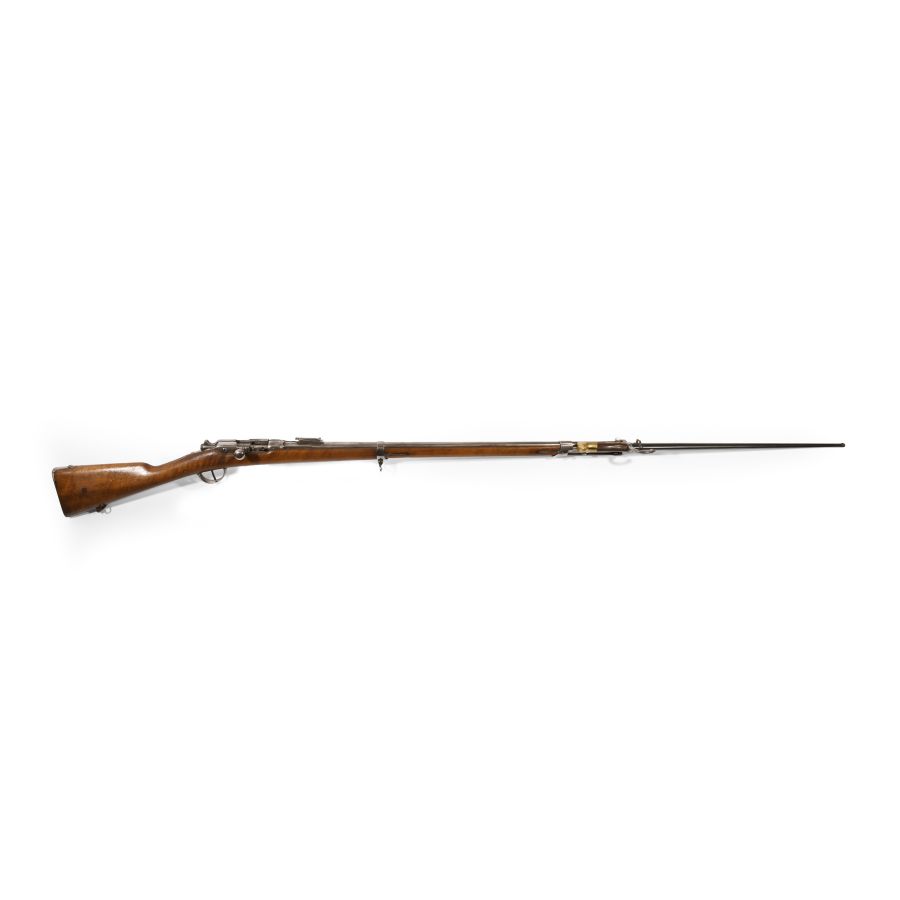
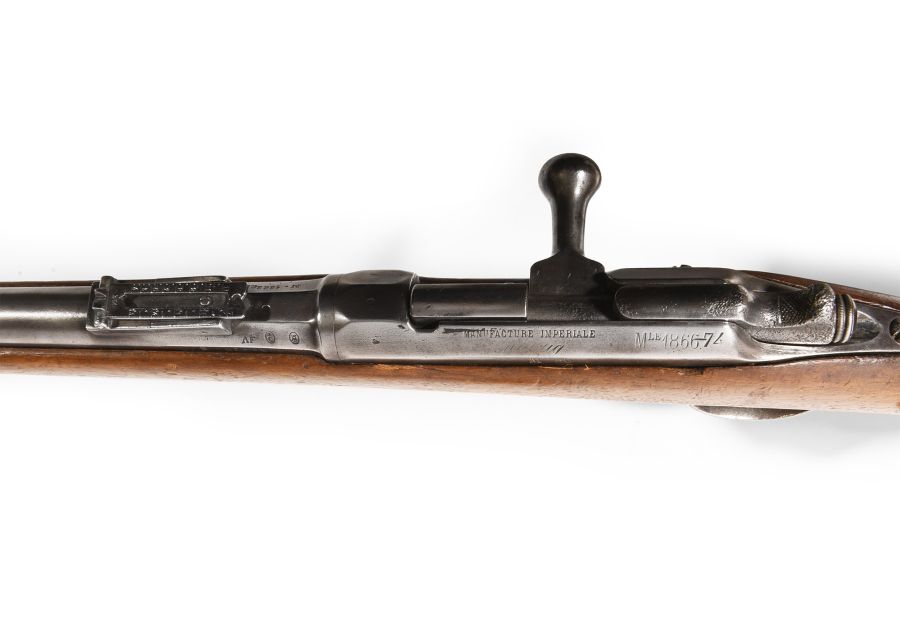
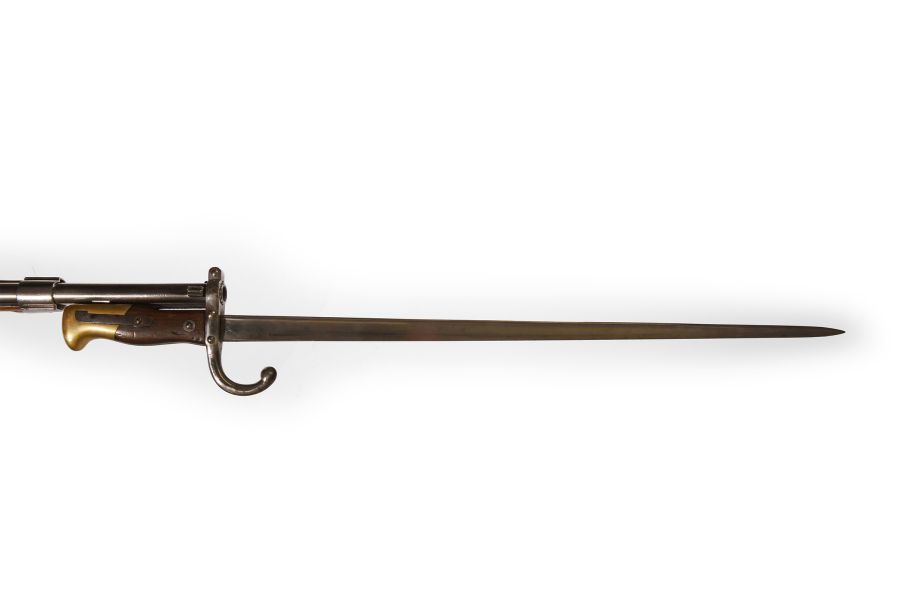
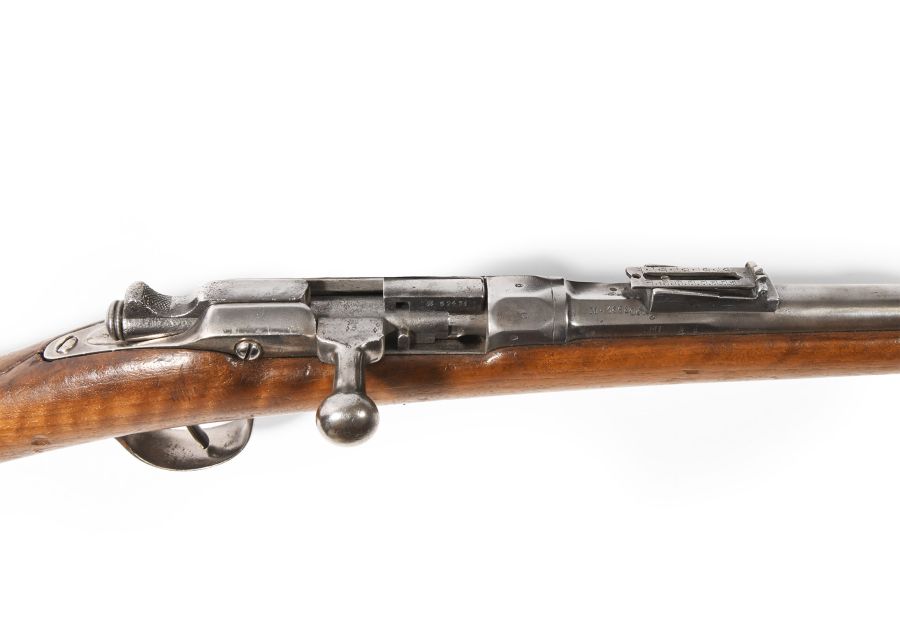
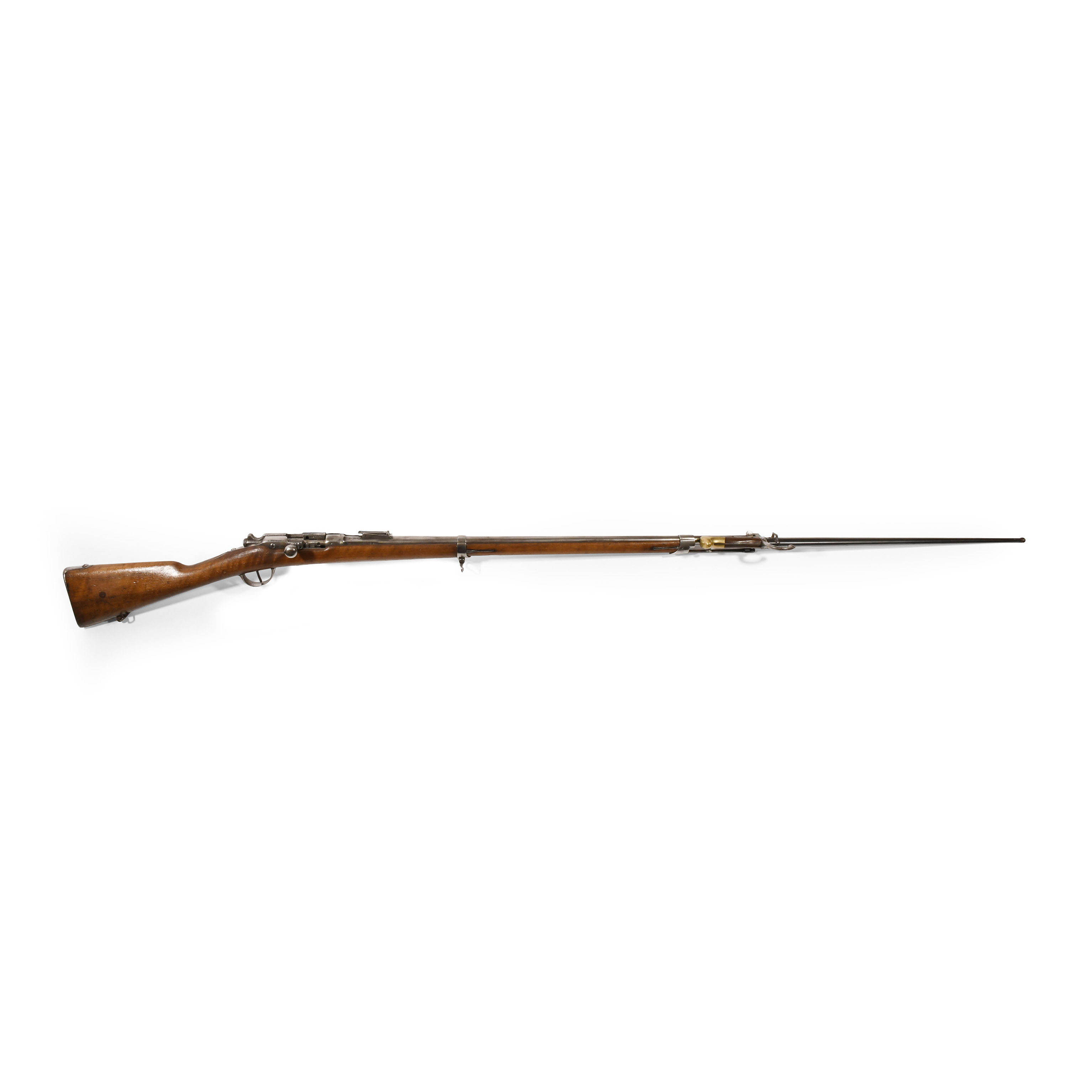
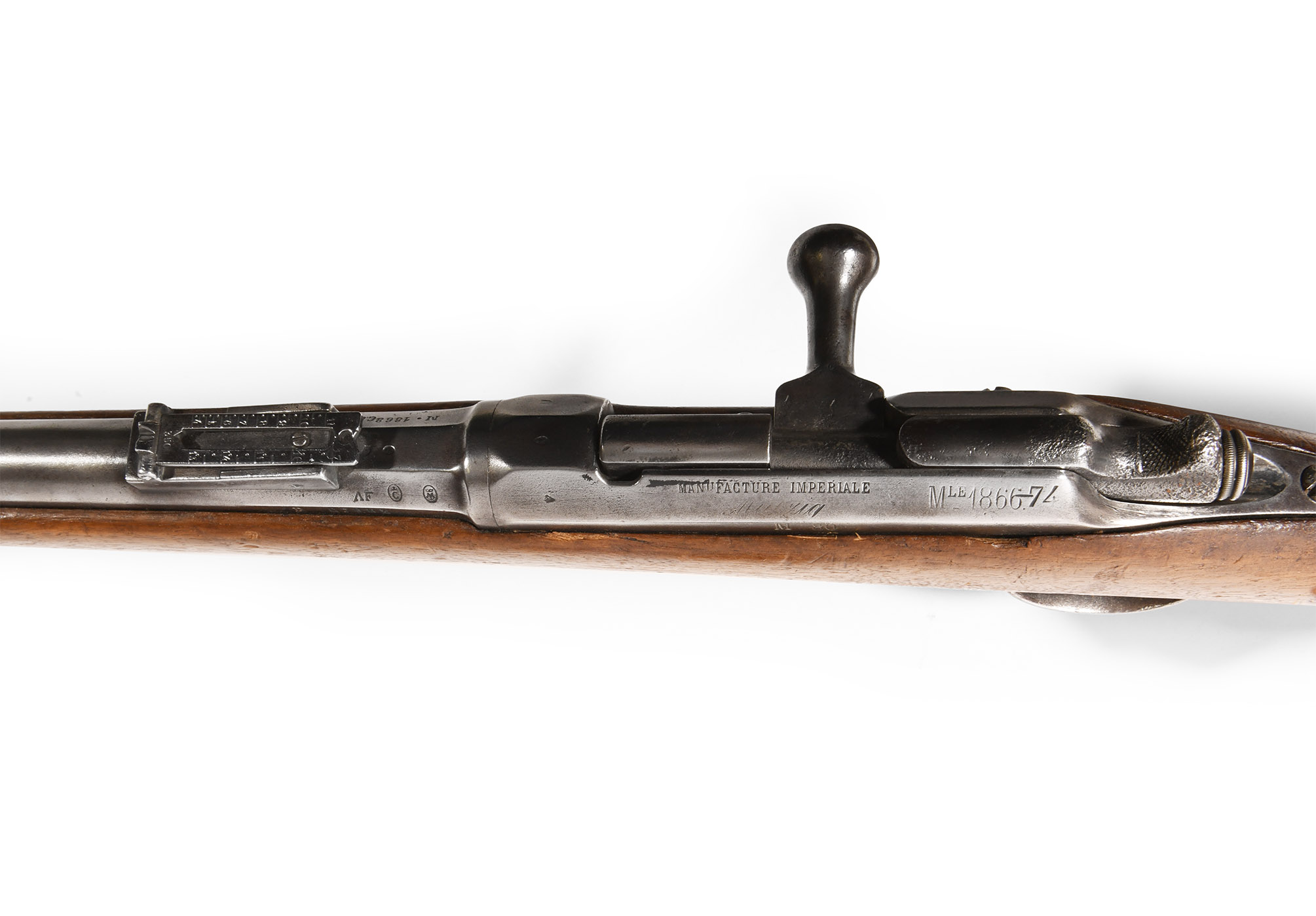
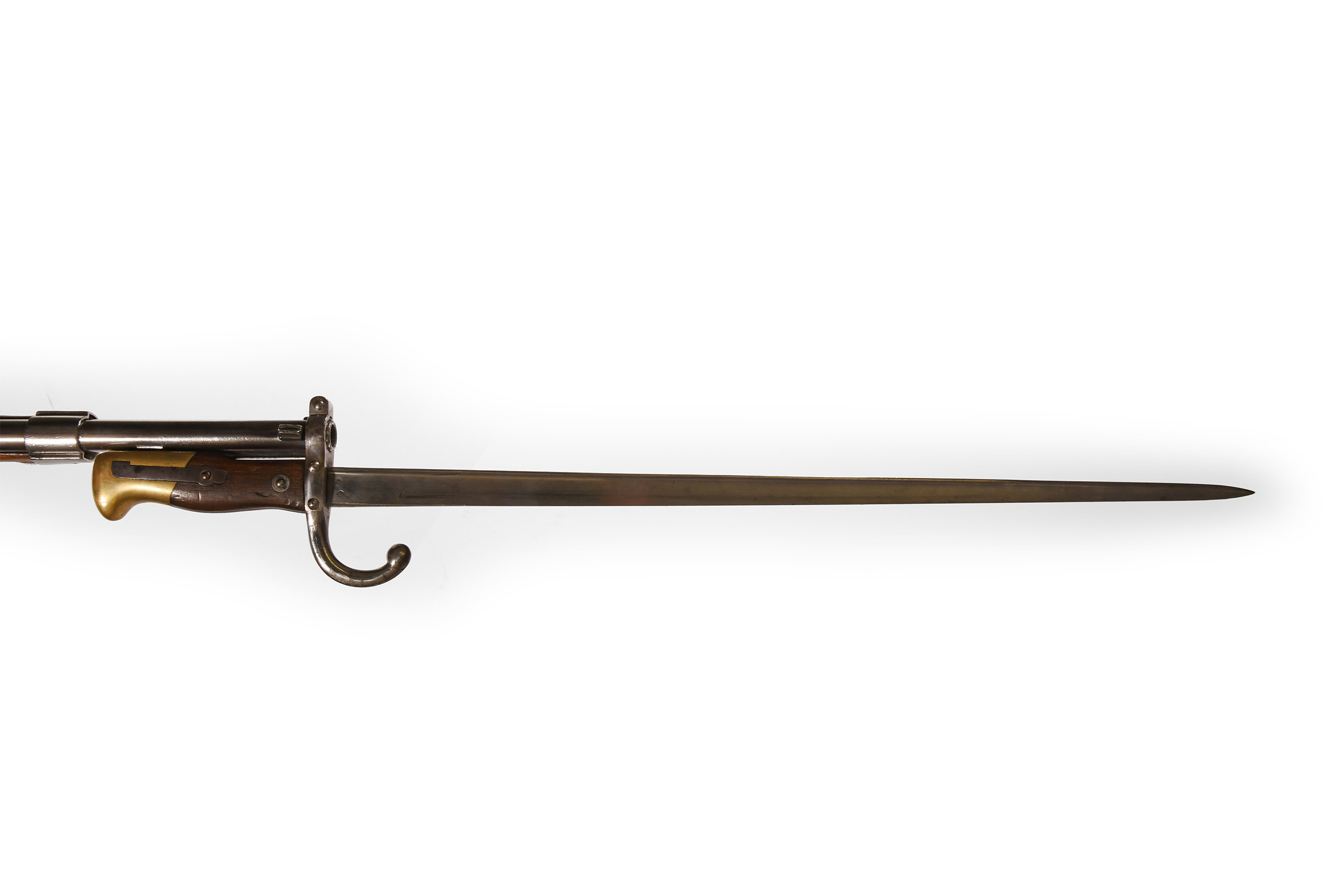
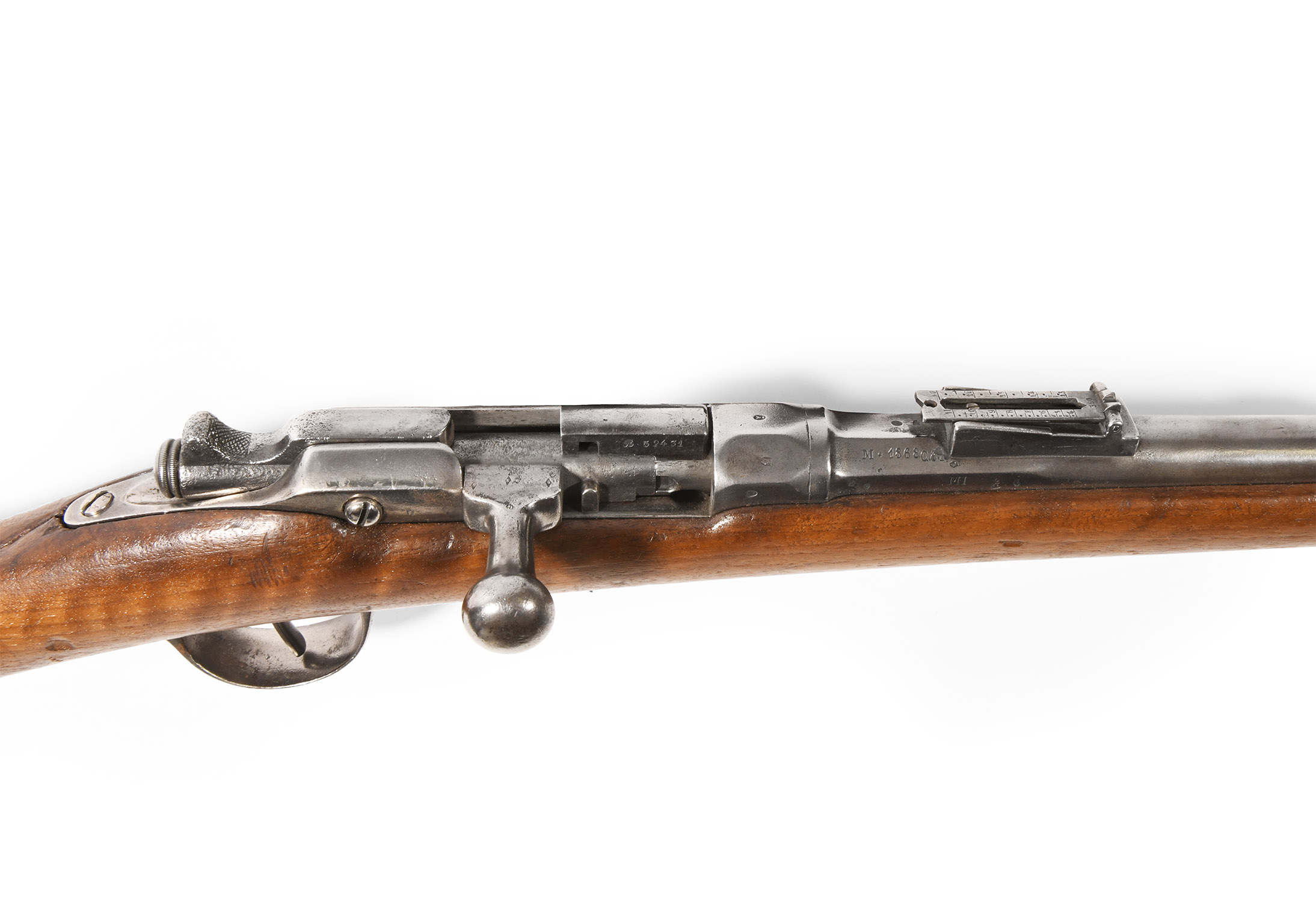
1866/74 Model Gras Rifle and Bayonet
DATED 1868 A.D.
72 1/2 in. (4.8 kg, 1.84 m).
Round rifled 90cm (35½") barrel of 11mm calibre with folding rear sight (without slide), bolt action with serial no.52431 to breech; fitted with full wood stock with steel butt cap, trigger guard, sling swivels and fore-end, steel cleaning rod; with correct Gras bayonet inscribed 'M[--] d'Armes de St Etienne 8bre 1878' to back and steel scabbard.
ProvenanceAcquired from Czerny's Auctions, Italy, 2019.
The Kusmirek Collection, UK.
Accompanied by a copy of Czerny's invoice and listing.
Sold as an exempt item under Section 58 (2) of the Firearms Act, 1968, to be held as a curiosity or ornament. No license required but buyer must be over 18 years of age. Overseas bidders should note that, due to UK regulations governing export of all firearms, overseas buyers will need to make arrangements for shipping this lot out of the UK directly, by air freight, with a specialist company or agent.
CONDITIONTimeLine Auctions follows a vetting process to ensure the authenticity and legality of all items, reinforcing our commitment to integrity and responsible trading. Each antiquity, antique, and coin lot undergoes thorough examination by a vetting committee of at least ten external specialists, professional trade association members, scientists, and archaeologists: Our Vetting Process
AUCTIONS:
TimeLine is a leading auction house specialising in antiquities, ancient art, collectables, natural history, coins, medals, and books. Our auctions offer museums, collectors, historians, and enthusiasts the opportunity to acquire unique and historically significant pieces.
LOT 1139
1866/74 Model Gras Rifle and Bayonet
Estimate £500 - 700€580 - 810 (for guidance only)$680 - 950 (for guidance only)
-
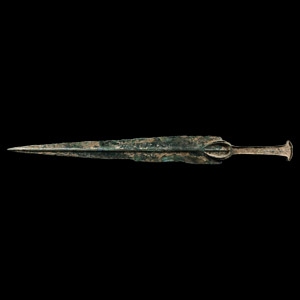
Marlik Bronze Sword
14th-10th century B.C.Sold for (Inc. bp): £416
With a slender triangular blade, raised midrib, penannular guard and scooped shoulders, columnar grip with two gusseted hoops, crescent pommel. 265 grams, 46 cm
Acquired 1980-2015. Ex Abelita family collection.
This short sword or dagger belongs to the category of blades with pennanular guard, with hilt and guard cast in one piece with the grip. Negahban excavated similar weapons from the Marlik cemeteries. Often this type combines grip and penannular guard with flanged hilts open to accept inlays. -
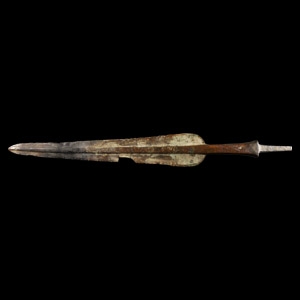
Amlash Tanged Spearhead
12th century B.C.Estimate: £150 - 200 (+bp*)
Opening Bid: £83
Composed of a tapering leaf-shaped blade with raised midrib, splayed neck and tapering tang. 637 grams, 49 cm
Acquired on the London art market, prior to 1980s. The Kusmirek Collection, UK.
The weapon belongs to the type 1 of the Khorasani spearhead classification, mainly from Marlik or Amlash areas. Similar pieces have been dated by Stutzinger to 1200-1100 B.C. -
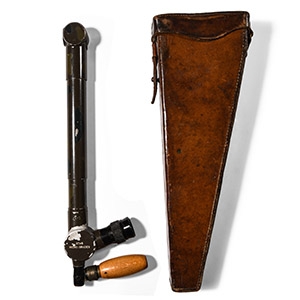
French WWII Trench Periscope
1940s A.D.Sold for (Inc. bp): £137
Aluminium rotating bodied vertical trench periscope with camouflage finish, marked 'GT=6 / MICRO:GRADES' to one side and M.G. / No.34185' to other, fitted with hinged wood handle; including original leather case with loops for belt/webbing. 1.36 kg, 40 cm
The Kusmirek Collection, UK.
