
Ancient Art, Antiquities, Books, Natural History, Stamps & Coins

-
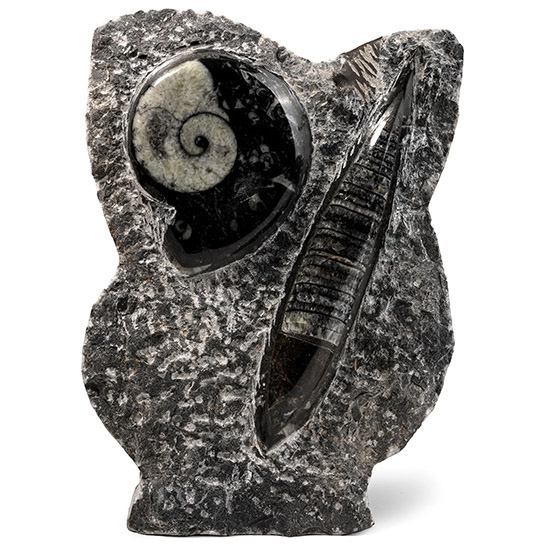
Fossil Goniatite and Orthoceras Display
Upper Devonian Period, circa 385-359 million years B.P.Estimate: £40 - 60 (+bp*)
Opening Bid: £5
A freestanding textured matrix set with a Goniatite and an Orthoceras. 1.03 kg, 18 cm
Ex Cambridgeshire, UK, collection. -
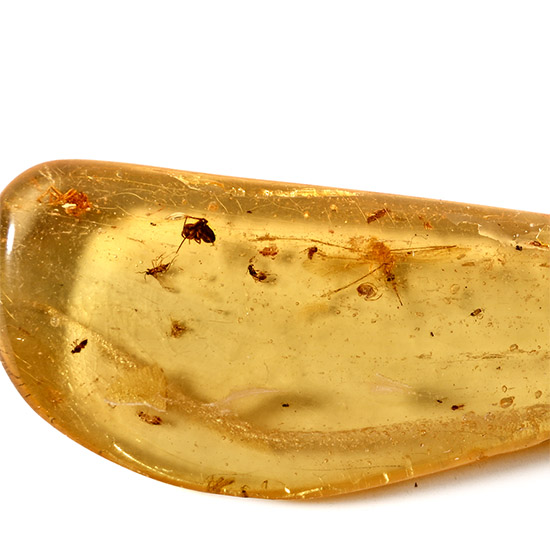
Polished Copal with Insect Inclusions
Carboniferous Period, circa 3 million years B.P.Estimate: £30 - 40 (+bp*)
Opening Bid: £5
Transparent light yellow specimen with several insects and other inclusions. 6.76 grams, 84 mm
From a Lincolnshire, UK, collection. -
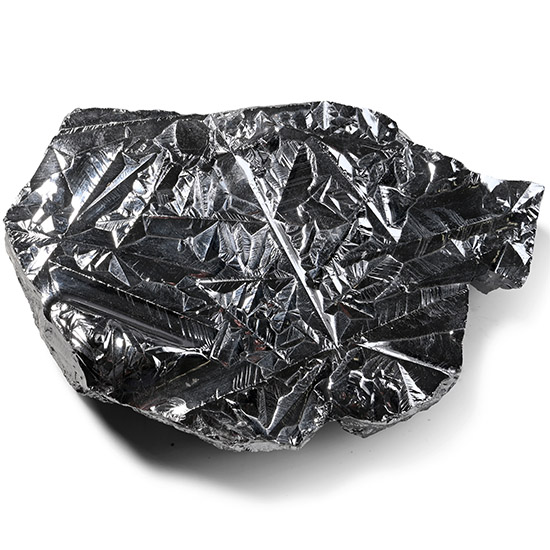
Large Silicon Mineral Specimen
Estimate: £40 - 60 (+bp*)
Opening Bid: £5
Thick specimen of silicon displaying bright metallic lustre and stepped growth features and symmetrical lines formed during crystallisation. 827 grams, 14.7 cm
Acquired on the UK fossil and mineral market. Property of a West Sussex, UK, gentleman. -
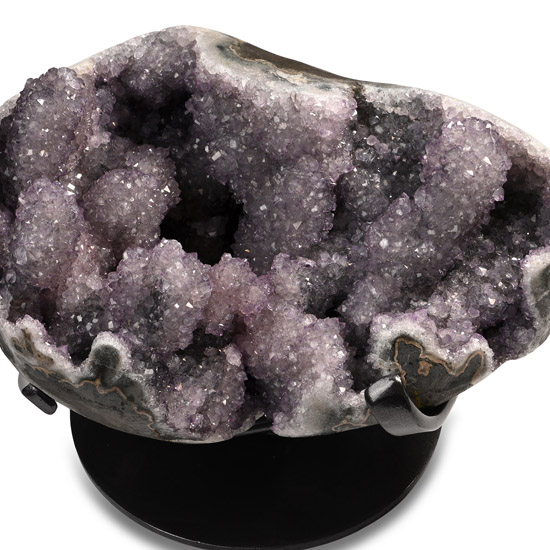
Mounted Amethyst Crystal Display
Estimate: £700 - 900 (+bp*)
Opening Bid: £360
A polished, rounded geode section with rising formations of light purple amethyst crystals to the internal cavity; mounted on a custom-made display stand. 3.31 kg total, 19.5 cm wide including stand
From Artigas, Uruguay. Property of a London lady. -
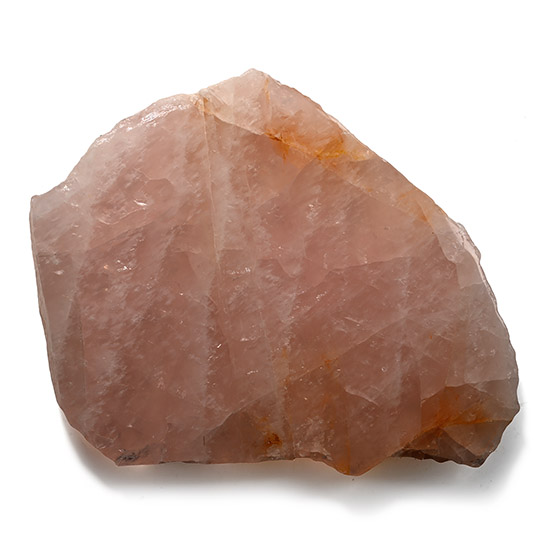
Rose Quartz Mineral Display Slice
Estimate: £60 - 80 (+bp*)
Opening Bid: £5
Irregular flat slice displaying colour variations from off-white to rich amber. 2.13 kg, 27.5 cm
From Brazil. Property of a Bristol, UK, gentleman collector. -
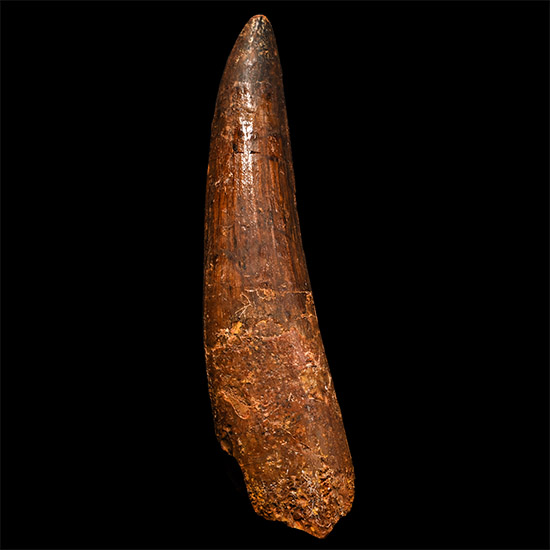
Spinosaurus Dinosaur Fossil Tooth
Cretaceous Period, circa 125-113 million years B.P.Estimate: £40 - 60 (+bp*)
Opening Bid: £5
Long, gently curving tooth showing dark brown patina, repaired. 30 grams, 88 mm
From a Lincolnshire, UK, collection. -
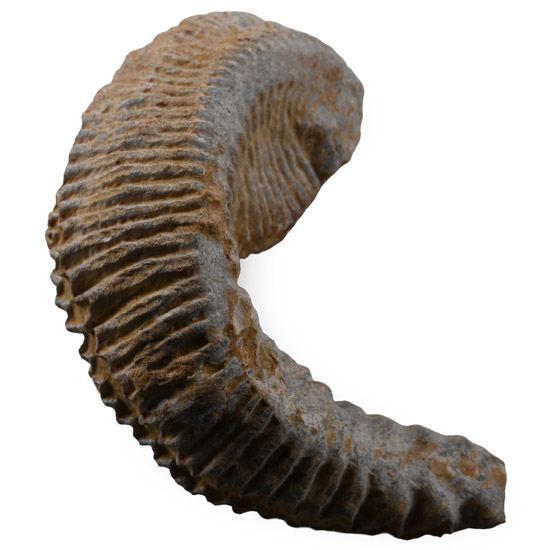
Rastellum Bivalve Fossil
Cretaceous Period, circa 125-113 million years B.P.Estimate: £20 - 30 (+bp*)
Opening Bid: £5
'Devil's toe nail' fossil showing characteristic ribbing and curved profile. 82.7 grams, 74 mm
From Madagascar. From a UK collection formed in the 1980s. Property of an Essex, UK, gentleman. -
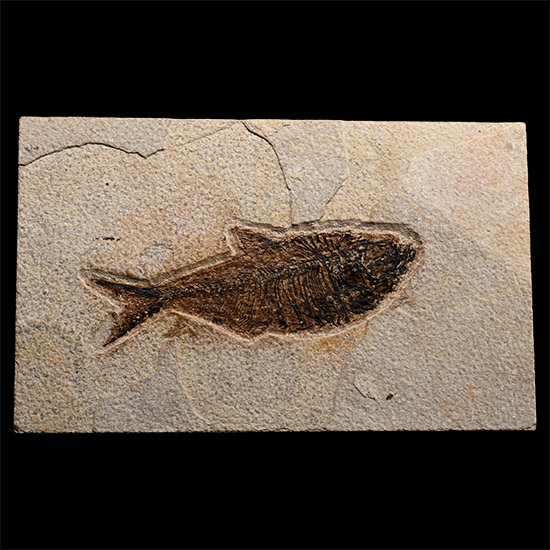
North American Diplomystus Fossil Fish
Eocene Period, 58-36 million years B.P.Estimate: £40 - 60 (+bp*)
Opening Bid: £5
Rectangular matrix with a Diplomystus sp. showing good rib detail. 625 grams, 19.7 cm
From Green River formation, Wyoming, USA. From a Lincolnshire, UK, collection.
In southwest Wyoming (and parts of Colorado and Utah), in the Green River Formation, are found some of the world's most outstanding specimens of fossil fish. The Green River system was composed of three lakes: Lake Uinta, Lake Gosiute and Fossil Lake. These Eocene lakes lay in a series of intermountain basins formed by geological events that uplifted the Rocky Mountains during the early Tertiary period. The climate was much different from the desert-like climate of this area today. Both the fauna (crocodiles, alligators, boa constrictors and some subtropical fish families) and the flora (such as large palm trees) indicate a climate much like that found along the Gulf Coast today. Large amounts of ash found in the sediments indicate that volcanoes were particularly active at this time. -
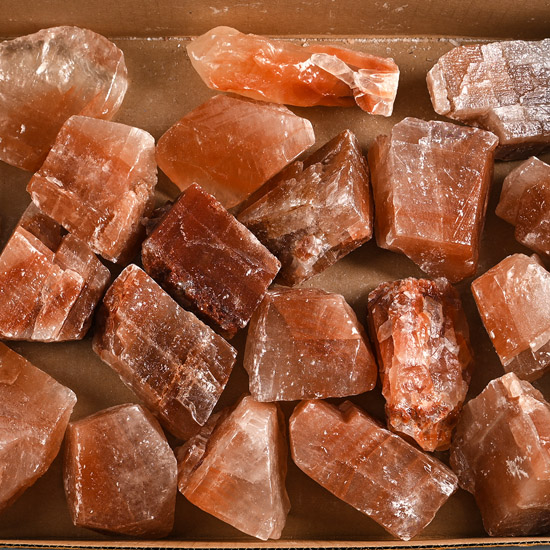
Group of Twenty [20] Large Pink-Orange Calcite Mineral Specimens
Estimate: £30 - 40 (+bp*)
Opening Bid: £5
Boxed group of irregular specimens showing vitreous lustre. 5.01 kg total including box, 6.2-11.1 cm
From Mexico. Ex Mineral Imports, London, UK. Gregory, Bottley & Lloyd (Gregory's), Harwich, UK. -
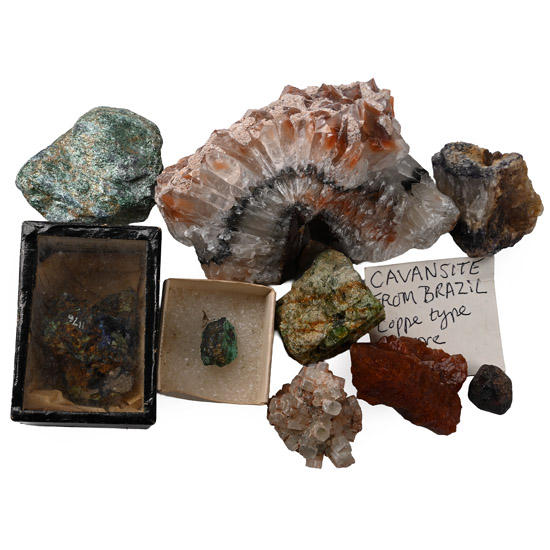
Mineral and Crystal Specimen Collection
Estimate: £50 - 70 (+bp*)
Opening Bid: £5
Comprising: garnet, malachite from Chuquicamata, Chile; azurite from Durango with an inked collection number '1176', brown calcite, 'sputnik' aragonite, and others. 655 grams total, 1.8-10.6 mm
From the collection of Mr Carlos Bahamonde, Manchester, UK. -
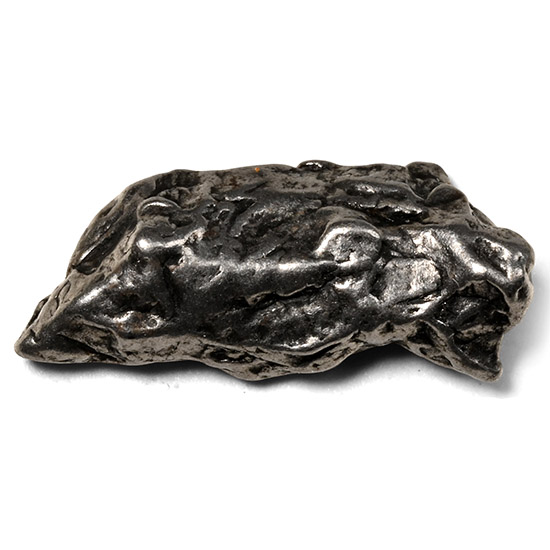
Campo Del Cielo Iron Meteorite
Fell 6000-5000 years B.P.Estimate: £30 - 40 (+bp*)
Bids: 1 | Current Bid: £5
Comprising an elongated iron (IAB) meteorite. 1.67 grams, 15 mm
From Chaco Province, Argentina, the fall was discovered in 1576. Previously in a private collection formed in the 2000s. Acquired at auction in the UK. Property of a West Sussex, UK, gentleman.
A crater field of roughly 26 craters was found in the vicinity of this crater, which is estimated to date to 4-5 thousand years BP. The age of the meteorite itself is thought to be c.4.5 billion years, formed as part of the development of this solar system. The largest two fragments, the 30.8 ton Gancedo and 28.8 ton El Chaco, are among the heaviest meteorite masses ever recovered on Earth. In 1576, the governor of a province in Northern Argentina commissioned the military to search for a large mass of iron, which it was believed the local people claimed had fallen from the sky and which they used for their weapon production. The expedition discovered a large mass of metal which was assumed to be an iron mine and brought back a few samples, which were described as being of unusual purity. Following the legends, in 1774 Don Bartolomé Francisco de Maguna rediscovered the iron mass. He himself did not believe that the stone had fallen from the sky and assumed that it had formed by a volcanic eruption. However, he sent the samples to the Royal Society of London. In 1990, it became protected by law. -
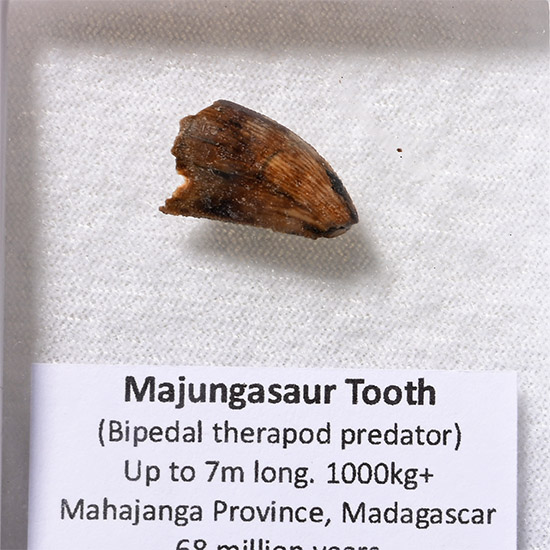
Majungasaur Predator Dinosaur Fossil Tooth
Cretaceous Period, circa 68 million years B.P.Estimate: £40 - 60 (+bp*)
Opening Bid: £5
Fragment of a Majungasaur tooth mounted in a plastic container with acetate lid; explanatory label. 45 grams total including case, tooth: 19 mm
From Madagascar. Property of a Bristol, UK, gentleman collector.
The Majungasaur was a bi-pedal therapod predator, up to 7 meters long, weighing around 1,000 kg.
