
Ancient Art, Antiquities, Books, Natural History, Stamps & Coins

-
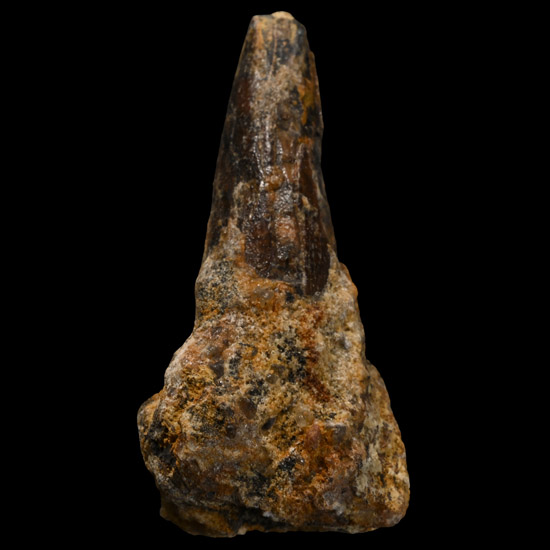
Carcharodontosaurus North African 'T-Rex' Fossil Dinosaur Tooth
Cretaceous Period, circa 110 million years B.P.Estimate: £40 - 60 (+bp*)
Opening Bid: £5
From Carcharodontosaurus saharicus with small remains of the jawbone. 24.9 grams, 54 mm
Acquired on the UK art market. Property of an Essex, UK, gentleman.
The Carcharodontosaurus saharicus was one of the largest predators (larger than its distant North American T-Rex cousin) of all time and is also related to Allosaurus and the South American Giganotosaurus. -
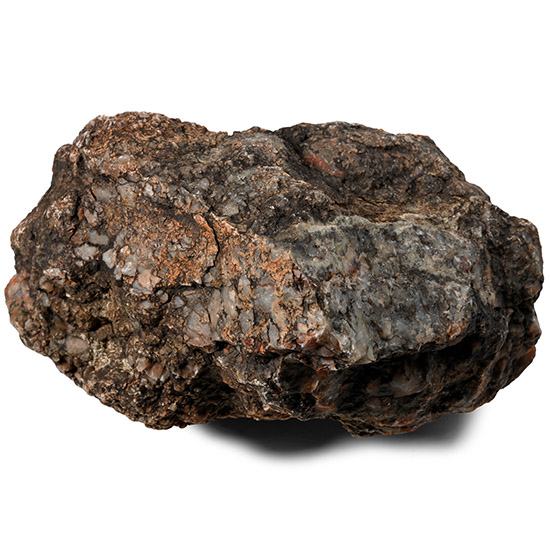
Sauropod Agatised Dinosaur Cuprolite
Middle Jurassic Period, circa 140 million years B.P.Estimate: £30 - 40 (+bp*)
Opening Bid: £5
Fossilised faeces from a sauropod. 2.7 kg, 18 cm
From The Morrison Formation, Utah, USA. Property of a Bristol, UK, gentleman collector. -
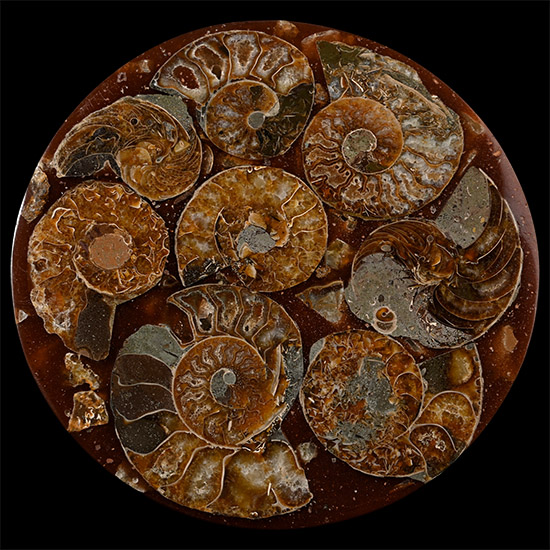
Polished Fossil Ammonite Coaster
Jurassic Period, circa 199-145 million years B.P.Estimate: £30 - 40 (+bp*)
Opening Bid: £5
A circular composite plate composed of overlapping Cleoniceras sp. ammonites. 148 grams, 12 cm
From a Lincolnshire, UK, collection. -
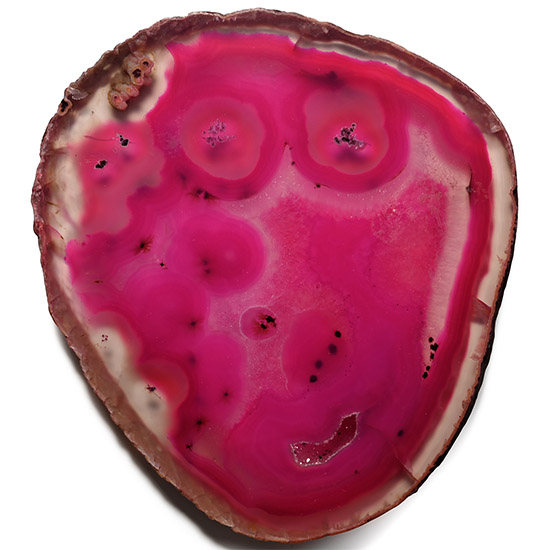
Pink 'Pirate with Parrot on Shoulder' Agate Slice
Estimate: £40 - 60 (+bp*)
Opening Bid: £5
Polished and dyed slice with a fanciful image of a pirate and his parrot, viewable from both sides. 83 grams, 97 mm
From Brazil. Property of a Bristol, UK, gentleman collector. -
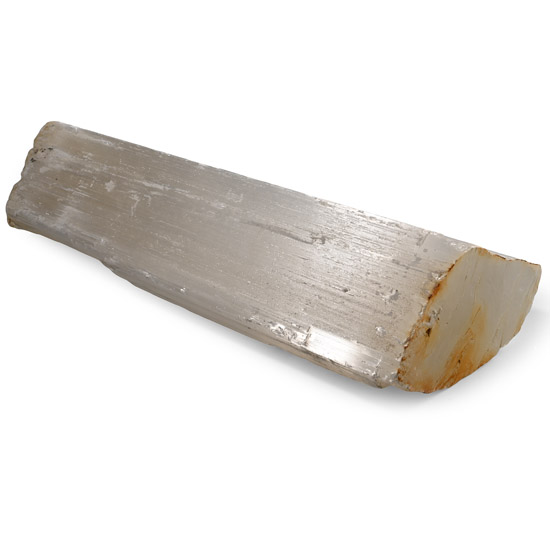
Massive Selenite Column Mineral Specimen
Estimate: £25 - 35 (+bp*)
Opening Bid: £5
Vertical bar with vitreous lustre. 4.89 kg, 37.4 cm
From Morocco, North Africa. Property of a Bristol, UK, gentleman collector. -
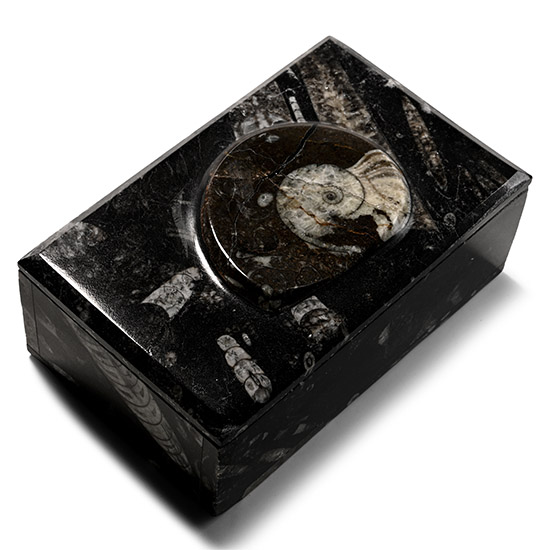
Fossil Goniatite Polished Rectangular Trinket Box
Upper Devonian Period, circa 385-359 million years B.P.Estimate: £30 - 40 (+bp*)
Opening Bid: £5
Rectangular lidded box carved from fossiliferous stone with Orthoceras fossils, a goniatite set on the lid. 664 grams, 12.8 x 8 cm
Ex Cambridgeshire, UK, collection. -
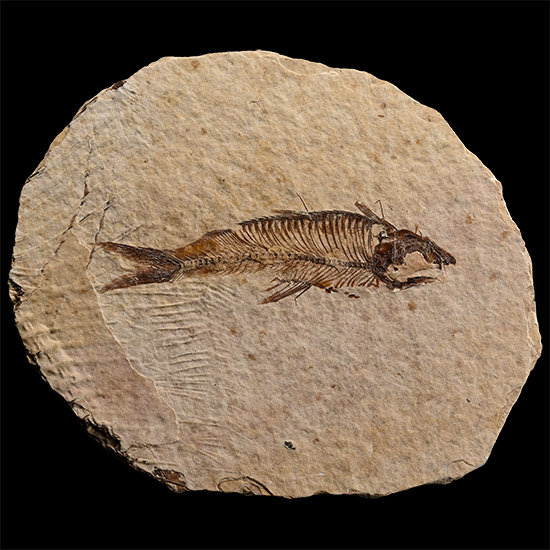
North American Knightia Fossil Fish
Eocene Period, 58-36 million years B.P.Estimate: £30 - 40 (+bp*)
Opening Bid: £5
Oval matrix with a Knightia alta specimen. 57 grams, 92 mm
From Green River formation, Wyoming, USA. From a Lincolnshire, UK, collection.
In southwest Wyoming (and parts of Colorado and Utah), in the Green River Formation, are found some of the world's most outstanding specimens of fossil fish. The Green River system was composed of three lakes: Lake Uinta, Lake Gosiute and Fossil Lake. These Eocene lakes lay in a series of intermountain basins formed by geological events that uplifted the Rocky Mountains during the early Tertiary period. The climate was much different from the desert-like climate of this area today. Both the fauna (crocodiles, alligators, boa constrictors and some subtropical fish families) and the flora (such as large palm trees) indicate a climate much like that found along the Gulf Coast today. Large amounts of ash found in the sediments indicate that volcanoes were particularly active at this time. -
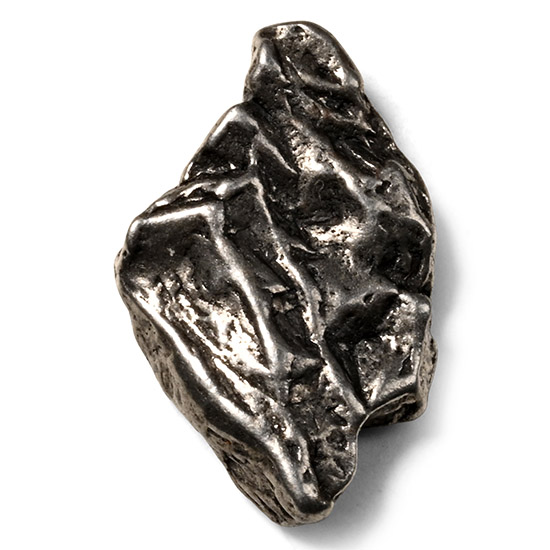
Campo Del Cielo Iron Meteorite
Fell 6000-5000 years B.P.Estimate: £30 - 40 (+bp*)
Opening Bid: £5
Comprising an irregular specimen of an iron (IAB) meteorite. 1.31 grams, 15 mm
From Chaco Province, Argentina, the fall was discovered in 1576. Previously in a private collection formed in the 2000s. Acquired at auction in the UK. Property of a West Sussex, UK, gentleman.
A crater field of roughly 26 craters was found in the vicinity of this crater, which is estimated to date to 4-5 thousand years BP. The age of the meteorite itself is thought to be c.4.5 billion years, formed as part of the development of this solar system. The largest two fragments, the 30.8 ton Gancedo and 28.8 ton El Chaco, are among the heaviest meteorite masses ever recovered on Earth. In 1576, the governor of a province in Northern Argentina commissioned the military to search for a large mass of iron, which it was believed the local people claimed had fallen from the sky and which they used for their weapon production. The expedition discovered a large mass of metal which was assumed to be an iron mine and brought back a few samples, which were described as being of unusual purity. Following the legends, in 1774 Don Bartolomé Francisco de Maguna rediscovered the iron mass. He himself did not believe that the stone had fallen from the sky and assumed that it had formed by a volcanic eruption. However, he sent the samples to the Royal Society of London. In 1990, it became protected by law. -
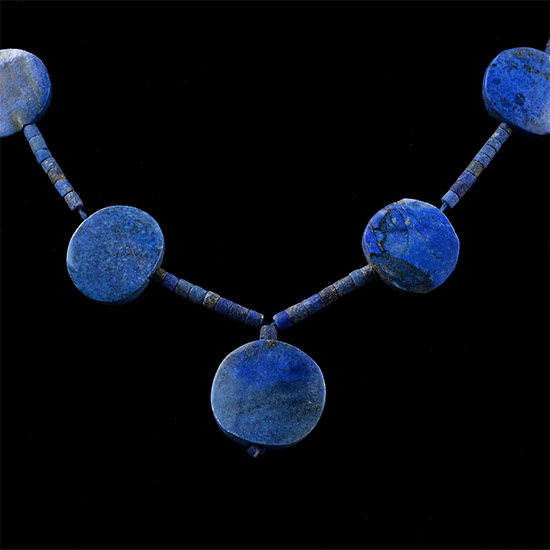
Lapis Lazuli Bead Necklace String
20th century A.D.Estimate: £50 - 70 (+bp*)
Opening Bid: £5
Composed of tubular and coin-shaped beads, restrung. 37.3 grams, 32.5 cm
Ex West London, UK, collection, 1990s. -
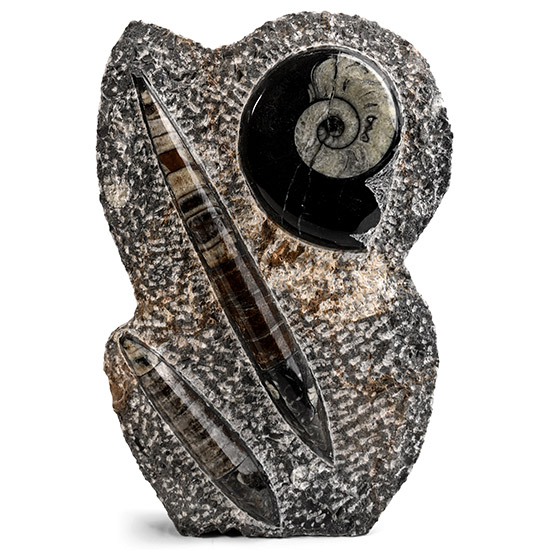
Fossil Goniatite and Orthoceras Display
Upper Devonian Period, circa 385-359 million years B.P.Estimate: £50 - 70 (+bp*)
Opening Bid: £5
A freestanding textured matrix set with a Goniatite and two Orthoceras. 1.9 kg, 26 cm
Ex Cambridgeshire, UK, collection. -
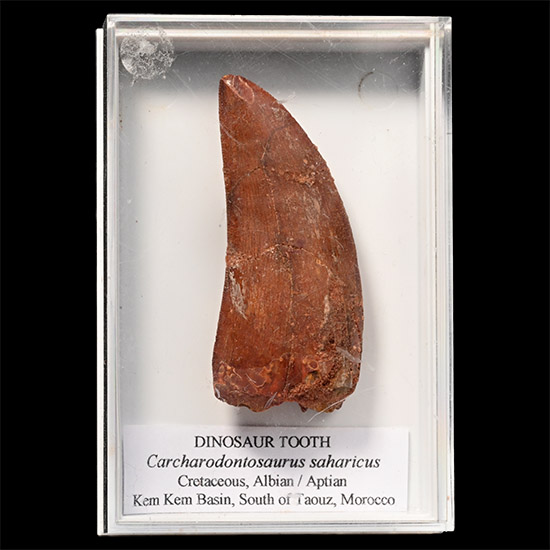
Fossil North African 'T-Rex' Dinosaur Tooth
Cretaceous Period, circa 110 million years B.P.Estimate: £50 - 70 (+bp*)
Bids: 1 | Current Bid: £5
From Carcharodontosaurus saharicus, one of the largest known theropods, with good serrations; restored, supplied in a plastic display case. 37.3 grams total, tooth: 52 mm (79 x 54 mm including case)
Acquired at auction in the UK. Property of a West Sussex, UK, gentleman.
The Carcharodontosaurus saharicus was one of the largest predators (larger than its distant North American T-Rex cousin) of all time and is also related to Allosaurus and the South American Giganotosaurus. -
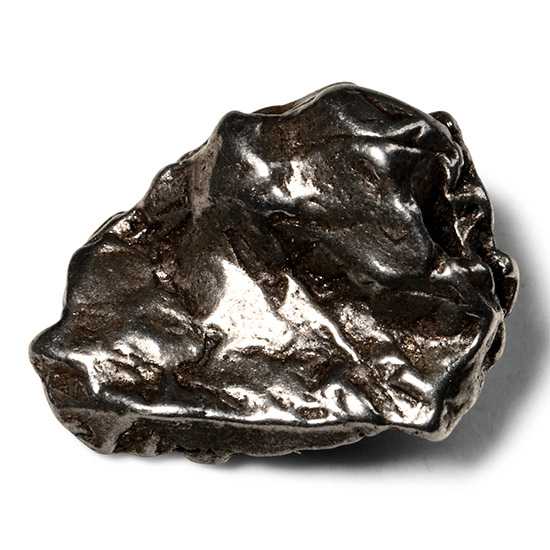
Campo Del Cielo Iron Meteorite
Fell 6000-5000 years B.P.Estimate: £30 - 40 (+bp*)
Opening Bid: £5
Comprising an iron (IAB) meteorite. 1.92 grams, 12 mm
From Chaco Province, Argentina, the fall was discovered in 1576. Previously in a private collection formed in the 2000s. Acquired at auction in the UK. Property of a West Sussex, UK, gentleman.
A crater field of roughly 26 craters was found in the vicinity of this crater, which is estimated to date to 4-5 thousand years BP. The age of the meteorite itself is thought to be c.4.5 billion years, formed as part of the development of this solar system. The largest two fragments, the 30.8 ton Gancedo and 28.8 ton El Chaco, are among the heaviest meteorite masses ever recovered on Earth. In 1576, the governor of a province in Northern Argentina commissioned the military to search for a large mass of iron, which it was believed the local people claimed had fallen from the sky and which they used for their weapon production. The expedition discovered a large mass of metal which was assumed to be an iron mine and brought back a few samples, which were described as being of unusual purity. Following the legends, in 1774 Don Bartolomé Francisco de Maguna rediscovered the iron mass. He himself did not believe that the stone had fallen from the sky and assumed that it had formed by a volcanic eruption. However, he sent the samples to the Royal Society of London. In 1990, it became protected by law.
