
Ancient Art, Antiquities, Books, Natural History, Stamps & Coins

-
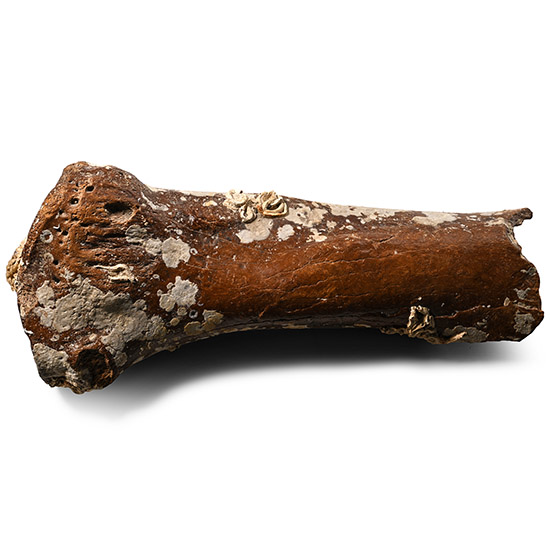
Large Woolly Mammoth Leg Bone
Devensian, circa 110,000-12,000 B.P.Estimate: £50 - 70 (+bp*)
Opening Bid: £5
Large portion of a leg bone of a woolly mammoth Mammuthus primigenius, with signs of sea encrustations. 1.36 kg, 29.5 cm
From Doggerland, the now-disappeared land bridge between the UK. Dredged from the North Sea. Property of an Essex, UK, gentleman. -
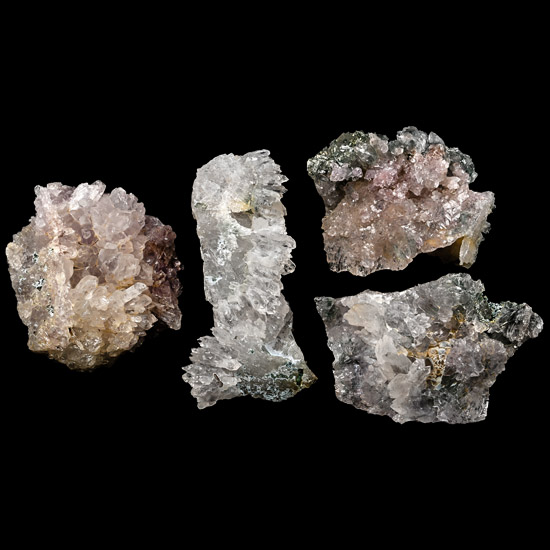
Group of Four [4] Flower Quartz Display Specimens
Estimate: £30 - 40 (+bp*)
Opening Bid: £5
Comprising four matrix sections with flower-like formations of quartz. 762 grams total, 9.3-12.6 cm
From Brazil. Ex Mineral Imports, London, UK. Gregory, Bottley & Lloyd (Gregory's), Harwich, UK. -
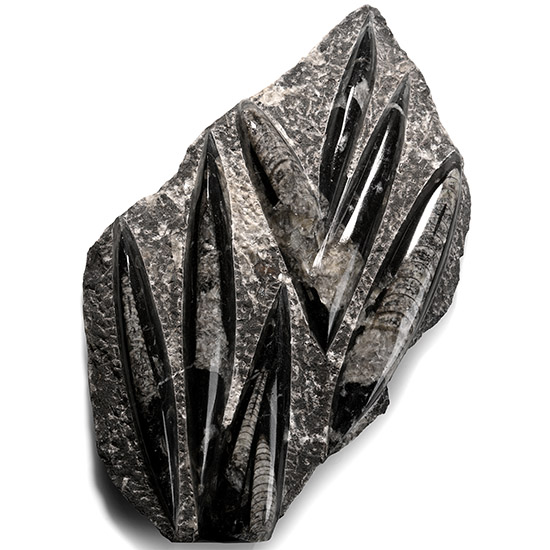
Fossil Orthoceras Plaque
Upper Devonian Period, circa 385-359 million years B.P.Estimate: £50 - 70 (+bp*)
Opening Bid: £5
A textured matrix set with polished Orthoceras specimens. 2.68 kg, 32 cm
Ex Cambridgeshire, UK, collection. -
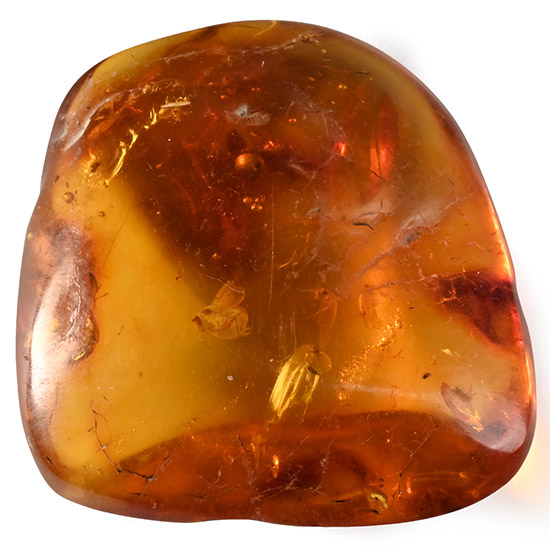
Polished Amber with Insect Inclusion
Oligocene Period, circa 45 million years B.P.Estimate: £30 - 40 (+bp*)
Opening Bid: £5
Transparent dark orange specimen with an insect inclusion. 2.08 grams, 22 mm
From a Lincolnshire, UK, collection. -
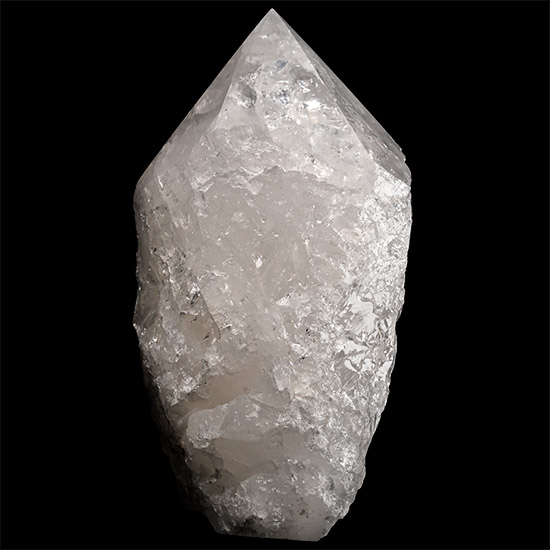
Large Quartz Crystal Point Display Specimen
Estimate: £50 - 70 (+bp*)
Opening Bid: £5
Polished translucent pyramidal point with six sides. 1.7 kg, 17.1 cm
From Brazil. Property of a Bristol, UK, gentleman collector. -
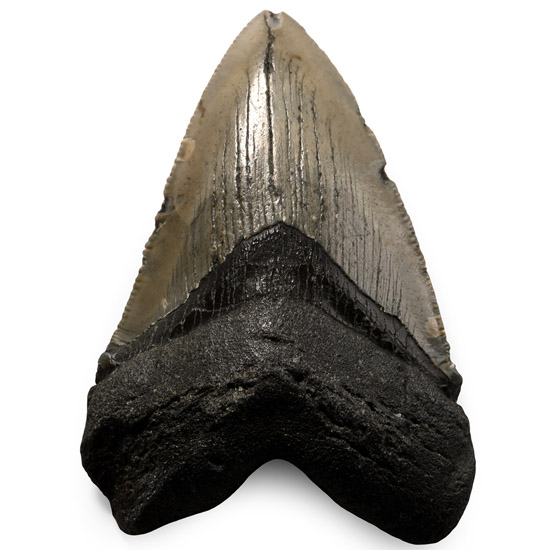
Megalodon Extinct Giant Shark Fossil Tooth
Pliocene Epoch, circa 5.6 million years B.P.Estimate: £80 - 100 (+bp*)
Opening Bid: £5
A Carcharocles megalodon shark tooth, with serrations and polished tooth enamel. 89 grams, 92 mm
From a UK collection formed in the 1980s. Property of an Essex, UK, gentleman.
Carcharodon megalodon is regarded as one of the largest and most powerful marine predators in vertebrate history and likely had a profound impact on the structuring of marine communities. Fossil remains indicate that this giant shark reached a length of more than 16 metres (52 ft) and also affirm that it had a cosmopolitan distribution. Scientists suggest that in life it looked like a stockier version of the great white shark, Carcharodon carcharias. -
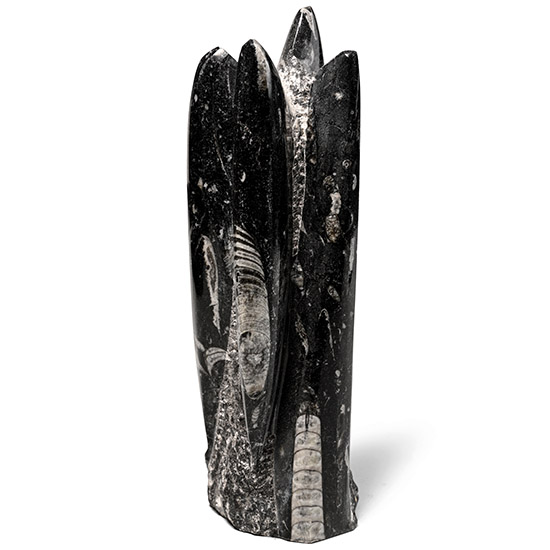
Fossil Orthoceras Polished Display Column
Upper Devonian Period, circa 385-359 million years B.P.Estimate: £40 - 60 (+bp*)
Opening Bid: £5
Comprising variously sized polished Orthoceras sp. specimens on a textured freestanding matrix. 975 grams, 19.5 cm
Ex Cambridgeshire, UK, collection. -

Large Labradorite Polished Pebble Collection
Estimate: £40 - 60 (+bp*)
Bids: 1 | Current Bid: £5
Showing mainly blue and green iridescence. 925 grams total, 47-61 mm
From Madagascar. Property of a Bristol, UK, gentleman collector. -
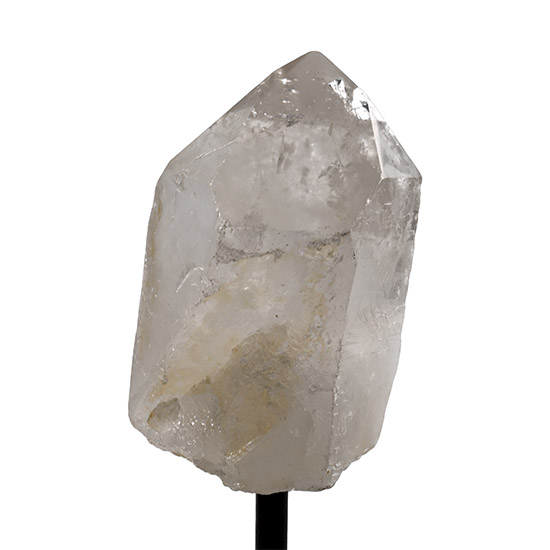
Quartz Rock Crystal on Stand Display Specimen
Estimate: £30 - 40 (+bp*)
Opening Bid: £5
Large translucent prismatic crystal, mounted on a custom-made display stand. 1.07 kg total, 19.2 cm high including stand
From Brazil. Property of a Bristol, UK, gentleman collector. -
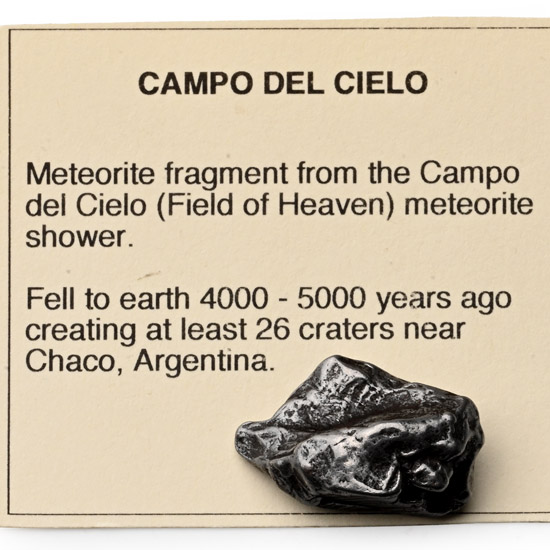
Campo Del Cielo Meteorite Fragment
Fell 6000-5000 years B.P.Estimate: £50 - 70 (+bp*)
Opening Bid: £5
A nickel-iron meteorite (IAB). 7.3 grams, 22 mm
Ex Cambridgeshire, UK, collection.
A crater field of roughly 26 craters was found in the vicinity of this crater, which is estimated to date to 4-5 thousand years BP. The age of the meteorite itself is thought to be c.4.5 billion years, formed as part of the development of this solar system. The largest two fragments, the 30.8-ton Gancedo and 28.8-ton El Chaco, are among the heaviest meteorite masses ever recovered on Earth. In 1576, the governor of a province in Northern Argentina commissioned the military to search for a large mass of iron, which it was believed the local people claimed had fallen from the sky and which they used for their weapon production. The expedition discovered a large mass of metal, which was assumed to be an iron mine, and brought back a few samples, which were described as being of unusual purity. Following the legends, in 1774, Don Bartolomé Francisco de Maguna rediscovered the iron mass. He himself did not believe that the stone had fallen from the sky and assumed that it had formed by a volcanic eruption. However, he sent the samples to the Royal Society of London. In 1990, it became protected by law. -
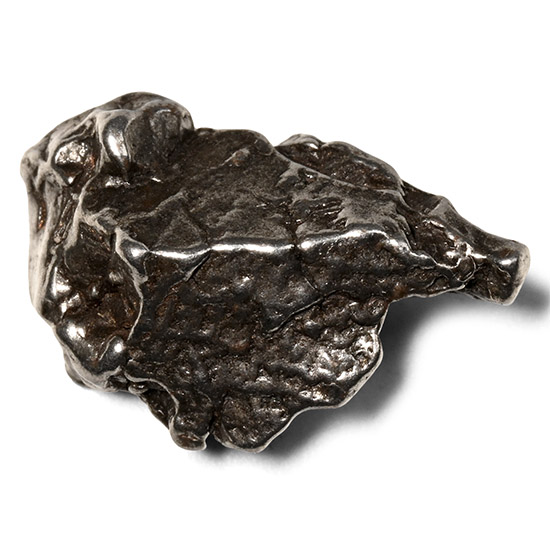
Campo Del Cielo Iron Meteorite
Fell 6000-5000 years B.P.Estimate: £30 - 40 (+bp*)
Opening Bid: £5
Comprising an irregular iron (IAB) meteorite. 3.04 grams, 17 mm
From Chaco Province, Argentina, the fall was discovered in 1576. Previously in a private collection formed in the 2000s. Acquired at auction in the UK. Property of a West Sussex, UK, gentleman.
A crater field of roughly 26 craters was found in the vicinity of this crater, which is estimated to date to 4-5 thousand years BP. The age of the meteorite itself is thought to be c.4.5 billion years, formed as part of the development of this solar system. The largest two fragments, the 30.8 ton Gancedo and 28.8 ton El Chaco, are among the heaviest meteorite masses ever recovered on Earth. In 1576, the governor of a province in Northern Argentina commissioned the military to search for a large mass of iron, which it was believed the local people claimed had fallen from the sky and which they used for their weapon production. The expedition discovered a large mass of metal which was assumed to be an iron mine and brought back a few samples, which were described as being of unusual purity. Following the legends, in 1774 Don Bartolomé Francisco de Maguna rediscovered the iron mass. He himself did not believe that the stone had fallen from the sky and assumed that it had formed by a volcanic eruption. However, he sent the samples to the Royal Society of London. In 1990, it became protected by law. -
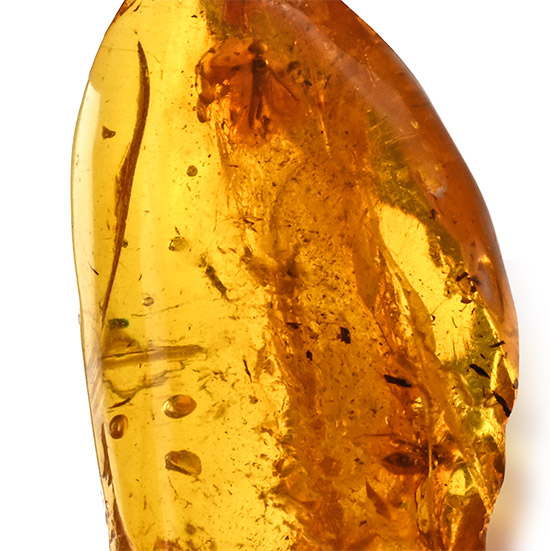
Polished Baltic Amber with Fly and Other Inclusions
Oligocene Period, circa 45 million years B.P.Estimate: £30 - 40 (+bp*)
Opening Bid: £5
Translucent orange amber with a fly showing clear construction of the individual lenses on its eyes and other inclusions. 2.58 grams, 35 mm
From a UK collection formed in the 1980s. Property of an Essex, UK, gentleman.
