
Ancient Art, Antiquities, Books, Natural History, Stamps & Coins
Days 1-5
Open For Bidding
Open For Bidding

-
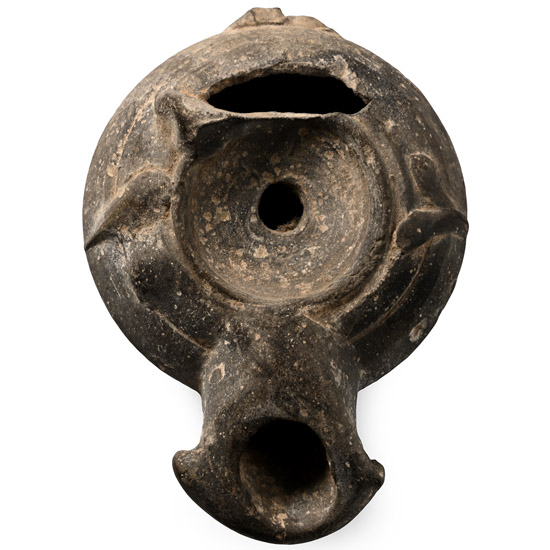
Roman Cnidian Terracotta Oil Lamp
1st century B.C.Estimate: £30 - 40 (+bp*)
Opening Bid: £5
Biconical body with raised decoration, low basal foot. 86.2 grams, 99 mm
From the private collection of a Sussex, UK, gentleman. -
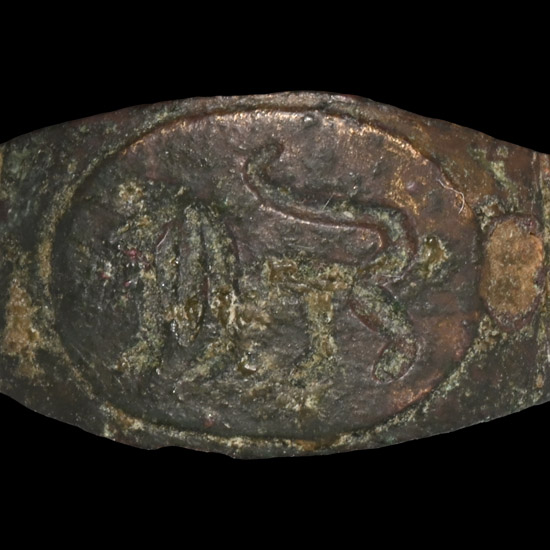
Roman Bronze Ring with Walking Lion
3rd-4th century A.D.Estimate: £30 - 40 (+bp*)
Opening Bid: £5
Featuring a slender hoop and fluted shoulders, an oval bezel with an advancing lion with its tail raised. 1.37 grams, 19.70 mm overall, 18.12 mm internal diameter (approximate size British M 1/2, USA 6 1/4, Europe 13.09, Japan 12)
From the private collection of a European gentleman (1942-2024), formed since the 1970s. -
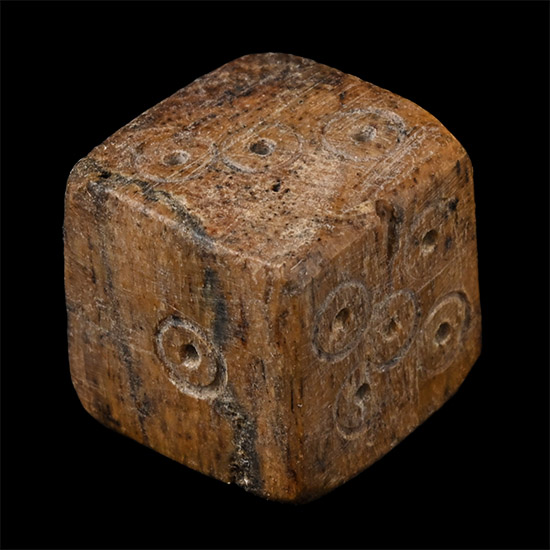
Roman Bone Gaming Die
Circa 1st-4th century A.D.Estimate: £70 - 90 (+bp*)
Opening Bid: £5
Cuboid with ring-and-dot markings disposed 1:6, 2:5, 3:4. 1.58 grams, 9 mm
Ex Cambridgeshire, UK, collection, 1990s. -
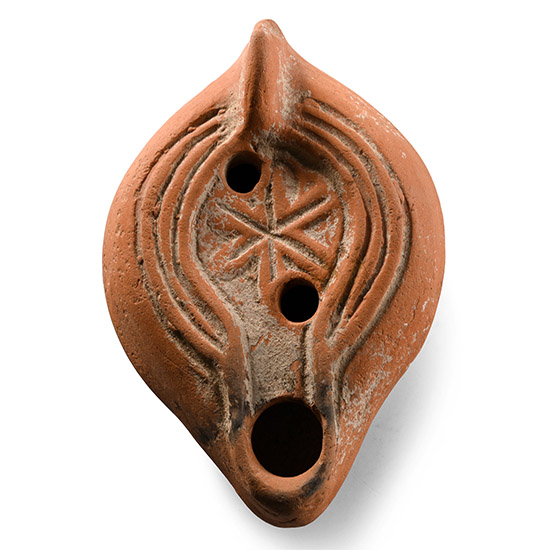
Roman Terracotta Oil Lamp with Star
Circa 3rd-4th century A.D.Estimate: £100 - 140 (+bp*)
Opening Bid: £50
Three concentric lines surround the discus with a six-pointed star motif, a short nozzle and a lug handle, inked collector's number '379' on the base. 158 grams, 10.8 cm
Ex important German collection, 1960-1990. -
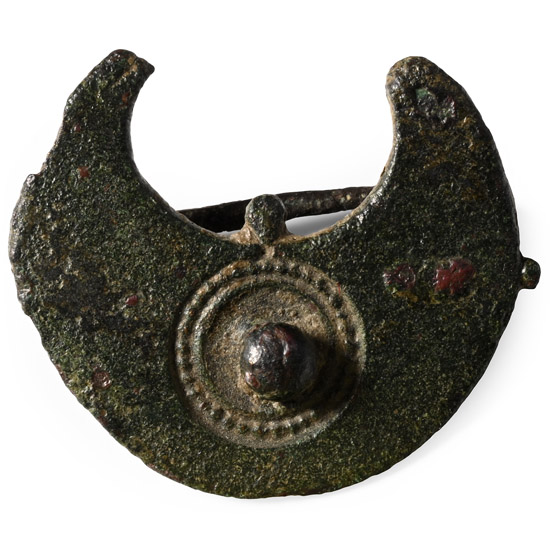
Roman Bronze Crescentic Plate Brooch
2nd-3rd century A.D.Estimate: £30 - 40 (+bp*)
Opening Bid: £5
Plate brooch with concentric lines around a raised boss; pin-lugs, pin and catchplate to the reverse. 5.77 grams, 29 mm
From the private coin collection of a West London, UK, gentleman, formed since the mid 1980s. -
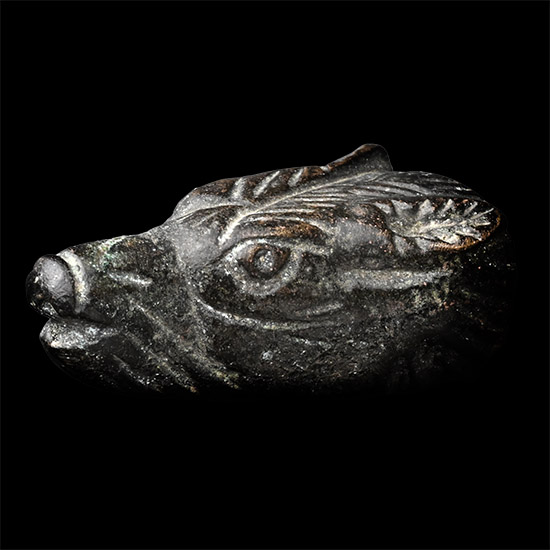
Roman Wolf's Head Finial
1st-4th century A.D.Estimate: £100 - 140 (+bp*)
Opening Bid: £50
Modelled in the round with a slender snout and large incised eyes, ears pulled back along the neck, and fur detailing throughout. 16.3 grams, 29 mm
Ex German collection, 1990s. -
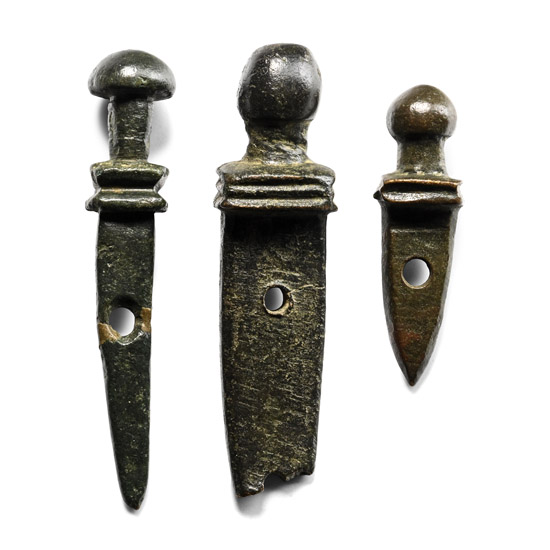
Roman Bronze Gladius Sword Pendant Collection
1st-2nd century A.D.Estimate: £100 - 140 (+bp*)
Opening Bid: £50
Comprising three gladius pendants, each with a domed pommel and pierced through the blade. 19.7 grams total, 28-42 mm
Ex German art market, 2000s. Acquired from an EU collector living in London. From the collection of a Surrey, UK, gentleman. -
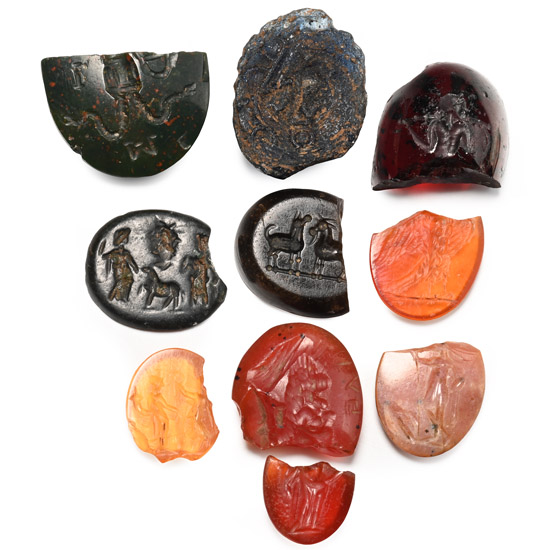
Roman Gemstone Group
2nd-3rd century A.D.Estimate: £150 - 200 (+bp*)
Bids: 2 | Current Bid: £10
Including a warrior with a spear over his shoulder, a profile bust of Silenus with a partial Greek legend, Isis-Minerva with a cornucopia and supplicant, and other types; each supplied with a museum-quality impression. 14.59 grams total, 9-20 mm
From the private collection of a European gentleman (1942-2024), formed since the 1970s. -
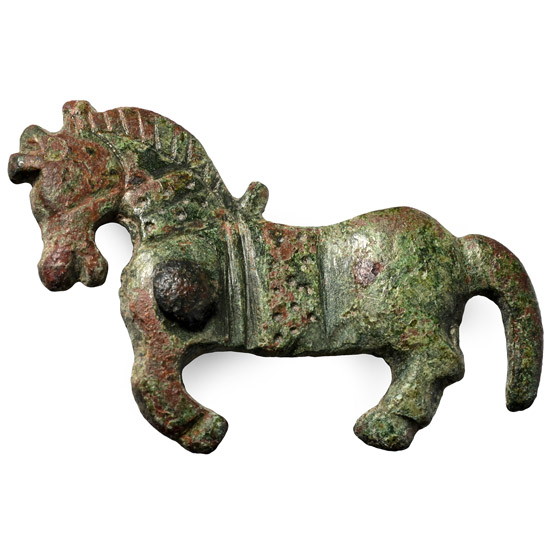
Roman Bronze Horse Plate Brooch
2nd-3rd century A.D.Estimate: £80 - 100 (+bp*)
Opening Bid: £5
Formed as a caparisoned horse with curved neck and legs, punched detailing on the saddle and neck halter, and three pierced lugs on the reverse. 12.7 grams, 42 mm
From the private coin collection of a West London, UK, gentleman, formed since the mid 1980s. -
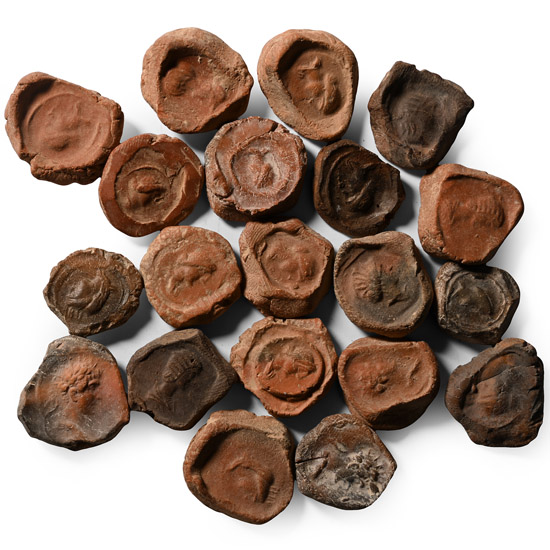
Roman Terracotta Bullae, Tesserae or Token Group
3rd century B.C.-1st century A.D.Estimate: £100 - 140 (+bp*)
Opening Bid: £5
A mixed group of ceramic bullae, tesserae or theatre tokens bearing low-relief motifs, mainly consisting of profile busts of deities. 35.5 grams total, 16-21 mm
From the private collection of a European gentleman (1942-2024), formed since the 1970s.
The term 'tessera' was used in Roman times to convey the Greek term σύμβολον (token). Small tiles are known as tokens, often shaped like coins, made of metal (copper, lead, iron), clay, bone, wood, or glass, stamped as well as engraved. The tokens, however, are not exclusively coin-shaped, as the Latin term 'tessera' refers to a four-sided shape. Tokens and tesserae seem to have been used both in Athens and Rome for the distribution of goods. According to written sources, the term ‘token’ is identified with credentials of the official authorities. They have also been interpreted as tokens of identity, as entrance tickets to theatre performances, tribunals or assemblies of citizens, archival material of seal engraving, as pawns in games, Charon’s obols and even as amulets. -
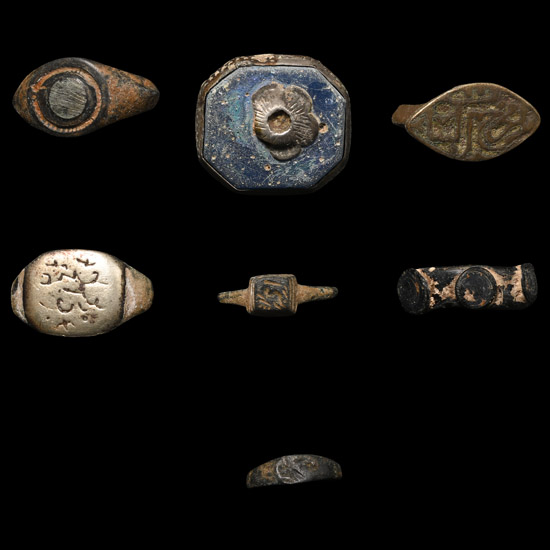
Roman and Later Bronze Ring Group
Circa 1st-4th century A.D.Estimate: £50 - 70 (+bp*)
Bids: 1 | Current Bid: £5
Comprising: a slender ring with a rectangular tiered bezel; a ring with a large bezel with blue glass intaglio with a silver flower; a ring with oval bezel with linear motifs; a ring with a keeled hoop and lentoid bezel; a glass ring with three raised bosses; a small interphalangial ring; a ring with a raised disc on the bezel. 25.4 grams total, 13-29 mm
From the private collection of a European gentleman (1942-2024), formed since the 1970s. -
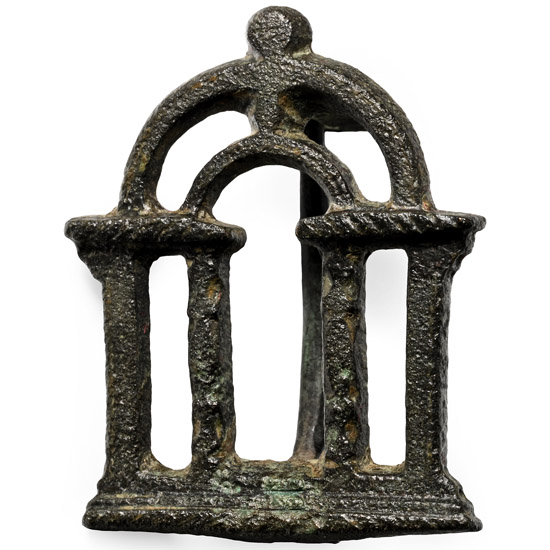
Roman Bronze Triumphant Arch Plate Brooch
2nd-3rd century A.D.Estimate: £60 - 80 (+bp*)
Opening Bid: £5
Depicting a domed arch on a baseline, the columns and roof executed in openwork; pin, pin-lugs and catchplate to the reverse. 15.7 grams, 38 mm
From the private coin collection of a West London, UK, gentleman, formed since the mid 1980s.
