
-
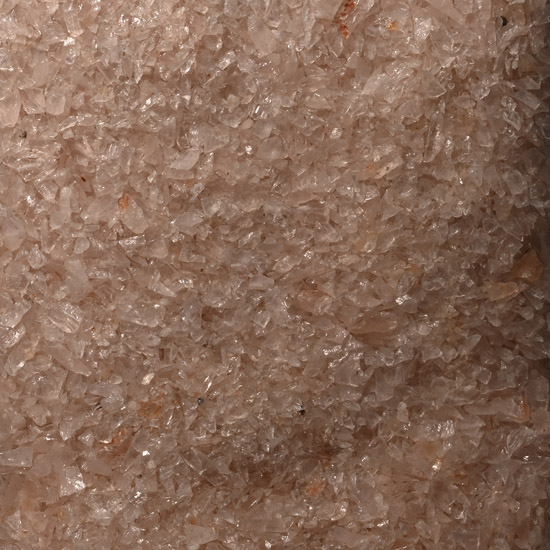
2 Kg of Rose Quartz Fragments
Sold for (Inc. bp): £20
Large quantity of pale pink rose quartz chips. 2 kg total, 1 - 30 mm
Ex Mineral Imports, London, UK. Gregory, Bottley & Lloyd (Gregory's), Harwich, UK. -
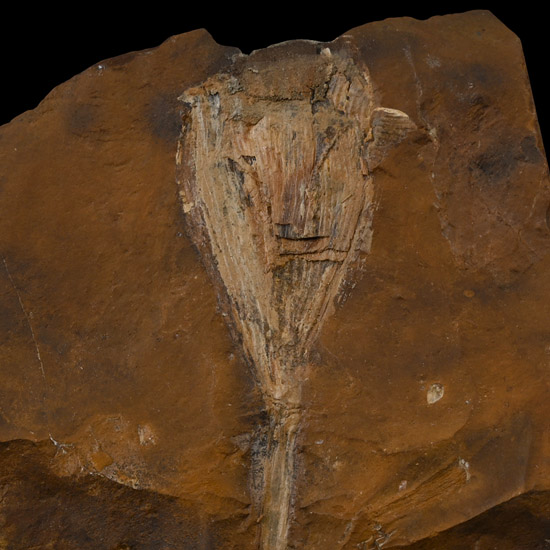
Fossil Ginko Leaf on Matrix
Carboniferous Period, circa 359-299 million years B.P.Sold for (Inc. bp): £26
A light-coloured specimen on a polygonal matrix. 58.7 grams, 67 mm
From a Cambridgeshire, UK, collection. -
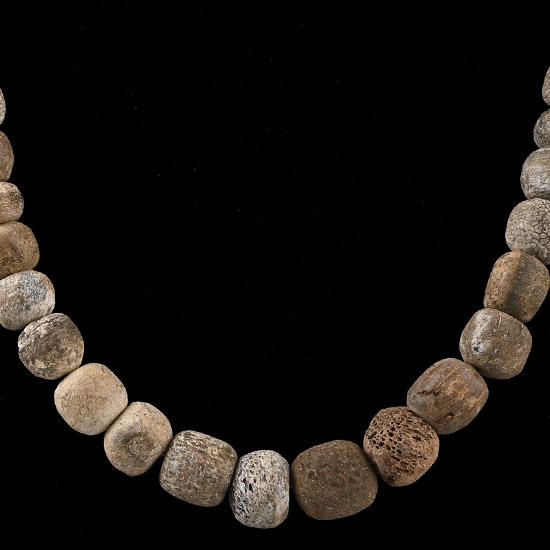
Woolly Mammoth Bone Bead Necklace String
Pleistocene Epoch, 2.6 million-11,700 years B.P.Sold for (Inc. bp): £46
Restrung, using recently polished Mammuthus primigenius spherical bone beads. 150 grams, 59 cm
Ex Ancient Art Shop, Windsor, UK, 1990s. Ex private West County, UK, collection.
The mammoth lineage branched from the Asian elephant around 6 million years ago, and later on, the Woolly Mammoth, Mammuthus primigenius, evolved in eastern Siberia. Woolly mammoths, being slightly smaller than living African elephants, were foragers and ate grass, as well as small, nutritious flowering plants that flourished in the environment where they lived. They may also have used their curved tusks to dig through snow and eat plants that other foragers were unable to reach. -
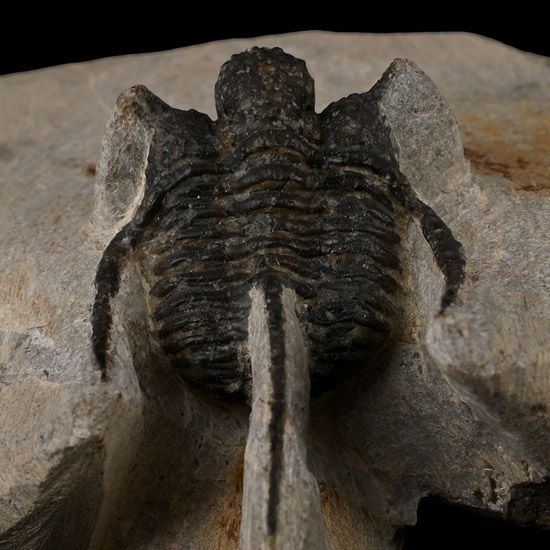
Fossil Otarion Trilobite on Matrix
Silurian-Devonian Period, circa 425-400 million years B.P.Sold for (Inc. bp): £111
Showing high stalked eyes, elongated spines and granulose bulbous cephalon. 115 grams, 58 mm
From a Cambridgeshire, UK, collection. -
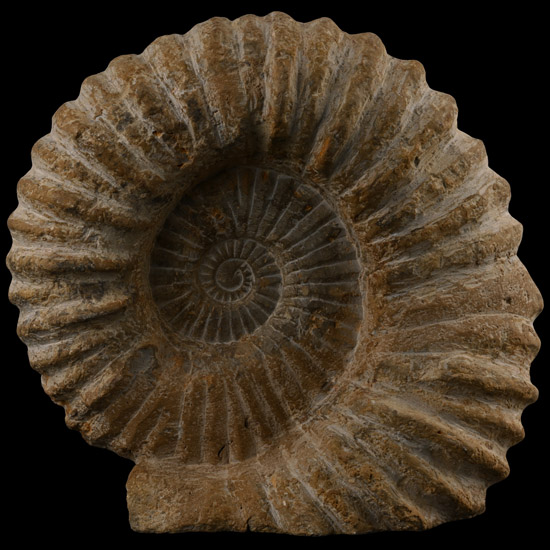
Large Agadir Ammonite Display with Cut Base
Cretaceous Period, circa 145-66 million years B.P.Sold for (Inc. bp): £364
With a cut base and showing characteristic ribbing, possibly Calycoceras. 5.67 kg, 23.5 cm wide
From a Cambridgeshire, UK, collection. -
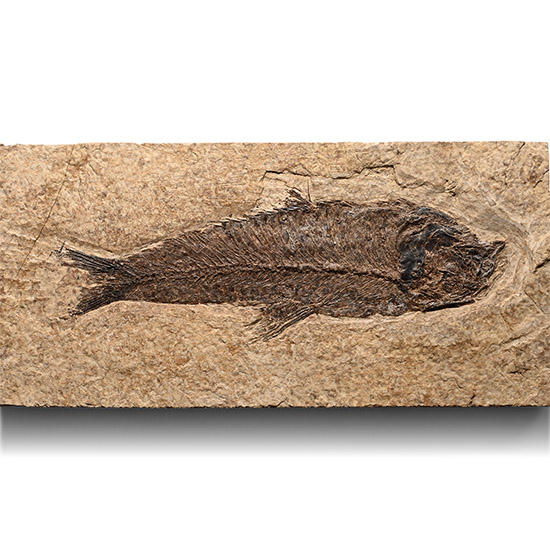
Fossil Fish in Matrix
Eocene Period, circa 58-36 million years B.P.Sold for (Inc. bp): £117
On a rectangular matrix, possibly Diplomystus. 335 grams, 16.5 cm
From Green River formation, Wyoming, USA. From the private collection of Kenneth Machin (1936-2020), Buckinghamshire, UK; his collection of antiquities and natural history was formed since 1948; thence by descent. -
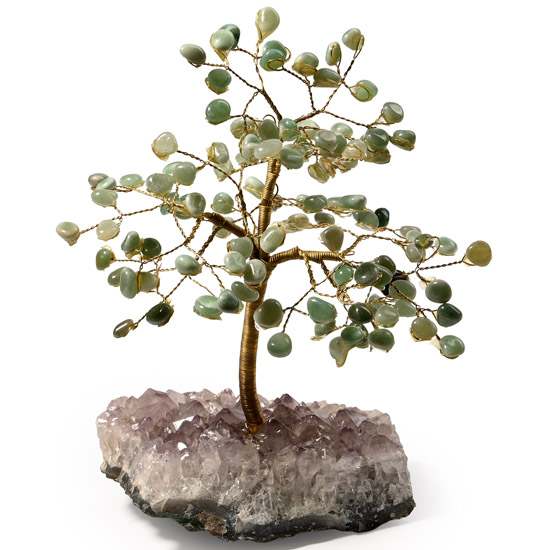
Aventurine Gem Tree on Amethyst Crystal Geode Section
Sold for (Inc. bp): £26
Irregular geode matrix with purple amethyst crystals; the metal branches tipped with polished dark and light green aventurine quartz pebbles. 723 grams, 18 cm
From Brazil. Ex Mineral Imports, London, UK. Gregory, Bottley & Lloyd (Gregory's), Harwich, UK. -
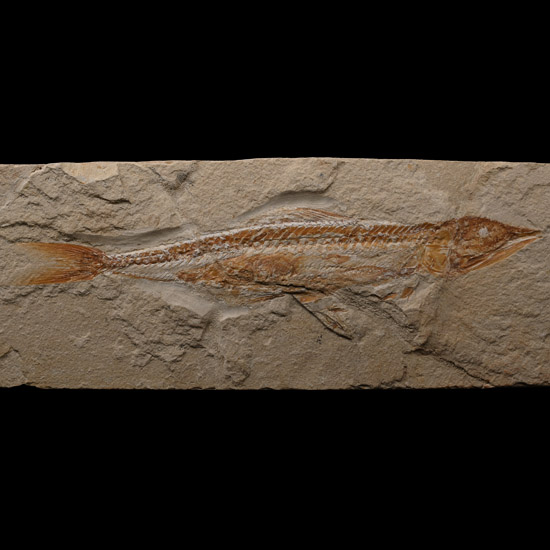
Fossil Prionolepis Fish
Cretaceous Period, circa 100 million years B.P.Sold for (Inc. bp): £546
Middle-sized fish of slender shape, a pointed snout and a forked caudal fin; traces of its last meal, a whole fish, in its stomach. 552 grams, 22 cm
From Lebanon. From a Cambridgeshire, UK, collection. -
![Large Group of One Hundred [100] Small Pyrite (Fools Gold) Specimens](https://timelineauctions.com/upload/images/items/small/255963-s.jpg)
Large Group of One Hundred [100] Small Pyrite (Fool's Gold) Specimens
Sold for (Inc. bp): £20
Comprising one hundred clusters of small pyrite crystals. 990 grams total, 16-29 mm
From Brazil. Ex Mineral Imports, London, UK. Gregory, Bottley & Lloyd (Gregory's), Harwich, UK. -
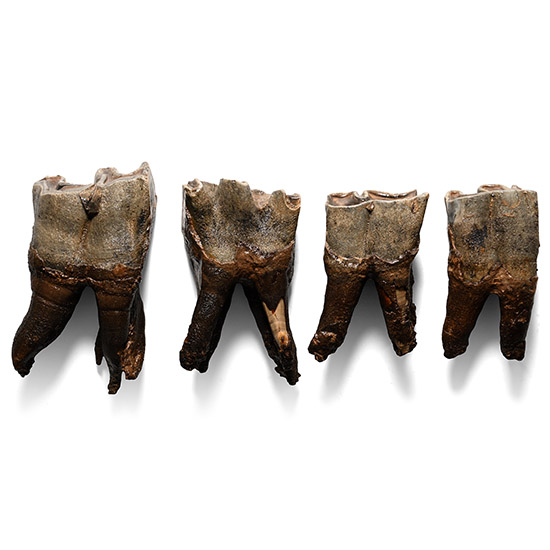
Set of Woolly Rhinoceros Teeth
Devensian Period, circa 110,000-12,000 years B.P.Sold for (Inc. bp): £338
Comprising four teeth from the lower right jaw of a large male. 640 grams total, 8.1-11.8 cm
Perma frost of Siberia. From a Netherlands collector in the 2020s. From a private collection. -
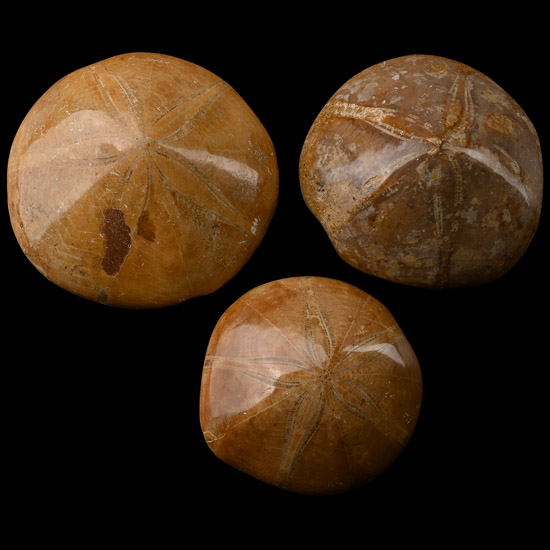
Polished Fossil Sand Dollar Group
Miocene Period, circa 25 million years B.P.Sold for (Inc. bp): £7
Comprising three domed and polished specimens. 325 grams total, 58-73 mm
From a Lincolnshire, UK, collection. -
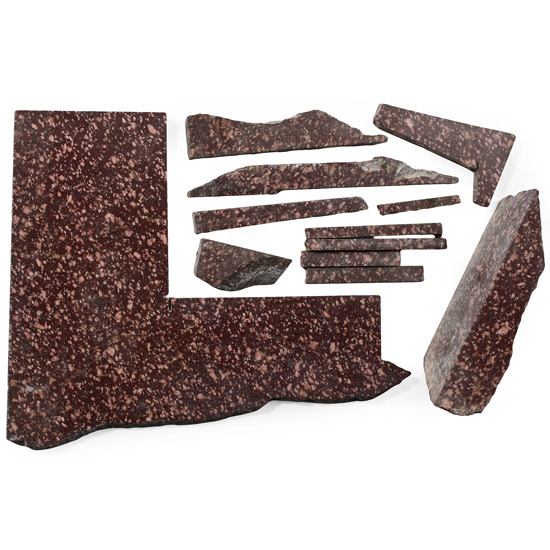
Historic Roman Cut and Polished Roman Imperial Porphyry Fragment Group
Sold for (Inc. bp): £364
Comprising cut and polished pieces, probably recycled material mined in ancient Roman times between the 1st and 5th centuries A.D. 270 grams total, 3.3-15.5 cm
Ex Mineral Imports, London, UK. Gregory, Bottley & Lloyd (Gregory's), Harwich, UK.
Mons Porphyrites (today Jabal Abu Dukhkhan) is the mountainous site of a group of ancient quarries in the Red Sea Hills of the inhospitable eastern desert in Egypt, a five-day trip from the Nile during Roman times. They were discovered by Caius Cominus Leugas in 18 A.D., and during the Roman Empire, the mines officially belonged to the emperor and were the only known source of the Imperial Porphyry, Mons Porphyrites. This dark purple stone was associated with royalty and used for prestigious sculpture and architecture. The location of the mines was lost sometime in the 5th century and rediscovered in the early 19th century. Excavations in the area have revealed the well-preserved quarries and the dwelling places of the quarrymen, and also thousands of ostraca have been discovered containing messages that provide details of how the quarrying took place, and of how the highly skilled quarrymen ordered their food.

