-
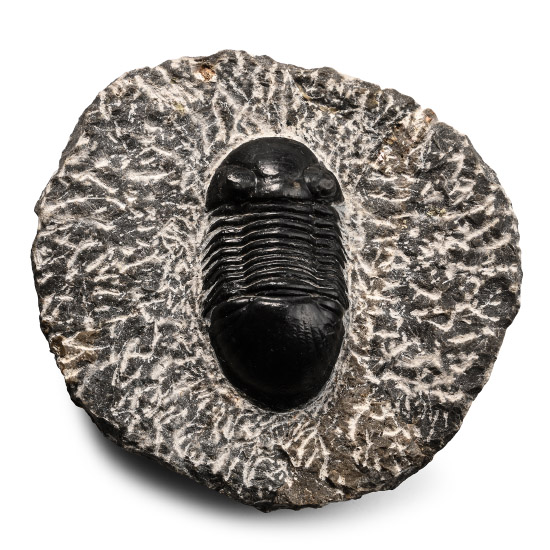
Fossil Thysanopeltidae Trilobite in Matrix
Middle Devonian Period, circa 380 million years B.P.Sold for (Inc. bp): £52
Thysanopeltidae scutellum on a textured matrix, showing detail of the characteristic fan-like tail shield. 386 grams, 99 mm
From the private collection of Kenneth Machin (1936-2020), Buckinghamshire, UK; his collection of antiquities and natural history was formed since 1948; thence by descent. -
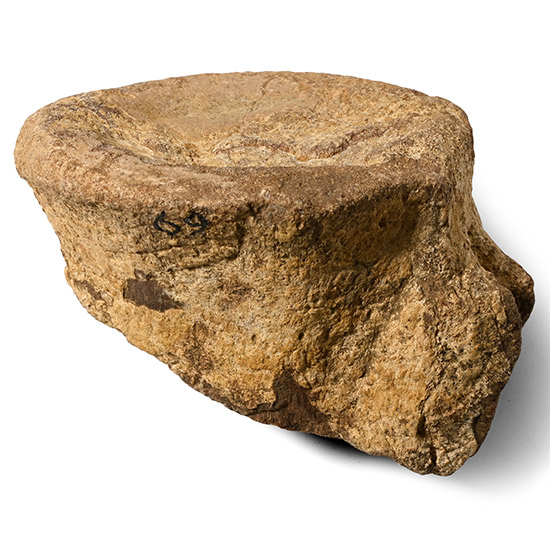
British Fossil Vertebra
Cretaceous Period, circa 145-65 million years B.P.Sold for (Inc. bp): £13
Large section of a fossilised vertebra with two raised projections on one side, possibly from a mosasaur. 407 grams, 96 mm3 3/4 in.
From Abingdon, Oxfordshire. From the private collection of Kenneth Machin (1936-2020), Buckinghamshire, UK; his collection of antiquities and natural history was formed since 1948; thence by descent. -
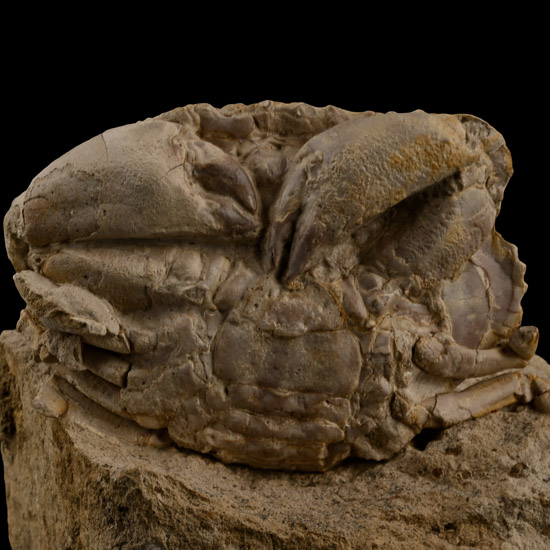
Fossil Crab on Matrix
Eocene-Miocene Period, 58-5.3 million years B.P.Sold for (Inc. bp): £325
The remains of a fossil crab set in a sedimentary matrix with its legs and claws curled underneath the body. 1.16 kg, 13.4 cm
From a Cambridgeshire, UK, collection. -
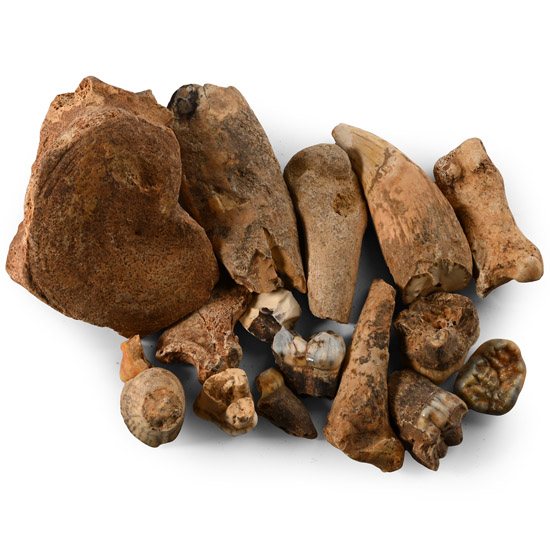
Extinct Animal Bone and Bear's Tooth Collection
Possibly Lower Palaeolithic Period, circa 700,000-300,000 B.P.Sold for (Inc. bp): £390
Mixed group of bone and teeth fragments, including molars and canines. 193 grams total, 14-73 mm
Previously in several old Stone Age tool collections, having been annotated with two different accession numbers. Acquired from an Oxfordshire, UK, auction house. From the private collection of a West Midlands lady collector. -
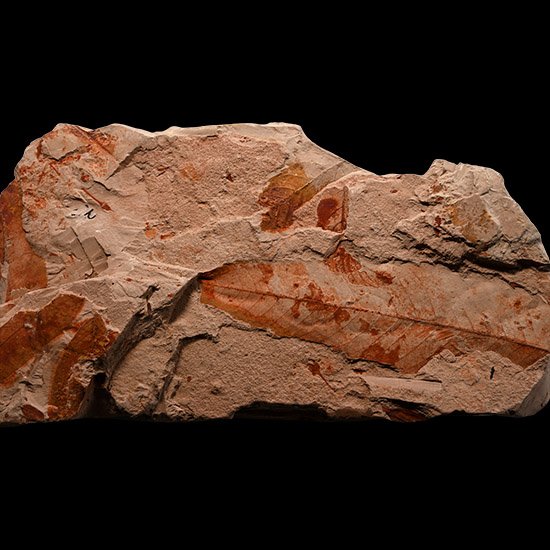
Fossil Nothofagus Ferns in Matrix
Lower Eocene Period, circa 56-48 million years B.P.Sold for (Inc. bp): £13
An irregular matrix with multiple Southern beech leaves. 301 grams, 18 cm
From the Redbank Plains formation, Ebbw Vale, Ipswich, Queensland, Australia. From the private collection of Kenneth Machin (1936-2020), Buckinghamshire, UK; his collection of antiquities and natural history was formed since 1948; thence by descent. -
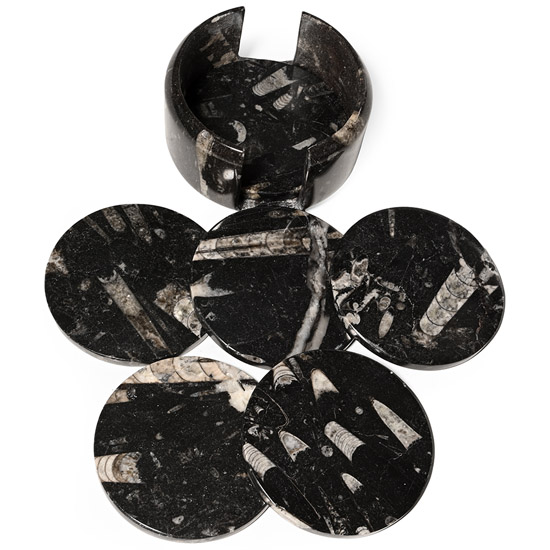
Polished Orthoceras Fossil Coaster Set
Devonian Period, circa 400 million years B.P.Sold for (Inc. bp): £91
Comprising a set of six round coasters and a holder, carved from fossiliferous stone. 700 grams total, 91 mm
Ex Cambridgeshire, UK, collection. -
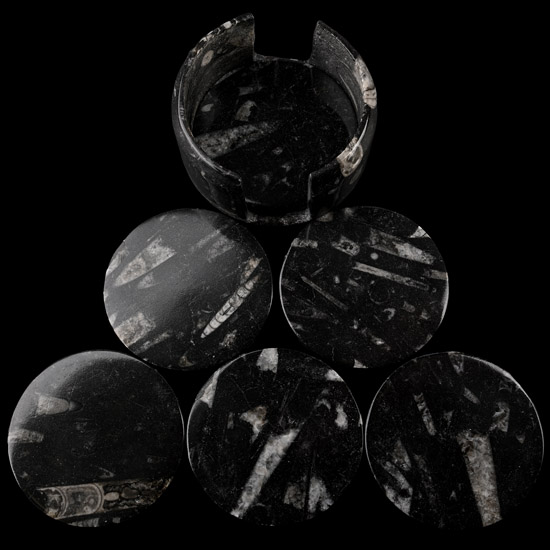
Polished Fossil Orthoceras Coaster Set
Devonian Period, circa 417-354 million years B.P.Sold for (Inc. bp): £52
Comprising six circular coasters, the Orthoceras have been polished through the shell to reveal the calcite preserved inside and showing the dividing gas chambers known as suture patterns. 682 grams, 91 mm wide
From a Cambridgeshire, UK, collection. -
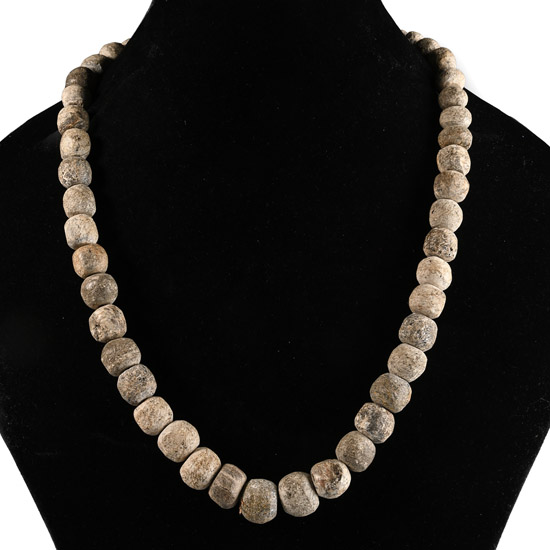
Woolly Mammoth Bone Bead Necklace String
Pleistocene Epoch, 2.6 million-11,700 years B.P.Sold for (Inc. bp): £78
Restrung, using recently polished Mammuthus primigenius spherical bone beads. 148 grams, 62 cm
From a UK collection formed in the 1980s. Property of an Essex, UK, gentleman.
The mammoth lineage branched from the Asian elephant around 6 million years ago, and later on the Woolly Mammoth, Mammuthus primigenius, evolved in eastern Siberia. Woolly mammoths, being slightly smaller than living African elephants, were foragers and ate grass, as well as small, nutritious flowering plants that flourished in the environment where they lived. They may also have used their curved tusks to dig through snow and eat plants that other foragers were unable to reach. -
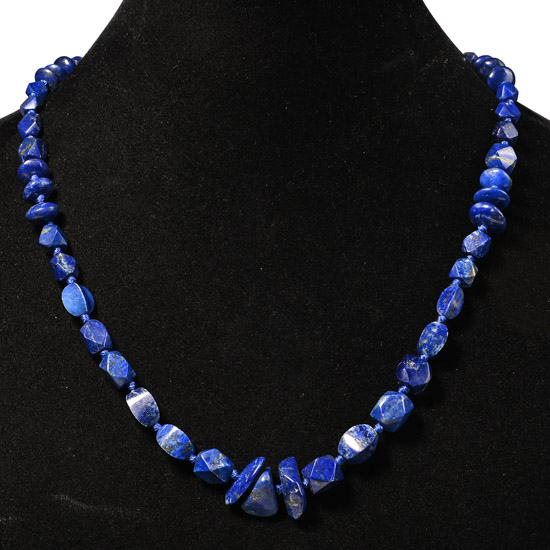
Bactrian Style Lapis Lazuli Bead Necklace
Sold for (Inc. bp): £33
Composed of polished polygonal, discoid and other beads, restrung with a metal hook-and-loop clasp. 58 grams, 54 cm
Acquired in the 1990s-early 2000s. Ex London, UK, collection. -
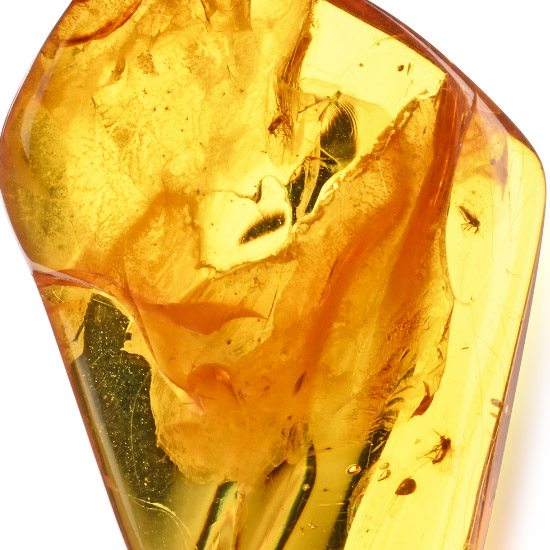
Polished Amber with Midges
Oligocene Period, circa 45 million years B.P.Sold for (Inc. bp): £143
Orange translucent amber with a pair of Diptera inclusions. 3.5 grams , 37 mm
From a Norfolk, UK, collection. -
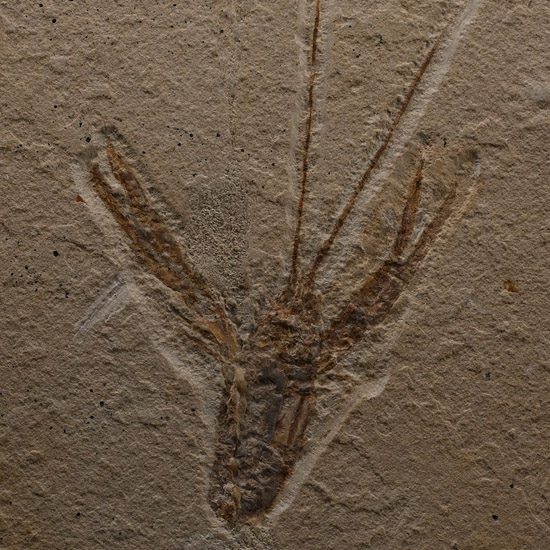
Fossil Lobster on Matrix
Jurrassic Period, circa 161-143 million years B.P.Sold for (Inc. bp): £247
With large claws, from the Solnhofen limestone. 268 grams, 12.5 cm
From a Cambridgeshire, UK, collection. -
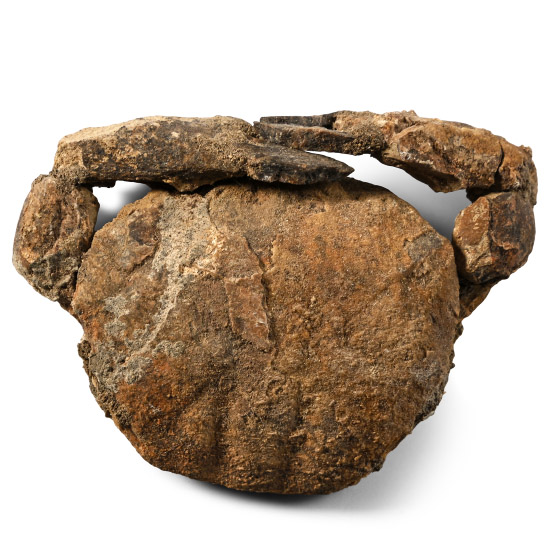
Fossil Crab with Both Claws
Eocene Period, circa 56-33 million years B.P.Sold for (Inc. bp): £390
Comprising the body and both front legs with claws. 34.6 grams, 60 mm
From the private collection of Kenneth Machin (1936-2020), Buckinghamshire, UK; his collection of antiquities and natural history was formed since 1948; thence by descent.

