
-
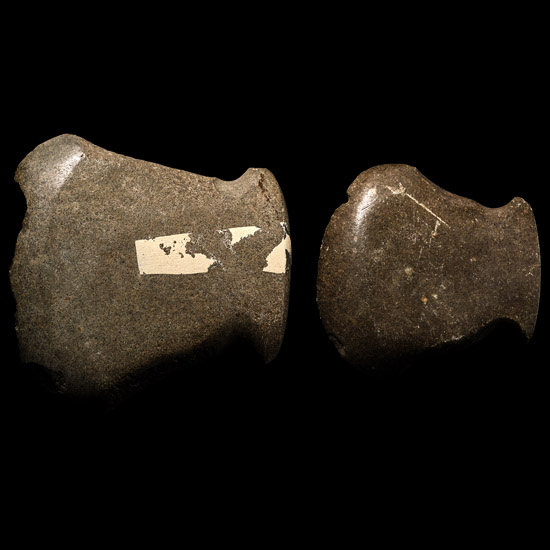
Pre-Columbian Polished Stone Axe Head Group
Inca, circa 1438-1533 A.D.Estimate: £50 - 70 (+bp*)
Bids: 3 | Current Bid: £12
Each D-shaped in plan with broad cutting edge and transverse ledge to rear. 536 grams total, 75-93 mm
From the collection of a Hampshire, UK, gentleman, established from the 1960s. -
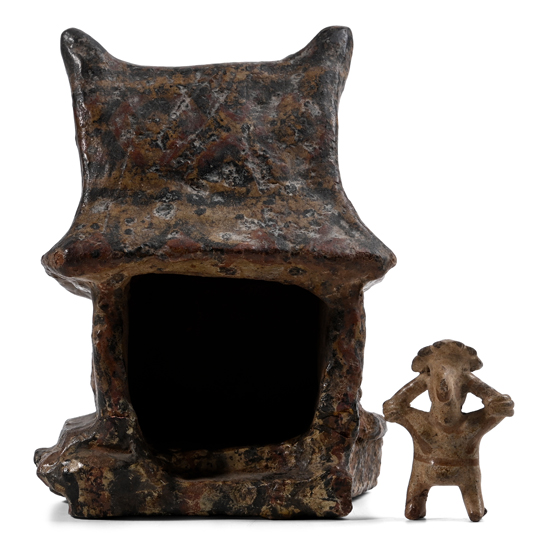
Nayarit Culture Terracotta Model of a House
Circa 200 B.C.-300 A.D.Estimate: £400 - 600 (‡+bp*)
Bids: 5 | Current Bid: £55
Rectangular in plan with flange rim to the thick base, one side open, gabled roof with broad eaves and tall finials; pigment detailing. 720 grams, 13.5 cm
Previously in the private collection of Leo (1922-1979), and Evelyn D. Farland (1930-2025), New York; thence by descent.
Examples of Nayarit dwellings provide an insight into the life of ancient West Mexico. Made of perishable materials, these terracotta examples often depict family gatherings, including domestic animals, often dogs. It is thought that these houses may represent individuals of higher status. -
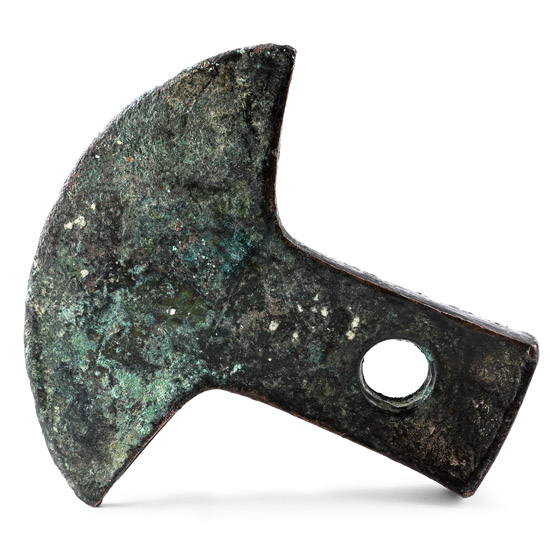
Pre-Columbian Semilunar 'Tumi Bronze Knife
Inca, 500 A.D.Estimate: £800 - 1,000 (‡+bp*)
Opening Bid: £400
Curving blade and rectangular shank to rear with large central socket; square butt. 740 grams, 14.3 cm
Private collection, Israel. Acquired in the 1992. Private collection, Switzerland, thence by descent. Private collection, since the late 1990s.
The Inca inherited a sophisticated metalworking tradition whose origins long predated the rise of their empire. Drawing on skilled artisans from across their territories, especially the north coast, they produced a wide range of objects in gold, silver, copper, and bronze at centres such as Cuzco. Among the most characteristic metal forms of the Inca period were tumis, ceremonial knives typically made of copper or tin bronze, distinguished by a long, curved blade set at a right angle to the handle. These handles could be flat or cylindrical and were often ornamented, while loops at the top suggest that some were suspended from the belt or worn as pendants. Tumis held an important place in ritual life in the Andes and had long been associated with sacrifice, both in ceremonial practice and in visual imagery, where they frequently appear in the hands of deities or supernatural beings. This example is especially striking: the upper handle is formed as the strong talons of a bird of prey, and the textured shaft recalls the rough surface of a raptor’s leg. Such imagery would have carried powerful associations with death and sacrifice, as scavenging and predatory birds were naturally linked with both. The blade also preserves textile impressions, probably the result of long burial. -
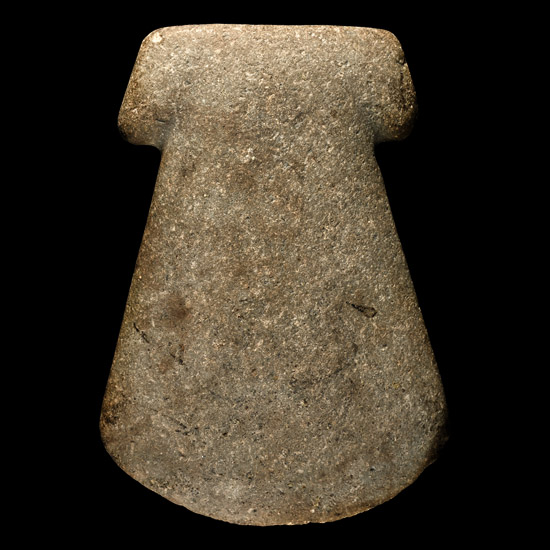
Pre-Columbian Polished Stone Axe Head
Inca, circa 1438-1533 A.D.Estimate: £200 - 300 (+bp*)
Bids: 3 | Current Bid: £21
Lentoid in section with transverse head, curved cutting edge. 670 grams, 14 cm
From the collection of a Hampshire, UK, gentleman, established from the 1960s. -
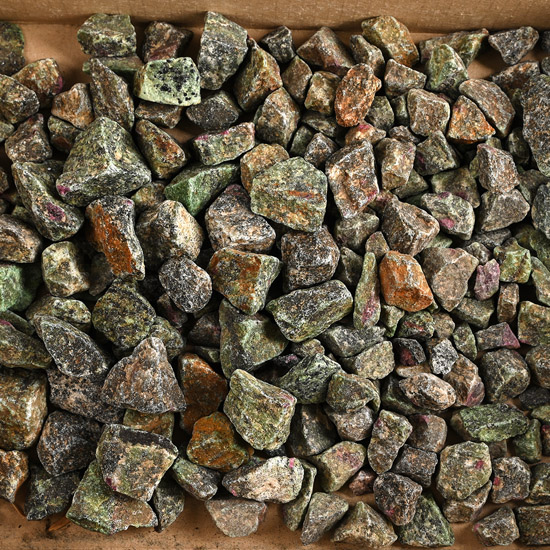
A Large Collection of Natural Ruby in Zoisite Mineral Specimens
Estimate: £40 - 60 (+bp*)
Bids: 1 | Current Bid: £5
A boxed group of unpolished ruby in zoisite specimens. 3.95 kg total including box, 16-56 mm
Ex Mineral Imports, London, UK. Gregory, Bottley & Lloyd (Gregory's), Harwich, UK. -
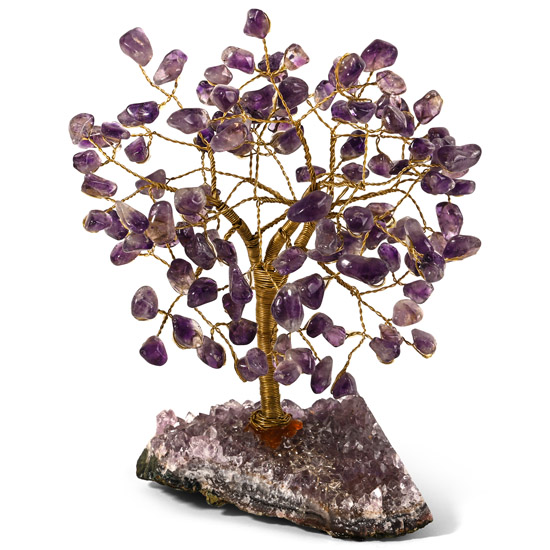
Amethyst Gem Tree on Amethyst Crystal Geode Section
Estimate: £20 - 30 (+bp*)
Bids: 1 | Current Bid: £5
Irregular geode matrix with light purple amethyst crystals; the metal branches tipped with polished light-coloured amethyst pebbles. 422 grams, 16.5 cm
From Brazil. Ex Mineral Imports, London, UK. Gregory, Bottley & Lloyd (Gregory's), Harwich, UK. -
![Collection of Three [3] Gift Bagged Kalahari Desert Wind Stones](https://timelineauctions.com/upload/images/items/small/251112-s.jpg)
Collection of Three [3] Gift Bagged Kalahari Desert Wind Stones
Estimate: £30 - 40 (+bp*)
Opening Bid: £5
Comprising three wind-rounded pebbles in hollowed out 'nests'; each with a hessian draw-ribbon pouch. 335 grams total, 47-62 mm
From the Kalahari Desert. Ex Mineral Imports, London, UK. Gregory, Bottley & Lloyd (Gregory's), Harwich, UK. -
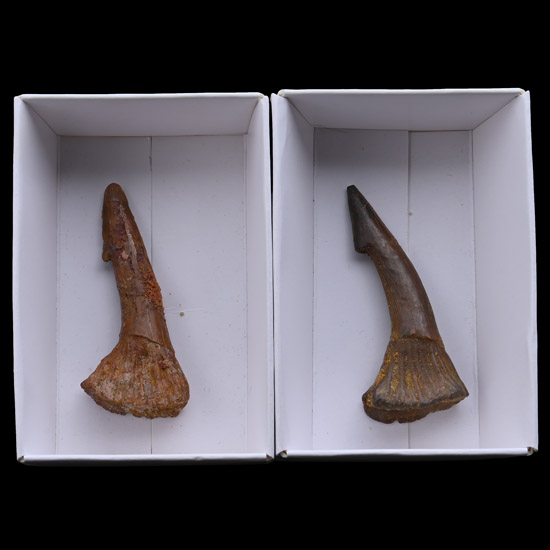
Two Fossil Sawfish Rostral Spines
Cretaceous Period, circa 100-66 million years B.P.Estimate: £20 - 30 (+bp*)
Opening Bid: £5
Comprising two Onchopristus numidus sawfish rostral teeth. 16.4 grams total, 53 mm
From Whitby, Yorkshire, UK. From a Cambridgeshire, UK, collection. -
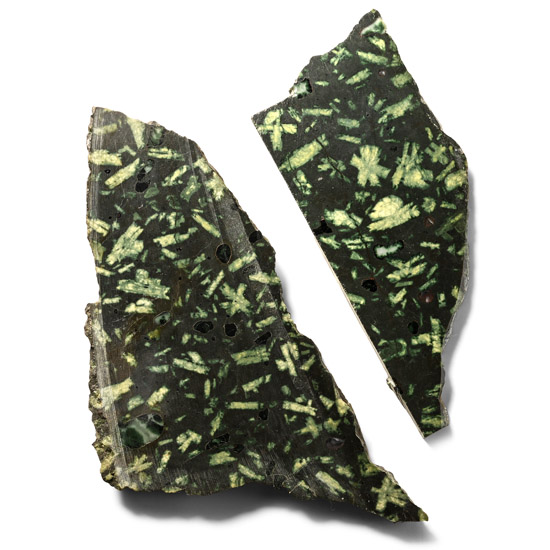
Historic Roman 'Spartan Basalt' Cut and Polished Green Porphyry Sheet Group
Estimate: £100 - 140 (+bp*)
Opening Bid: £5
Cut and polished sections, mined in Greece, cut and polished on both sides, probably recycled material mined in ancient Roman times. 221 grams total, 11.9-14.5 cm
Ex Mineral Imports, London, UK. Gregory, Bottley & Lloyd (Gregory's), Harwich, UK.
Also known as Lapis Lacedaemonius and Porfido Verde Antico, a type of green porphyry quarried in Greece. Spartan basalt is a form of andesite or volcanic rock known today only from a single source in the village of Krokees on the Peloponnese in Greece. In addition, ancient sources mention a quarry of Lapis Lacedaemonius in Taygetus. -
![Group of Three [3] Cut and Polished Malawi Agate Geode Halves](https://timelineauctions.com/upload/images/items/small/251117-s.jpg)
Group of Three [3] Cut and Polished Malawi Agate Geode Halves
Estimate: £30 - 40 (+bp*)
Opening Bid: £5
Comprising three sections with a polished cut face, each with a crystal-lined centre and showing contrasting banding. 1.57 kg total, 8.8-16 cm
From Malawi. Ex Mineral Imports, London, UK. Gregory, Bottley & Lloyd (Gregory's), Harwich, UK. -
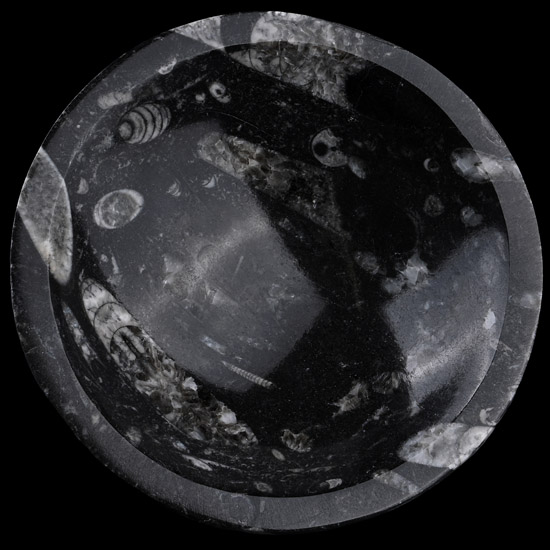
Polished Fossil Orthoceras Bowl
Devonian Period, circa 417-354 million years B.P.Estimate: £20 - 30 (+bp*)
Bids: 2 | Current Bid: £5
A shallow dish carved from fossiliferous stone showing multiple Orthoceras sp. specimens. 244 grams, 12 cm
From Morocco, North Africa. From a Cambridgeshire, UK, collection. -
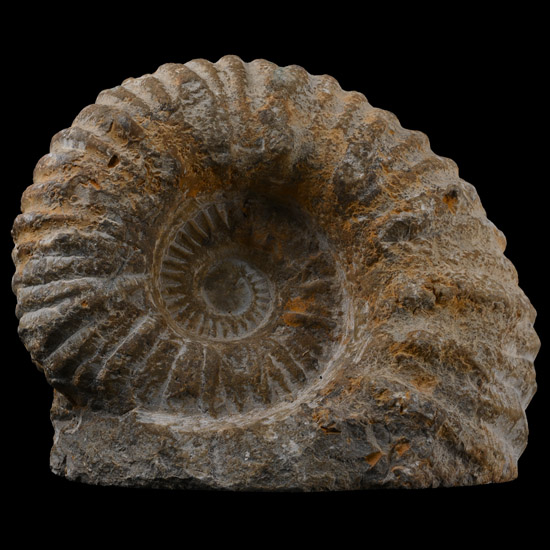
Large Fossil Agadir Ammonite with Cut Base
Cretaceous Period, circa 145-66 million years B.P.Estimate: £60 - 80 (+bp*)
Bids: 4 | Current Bid: £35
With a cut base and showing characteristic ribbing, possibly Calycoceras. 2 kg, 12.1 cm
From a Cambridgeshire, UK, collection.

