-
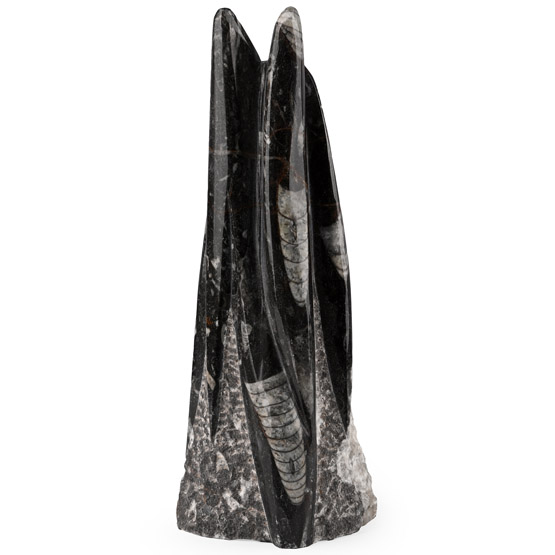
Polished Fossil Orthoceras Column
Devonian Period, circa 400 million years B.P.Sold for (Inc. bp): £33
Comprising variously sized polished Orthoceras sp. specimens on a textured freestanding matrix. 1.34 kg, 21.5 cm
From Morocco. From a Cambridgeshire, UK, collection. -
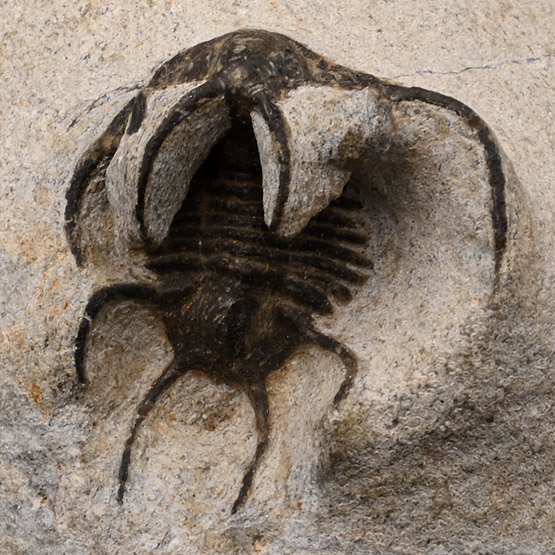
Fossil Ceratarges Trilobite
Devonian Period, circa 400 million years B.P.Sold for (Inc. bp): £117
Likely Ceratarges spinosus showing the distinctive protective spines. 190 grams, 79 mm
From a Cambridgeshire, UK, collection. -
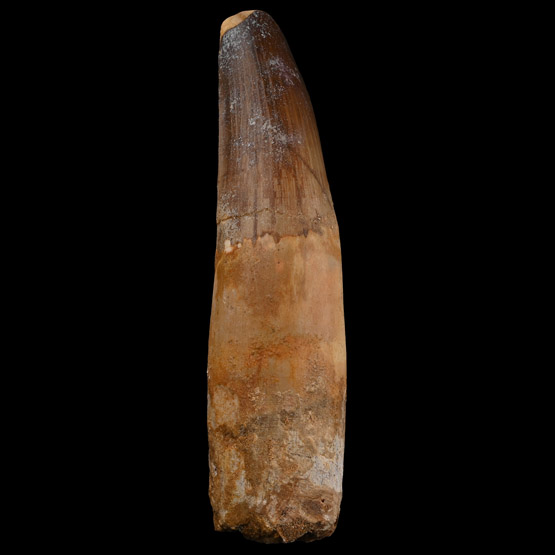
Large Spinosaurus Dinosaur Fossil Tooth
Cretaceous Period, circa 125-113 million years B.P.Sold for (Inc. bp): £98
Showing some good enamel and some root; repaired. 104 grams, 12.3 cm
From Morocco, North Africa. From a Lincolnshire, UK, collection. -
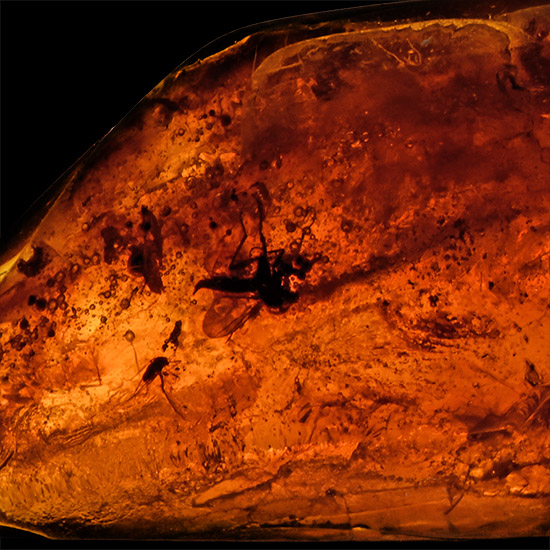
Polished Baltic Amber with Insects
Oligocene Period, circa 45 million years B.P.Sold for (Inc. bp): £85
Polished, transparent specimen with insect inclusions. 2.63 grams, 34 mm
From Primorskoje Mine, Kaliningrad, Russia. From a Lincolnshire, UK, collection. -
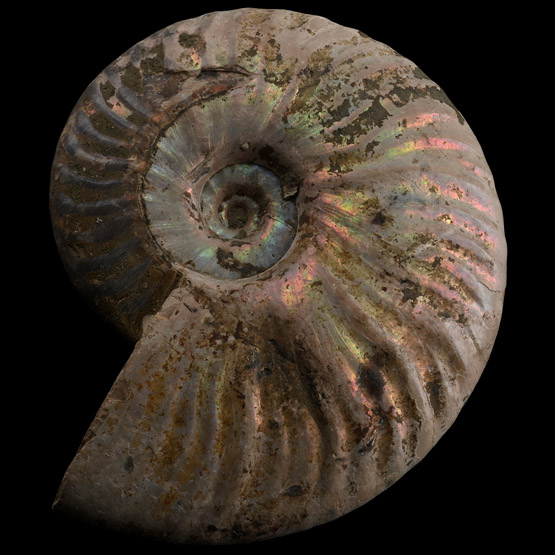
Iridescent Fossil Cleoniceras Ammonite
Cretaceous Period, circa 145-66 million years B.P.Sold for (Inc. bp): £59
A naturally iridescent Cleoniceras besairiei ammonite. 479 grams, 12.7 cm
From Madagascar. From a Lincolnshire, UK, collection. -
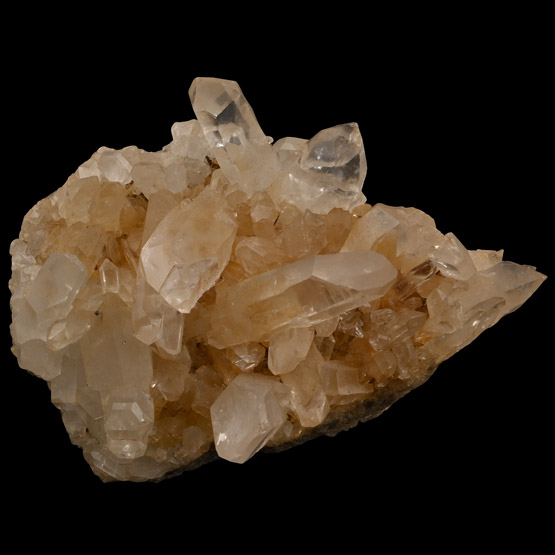
Quartz Crystal Specimen
Sold for (Inc. bp): £13
Containing various sizes of prismatic crystals on a light-coloured matrix. 148 grams, 91 mm
Property of an Essex gallery. -
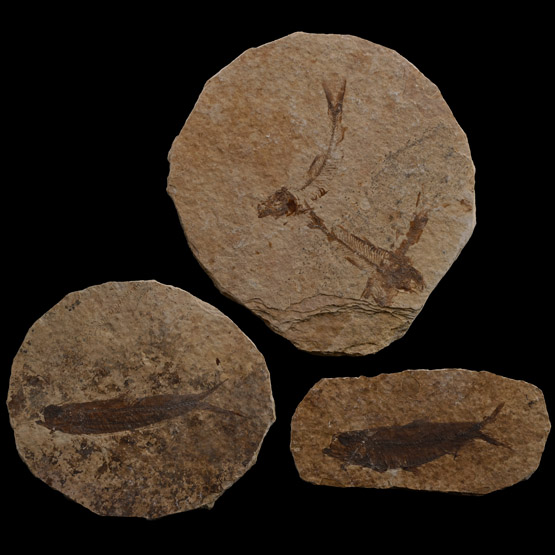
Fossil Knightia Alta Fish Group
Eocene Period, circa 58-36 million years B.P.Sold for (Inc. bp): £46
Comprising three rounded matrices, each with a Knightia alta specimen, one with two specimens. 189 grams total, 7.9-10.5 cm
From USA. From a Lincolnshire, UK, collection. -
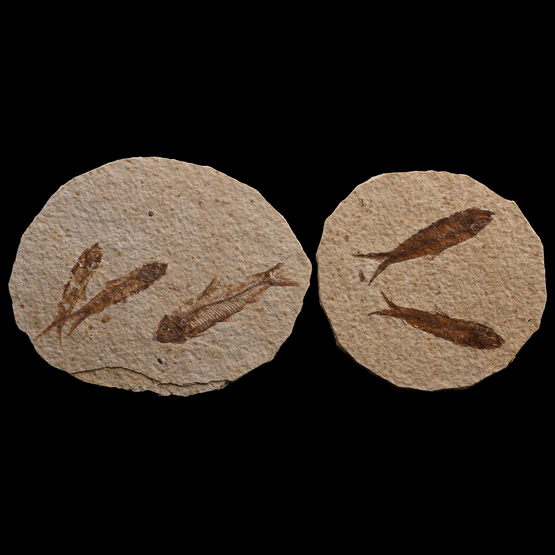
Fossil Knightia Alta Fish Group
Eocene Period, circa 58-36 million years B.P.Sold for (Inc. bp): £52
Comprising two matrices, one with three fish specimens and the other with two. 115 grams total, 9.1-11.6 cm
From USA. From a Lincolnshire, UK, collection. -
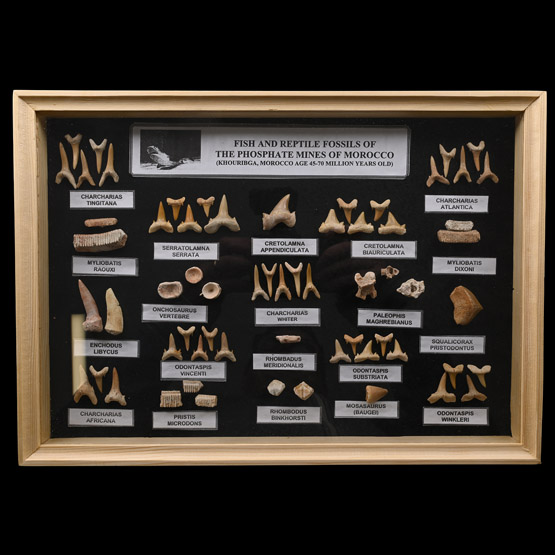
Fossil Shark Tooth Display Case
Cretaceous-Eocene Period, circa 70-45 million years B.P.Sold for (Inc. bp): £85
A glazed display case with mounted specimens of various teeth, vertebrae and ray palates, with identifying labels. 949 grams total, 34.5 x 24.5 cm
From a Cambridgeshire, UK, collection. -
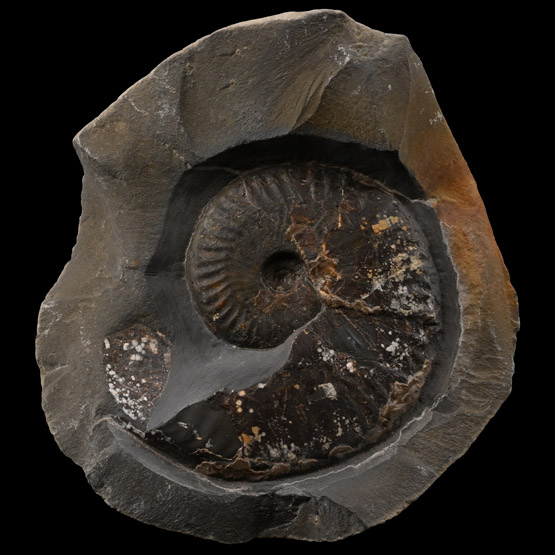
Fossil Pseudolioceras Ammonite
Lower Jurassic Period, Toarcian Stage, circa 180 million years B.P.Sold for (Inc. bp): £20
A rounded pebble half containing an Pseudolioceras lythense ammonite specimen. 795 grams, 13.2 cm
From Whitby, UK. From a Lincolnshire, UK, collection. -
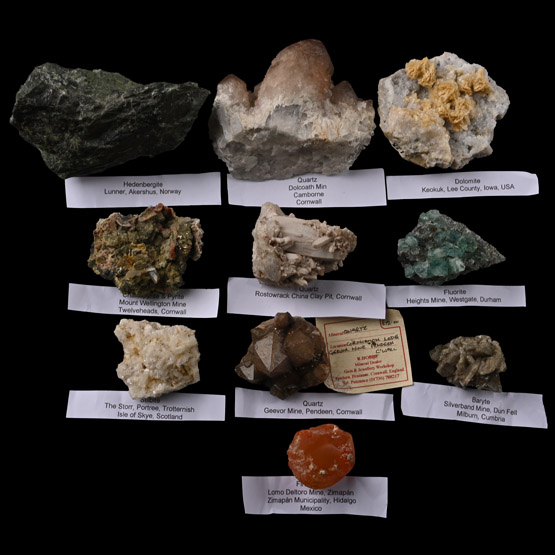
Mixed Crystal and Mineral Specimen Group
Sold for (Inc. bp): £46
Comprising: fire opal from Lomo Deltoro Mine, Zimapan, Zimapan Municipality, Hidalgo, Mexico; quartz from Geevor Mine, Pendeen, Cornwall; stilbite from the Storr, Portree, Trotternish, Isle of Skye, Scotland; baryte from Silverband Mine, Dun Fell, Milburn, Cumbria; quartz from Rostowrack China Clay pit, Cornwall; chalcopyrite and pyrite from Mount Wellington Mine, Twelveheads, Cornwall; hedenbergite from Lunner, Akershus, Norway; dolomite from Keokuk, Lee County, Iowa, USA; fluorite from Heights Mine, Westgate, Durham; quartz from Dolcoath Mine, camborne, Cornwall. 1.1 kg total, 3.5-10.4 cm
From the property of a Cornwall, UK, gentleman. -
.jpg)
Campo del Cielo Meteorite Necklace
Fell 6000-5000 years B.P.Sold for (Inc. bp): £98
A nickel-iron meteorite (IAB) with a suspension loop and cord for wearing. 6.68 grams, Meteorite: 22 mm
From a Lincolnshire, UK, collection.
A crater field of roughly 26 craters was found in the vicinity of this crater, which is estimated to date to 4-5 thousand years BP. The age of the meteorite itself is thought to be c.4.5 billion years, formed as part of the development of this solar system. The largest two fragments, the 30.8-ton Gancedo and 28.8-ton El Chaco, are among the heaviest meteorite masses ever recovered on Earth. In 1576, the governor of a province in Northern Argentina commissioned the military to search for a large mass of iron, which it was believed the local people claimed had fallen from the sky and which they used for their weapon production. The expedition discovered a large mass of metal, which was assumed to be an iron mine, and brought back a few samples, which were described as being of unusual purity. Following the legends, in 1774, Don Bartolomé Francisco de Maguna rediscovered the iron mass. He himself did not believe that the stone had fallen from the sky and assumed that it had formed by a volcanic eruption. However, he sent the samples to the Royal Society of London. In 199,0 it became protected by law.

